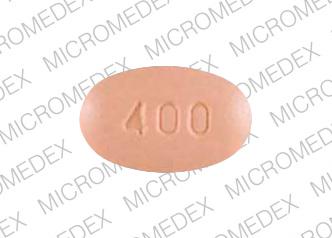
Ketek Side Effects
Generic name: telithromycin
Medically reviewed by Drugs.com. Last updated on Jul 29, 2024.
Note: This document provides detailed information about Ketek Side Effects associated with telithromycin. Some dosage forms listed on this page may not apply specifically to the brand name Ketek.
Applies to telithromycin: oral tablet.
Important warnings
This medicine can cause some serious health issues
Oral route (tablet)
Fatal and life-threatening respiratory failure has been reported in patients with myasthenia gravis treated with telithromycin.
Common side effects of Ketek
Some side effects of telithromycin may occur that usually do not need medical attention. These side effects may go away during treatment as your body adjusts to the medicine. Also, your health care professional may be able to tell you about ways to prevent or reduce some of these side effects.
Check with your health care professional if any of the following side effects continue or are bothersome or if you have any questions about them:
More common
- diarrhea
Less common
- abnormal dreams
- acid or sour stomach
- belching
- bloated, full feeling, or pressure in the stomach
- burning, crawling, itching, numbness, prickling, "pins and needles", or tingling feelings
- burning feeling in the chest or stomach
- change in color, amount, or odor of vaginal discharge
- change in sense of smell
- change in taste
- difficulty focusing the eyes
- difficulty having a bowel movement (stool)
- disturbed attention span
- dry lips
- dry skin
- excess air or gas in the stomach or intestines
- feeling of constant movement of self or surroundings
- feeling of warmth, redness of the face, neck, arms, and occasionally, upper chest
- frequent urination
- headache
- heartburn
- increased amount of pale, dilute urine
- indigestion
- itching of the vagina or outside genitals
- lack or loss of strength
- lightheadedness
- loose stools
- loss of appetite
- loss of sense of taste
- pain during sexual intercourse
- pain or tenderness around the eyes and cheekbones
- passing gas more often than usual
- redness of the skin
- redness, swelling, or soreness of the tongue
- sensation of spinning
- shakiness in the legs, arms, hands, or feet
- skin rash, encrusted, scaly, and oozing
- sleeplessness
- sore mouth or tongue
- sore throat
- stomach upset or pain
- stuffy or runny nose
- swelling or puffiness of the face
- tenderness in the stomach area
- thick, white curd-like vaginal discharge, without odor or with mild odor
- tooth discoloration
- trouble sleeping
- weight loss
- white patches in the mouth and on the tongue
Serious side effects of Ketek
Along with its needed effects, telithromycin (the active ingredient contained in Ketek) may cause some unwanted effects. Although not all of these side effects may occur, if they do occur they may need medical attention.
Check with your doctor immediately if any of the following side effects occur while taking telithromycin:
Rare
- abdominal or stomach pain
- blistering, peeling, or loosening of the skin
- blurred vision
- chest pain or discomfort
- chills
- confusion
- convulsions
- cough
- dark urine
- decreased urine
- difficulty with breathing, chewing, swallowing, or talking
- dizziness
- double vision
- drooping eyelids
- dry mouth
- fainting
- faintness or lightheadedness when getting up suddenly from a lying or sitting position
- fast, slow, or irregular heartbeat
- fever with or without chills
- increased thirst
- itching
- joint pain
- large, hive-like swelling on the face, eyelids, lips, tongue, throat, hands, legs, feet, or sex organs
- light-colored stools
- loss of appetite
- mood changes
- muscle pain or cramps
- muscle weakness
- nausea
- nervousness
- numbness or tingling in the hands, feet, or lips
- red, irritated eyes
- shortness of breath
- skin rash
- sores, ulcers, or white spots in the mouth or on the lips or tongue
- stomach cramps, tenderness, or pain
- sweating
- tightness in the chest
- unusual tiredness or weakness
- upper right abdominal or stomach pain
- vomiting
- watery or bloody diarrhea
- weakness or heaviness of the legs
- wheezing
- yellow eyes and skin
Incidence not known
- black, tarry stools
- clay-colored stools
- continuous vomiting
- dark-colored urine
- decreased appetite
- general feeling of tiredness or weakness
- swelling of the feet or lower legs
- unpleasant breath odor
- vomiting of blood
For healthcare professionals
Applies to telithromycin: oral tablet.
Hepatic
- Common (1% to 10%): Increased liver enzymes (AST, ALT, alkaline phosphatase, GGT)
- Uncommon (0.1% to 1%): Hepatitis (with or without jaundice)
- Rare (0.01% to 0.1%): Cholestatic jaundice
- Frequency not reported: Abnormal liver function tests, increased transaminases (ALT, AST), elevated blood bilirubin, increased ALT (at least 3 times the upper limit of normal), hepatocellular and/or cholestatic hepatitis (with or without jaundice), severe liver toxicity, hepatotoxicity (including acute liver failure, severe liver injury)
- Postmarketing reports: Hepatic dysfunction, fulminant hepatitis, hepatic necrosis, hepatic failure, severe hepatitis[Ref]
Severe liver injury and acute liver failure (in some cases fatal) have been reported. Such hepatic reactions were observed during or immediately after therapy and included fulminant hepatitis and hepatic necrosis leading to liver transplant. In some cases, liver injury progressed rapidly and occurred after a few doses of this drug were administered. Less severe liver dysfunction (associated with reversible hepatitis, elevated liver enzymes, and sometimes jaundice) has been reported.
Drug-related hepatotoxicity was reported in a 46-year-old man receiving treatment for an ear and sinus infection. The patient presented with a 4-day history of malaise, dark urine, jaundice, mild pruritus, and anorexia. The patient denied toxin exposure, IV drug abuse, or hepatic injury. ALT 948 units/L, AST 200 units/L, total bilirubin 65 mmol/L, and alkaline phosphatase 291 units/L were observed. These values warranted withdrawal of this drug and within 2 weeks the ALT decreased to 450 units/L and his jaundice resolved. After 8 weeks, the patient's liver tests had normalized.[Ref]
Gastrointestinal
- Very common (10% or more): Diarrhea (10.8%)
- Common (1% to 10%): Nausea, vomiting, gastrointestinal pain, flatulence
- Uncommon (0.1% to 1%): Constipation, oral candidiasis, stomatitis
- Very rare (less than 0.01%): Pseudomembranous colitis
- Frequency not reported: Abdominal distension, dry mouth, dyspepsia, gastrointestinal upset, gastroenteritis, gastritis, glossitis, Clostridium difficile-associated diarrhea, loose stools, watery stools
- Postmarketing reports: Pancreatitis[Ref]
Pseudomembranous colitis has also been reported during postmarketing experience.[Ref]
Nervous system
- Common (1% to 10%): Headache, dizziness (excluding vertigo), taste disturbance/dysgeusia
- Uncommon (0.1% to 1%): Somnolence, vertigo
- Rare (0.01% to 0.1%): Paresthesia, transient loss of consciousness
- Very rare (less than 0.01%): Parosmia
- Postmarketing reports: Loss of consciousness (in some cases associated with vagal syndrome), exacerbation of myasthenia gravis, tremors, convulsions, taste/smell perversion, ageusia, anosmia, hearing loss[Ref]
Exacerbations of myasthenia gravis (including fatal and life-threatening acute respiratory failure) have been reported. Rapid onset was observed in some cases, occurring within a few hours after the first dose.[Ref]
Respiratory
- Frequency not reported: Acute respiratory failure, rhinitis, upper respiratory infection
- Postmarketing reports: Dyspnea[Ref]
Fatal and life-threatening acute respiratory failure has been reported in patients with myasthenia gravis.[Ref]
Genitourinary
- Common (1% to 10%): Vaginal candidiasis
- Frequency not reported: Vaginitis, fungal vaginosis
- Postmarketing reports: Chromaturia[Ref]
Cardiovascular
- Uncommon (0.1% to 1%): Flush/flushing, palpitations
- Rare (0.01% to 0.1%): Atrial arrhythmia, hypotension, bradycardia
- Frequency not reported: Increased QTc interval
- Postmarketing reports: QT/QTc interval prolongation, ventricular arrhythmias (including ventricular tachycardia, torsades de pointes) with potential fatal outcome, ischemic cardiac events (in the context of hypersensitivity reactions)[Ref]
Ventricular arrhythmias (including ventricular tachycardia, torsades de pointes) have sometimes occurred within a few hours after the first dose.
Atrial arrhythmias and palpitation have also been reported during postmarketing experience.[Ref]
Ocular
- Uncommon (0.1% to 1%): Blurred vision
- Rare (0.01% to 0.1%): Diplopia
- Frequency not reported: Visual disturbances (including blurred vision, difficulty focusing, diplopia)[Ref]
Visual disturbances (some severe) most often included blurred vision, difficulty focusing, or diplopia; some patients stopped therapy due to these effects. Most visual side effects were reported after the first or second dose, lasted several hours, and recurred with subsequent doses in some patients. Symptoms continued throughout the entire course of therapy in some patients and resolved spontaneously during therapy in others. Females and patients up to 40 years of age had a higher rate of these side effects (females up to 40 years: 2.1%; females older than 40 years: 1%; males up to 40 years: 1.2%; males older than 40 years: 0.27%).[Ref]
Dermatologic
- Uncommon (0.1% to 1%): Rash, pruritus, urticaria
- Rare (0.01% to 0.1%): Eczema
- Very rare (less than 0.01%): Erythema multiforme
- Frequency not reported: Increased sweating
- Postmarketing reports: Angioneurotic edema[Ref]
Hematologic
- Uncommon (0.1% to 1%): Eosinophilia
- Frequency not reported: Increased platelet count, increased eosinophil count[Ref]
Metabolic
- Uncommon (0.1% to 1%): Anorexia
- Frequency not reported: Increased blood alkaline phosphatase[Ref]
Psychiatric
- Uncommon (0.1% to 1%): Insomnia, nervousness
- Frequency not reported: Anxiety
- Postmarketing reports: Confusion, hallucinations (mostly visual)
Musculoskeletal
- Very rare (less than 0.01%): Muscle cramps
- Postmarketing reports: Arthralgia, myalgia[Ref]
Muscle cramps have also been reported during postmarketing experience.[Ref]
Hypersensitivity
- Postmarketing reports: Severe allergic reactions (including angioedema, anaphylaxis), anaphylactic reactions (including anaphylactic shock), hypersensitivity[Ref]
Other
- Frequency not reported: Abdominal pain, fatigue, upper abdominal pain
- Postmarketing reports: Face edema
References
1. (2004) "Product Information. Ketek (telithromycin)." Aventis Pharmaceuticals
2. Banks MD, Hanson JS, Rissmiller RW, Pope SD, Clay KD, Purdum PP 3rd (2006) Brief Communication: Severe hepatotoxicity of telithromycin: three case reports and literature review. http://www.acponline.org/journals/annals/hepatotoxicity.htm
3. Clay KD, Hanson JS, Pope SD, Rissmiller RW, Purdum PP 3rd, Banks PM (2006) "Brief communication: severe hepatotoxicity of telithromycin: three case reports and literature review." Ann Intern Med, 144, E1-E6
4. Onur O, Guneysel O, Denizbasi A, Celikel C (2007) "Acute hepatitis attack after exposure to telithromycin." Clin Ther, 29, p. 1725-1729
5. Owens RC Jr, Nolin TD (2006) "Antimicrobial-Associated QT Interval Prolongation: Pointes of Interest." Clin Infect Dis, 43, p. 1603-1611
6. Nieman RB, Sharma K, Edelberg H, Caffe SE (2003) "Telithromycin and myasthenia gravis." Clin Infect Dis, 37, p. 1579
More about Ketek (telithromycin)
- Check interactions
- Compare alternatives
- Drug images
- Dosage information
- During pregnancy
- Drug class: ketolides
- Breastfeeding
Patient resources
Other brands
Related treatment guides
Further information
Ketek side effects can vary depending on the individual. Always consult your healthcare provider to ensure the information displayed on this page applies to your personal circumstances.
Some side effects may not be reported. You may report them to the FDA.