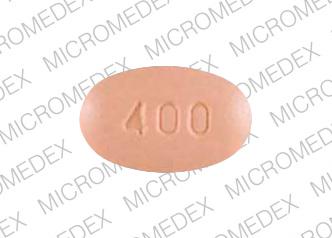
Ketek
Generic name: telithromycin [ tel-IT-roe-MYE-sin ]
Drug class: Ketolides
Medically reviewed by Drugs.com. Last updated on Feb 15, 2024.
What is Ketek?
Ketek is an antibiotic that fights bacteria.
Ketek is used to treat mild to moderate pneumonia caused by certain types of bacteria.
Ketek may also be used for purposes not listed in this medication guide.
Warnings
Do not take Ketek if you have ever had an allergic reaction or liver problems caused by telithromycin or similar antibiotics such as erythromycin (E.E.S., Ery-Tab, Erythrocin, EryPed, Pediazole), azithromycin (Zithromax), clarithromycin (Biaxin), troleandomycin (TAO), or dirithromycin (Dynabac). You should not take Ketek if you also take cisapride or pimozide, or if you have kidney or liver disease AND you are also taking colchicine.
Do not take Ketek if you have myasthenia gravis. Some people with myasthenia gravis have developed serious or fatal lung problems while taking Ketek.
Take Ketek for the full prescribed length of time. Your symptoms may improve before the infection is completely cleared. Skipping doses may also increase your risk of further infection that is resistant to antibiotics. Ketek will not treat a viral infection such as the common cold or flu.
Before taking this medicine
You should not use Ketek if you are allergic to telithromycin, or if:
-
you have myasthenia gravis;
-
you have ever had an allergic reaction or liver problems while taking telithromycin or similar antibiotics, such as azithromycin (Zithromax), erythromycin, clarithromycin (Biaxin), troleandomycin (TAO), or dirithromycin (Dynabac);
-
you also take cisapride or pimozide (Orap); or
-
you have kidney or liver disease AND you are taking colchicine (Colcrys).
Some people with myasthenia gravis have developed serious or fatal lung problems while taking Ketek.
To make sure Ketek is safe for you, tell your doctor if you have:
-
liver disease;
-
kidney disease;
-
low levels of potassium or magnesium in your blood;
-
a heart rhythm disorder (especially if you take certain medications to treat it);
-
very slow heartbeats; or
-
a personal or family history of long QT syndrome.
It is not known whether this medicine will harm an unborn baby. Tell your doctor if you are pregnant or plan to become pregnant.
Telithromycin can pass into breast milk and may harm a nursing baby. Tell your doctor if you are breast-feeding a baby.
Ketek is not approved for use by anyone younger than 18 years old.
How should I take Ketek?
Take Ketek exactly as prescribed by your doctor. Follow all directions on your prescription label. Do not take this medicine in larger or smaller amounts or for longer than recommended.
You may take Ketek with or without food.
Use this medicine for the full prescribed length of time. Your symptoms may improve before the infection is completely cleared. Skipping doses may also increase your risk of further infection that is resistant to antibiotics. Ketek will not treat a viral infection such as the flu or a common cold.
Your heart function may need to be checked using an electrocardiograph or ECG (sometimes called an EKG).
Store at room temperature away from moisture and heat.
Dosing information
Usual Adult Dose for Pneumonia:
Mild to moderate community-acquired pneumonia: 800 mg orally once a day for 7 to 10 days
Usual Adult Dose for Sinusitis:
800 mg orally once a day for 5 days
Because the risks outweigh the benefits, Ketek is no longer approved by the FDA for the treatment of acute bacterial sinusitis.
Usual Adult Dose for Bronchitis:
800 mg orally once a day for 5 days
Because the risks outweigh the benefits, telithromycin is no longer approved by the FDA for the treatment of acute bacterial exacerbation of chronic bronchitis.
Usual Adult Dose for Tonsillitis/Pharyngitis:
800 mg orally once a day for 5 days
The use of telithromycin for the treatment of tonsillitis/pharyngitis is not approved by the FDA.
Usual Pediatric Dose for Tonsillitis/Pharyngitis:
13 years or older: 800 mg orally once a day for 5 days
The use of telithromycin for the treatment of tonsillitis/pharyngitis is not approved by the FDA.
What happens if I miss a dose?
Take the missed dose as soon as you remember. Skip the missed dose if it is almost time for your next scheduled dose. Do not take extra medicine to make up the missed dose.
What happens if I overdose?
Seek emergency medical attention or call the Poison Help line at 1-800-222-1222.
What to avoid
If you also use theophylline, avoid using it within 1 hour before or 1 hour after you take Ketek.
Antibiotic medicines can cause diarrhea, which may be a sign of a new infection. If you have diarrhea that is watery or bloody, call your doctor. Do not use anti-diarrhea medicine unless your doctor tells you to.
Ketek may cause blurred vision and may impair your thinking or reactions. Be careful if you drive or do anything that requires you to be alert and able to see clearly.
Ketek side effects
Get emergency medical help if you have signs of an allergic reaction to Ketek: hives; difficult breathing; swelling of your face, lips, tongue, or throat.
Call your doctor at once if you have:
-
severe stomach pain, diarrhea that is watery or bloody;
-
headache with chest pain and severe dizziness, fast or pounding heartbeats;
-
a light-headed feeling, like you might pass out;
-
problems with vision (difficulty focusing, double vision); or
-
liver problems - nausea, upper stomach pain, itching, tiredness, loss of appetite, dark urine, clay-colored stools, jaundice (yellowing of the skin or eyes).
Common Ketek side effects may include:
-
diarrhea;
-
nausea, vomiting; or
-
dizziness.
This is not a complete list of side effects and others may occur. Call your doctor for medical advice about side effects. You may report side effects to FDA at 1-800-FDA-1088.
What other drugs will affect Ketek?
Some medicines can cause unwanted or dangerous effects when used with Ketek. Your doctor may need to change your treatment plan if you use any of the following drugs:
-
colchicine;
-
cholesterol-lowering medicine - atorvastatin, lovastatin, simvastatin; or
-
ergot medicine - dihydroergotamine, ergotamine, ergonovine, methylergonovine.
Many other drugs can interact with telithromycin. Not all possible interactions are listed here. Tell your doctor about all your current medicines and any you start or stop using, especially:
-
midazolam;
-
phenobarbital;
-
an antibiotic - clarithromycin, nafcillin, rifampin;
-
antifungal medicine - itraconazole, ketoconazole, posaconazole, voriconazole;
-
antiviral medicine to treat hepatitis C or HIV/AIDS - atazanavir, boceprevir, cobicistat (Evotaz, Prezcobix, Stribild, Tybost), delavirdine, efavirenz, etravirine, fosamprenavir, indinavir, nelfinavir, ritonavir, saquinavir, telaprevir;
-
a blood thinner - warfarin, Coumadin, Jantoven;
-
heart or blood pressure medication - amlodipine, digoxin, diltiazem, metoprolol, nicardipine, quinidine, verapamil;
-
medicine to prevent organ transplant rejection - cyclosporine, sirolimus, tacrolimus; or
-
seizure medicine - carbamazepine, phenytoin.
This list is not complete and many other drugs can interact with telithromycin. This includes prescription and over-the-counter medicines, vitamins, and herbal products. Give a list of all your medicines to any healthcare provider who treats you.
More about Ketek (telithromycin)
- Check interactions
- Compare alternatives
- Drug images
- Side effects
- Dosage information
- During pregnancy
- Drug class: ketolides
- Breastfeeding
Patient resources
Other brands
Related treatment guides
Further information
Remember, keep this and all other medicines out of the reach of children, never share your medicines with others, and use Ketek only for the indication prescribed.
Always consult your healthcare provider to ensure the information displayed on this page applies to your personal circumstances.
Copyright 1996-2024 Cerner Multum, Inc. Version: 5.01.