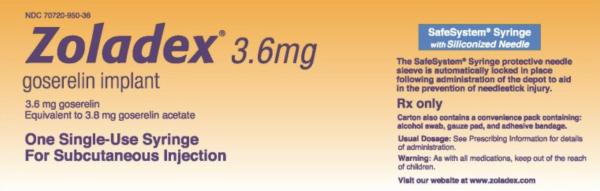
Goserelin Side Effects
Medically reviewed by Drugs.com. Last updated on Jan 1, 2024.
Applies to goserelin: subcutaneous implant.
Serious side effects of goserelin
Along with its needed effects, goserelin may cause some unwanted effects. Although not all of these side effects may occur, if they do occur they may need medical attention.
Check with your doctor or nurse immediately if any of the following side effects occur while taking goserelin:
For all adults
More common
- discouragement
- feeling sad or empty
- lack of appetite
- loss of interest or pleasure
- tiredness
- trouble concentrating
- trouble sleeping
Less common
- bladder pain
- bloody or cloudy urine
- blurred vision
- difficult, burning, or painful urination
- dizziness
- fast or irregular heartbeat
- frequent urge to urinate
- headache
- lower back or side pain
- nervousness
- pounding in the ears
- slow or fast heartbeat
- trouble in urinating
Rare
- bone, muscle, or joint pain
- changes in skin color of the face
- chest tightness
- fainting
- fast or irregular breathing
- numbness or tingling of the hands or feet
- puffiness or swelling of the eyelids or around the eyes
- skin rash, hives, or itching
- sudden, severe decrease in blood pressure and collapse
- trouble breathing
For females only
More common
- breast pain
- itching of the vaginal or genital area
- pain during sexual intercourse
- thick, white vaginal discharge with no odor or with a mild odor
Rare
- anxiety
- deepening of voice
- increased hair growth
- mental depression
- mood changes
For males only
More common
- abnormal ejaculation
- black, tarry stools
- blood in the stools
- bloody or cloudy urine
- continuing diarrhea
- continuing stomach pain
- decreased sexual performance or desire
Less common
- ankle, knee, or great toe joint pain
- anxiety
- breast swelling and tenderness
- chest pain or discomfort
- chills
- cold hands and feet
- constipation
- dry mouth
- flushed, dry skin
- fruit-like breath odor
- increased hunger
- increased thirst
- increased urination
- increased weight
- joint stiffness or swelling
- nausea
- pain or discomfort in the arms, jaw, back, or neck
- pale skin
- swelling of the face, fingers, or lower legs
- unexplained weight loss
- unusual bleeding or bruising
- unusual tiredness or weakness
- vomiting
Rare
- chest pain
- pain in the groin or legs (especially in the calves of the legs)
Other side effects of goserelin
Some side effects of goserelin may occur that usually do not need medical attention. These side effects may go away during treatment as your body adjusts to the medicine. Also, your health care professional may be able to tell you about ways to prevent or reduce some of these side effects.
Check with your health care professional if any of the following side effects continue or are bothersome or if you have any questions about them:
For all adults
More common
- sudden sweating and feelings of warmth (also called hot flashes)
Less common
- blurred vision
- burning, itching, redness, or swelling at the place of injection
- decreased interest in sexual intercourse
- dizziness
- headache
- nausea or vomiting
- swelling and increased tenderness of the breasts
- swelling of the feet or lower legs
- trouble sleeping
- weight gain
For females only
More common
- back pain
- body aches or pain
- cough
- crying
- depersonalization
- difficulty in moving
- dryness or soreness of the throat
- dysphoria
- euphoria
- excessive muscle tone
- increased hair growth, especially on the face
- lack or loss of strength
- light, irregular vaginal bleeding
- muscle aches, stiffness, pains, or cramps
- paranoia
- quick to react or overreact emotionally
- rapidly changing moods
- stopping of menstrual periods
- stuffy or runny nose
- tender, swollen glands in the neck
- trouble in swallowing
- voice changes
Less common
- acid or sour stomach
- belching
- bloated
- bloody nose
- burning, dryness, or itching of the vagina
- dry mouth
- dry skin
- excess air or gas in the stomach or intestines
- full feeling
- heartburn
- impaired vision
- indigestion
- loss or thinning of the hair
- passing gas
- pelvic pain
- stomach discomfort, upset, or pain
For males only
Less common
- bone pain
- constipation
- decreased size of the testicles
- inability to have or keep an erection
For healthcare professionals
Applies to goserelin: subcutaneous implant.
Genitourinary
- Very common (10% or more): Sexual dysfunction (21%), erectile dysfunction (18%), lower urinary tract symptoms (13%), vaginitis, breast atrophy, breast enlargement
- Common (1% to 10%): Gynecomastia, incontinence and urinary frequency (after radiotherapy), ureteric obstruction, pelvic pain
- Uncommon (0.1% to 1%): Breast tenderness[Ref]
Psychiatric
- Very common (10% or more): Libido decreased, emotional lability
- Common (1% to 10%): Mood changes, depression, insomnia
- Very rare (less than 0.01%): Psychotic disorder[Ref]
Dermatologic
- Very common (10% or more): Hyperhidrosis, acne, seborrhea
- Common (1% to 10%): Rash, pruritus
- Frequency not reported: Alopecia[Ref]
Cardiovascular
- Very common (10% or more): Hot flashes (62%)
- Common (1% to 10%): Cardiac failure, myocardial infarction, blood pressure abnormal
- Frequency not reported: QT prolongation
- Postmarketing reports: Deep vein thrombosis, stroke, transient ischemic attack[Ref]
Nervous system
- Very common (10% or more): Headache
- Common (1% to 10%): Paresthesia, spinal cord compression, dizziness
- Postmarketing reports: Convulsions[Ref]
Gastrointestinal
- Very common (10% or more): Diarrhea (36%), cystitis (16%), rectal bleeding (14%)
- Common (1% to 10%): Proctitis, vomiting[Ref]
Respiratory
- Very common (10% or more): Pharyngitis
- Common (1% to 10%): Upper respiratory infection, chronic obstructive pulmonary disease[Ref]
Hypersensitivity
- Uncommon (0.1% to 1%): Drug hypersensitivity
- Rare (0.01% to 0.1%): Anaphylactic reaction[Ref]
Musculoskeletal
- Common (1% to 10%): Bone pain, myalgia, leg cramps, hypertonia
- Uncommon (0.1% to 1%): Arthralgia
- Postmarketing reports: Osteoporosis, decreased bone mineral density and bone fracture in men[Ref]
Metabolic
- Common (1% to 10%): Glucose tolerance impaired, weight increased, anorexia[Ref]
Hematologic
Endocrine
- Very rare (less than 0.01%): Pituitary hemorrhage/infarction[Ref]
Oncologic
- Very rare (less than 0.01%): Pituitary tumor[Ref]
Immunologic
Local
- Common (1% to 10%): Injection site reaction
Other
- Common (1% to 10%): Lethargy, pain, edema[Ref]
References
1. (2001) "Product Information. Zoladex (goserelin)." Astra-Zeneca Pharmaceuticals
More about goserelin
- Check interactions
- Compare alternatives
- Reviews (104)
- Dosage information
- During pregnancy
- Drug class: gonadotropin releasing hormones
- En español
Patient resources
Other brands
Professional resources
Other brands
Related treatment guides
Further information
Goserelin side effects can vary depending on the individual. Always consult your healthcare provider to ensure the information displayed on this page applies to your personal circumstances.
Some side effects may not be reported. You may report them to the FDA.