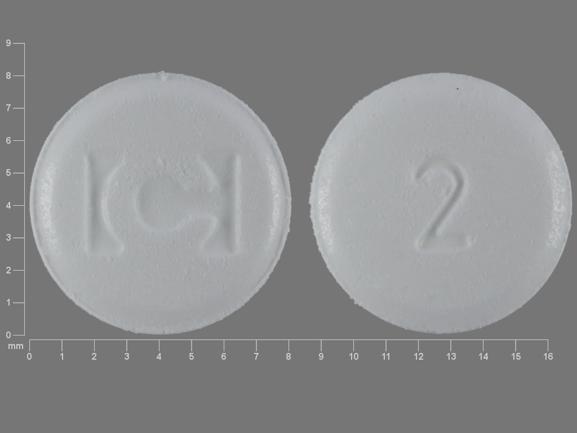
Fentora Side Effects
Generic name: fentanyl
Medically reviewed by Drugs.com. Last updated on Jun 3, 2024.
Note: This document provides detailed information about Fentora Side Effects associated with fentanyl. Some dosage forms listed on this page may not apply specifically to the brand name Fentora.
Applies to fentanyl: lozenge/troche, spray, tablet.
Other dosage forms:
Important warnings
This medicine can cause some serious health issues
Serious side effects of Fentora
Along with its needed effects, fentanyl (the active ingredient contained in Fentora) may cause some unwanted effects. Although not all of these side effects may occur, if they do occur they may need medical attention.
Check with your doctor immediately if any of the following side effects occur while taking fentanyl:
More common
- black, tarry stools
- blurred vision
- chest pain
- confusion
- convulsions
- cough
- decreased urine
- difficult or labored breathing
- dizziness
- dry mouth
- fainting
- fever or chills
- increased thirst
- irregular heartbeat
- lightheadedness
- loss of appetite
- lower back or side pain
- mood changes
- muscle pain or cramps
- nausea or vomiting
- nervousness
- numbness or tingling in the hands, feet, or lips
- painful or difficult urination
- pale skin
- pounding in the ears
- rapid breathing
- sneezing
- sore throat
- sunken eyes
- swelling of the hands, ankles, feet, or lower legs
- tightness in the chest
- troubled breathing with exertion
- ulcers, sores, or white spots in the mouth
- unusual bleeding or bruising
- unusual tiredness or weakness
- wrinkled skin
Less common
- abdominal or stomach pain
- change in walking and balance
- clumsiness or unsteadiness
- decreased awareness or responsiveness
- decreased frequency of urination
- headache
- muscle twitching or jerking
- pounding in the ears
- rhythmic movement of the muscles
- seeing, hearing, or feeling things that are not there
- seizures
- severe constipation
- severe sleepiness
- shakiness in the legs, arms, hands, or feet
- slow or fast heartbeat
- thinking abnormalities
- trembling or shaking of the hands or feet
Get emergency help immediately if any of the following symptoms of overdose occur while taking fentanyl:
Symptoms of overdose
- extremely shallow or slow breathing
Other side effects of Fentora
Some side effects of fentanyl may occur that usually do not need medical attention. These side effects may go away during treatment as your body adjusts to the medicine. Also, your health care professional may be able to tell you about ways to prevent or reduce some of these side effects.
Check with your health care professional if any of the following side effects continue or are bothersome or if you have any questions about them:
More common
- back pain
- diarrhea
- difficulty having a bowel movement (stool)
- difficulty with moving
- discouragement
- feeling sad or empty
- irritability
- lack or loss of strength
- loss of interest or pleasure
- muscle stiffness
- pain in the joints
- sleepiness or unusual drowsiness
- tiredness
- trouble concentrating
- trouble sleeping
- weight loss
Less common
- changes in vision
- excessive muscle tone
- feeling of constant movement of self or surroundings
- feeling of warmth or heat
- flushing or redness of the skin, especially on the face and neck
- irritation, pain, or sores at the site of application
- itching skin
- muscle tension or tightness
- rash
- sensation of spinning
- sweating
Incidence not known
- tooth pain
- trouble with gums
- trouble with teeth
For healthcare professionals
Applies to fentanyl: buccal film, buccal tablet, compounding powder, injectable solution, intravenous solution, nasal spray, oral lozenge, oral transmucosal lozenge, sublingual spray, sublingual tablet, transdermal device, transdermal film extended release.
General
The most commonly reported adverse reactions included headache, nausea, vomiting, ,dizziness, and constipation.[Ref]
Nervous system
- Very common (10% or more): Somnolence, dizziness
- Common (1% to 10%): Sedation, pyrexia, fatigue, lethargy, tremor, headache, chills, irritability, malaise, confusion, abnormal thinking, anxiety, dysphoria
- Uncommon (0.1% to 1%): Hyperesthesia
- Very rare (less than 0.01%): Severe hemiplegic migraine
- Frequency not reported: Slurred speech, paresthesia, hypesthesia, tremor
- Postmarketing reports: Loss of consciousness, vertigo, coma, shock, convulsion[Ref]
Cases of seizures have occasionally been reported, but some investigators have suggested that the seizure-like events reported may have been episodes of fentanyl induced-rigidity.[Ref]
Cardiovascular
- Common (1% to 10%): Tachycardia
- Uncommon (0.1% to 1%): Sinus tachycardia, chest pain, hypertension, hypotension, palpitations
- Rare (less than 0.1%): Arrhythmias, cardiac arrest
- Frequency not reported: Syncope, vasodilation, bradycardia, bigeminy, myocardial infarct
- Postmarketing reports: Circulatory depression[Ref]
One report has suggested that epidural fentanyl may mask the pain of myocardial ischemia in patients treated with fentanyl for other reasons. Another report has suggested that QTc interval prolongation may occur in some patients receiving the related narcotic sufentanil. Another report has implicated fentanyl as a potential cause of pulsus alternans in a patient with aortic stenosis and congestive heart failure.
Nevertheless, fentanyl has been advocated by some as a satisfactory agent for coronary artery surgery.[Ref]
Gastrointestinal
- Very common (10% or more): Nausea (18%), vomiting (10%), constipation
- Common (1% to 10%): Dry mouth, abdominal distension, gastritis, dysphagia, dyspepsia, gastroesophageal reflux disease, ascites, hematemesis, taste perversion, abdominal pain, dehydration, anorexia, cachexia, vomiting, dry mouth, mouth ulcers/stomatitis, tongue edema
- Uncommon (0.1% to 1%): Abdomen enlarged, flatulence
- Rare (less than 0.1%): Choledochoduodenal sphincter spasm
- Frequency not reported: Diarrhea
- Postmarketing reports: Ileus, dental caries, tooth loss, gingival recession, gingivitis, gingival bleeding, lip edema, pharyngeal edema, gum bleeding, ulcer[Ref]
Genitourinary
- Uncommon (0.1% to 1%): Urinary retention
- Very rare (less than 0.01%): Priapism
- Frequency not reported: Urinary tract infection, urination impaired, hematuria, urinary urgency, dysuria[Ref]
Dermatologic
- Very common(10% or more): Iontophoretic transdermal system: Application site reaction-Erythema (14%)
- Common (1% to 10%): Application site irritation, pruritus
- Uncommon (0.1% to 1%): Hyperhidrosis, rash
- Rare (less than 0.1%): Systemic rashes
- Frequency not reported: vesicles, papules/pustules, dry and flaky skin, vesiculobullous rash wound site oozing/bleeding, wound site inflammation/erythema
- Postmarketing reports: Application site discharge, application site bleeding, application site infection, rash and scab, erosion, hyperesthesia, application site necrosis[Ref]
Approximately 60% of patients had some redness at the skin site 24-hours after removal of the iontophoretic transdermal system. The majority of skin events were categorized as mild, erythema and papules were observed; 2 patients had hyperpigmentation at the application site lasting 2 to 3 weeks; 3 patients had a rectangular mark at the application site which persisted for up to 3 months.[Ref]
Hypersensitivity
- Rare (less than 0.1%): Anaphylaxis[Ref]
Hematologic
- Common (1% to 10%): Anemia, neutropenia, lymphadenopathy, thrombocytopenia, leukopenia, aspartate aminotransferase increased, blood alkaline phosphatase increased, blood glucose increased, blood lactate increased, hypoalbuminemia, vasodilation[Ref]
The hemolysis observed may have been related to rapid injection of large volumes of hypotonic fentanyl (the active ingredient contained in Fentora) solution. The authors therefore recommend slower injection rates and/or mixture in isotonic fluid.[Ref]
Immunologic
- Uncommon (0.1% to 1%): Oral candidiasis, cellulitis, pneumonia, urinary tract infection, oral herpes, gastroenteritis, laryngitis
- Very rare (less than 0.01%): Recurrent herpes simplex infection following epidural administration[Ref]
Metabolic
- Common (1% to 10%): Asthenia, peripheral edema, weight decreased, hypokalemia, hyponatremia, hypocalcemia
- Very rare (less than 0.01%): Syndrome of inappropriate antidiuretic hormone
- Frequency not reported: abnormal healing, dehydration[Ref]
Endocrine
- Uncommon (0.1% to 1%): Hot flush[Ref]
Musculoskeletal
- Common (1% to 10%): Fall/accidental injury, back pain, arthralgia, joint swelling, muscular weakness, myoclonus, involuntary muscle contractions, muscle rigidity (involving the respiratory musculature including the glottis)
- Frequency not reported: Leg cramps, myalgia
- Postmarketing reports: Abnormal gait/incoordination[Ref]
Ocular
- Uncommon (0.1% to 1%): Vision blurred, dry eye
- Rare (less than 0.1%): Abnormal vision[Ref]
Psychiatric
- Common (1% to 10%): Depression, confusional state, hallucination, insomnia
- Uncommon (0.1% to 1%): Anxiety, agitation, restlessness, agitation, disorientation, abnormal dreams, depersonalization, depression, emotional lability, euphoria, delirium
- Frequency not reported: Nervousness[Ref]
Respiratory
- Common (1% to 10%): Dyspnea, rhinitis, yawning, respiratory distress, apnea, bradypnea, hypoventilation, respiratory depression
- Uncommon (0.1% to 1%): Cough, increased bronchial secretion, dysphonia, pharyngolaryngeal pain, wheezing, hypoxia, exertional dyspnea
- Very rare (less than 0.01%): Acute noncardiogenic pulmonary edema
- Frequency not reported: Asthma, hiccup, atelectasis, hyperventilation
- Postmarketing reports: Respiratory arrest[Ref]
References
1. (2006) "Product Information. Ionsys (fentanyl)." Ortho McNeil Pharmaceutical
2. Sebel PS, Bovill JG (1983) "Fentanyl and convulsions." Anesth Analg, 62, p. 858-9
3. Rao TL, Mummaneni N, El-Etr AA (1982) "Convulsions: an unusual response to intravenous fentanyl administration." Anesth Analg, 61, p. 1020-1
4. Comstock MK, Carter JG, Moyers JR, Stevens WC (1981) "Rigidity and hypercarbia associated with high dose fentanyl induction of anesthesia." Anesth Analg, 60, p. 362-3
5. Weinger MB, Swerdlow NR, Millar WL (1988) "Acute postoperative delirium and extrapyramidal signs in a previously healthy parturient." Anesth Analg, 67, p. 291-5
6. Goroszeniuk T, Albin M, Jones RM (1986) "Generalized grand mal seizure after recovery from uncomplicated fentanyl-etomidate anesthesia." Anesth Analg, 65, p. 979-81
7. Steinberg RB, Gilman DE, Johnson F, 3d (1992) "Acute toxic delirium in a patient using transdermal fentanyl." Anesth Analg, 75, p. 1014-6
8. Eisenach JC (1991) "Respiratory depression following intrathecal opioids." Anesthesiology, 75, p. 712
9. Palmer CM (1991) "Early respiratory depression following intrathecal fentanyl-morphine combination." Anesthesiology, 74, p. 1153-5
10. Hoien AO (1984) "Another case of grand mal seizure after fentanyl administration." Anesthesiology, 60, p. 387-8
11. Safwat AM, Daniel D (1983) "Grand mal seizure after fentanyl administration." Anesthesiology, 59, p. 78
12. Crawford RD, Baskoff JD (1980) "Fentanyl-associated delirium in man." Anesthesiology, 53, p. 168-9
13. Smith NT, Benthuysen JL, Bickford RG, Sanford TJ, Blasco T, Duke PC, Head N, Dec-Silver H (1989) "Seizures during opioid anesthetic induction--are they opioid-induced rigidity?" Anesthesiology, 71, p. 852-62
14. Mirenda J, Tabatabai M, Wong K (1988) "Delayed and prolonged rigidity greater than 24 h following high-dose fentanyl anesthesia." Anesthesiology, 69, p. 624-5
15. Arandia HY, Patil VU (1987) "Glottic closure following large doses of fentanyl." Anesthesiology, 66, p. 574-5
16. Benthuysen JL, Stanley TH (1985) "Concerning the possible nature of reported fentanyl seizures." Anesthesiology, 62, p. 205
17. Streisand JB, Bailey PL, LeMaire L, Ashburn MA, Tarver SD, Varvel J, Stanley TH (1993) "Fentanyl-induced rigidity and unconsciousness in human volunteers. Incidence, duration, and plasma concentrations." Anesthesiology, 78, p. 629-34
18. Hays LR, Stillner V, Littrell R (1992) "Fentanyl dependence associated with oral ingestion." Anesthesiology, 77, p. 819-20
19. Brockway MS, Noble DW, Sharwood-Smith GH, McClure JH (1990) "Profound respiratory depression after extradural fentanyl." Br J Anaesth, 64, p. 243-5
20. Harper MH, Hickey RF, Cromwell TH, Linwood S (1976) "The magnitude and duration of respiratory depression produced by fentanyl and fentanyl plus droperidol in man." J Pharmacol Exp Ther, 199, p. 464-8
21. Varrassi G, Celleno D, Capogna G, et al. (1992) "Ventilatory effects of subarachnoid fentanyl in the elderly." Anaesthesia, 47, p. 558-62
22. Noble DW, Morrison LM, Brockway MS, Mcclure JH (1994) "Respiratory depression after extradural fentanyl." Br J Anaesth, 72, p. 251
23. Jackson FW (1994) "Fentanyl and the wooden chest." Gastroenterology, 106, p. 820-1
24. Sandler AN, Baxter AD, Katz J, Samson B, Friedlander M, Norman P, Koren G, Roger S, Hull K, Klein J (1994) "A double-blind, placebo-controlled trial of transdermal fentanyl after abdominal hysterectomy: analgesic, respiratory, and pharmacokinetic effects." Anesthesiology, 81, p. 1169-80
25. Bernstein KJ, Klausner MA (1994) "Potential dangers related to transdermal fentanyl (duragesic(r)) when used for postoperative pain." Dis Colon Rectum, 37, p. 1339-40
26. Gil-Gouveia R, Wilkinson PA, Kaube H (2004) "Severe hemiplegic migraine attack precipitated by fentanyl sedation for esophagogastroscopy." Neurology, 63, p. 2446-7
27. Cerner Multum, Inc. "UK Summary of Product Characteristics."
28. Hilgenberg JC, Johantgen WC (1980) "Bradycardia after intravenous fentanyl during subarachnoid anesthesia." Anesth Analg, 59, p. 162-3
29. Oden RV, Karagianes TG (1991) "Postoperative myocardial ischemia possibly masked by epidural fentanyl analgesia." Anesthesiology, 74, p. 941-3
30. Blair JR, Pruett JK, Crumrine RS, Balser JJ (1987) "Prolongation of QT interval in association with the administration of large doses of opiates." Anesthesiology, 67, p. 442-3
31. Sebel PS, Bovill JG, Boekhorst RA, Rog N (1982) "Cardiovascular effects of high-dose fentanyl anaesthesia." Acta Anaesthesiol Scand, 26, p. 308-15
32. Freeman AB, Steinbrook RA (1985) "Recurrence of pulsus alternans after fentanyl injection in a patient with aortic stenosis and congestive heart failure." Can Anaesth Soc J, 32, p. 654-7
33. McCammon RL, Viegas OJ, Stoelting RK, Dryden GE (1978) "Naloxone reversal of choledochoduodenal sphincter spasm associated with narcotic administration." Anesthesiology, 48, p. 437
34. Gaskey NJ, Ferriero L, Pournaras L, Seecof J (1986) "Use of fentanyl markedly increases nausea and vomiting in gynecological short stay patients." AANA J, 54, p. 309-11
35. Sosis M (1985) "Fentanyl and emesis." Can Anaesth Soc J, 32, p. 314-5
36. White MJ, Berghausen EJ, Dumont SW, Tsueda K, Schroeder JA, Vogel RL, Heine MF, Huang KC (1992) "Side effects during continuous epidural infusion of morphine and fentanyl." Can J Anaesth, 39, p. 576-82
37. Chin JL, Sharpe JR (1983) "Priapism and anesthesia: new considerations." J Urol, 130, p. 371
38. "Multum Information Services, Inc. Expert Review Panel"
39. Stoukides CA, Stegman M (1992) "Diffuse rash associated with transdermal fentanyl." Clin Pharm, 11, p. 222
40. Zucker-Pinchoff B, Ramanathan S (1989) "Anaphylactic reaction to epidural fentanyl." Anesthesiology, 71, p. 599-601
41. Bennett MJ, Anderson LK, McMillan JC, Ebertz JM, Hanifin JM, Hirshman CA (1986) "Anaphylactic reaction during anaesthesia associated with positive intradermal skin test to fentanyl." Can Anaesth Soc J, 33, p. 75-8
42. Furuya H, Okumura F (1986) "Hemolysis after administration of high-dose fentanyl." Anesth Analg, 65, p. 207-8
43. Valley MA, Bourke DL, McKenzie AM (1992) "Recurrence of thoracic and labial herpes simplex virus infection in a patient receiving epidural fentanyl." Anesthesiology, 76, p. 1056-7
44. Kokko H, Hall PD, Afrin LB (2002) "Fentanyl-associated syndrome of inappropriate antidiuretic hormone secretion." Pharmacotherapy, 22, p. 1188-92
45. Ananthanarayan C (1990) "Tussive effect of fentanyl." Anaesthesia, 45, p. 595
46. Bohrer H, Fleischer F, Werning P (1990) "Tussive effect of a fentanyl bolus administered through a central venous catheter." Anaesthesia, 45, p. 18-21
47. Soto J, Sacristan JA, Alsar MJ (1992) "Pulmonary oedema due to fentanyl?." Anaesthesia, 47, p. 913-4
48. Phua WT, Teh BT, Jong W, Lee TL, Tweed WA (1991) "Tussive effect of a fentanyl bolus." Can J Anaesth, 38, p. 330-4
49. Tweed WA, Dakin D (2001) "Explosive coughing after bolus fentanyl injection." Anesth Analg, 92, p. 1442-3
Frequently asked questions
- Which drugs cause opioid-induced constipation?
- Which painkiller should you use?
- How long does Fentanyl stay in your system?
- Why is fentanyl so dangerous?
- Fentanyl test strips: where to get & how to use?
- What are the symptoms of a fentanyl overdose?
- Carfentanil vs Fentanyl: Which is more dangerous?
- How does fentanyl compare to heroin or other opiates?
More about Fentora (fentanyl)
- Check interactions
- Compare alternatives
- Pricing & coupons
- Reviews (14)
- Drug images
- Latest FDA alerts (15)
- Dosage information
- During pregnancy
- FDA approval history
- Drug class: Opioids (narcotic analgesics)
- Breastfeeding
- En español
Patient resources
Other brands
Duragesic, Fentanyl Transdermal System, Sublimaze, Onsolis, ... +5 more
Professional resources
Other brands
Duragesic, Sublimaze, Subsys, Actiq, ... +2 more
Related treatment guides
Further information
Fentora side effects can vary depending on the individual. Always consult your healthcare provider to ensure the information displayed on this page applies to your personal circumstances.
Some side effects may not be reported. You may report them to the FDA.