
Aortic Stenosis
Medically reviewed by Drugs.com. Last updated on Sep 1, 2024.
What is aortic stenosis?
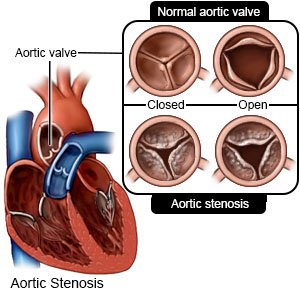
Aortic stenosis is a condition that makes your aortic valve become narrow and stiff. The narrow, stiff valve causes your heart to work harder to pump blood into the aorta.
 |
What causes aortic stenosis?
- Calcium buildup can happen as you age. Calcium builds up on the aortic valve walls. The buildup stiffens and thickens the valve.
- Congenital heart defect means you were born with a heart problem. Over time, the problem may lead to narrowing or blocking of your aortic valve.
- Rheumatic fever can develop after you have a strep throat infection. Rheumatic fever causes your heart valves to thicken with scars.
What are the signs and symptoms of aortic stenosis?
- Chest pain or tightness
- Fast, jumpy, or fluttery heartbeat
- Shortness of breath during activity or when you lie down
- Severe tiredness
- Dizziness or feeling faint
How is aortic stenosis diagnosed?
Your healthcare provider will ask about your signs and symptoms and listen to your heart. He or she will ask if you have had strep throat or rheumatic fever. Tell your provider if you have a family history of heart disease. You may also need any of the following tests:
- Blood tests may be used to check for an infection or other cause of your aortic stenosis.
- An echocardiogram is a type of ultrasound. It is used to show problems with your aortic valve and how blood flows through your heart. It may also show how well your heart is pumping. You may need a transthoracic or transesophageal echocardiogram. Ask your healthcare provider about these types of echocardiogram.
- A chest x-ray shows the size of your heart. It may also show if fluid is around your heart and lungs.
- An electrocardiogram (also called an EKG or ECG) is a test that measures the electrical activity of your heart. It is used to show your heart rate and rhythm, and to show how well your heart is working. It may also help your healthcare provider diagnose heart problems.
- A stress test helps healthcare providers see how well your aortic valve works under stress. Healthcare providers may place stress on your aortic valve with exercise or medicine.
- Cardiac catheterization is a procedure to check how well your heart is pumping blood. It is also used to measure pressure in different parts of your heart. A catheter (long thin tube) is inserted into your arm, neck, or groin and moved into your heart. An x-ray may be used to guide the tube to the right place. Contrast liquid may be used to help your heart show up better in the pictures. Tell the healthcare provider if you have ever had an allergic reaction to contrast liquid.
How is aortic stenosis treated?
- Medicines may help decrease your cholesterol levels and your blood pressure. You may also be given medicine to help lower swelling.
- Valve replacement is the main treatment for aortic stenosis. It is a surgery to remove part or all of your aortic valve. A new valve is then secured in place. The new valve may be from a donor (another person or animal), or may be an artificial valve.
- Balloon valvuloplasty helps widen your aortic valve and allow blood to flow through easier. It is also called a closed valvotomy.
Treatment options
The following list of medications are related to or used in the treatment of this condition.
How can I manage aortic stenosis?
- Limit activities. Your healthcare provider may have you limit strenuous activity. Strenuous activity will make your heart work too hard. Ask your healthcare provider what activities are safe for you to do.
- Take your medicines as directed. You may need medicines to lower your blood pressure. You may also need medicine to help your heart's rhythm. Your healthcare provider will prescribe the medicine that is right for you.
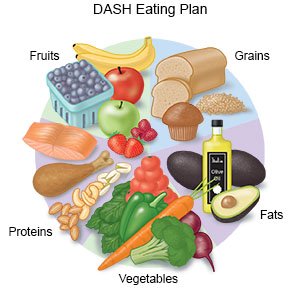
- Eat heart-healthy foods. Heart-healthy foods include salmon, tuna, walnuts, whole-grain breads, low-fat dairy products, beans, and oils such as olive or canola oil. A dietitian or your provider can give you more information on meal plans such as the DASH (Dietary Approaches to Stop Hypertension) eating plan. The DASH plan is low in sodium, processed sugar, unhealthy fats, and total fat. It is high in potassium, calcium, and fiber. These can be found in vegetables, fruit, and whole-grain foods.
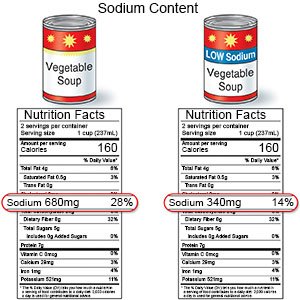
- Limit sodium (salt) as directed. Too much sodium can affect your fluid balance. Check labels to find low-sodium or no-salt-added foods. You can also make small changes to get less salt. For example, if you add salt while you cook, do not add more salt at the table. Ask your healthcare provider or dietitian for more ways to cut down on salt.
- Limit or do not drink alcohol. Ask your healthcare provider if it is okay for you to drink alcohol. Alcohol can increase your risk for high blood pressure and coronary artery disease. Your provider can tell you how many drinks are okay to have within 24 hours or within 1 week. A drink of alcohol is 12 ounces of beer, 5 ounces of wine, or 1½ ounces of liquor.
- Maintain a healthy weight. Being overweight can increase your risk for high blood pressure and coronary artery disease. These conditions can make your symptoms worse. Ask your healthcare provider what a healthy weight is for you. Ask him or her to help you create a weight loss plan if you are overweight.
- Talk to your healthcare provider about pregnancy. If you are a woman and want to get pregnant, talk to your healthcare provider. You and your baby may need to be monitored by specialists during your pregnancy.
- Ask about vaccines you may need. Certain diseases are dangerous for a person who has aortic stenosis. Vaccines help prevent infections that can cause some diseases. Get a flu vaccine as soon as recommended each year, usually in September or October. Your healthcare provider can tell you if you also need other vaccines, and when to get them.
How can I prevent aortic stenosis?
- Manage other health conditions. High blood pressure and high cholesterol levels increase your risk for aortic stenosis. Ask your healthcare provider for more information on managing these conditions.
- Get treatment for strep throat. If strep throat is not treated, it can cause rheumatic fever.
- Take care of your teeth and gums. Gingivitis, a gum disease, increases your risk for aortic stenosis. See your dental provider regularly to treat problems early.
Call your local emergency number (911 in the US) or have someone call if:
- You have any of the following signs of a heart attack:
- Squeezing, pressure, or pain in your chest
- You may also have any of the following:
- Discomfort or pain in your back, neck, jaw, stomach, or arm
- Shortness of breath
- Nausea or vomiting
- Lightheadedness or a sudden cold sweat
- You have any of the following signs of a stroke:
- Numbness or drooping on one side of your face
- Weakness in an arm or leg
- Confusion or difficulty speaking
- Dizziness, a severe headache, or vision loss
When should I seek immediate care?
- You have chest pain when you move around. It goes away when you are still.
- You have increasing shortness of breath.
- You faint.
When should I call my doctor?
- The veins in your neck look swollen or are bulging.
- You have increased swelling in your legs or ankles.
- Your heart beats faster than usual.
- You feel your heart flutter often.
- You have questions or concerns about your condition or care.
Care Agreement
You have the right to help plan your care. Learn about your health condition and how it may be treated. Discuss treatment options with your healthcare providers to decide what care you want to receive. You always have the right to refuse treatment. The above information is an educational aid only. It is not intended as medical advice for individual conditions or treatments. Talk to your doctor, nurse or pharmacist before following any medical regimen to see if it is safe and effective for you.© Copyright Merative 2024 Information is for End User's use only and may not be sold, redistributed or otherwise used for commercial purposes.
Further information
Always consult your healthcare provider to ensure the information displayed on this page applies to your personal circumstances.