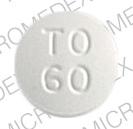
Fareston Side Effects
Generic name: toremifene
Medically reviewed by Drugs.com. Last updated on Aug 5, 2024.
Note: This document provides detailed information about Fareston Side Effects associated with toremifene. Some dosage forms listed on this page may not apply specifically to the brand name Fareston.
Applies to toremifene: oral tablet.
Important warnings
This medicine can cause some serious health issues
Oral route (tablet)
Toremifene prolongs the QTc interval in a dose- and concentration-related manner and may cause a type of ventricular tachycardia called Torsade de pointes.
This could result in syncope, seizures, and/or death.
Toremifene should not be prescribed to patients with congenital/acquired QT prolongation, uncorrected hypokalemia, or uncorrected hypomagnesemia.
Drugs known to prolong the QT interval and strong CYP3A4 inhibitors should be avoided.
Common side effects of Fareston
Some side effects of toremifene may occur that usually do not need medical attention. These side effects may go away during treatment as your body adjusts to the medicine. Also, your health care professional may be able to tell you about ways to prevent or reduce some of these side effects.
Check with your health care professional if any of the following side effects continue or are bothersome or if you have any questions about them:
More common
- blindness
- decreased vision
- dry eyes
- feeling of warmth
- redness of the face, neck, arms, and occasionally, the upper chest
- sudden sweating
- sweating
Less common
- bone pain
- changes in vision
- double vision
- eye pain
- tearing
Incidence not known
- blistering, crusting, irritation, itching, or reddening of the skin
- cracked, dry, or scaly skin
- depression
- difficulty having a bowel movement
- feeling of constant movement of self or surroundings
- feeling unusually cold
- hair loss
- lack or loss of strength
- partial or slight paralysis
- sensation of spinning
- shakiness in the legs, arms, hands, or feet
- thinning of the hair
Serious side effects of Fareston
Along with its needed effects, toremifene (the active ingredient contained in Fareston) may cause some unwanted effects. Although not all of these side effects may occur, if they do occur they may need medical attention.
Check with your doctor immediately if any of the following side effects occur while taking toremifene:
Less common
- anxiety
- arm, back, or jaw pain
- blurred vision
- change in how much and how often you urinate
- change in vaginal discharge
- changes in skin color
- changes in vision
- changes in weight
- chest pain, discomfort, tightness, or heaviness
- confusion
- constipation
- cough
- depression
- dilated neck veins
- dizziness, lightheadedness
- dry mouth
- fainting
- fast, slow, or irregular heartbeat
- inability to speak, incoherent speech
- irregular breathing
- loss of appetite
- metallic taste in the tongue
- muscle weakness
- nausea
- pain or discomfort in the arms, jaw, back, or neck
- pain or feeling of pressure in the pelvis
- pain, tenderness, or swelling of the foot or leg
- seizures
- severe or sudden headache
- stomach pain
- sweating
- swelling of the face, fingers, feet, or lower legs
- temporary blindness
- tenderness, pain, swelling, warmth, skin discoloration, prominent superficial veins over the affected area
- thirst
- troubled breathing
- unusual tiredness or weakness
- vaginal bleeding
- vomiting
- weakness in the arm and or leg on one side of the body, sudden and severe
Incidence not known
- black, tarry stools
- bleeding gums
- blood in the urine or stools
- chills
- clay-colored stools
- dark urine
- fever
- itching
- painful or difficult urination
- pinpoint red spots on the skin
- rash
- sore throat
- sores, ulcers, or white spots on the lips or in the mouth
- swollen glands
- unpleasant breath odor
- unusual bleeding or bruising
- vomiting of blood
- yellow eyes or skin
For healthcare professionals
Applies to toremifene: oral tablet.
General
Adverse drug reactions are primarily due to the anti-estrogenic actions of this drug and typically occur at the beginning of treatment.[Ref]
Cardiovascular
- Very common (10% or more): Hot flashes/flushes (35%)
- Common (1% to 10%): Myocardial infarction, arrhythmia, cardiac failure, thrombophlebitis, thrombosis
- Uncommon (0.1% to 1%): Angina pectoris
- Frequency not reported: QT/QTc interval prolongation[Ref]
Dermatologic
- Very common (10% or more): Sweating (20%)
- Common (1% to 10%): Rash, pruritus/itching
- Uncommon (0.1% to 1%): Skin discoloration
- Rare (less than 0.1%): Dermatitis, alopecia[Ref]
Hepatic
- Very common (10% or more): Elevated AST (19%), elevated alkaline phosphatase (19%)
- Common (1% to 10%): Elevated bilirubin
- Rare (less than 0.1%): Jaundice
- Very rare (less than 0.01%): Hepatitis[Ref]
Gastrointestinal
- Very common (10% or more): Nausea (14%)
- Common (1% to 10%): Vomiting
- Uncommon (0.1% to 1%): Constipation[Ref]
Genitourinary
- Very common (10% or more): Vaginal discharge/leukorrhea (13%)
- Common (1% to 10%): Vaginal/uterine bleeding
- Uncommon (0.1% to 1%): Endometrial hypertrophy
- Rare (less than 0.1%): Endometrial polyps
- Very rare (less than 0.01%): Endometrial hyperplasia[Ref]
Ocular
- Very common (10% or more): Cataracts (10%)
- Common (1% to 10%): Dry eyes, abnormal visual fields, corneal keratopathy, glaucoma, abnormal vision/diplopia
- Uncommon (0.1% to 1%): Reversible corneal opacity (corneal verticillata/verticulata)[Ref]
Metabolic
- Common (1% to 10%): Hypercalcemia
- Uncommon (0.1% to 1%): Anorexia, increased weight, appetite loss[Ref]
Nervous system
- Common (1% to 10%): Dizziness, cerebrovascular accident/transient ischemic attack
- Uncommon (0.1% to 1%): Paresis, tremor, vertigo, headache
- Rare (less than 0.1%): Stiffness
- Frequency not reported: Rigors[Ref]
Other
- Common (1% to 10%): Edema, pain, fatigue
- Uncommon (0.1% to 1%): Asthenia, chest pain[Ref]
Psychiatric
- Common (1% to 10%): Depression
- Uncommon (0.1% to 1%): Insomnia
- Rare (less than 0.1%): Emotional lability[Ref]
Respiratory
- Common (1% to 10%): Pulmonary embolism
- Uncommon (0.1% to 1%): Dyspnea[Ref]
Musculoskeletal
Hematologic
- Rare (less than 0.1%): Leukopenia, thrombocytopenia
- Frequency not reported: Anemia[Ref]
Oncologic
- Very rare (less than 0.01%): Endometrial cancer
- Frequency not reported: Tumor flare[Ref]
References
1. (2001) "Product Information. Fareston (toremifene)." Schering Corporation
2. Cerner Multum, Inc. "UK Summary of Product Characteristics."
3. Cerner Multum, Inc. "Australian Product Information."
More about Fareston (toremifene)
- Check interactions
- Compare alternatives
- Pricing & coupons
- Drug images
- Dosage information
- During pregnancy
- Drug class: hormones/antineoplastics
- En español
Patient resources
Professional resources
Related treatment guides
Further information
Fareston side effects can vary depending on the individual. Always consult your healthcare provider to ensure the information displayed on this page applies to your personal circumstances.
Some side effects may not be reported. You may report them to the FDA.