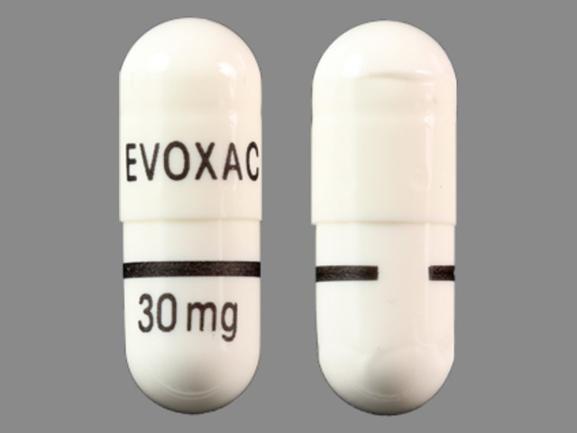
Evoxac Side Effects
Generic name: cevimeline
Medically reviewed by Drugs.com. Last updated on Nov 16, 2023.
Note: This document provides detailed information about Evoxac Side Effects associated with cevimeline. Some dosage forms listed on this page may not apply specifically to the brand name Evoxac.
Applies to cevimeline: oral capsule.
Check with your doctor or nurse immediately if any of the following side effects occur while taking cevimeline (the active ingredient contained in Evoxac)
Check with your doctor immediately if any of the following side effects occur while taking cevimeline:
More common
- Bladder pain
- bloody or cloudy urine
- body aches or pain
- chills
- cough
- difficult, burning, or painful urination
- difficulty in breathing
- dryness or soreness of the throat
- ear congestion
- frequent urge to urinate
- headache
- hoarseness
- loss of voice
- lower back or side pain
- runny or stuffy nose
- sneezing
- tender, swollen glands in the neck
- trouble in swallowing
- unusual tiredness or weakness
- voice changes
Less common
- Accumulation of pus
- bloating or swelling of the face, arms, hands, lower legs, or feet
- blurred vision or other change in vision
- burning, dry, or itching eyes
- chest pain
- cough producing mucus
- diarrhea
- discharge, excessive tearing
- dizziness
- earache
- excessive muscle tone
- eye pain
- fast, irregular, pounding, or racing heartbeat or pulse
- feeling unusually cold
- fever
- general feeling of discomfort or illness
- headache, severe and throbbing
- heartburn
- hives, skin rash
- joint pain
- loss of appetite
- muscle pain, stiffness, tension, or tightness
- nausea
- nosebleed
- pale skin
- puffiness or swelling of the eyelids or around the eyes, face, lips, or tongue
- rapid weight gain
- redness or swelling in the ear
- redness, pain, or swelling of the eye, eyelid, or inner lining of the eyelid
- sensitivity of the eye to light
- shivering
- sore throat
- swollen, red, tender area of the infection site
- tightness in the chest
- tingling of the hands or feet
- tremor
- trouble sleeping
- unusual bleeding or bruising
- unusual weight gain or loss
- vomiting
- weight loss
Rare
- Anxiety
- black, tarry stools
- bleeding after defecation
- bleeding gums
- blisters
- bloating
- blood in the urine or stools
- blood in vomit
- bloody nose
- blue or pale skin
- burning feeling in the chest or stomach
- burning feeling while urinating
- burning, numbness, pain, or tingling in all fingers, except the smallest finger
- burning, tingling, numbness or pain in the hands, arms, feet, or legs
- changes in skin color
- chest discomfort
- chest pain, possibly moving to the left arm, neck, or shoulder
- choking
- clumsiness or unsteadiness
- cold sweats
- collection of blood under the skin
- confusion
- constipation
- cool, pale skin
- coughing or spitting up blood
- cracked lips
- decreased urination
- deep, dark purple bruise
- depressed mood
- difficulty controlling your bladder or bowels
- difficulty walking
- dizziness, faintness, or lightheadedness when getting up suddenly from a lying or sitting position
- dry mouth
- dry skin and hair
- dry, puffy skin
- extra heartbeat
- fainting
- feeling cold
- forgetfulness
- frequent urge to defecate
- fruit-like breath odor
- gaseous abdominal pain
- heart murmur
- heavier menstrual periods
- husky voice
- incoherent speech
- increase in heart rate
- increased hunger
- increased thirst
- increased volume of pale, dilute urine
- indigestion
- involuntary muscle contractions
- irregular heartbeat
- irritation or soreness of the mouth
- itching, pain, redness, swelling, tenderness, or warmth on the skin
- joint stiffness or swelling
- lightheadedness
- loss of bladder control
- loss of consciousness
- lower back, side, or stomach pain
- metallic taste
- mood changes
- muscle cramps or weakness
- nerve pain
- nervousness
- nightmares
- noisy breathing
- numbness or tingling in the face, hands, feet, or lips
- pain in the arms, legs, or lower back, especially pain in the calves or heels upon exertion
- pain or burning in the throat
- pain or discomfort in the arms, jaw, back, or neck pain, warmth, or burning in the fingers, toes, and legs
- painful blisters on the trunk of the body
- painful cold sores or blisters on the lips, nose, eyes, or genitals
- pale, bluish-colored, or cold hands or feet
- pinpoint red spots on the skin
- pounding in the ears
- rapid, shallow breathing
- rectal bleeding
- recurrent fever
- redness and swelling of the gums
- redness, soreness, or itching skin
- redness, swelling, or soreness of the tongue
- seizures
- sensation of pins and needles
- severe constipation
- severe cramping
- severe or continuing stomach pain
- severe stomach pain
- severe vomiting
- shakiness
- slow heartbeat
- slurred speech
- sores, ulcers, or white spots on the lips or tongue or inside the mouth
- stabbing pain
- stomach bloating, burning, cramping, or pain
- stomach tenderness or discomfort
- stomach upset or fullness
- straining while passing stool
- sudden decrease in the amount of urine
- sunken eyes
- sweating
- swelling around the eyes
- swelling of the front part of the neck
- swelling or inflammation of the mouth
- swollen, painful, or tender lymph glands in the neck, armpit, or groin
- trouble in holding urine
- uncomfortable swelling around the anus
- unexplained weight loss
- voice changes
- vomiting of blood or material that looks like coffee grounds
- weak or absent pulses in the legs
- weight gain
- wrinkled skin
- yellow eyes or skin
Get emergency help immediately if any of the following symptoms of overdose occur while taking cevimeline:
Symptoms of Overdose
- Blurred or loss of vision
- chest pain or discomfort
- cold, clammy skin
- confusion
- disturbed color perception
- dizziness, faintness, or lightheadedness when getting up suddenly from a lying or sitting position
- double vision
- fainting fast, pounding, or irregular heartbeat or pulse
- fast, weak pulse
- halos around lights
- nervousness
- night blindness
- overbright appearance of lights
- pounding in the ears
- pounding, slow heartbeat
- stomach cramps or pain
- tearing of the eyes
- tightness in the chest
- tremor
- troubled breathing
- tunnel vision
- unusual tiredness or weakness
Other side effects of Evoxac
Some side effects of cevimeline may occur that usually do not need medical attention. These side effects may go away during treatment as your body adjusts to the medicine. Also, your health care professional may be able to tell you about ways to prevent or reduce some of these side effects.
Check with your health care professional if any of the following side effects continue or are bothersome or if you have any questions about them:
Less common
- back pain
- belching
- bloated, full feeling
- bone pain
- change in the color, amount, or odor of vaginal discharge
- difficulty in moving
- discouragement
- excess air or gas in stomach or bowels
- feeling of constant movement of self or surroundings
- feeling of warmth feeling sad or empty
- hiccup
- increased watering of the mouth
- irritability
- itching of the vagina or genital area
- leg cramps
- loss of interest or pleasure
- overactive reflexes, followed by underactive reflexes
- pain during sexual intercourse
- passing gas
- redness of the face, neck, arms, and occasionally, upper chest
- salivary gland enlargement or pain
- sensation of spinning
- thick, white vaginal discharge with no odor or with a mild odor
- tooth disorder
- toothache
- trouble concentrating
Rare
- abnormal crying
- abnormal dreaming
- absence of menstruation
- acne
- agitation
- change in tongue color
- changes in menstrual periods
- decreased sexual ability in males
- difficulty in speaking
- discoloration of the fingernails or toenails
- false beliefs that cannot be changed by facts
- feeling of unreality
- hair loss or thinning of hair
- increase in body movements
- increased appetite
- increased sensitivity of skin to sunlight
- lack or loss of strength
- painful menstruation
- poor insight and judgment
- problems with memory or speech
- seeing, hearing, or feeling things that are not there
- sense of detachment from self or body
- severe sunburn
- sleepiness or unusual drowsiness
- trouble recognizing objects
- trouble thinking and planning
- trouble walking
For healthcare professionals
Applies to cevimeline: oral capsule.
General
The most commonly reported side effects were excessive sweating, nausea, diarrhea, rhinitis, sinusitis, upper respiratory tract infection, and headache.[Ref]
Cardiovascular
- Common (1% to 10%): Hot flushes
- Uncommon (0.1% to 1%): Flushing, precordial chest pain, hematoma, pallor, substernal chest pain, abnormal ECG, heart disorder, heart murmur, aggravated hypertension, hypotension, arrhythmia, extrasystoles, t wave inversion, tachycardia, supraventricular tachycardia, angina pectoris, myocardial infarction, pericarditis, peripheral ischemia, superficial phlebitis, purpura, deep thrombophlebitis, vasculitis, vascular disorder, hypertension, post-operative hemorrhage
- Frequency not reported: Blood pressure fluctuation, cardiomegaly, postural hypotension, bundle branch block, distended vein[Ref]
Hepatic
- Uncommon (0.1% to 1%): Cholelithiasis, increased gamma-glutamyl transferase, increased hepatic enzymes, abnormal hepatic function, viral hepatitis, increased serum glutamate oxaloacetic transaminase (SGOT/AST), increased serum glutamate pyruvate transaminase (SGPT/ALT) Postmarketing reports: Cholecystitis[Ref]
Hematologic
- Uncommon (0.1% to 1%): Cholelithiasis, increased gamma-glutamyl transferase, increased hepatic enzymes, abnormal hepatic function, viral hepatitis, increased serum glutamate oxaloacetic transaminase (SGOT/AST), increased serum glutamate pyruvate transaminase (SGPT/ALT) Postmarketing reports: Cholecystitis[Ref]
Gastrointestinal
- Very common (10% or more): Nausea (13.8%), Diarrhea (10.3%)
- Common (1% to 10%): Excessive salivation, dyspepsia, abdominal pain, vomiting
- Uncommon (0.1% to 1%): Mouth edema, appendicitis, ulcerative colitis, diverticulitis, duodenitis, dysphagia, enterocolitis, gastric ulcer, gastritis, gastroenteritis, gastrointestinal hemorrhage, gingivitis, glossitis, rectum hemorrhage, hemorrhoids, ileus, irritable bowel syndrome, melena, mucositis, esophageal stricture, esophagitis, oral hemorrhage, peptic ulcer, periodontal destruction, rectal disorder, stomatitis, tenesmus, tongue discoloration, tongue disorder, geographic tongue, tongue ulceration, dental caries, food poisoning
- Frequency not reported: Enlarged abdomen, change in bowel habits, gum hyperplasia, intestinal obstruction[Ref]
Nervous system
- Very common (10% or more): Headache (14.4%)
- Common (1% to 10%): Dizziness
- Uncommon (0.1% to 1%): Syncope, carpal tunnel syndrome, coma, abnormal coordination, dysesthesia, dyskinesia, dysphonia, aggravated multiple sclerosis, involuntary muscle contractions, neuralgia, neuropathy, paresthesia, speech disorder, agitation, confusion, depersonalization, aggravated depression, abnormal dreaming, emotional lability, manic reaction, paroniria, somnolence, abnormal thinking, hyperkinesia, hallucination, motion sickness, parosmia, taste perversion
- Frequency not reported: Cholinergic syndrome, aphasia, convulsions, abnormal gait, hyperesthesia, paralysis, amnesia, neurosis[Ref]
Respiratory
- Very common (10% or more): Sinusitis (12.3%), upper respiratory tract infection (11.4%), rhinitis (11.2%)
- Common (1% to 10%): Coughing, pharyngitis, bronchitis
- Uncommon (0.1% to 1%): Choking, pulmonary embolism, asthma, bronchospasm, chronic obstructive airway disease, dyspnea, hemoptysis, laryngitis, nasal ulcer, pleural effusion, pleurisy, pulmonary congestion, pulmonary fibrosis, respiratory disorder
- Frequency not reported: Apnea, atelectasis, yawning[Ref]
Genitourinary
- Uncommon (0.1% to 1%): Genital moniliasis, epididymitis, prostatic disorder, abnormal sexual function, amenorrhea, female breast neoplasm, malignant female breast neoplasm, female breast pain, positive cervical smear test, dysmenorrhea, endometrial disorder, intermenstrual bleeding, leukorrhea, menorrhagia, menstrual disorder, ovarian cyst, ovarian disorder, genital pruritus, uterine hemorrhage, vaginal hemorrhage, atrophic vaginitis, albuminuria, bladder discomfort, increased blood urea nitrogen, dysuria, hematuria, micturition disorder, nephrosis, nocturia, increased nonprotein nitrogen, pyelonephritis, renal calculus, abnormal renal function, renal pain, strangury, urethral disorder, abnormal urine, urinary incontinence, decreased urine flow, pyuria
- Frequency not reported: Abnormal sexual function, impotence, oliguria, urinary retention[Ref]
Musculoskeletal
- Common (1% to 10%): Back pain, arthralgia, skeletal pain
- Uncommon (0.1% to 1%): Leg pain, arthritis, aggravated arthritis, arthropathy, femoral head avascular necrosis, bone disorder, bursitis, costochondritis, plantar fasciitis, muscle weakness, osteomyelitis, osteoporosis, synovitis, tendinitis, tenosynovitis, joint dislocation, aggravated rheumatoid arthritis[Ref]
Dermatologic
- Very common (10% or more): Excessive sweating (18.7%)
- Common (1% to 10%): Rash
- Uncommon (0.1% to 1%): Cellulitis, lupus erythematosus rash, lupus erythematosus syndrome, acne, alopecia, burn, dermatitis, contact dermatitis, lichenoid dermatitis, eczema, furunculosis, hyperkeratosis, lichen planus, nail discoloration, nail disorder, onychia, onychomycosis, paronychia, photosensitivity reaction, rosacea, scleroderma, seborrhea, skin discoloration, dry skin, skin exfoliation, skin hypertrophy, skin ulceration, urticaria, verruca, bullous eruption, cold clammy skin[Ref]
Ocular
- Common (1% to 10%): Conjunctivitis, rigors
- Uncommon (0.1% to 1%): Periorbital edema, blepharitis, cataract, corneal opacity, corneal ulceration, diplopia, glaucoma, anterior chamber eye hemorrhage, keratitis, keratoconjunctivitis, mydriasis, myopia, photopsia, retinal deposits, retinal disorder, scleritis, vitreous detachment[Ref]
Endocrine
- Uncommon (0.1% to 1%): Increased glucocorticoids, goiter, hypothyroidism[Ref]
Immunologic
- Uncommon (0.1% to 1%): Aggravated allergy, herpes simplex, herpes zoster, bacterial infection, viral infection, sepsis[Ref]
Metabolic
- Uncommon (0.1% to 1%): Weight decrease, weight increase, increased appetite, dehydration, diabetes mellitus, hypercalcemia, hypercholesterolemia, hyperglycemia, hyperlipemia, hypertriglyceridemia, hyperuricemia, hypoglycemia, hypokalemia, hyponatremia, thirst
- Frequency not reported: Electrolyte abnormality, hyperkalemia, hyperproteinemia, failure to thrive, gout[Ref]
Oncologic
- Uncommon (0.1% to 1%): Basal cell carcinoma, squamous carcinoma[Ref]
Other
- Common (1% to 10%): Injury, surgical intervention, fatigue, pain
- Uncommon (0.1% to 1%): Asthenia, abnormal crying, edema, activated pain trauma, changed temperature sensation, malaise, face edema, fall, heat stroke, deafness, decreased hearing, tinnitus
- Frequency not reported: Increased creatine phosphokinase, increased lactic dehydrogenase (LDH), increased alkaline phosphatase[Ref]
Psychiatric
- Common (1% to 10%): Insomnia, anxiety
- Frequency not reported: Aggressive reaction, apathy, delirium, delusion, dementia, illusion, paranoid reaction, personality disorder
Renal
- Common (1% to 10%): Urinary tract infection
- Uncommon (0.1% to 1%): Urinary frequency, polyuria, glycosuria[Ref]
References
1. (2001) "Product Information. Evoxac (cevimeline)." Daiichi Pharmaceuticals
More about Evoxac (cevimeline)
- Check interactions
- Compare alternatives
- Pricing & coupons
- Reviews (20)
- Drug images
- Dosage information
- During pregnancy
- Generic availability
- Drug class: cholinergic agonists
- En español
Patient resources
Professional resources
Related treatment guides
Further information
Evoxac side effects can vary depending on the individual. Always consult your healthcare provider to ensure the information displayed on this page applies to your personal circumstances.
Some side effects may not be reported. You may report them to the FDA.