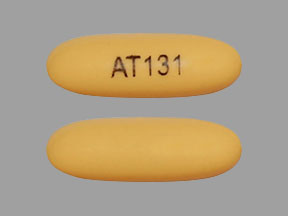
Dutasteride Side Effects
Medically reviewed by Drugs.com. Last updated on May 3, 2024.
Applies to dutasteride: oral capsule liquid filled.
Precautions
It is very important that your doctor check you at regular visits to make sure that this medicine is working properly and to check for any unwanted effects that may be caused by this medicine.
Women and children should not use this medicine. Pregnant women or women who may become pregnant should not handle or touch the capsules. Dutasteride can be absorbed through the skin and can cause birth defects in male fetuses. If a pregnant woman does come in contact with this medicine, the affected area should be washed right away with soap and water, especially if the capsule is broken.
Men who have taken this medicine should not donate blood until 6 months have passed since the last dose. Dutasteride can remain in your blood for a long time and be passed on to a pregnant woman who receives a blood transfusion.
This medicine may increase your risk of developing high-grade prostate cancer. Tell your doctor if you have concerns about this risk.
This medicine may affect the results of the prostate specific antigen (PSA) test, which may be used to detect prostate cancer. Make sure you tell all of your doctors that you are using this medicine.
This medicine does not usually affect normal sexual abilities for most men. You may notice that you ejaculate less fluid when you have sex.
Common side effects of dutasteride
Some side effects of dutasteride may occur that usually do not need medical attention. These side effects may go away during treatment as your body adjusts to the medicine. Also, your health care professional may be able to tell you about ways to prevent or reduce some of these side effects.
Check with your health care professional if any of the following side effects continue or are bothersome or if you have any questions about them:
Less common side effects
- abnormal ejaculation
- decreased interest in sexual intercourse
- decreased sexual performance or desire
- impotence
- inability to have or keep an erection
- loss in sexual ability, desire, drive, or performance
- pain, soreness, swelling, or discharge from the breast or breasts
Serious side effects of dutasteride
Along with its needed effects, dutasteride may cause some unwanted effects. Although not all of these side effects may occur, if they do occur they may need medical attention.
Check with your doctor immediately if any of the following side effects occur while taking dutasteride:
Rare side effects
- chest pain or discomfort
- dilated neck veins
- extreme fatigue
- irregular breathing
- irregular heartbeat
- swelling of the face, fingers, feet, or lower legs
- trouble breathing
- weight gain
Incidence not known
- blistering, flaking, or peeling of the skin
- cough
- difficulty with swallowing
- dizziness
- fast heartbeat
- hives or welts, itching skin, rash
- large, hive-like swelling on the face, eyelids, lips, tongue, throat, hands, legs, feet, or sex organs
- puffiness or swelling of the eyelids or around the eyes, face, lips, or tongue
- redness of the skin
- tightness in the chest
- unusual tiredness or weakness
See also:
For healthcare professionals
Applies to dutasteride: oral capsule.
Other adverse events
- Common (1% to 10%): Impotence, decreased libido, ejaculation disorders, breast disorders
- Postmarketing reports: Testicular pain and swelling[Ref]
Impotence, decreased libido, and ejaculation disorders may persist after treatment discontinuation; this drug's role in this persistence is unknown.
Ejaculation disorders included anorgasmia, retrograde ejaculation, decreased semen volume, decreased orgasmic sensation, abnormal orgasm, delayed ejaculation, ejaculation failure, and premature ejaculation.
Breast disorders include breast enlargement, gynecomastia, breast swelling, breast pain, breast tenderness, nipple pain, and nipple swelling.[Ref]
Oncologic
- Common (1% to 10%): High-grade prostate cancer
- Frequency not reported: Male breast cancer[Ref]
Cardiovascular
- Uncommon (0.1% to 1%): Cardiac failure[Ref]
Dermatologic
Nervous system
- Uncommon (0.1% to 1%): Dizziness, nervous system disorders[Ref]
Hypersensitivity
- Postmarketing reports: Hypersensitivity reactions (e.g., rash, pruritus, urticaria, localized edema, serious skin reactions, angioedema)[Ref]
Psychiatric
- Postmarketing reports: Depressed mood[Ref]
References
1. (2002) "Product Information. Duagen (dutasteride)." GlaxoSmithKline Healthcare
More about dutasteride
- Check interactions
- Compare alternatives
- Pricing & coupons
- Reviews (73)
- Drug images
- Dosage information
- During pregnancy
- Drug class: 5-alpha-reductase inhibitors
- En español
Patient resources
Other brands
Professional resources
Other brands
Related treatment guides
Further information
Dutasteride side effects can vary depending on the individual. Always consult your healthcare provider to ensure the information displayed on this page applies to your personal circumstances.
Note: Medication side effects may be underreported. If you are experiencing side effects that are not listed, submit a report to the FDA by following this guide.