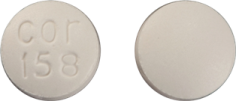
Cilostazol Side Effects
Medically reviewed by Drugs.com. Last updated on Feb 5, 2024.
Applies to cilostazol: oral tablet.
Important warnings
This medicine can cause some serious health issues
Oral route (tablet)
Cilostazol is contraindicated in congestive heart failure of any severity.
Cilostazol and many of its metabolites inhibit phosphodiesterase III.
Several drugs with this pharmacologic effect have resulted in decreased survival compared with placebo in patients with class III to IV congestive heart failure.
Serious side effects of cilostazol
Along with its needed effects, cilostazol may cause some unwanted effects. Although not all of these side effects may occur, if they do occur they may need medical attention.
Check with your doctor immediately if any of the following side effects occur while taking cilostazol:
More common
- fast or irregular heartbeat
- fever
Less common
- abnormal bleeding
- bloody or black tarry stools
- bruises or red spots on the skin
- fainting
- nausea, heartburn, or indigestion (severe or continuing)
- nosebleeds
- stiff neck
- stomach pain, cramping, or burning (severe)
- swelling of the tongue
- vomiting of blood or material that looks like coffee grounds
Incidence not known
- bleeding gums
- bleeding tendency
- blistering, peeling, loosening of the skin
- blood in the urine or stools
- blurred vision
- chest pain
- chills
- clay-colored stools
- confusion
- cough or hoarseness
- coughing up blood
- dark urine
- diarrhea
- difficulty with breathing
- drowsiness
- fever with or without chills
- general feeling of tiredness or weakness
- headache, sudden and severe
- inability to speak
- itching of the eyes
- itching of the skin
- joint or muscle pain
- light-colored stools
- loss of appetite
- loss of consciousness
- lower back or side pain
- nausea and vomiting
- painful or difficult urination
- pinpoint red spots on the skin
- red skin lesions, often with a purple center
- red, irritated eyes
- seizures
- skin rash
- slurred speech
- sores, ulcers, or white spots on the lips or in the mouth
- stomach pain
- swollen glands
- temporary blindness
- unpleasant breath odor
- unusual bleeding or bruising
- unusual tiredness or weakness
- weakness in the arm or leg on one side of the body, sudden and severe
- weakness of part of the body
- yellow eyes or skin
Get emergency help immediately if any of the following symptoms of overdose occur while taking cilostazol:
Symptoms of overdose
- dizziness or lightheadedness when getting up suddenly from a lying or sitting position
Other side effects of cilostazol
Some side effects of cilostazol may occur that usually do not need medical attention. These side effects may go away during treatment as your body adjusts to the medicine. Also, your health care professional may be able to tell you about ways to prevent or reduce some of these side effects.
Check with your health care professional if any of the following side effects continue or are bothersome or if you have any questions about them:
More common
- back pain
- dizziness
- gas
- headache
- increased cough
- pain or stiffness in the muscles
- pounding heartbeat
- runny or stuffy nose
- sore throat
- swelling of the arms or legs
Less common
- bone pain
- burning feeling in the throat or chest
- difficulty with swallowing
- hives
- pain or stiffness in the joints
- ringing or buzzing in the ears
- swelling of the face, fingers, or lower legs
Incidence not known
- bruising
- feeling of warmth
- pain
- redness of the face, neck, arms and occasionally, upper chest
For healthcare professionals
Applies to cilostazol: oral tablet.
General
The most frequent adverse reactions resulting in discontinuation of therapy were headache, palpitation, and diarrhea.[Ref]
Nervous system
- Very common (10% or more): Headache (up to 34%), dizziness (up to 10%)
- Frequency not reported: Tinnitus
- Postmarketing reports: Intracranial hemorrhage, cerebral hemorrhage, cerebrovascular accident, extradural hematoma, subdural hematoma
Gastrointestinal
- Very common (10% or more): Diarrhea (up to 19%), abnormal stools (up to 15%)
- Common (1% to 10%): Dyspepsia, abdominal pain
- Frequency not reported: Melena
- Postmarketing reports: Gastrointestinal hemorrhage, vomiting, flatulence, nausea[Ref]
Immunologic
- Very common (10% or more): Infection (up to 14%)
- Postmarketing reports: Anaphylaxis, angioedema, hypersensitivity[Ref]
Respiratory
- Very common (10% or more): Rhinitis (up to 12%), pharyngitis (up to 10%)
- Frequency not reported: Epistaxis
- Postmarketing reports: Pulmonary hemorrhage, interstitial pneumonia[Ref]
Cardiovascular
- Very common (10% or more): Palpitation (up to 10%)
- Common (1% to 10%): Tachycardia
- Frequency not reported: Atrial fibrillation, heart failure, myocardial infarction, nodal arrhythmia, supraventricular tachycardia, ventricular extrasystoles, ventricular tachycardia, left ventricular outflow obstruction
- Postmarketing reports: Torsade de pointes, QTc prolongation, angina pectoris, hot flushes, blood pressure increased, subacute stent thrombosis, hypertension[Ref]
Other
- Common (1% to 10%): Peripheral edema
- Frequency not reported: Fever, generalized edema, malaise
- Postmarketing reports: Pain, chest pain[Ref]
Metabolic
- Frequency not reported: Anorexia, hyperuricemia
- Postmarketing reports: Blood glucose increased, blood uric acid increased[Ref]
Ocular
- Frequency not reported: Conjunctivitis, retinal hemorrhage[Ref]
Dermatologic
- Frequency not reported: Urticaria
- Postmarketing reports: Subcutaneous hemorrhage, pruritus, skin eruptions, Stevens-Johnson syndrome, skin drug eruption, rash[Ref]
Hematologic
- Frequency not reported: Anemia
- Postmarketing reports: Aplastic anemia, granulocytopenia, pancytopenia, bleeding tendency[Ref]
Genitourinary
- Frequency not reported: Urinary frequency
- Postmarketing reports: Hematuria[Ref]
Renal
- Frequency not reported: Creatinine increased
- Postmarketing reports: BUN increased[Ref]
Psychiatric
- Frequency not reported: Insomnia[Ref]
Hepatic
- Postmarketing reports: Hepatic dysfunction, abnormal liver function tests, jaundice[Ref]
References
1. (2001) "Product Information. Pletal (cilostazol)." Otsuka American Pharmaceuticals Inc
More about cilostazol
- Check interactions
- Compare alternatives
- Pricing & coupons
- Reviews (15)
- Drug images
- Dosage information
- During pregnancy
- Drug class: miscellaneous cardiovascular agents
- Breastfeeding
- En español
Patient resources
Other brands
Professional resources
Other brands
Related treatment guides
Further information
Cilostazol side effects can vary depending on the individual. Always consult your healthcare provider to ensure the information displayed on this page applies to your personal circumstances.
Some side effects may not be reported. You may report them to the FDA.