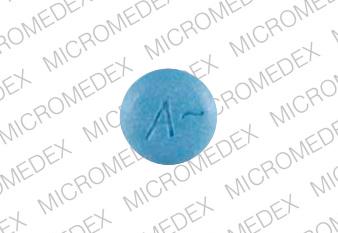
Ambien CR Side Effects
Generic name: zolpidem
Medically reviewed by Drugs.com. Last updated on Aug 16, 2023.
Note: This document contains side effect information about zolpidem. Some dosage forms listed on this page may not apply to the brand name Ambien CR.
Applies to zolpidem: oral capsule, oral tablet, oral tablet extended release. Other dosage forms:
Warning
Oral route (Capsule; Tablet; Tablet, Extended Release; Spray)
Warning: Complex Sleep BehaviorsComplex sleep behaviors including sleep-walking, sleep-driving, and engaging in other activities while not fully awake may occur following use of zolpidem tartrate. Some of these events may result in serious injuries, including death. Discontinue zolpidem tartrate immediately if a patient experiences a complex sleep behavior.
Serious side effects of Ambien CR
Along with its needed effects, zolpidem (the active ingredient contained in Ambien CR) may cause some unwanted effects. Although not all of these side effects may occur, if they do occur they may need medical attention.
Check with your doctor immediately if any of the following side effects occur while taking zolpidem:
Less common
- Chest pain
- confusion about identity, place, and time
- discouragement
- false or unusual sense of well-being
- fast, irregular, pounding, or racing heartbeat or pulse
- feeling sad or empty
- fever
- general feeling of discomfort or illness
- irritability
- lack of appetite
- lightheadedness
- loss of interest or pleasure
- shakiness and unsteady walk
- trouble concentrating
- trouble sleeping
- unsteadiness, trembling, or other problems with muscle control or coordination
- unusual tiredness or weakness
Rare
- Anxiety
- attack, assault, or force
- black, tarry stools
- bladder pain
- bloody or cloudy urine
- burning, crawling, itching, numbness, prickling, "pins and needles", or tingling feelings
- change in walking and balance
- chest tightness
- chills
- cold sweats
- cough
- crying
- decreased awareness or responsiveness
- deep or fast breathing with dizziness
- delusions of persecution, mistrust, suspiciousness, or combativeness
- difficult, burning, or painful urination
- difficulty with swallowing
- dizziness
- dizziness, faintness, or lightheadedness when getting up from lying or sitting position
- dry mouth
- fainting
- false beliefs that cannot be changed by facts
- feeling of unreality
- fever
- frequent urge to urinate
- hives, itching, or skin rash
- irregular heartbeat
- irritability
- lack of feeling or emotion
- light-colored stools
- lower back or side pain
- nausea
- numbness of the feet, hands, and around the mouth
- pale skin
- poor insight and judgment
- problems with memory or speech
- puffiness or swelling of the eyelids or around the eyes, face, lips, or tongue
- quick to react or overreact emotionally
- rapidly changing moods
- restlessness
- seeing, hearing, or feeling things that are not there
- sense of detachment from self or body
- severe sleepiness
- sore throat
- sores, ulcers, or white spots on the lips or in the mouth
- stomach pain
- swollen glands
- thoughts of killing oneself or changes in behavior
- trouble recognizing objects
- trouble thinking and planning
- trouble walking
- trouble breathing
- uncaring
- unease or dissatisfaction with life
- unusual bleeding or bruising
- vomiting
- yellow eyes or skin
Get emergency help immediately if any of the following symptoms of overdose occur while taking zolpidem:
Symptoms of overdose
- Change or loss of consciousness
- difficult or trouble breathing
- irregular, fast or slow, or shallow breathing
- pale or blue lips, fingernails, or skin
- sleepiness or unusual drowsiness
Other side effects of Ambien CR
Some side effects of zolpidem may occur that usually do not need medical attention. These side effects may go away during treatment as your body adjusts to the medicine. Also, your health care professional may be able to tell you about ways to prevent or reduce some of these side effects.
Check with your health care professional if any of the following side effects continue or are bothersome or if you have any questions about them:
More common
- Drowsiness
- headache
- muscle aches
- sleepiness or unusual drowsiness
- stuffy or runny nose
Less common
- Back pain
- being forgetful
- belching
- body aches or pain
- congestion
- diarrhea
- difficulty having a bowel movement
- difficulty with moving
- double vision
- feeling of constant movement of self or surroundings
- heartburn
- hoarseness
- indigestion
- longer or heavier menstrual periods
- loss of memory
- muscle pain or stiffness
- pain or tenderness around the eyes and cheekbones
- seeing double
- sensation of spinning
- stomach discomfort
- tender, swollen glands in the neck
- unusual drowsiness, dullness, tiredness, weakness, or feeling of sluggishness
- voice changes
Rare
- Bad, unusual, or unpleasant (after) taste
- blemishes on the skin
- blindness
- blurred vision
- breast pain
- change in near or distance vision
- change in taste
- changes in patterns and rhythms of speech
- decreased interest in sexual intercourse
- difficulty in focusing the eyes
- eye pain
- feeling of warmth
- frequent urge to defecate
- inability to have or keep an erection
- increased appetite
- increased sensitivity of the skin to sunlight
- increased sweating
- itching of the vagina or genital area
- lack or loss of strength
- loss in sexual ability, desire, drive, or performance
- pain during sexual intercourse
- paleness of the skin
- pimples
- redness of the face, neck, arms, and occasionally, upper chest
- redness or other discoloration of the skin
- severe sunburn
- slurred speech
- stomach upset
- straining while passing stool
- tearing
- thick, white vaginal discharge with no odor or with a mild odor
- weight loss
For Healthcare Professionals
Applies to zolpidem: oral capsule, oral spray, oral tablet, oral tablet extended release, sublingual tablet.
General
The most commonly reported side effects included dizziness, headache, and somnolence.[Ref]
Nervous system
Very common (10% or more): Dizziness (up to 23.5%), headache (up to 19%), somnolence (up to 15%)
Common (1% to 10%): Amnesia, amnestic effects, anterograde amnesia, ataxia, attention disturbance, balance disorder, burning sensation, cognitive disorders, daytime drowsiness, drowsiness, drugged feelings, hypoesthesia, involuntary muscle contractions, lethargy, lightheadedness, memory disorders, memory impairment, paresthesia, postural dizziness, tremor, vertigo
Uncommon (0.1% to 1%): Cerebrovascular disorder, decreased cognition, difficulty concentrating, dysarthria, migraine, sleeping (with daytime dosing), speech disorder, stupor, syncope, taste perversion
Rare (less than 0.1%): Abnormal gait, dementia, depressed level of consciousness, gait disturbance, hypokinesia, hypotonia, neuralgia, neuritis, neuropathy, paresis, parosmia, restless legs, sciatica
Frequency not reported: Central nervous system (CNS)-depressant effects, impaired concentration, next-day impairment, next day somnolence
Postmarketing reports: Dysgeusia, memory disturbances, reduced alertness[Ref]
Psychiatric
Common (1% to 10%): Abnormal dreams, agitation, anxiety, apathy, binge eating, confusion, depersonalization, depressed mood, depression, disinhibition, disorientation, euphoria, euphoric mood, exacerbated insomnia, hallucinations, inappropriate behavior, insomnia, major depression, mood swings, nervousness, nightmare, psychomotor retardation, restlessness, sleep disorder, stress symptoms
Uncommon (0.1% to 1%): Aggression, confusional state, detached, emotional lability, hypnagogic hallucinations, illusion, irritability, somnambulism, visual hallucinations
Rare (0.01% to 0.1%): Abnormal thinking, aggressive reaction, attempted suicide, decreased libido, delusion, hysteria, libido disorder, manic reaction, neurosis, panic attacks, personality disorder
Very rare (less than 0.01%): Dependence, withdrawal effects/symptoms
Frequency not reported: Abnormal behavior, abnormal thinking, aggravated depression, anger, behavior changes, complex behaviors, continuing depression, hallucinations not otherwise specified (NOS), psychosis
Postmarketing reports: Aggravated insomnia, other adverse behavioral effects, perceptual disturbances, rages[Ref]
Gastrointestinal
Common (1% to 10%): Abdominal discomfort, abdominal pain, abdominal pain upper, abdominal tenderness, constipation, diarrhea, dry mouth, dyspepsia, flatulence, gastroenteritis, frequent bowel movements, gastroesophageal reflux disease, nausea, vomiting
Uncommon (0.1% to 1%): Dysphagia
Rare (less than 0.1%): Altered saliva, enteritis, eructation, esophagospasm, gastritis, hemorrhoids, increased saliva, tenesmus, intestinal obstruction, rectal hemorrhage, tooth caries[Ref]
Other
Common (1% to 10%): Asthenia, chest discomfort, contusion, exposure to poisonous plant, fatigue, increased body temperature, labyrinthitis, neck injury, otitis externa, pyrexia, tinnitus
Uncommon (0.1% to 1%): Fall/falling, fever, malaise, trauma
Rare (0.01% to 0.1%): Feeling strange, face edema, increased tolerance, intoxicated feeling, otitis media, pain, rigors
Very rare (less than 0.01%): Rebound effect
Frequency not reported: Drug tolerance
Postmarketing reports: Drunk feeling[Ref]
Respiratory
Common (1% to 10%): Hiccup, lower respiratory infection, lower respiratory tract infection, nasopharyngitis, pharyngitis, rhinitis, sinusitis, throat irritation, upper respiratory infection, upper respiratory tract infection
Uncommon (0.1% to 1%): Bronchitis, coughing, dyspnea
Rare (less than 0.1%): Bronchospasm, epistaxis, hypoxia, laryngitis, pneumonia, pulmonary edema, pulmonary embolism, respiratory depression, yawning
Postmarketing reports: Cough, dry throat[Ref]
Ocular
Common (1% to 10%): Abnormal vision, altered visual depth perception, asthenopia, blurred vision, diplopia, eye redness, visual disturbance
Uncommon (0.1% to 1%): Eye irritation, eye pain, scleritis
Rare (0.01% to 0.1%): Abnormal accommodation, abnormal lacrimation, conjunctivitis, corneal ulceration, glaucoma, periorbital edema, photopsia
Very rare (less than 0.01%): Visual impairment[Ref]
Musculoskeletal
Common (1% to 10%): Arthralgia, back pain, muscle cramp, myalgia, neck pain
Uncommon (0.1% to 1%): Arthritis, leg cramps, muscle spasms, muscle/muscular weakness
Rare (less than 0.1%): Arthrosis, tendinitis[Ref]
Genitourinary
Common (1% to 10%): Dysuria, menorrhagia, urinary tract infection, vulvovaginal dryness
Uncommon (0.1% to 1%): Cystitis, menstrual disorder, urinary incontinence, vaginitis
Rare (less than 0.1%): Breast pain, impotence, micturition frequency, nocturia, polyuria, urinary retention
Postmarketing reports: Dysmenorrhea[Ref]
Dermatologic
Common (1% to 10%): Rash, skin wrinkling, urticaria
Uncommon (0.1% to 1%): Hyperhidrosis, increased sweating, pruritus
Rare (less than 0.1%): Acne, bullous eruption, dermatitis, furunculosis, photosensitivity reaction, purpura
Frequency not reported: Angioneurotic edema
Postmarketing reports: Contact dermatitis[Ref]
Immunologic
Common (1% to 10%): Infection, influenza, influenza-like symptoms
Rare (less than 0.1%): Abscess, herpes simplex, herpes zoster[Ref]
Cardiovascular
Common (1% to 10%): Increased blood pressure, palpitations
Uncommon (0.1% to 1%): Chest pain, edema, hypertension, pallor, postural hypotension, tachycardia
Rare (less than 0.1%): Aggravated hypertension, angina pectoris, arrhythmia, arteritis, circulatory failure, extrasystoles, flushing, hot flashes, hypotension, myocardial infarction, phlebitis, thrombosis, varicose veins, ventricular tachycardia
Postmarketing reports: Increased heart rate[Ref]
Metabolic
Common (1% to 10%): Anorexia, appetite disorder
Uncommon (0.1% to 1%): Hyperglycemia, thirst
Rare (less than 0.1%): Decreased weight, gout, hypercholesteremia, hyperlipidemia, increased appetite, tetany[Ref]
Hypersensitivity
Common (1% to 10%): Allergy
Rare (less than 0.1%): Aggravated allergy, allergic reaction, anaphylactic shock
Frequency not reported: Angioedema, anaphylaxis, serious anaphylactic reactions, serious anaphylactoid reactions[Ref]
Hepatic
Uncommon (0.1% to 1%): Abnormal hepatic function, elevated liver enzymes, increased ALT
Rare (less than 0.1%): Bilirubinemia, cholestatic liver injury, hepatocellular liver injury, increased alkaline phosphatase, increased AST, mixed liver injury
Postmarketing reports: Acute hepatocellular, cholestatic, or mixed liver injury with or without jaundice[Ref]
Hematologic
Rare (less than 0.1%): Anemia, hyperhemoglobinemia, increased erythrocyte sedimentation rate (ESR), leukopenia, lymphadenopathy, macrocytic anemia[Ref]
Renal
Rare (less than 0.1%): Acute renal failure, renal pain[Ref]
Oncologic
Rare (less than 0.1%): Breast fibroadenosis, breast neoplasm[Ref]
Local
Tongue paresthesia and sublingual erythema occurred in patients given sublingual tablet formulations.[Ref]
Rare (less than 0.1%): Injection-site inflammation
Frequency not reported: Transient paresthesia of the tongue, transient sublingual erythema[Ref]
Frequently asked questions
- Quviviq vs. Ambien: How do they compare?
- Is Ambien addictive?
- Why am I unable to sleep after taking Ambien?
- Ambien: What are 11 Things You Need to Know?
- Is Ambien safe for long-term use?
- Is Ambien a benzo?
- Is “Ambien-Tweeting” a Thing?
More about Ambien CR (zolpidem)
- Check interactions
- Compare alternatives
- Pricing & coupons
- Reviews (105)
- Drug images
- Dosage information
- During pregnancy
- Generic availability
- Drug class: miscellaneous anxiolytics, sedatives and hypnotics
- Breastfeeding
- En español
Patient resources
Other brands
Professional resources
Other brands
Other formulations
Related treatment guides
References
1. Product Information. Ambien (zolpidem). sanofi-aventis. 2001;PROD.
2. Product Information. Ambien CR (zolpidem). Sanofi-Synthelabo Inc. 2005.
3. Cerner Multum, Inc. UK Summary of Product Characteristics.
4. Cerner Multum, Inc. Australian Product Information.
5. Product Information. Edluar (zolpidem). Meda Pharmaceuticals. 2009.
6. Product Information. Intermezzo (zolpidem). Purdue Pharma LP. 2011.
7. Product Information. Zolpimist (zolpidem). Magna Pharmaceuticals Inc. 2017.
Further information
Always consult your healthcare provider to ensure the information displayed on this page applies to your personal circumstances.
Some side effects may not be reported. You may report them to the FDA.