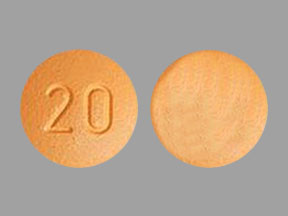
Vardenafil (Monograph)
Brand name: Levitra
Drug class: Phosphodiesterase Type 5 Inhibitors
Chemical name: 1-[[3-(3,4-Dihydro-5-methyl-4-oxo-7-propylimidazo[5,1-f]-as-triazin-2-yl)-4-ethoxyphenyl]sulfonyl]-4-ethylpiperazine
Molecular formula: C23H32N6O4S
CAS number: 224785-90-4
Introduction
Vasodilating agent; a selective phosphodiesterase (PDE) inhibitor.
Uses for Vardenafil
Erectile Dysfunction (ED)
To facilitate attainment of a sexually functional erection in men with ED (impotence).
Some experts recommend a selective PDE type 5 inhibitor as first-line therapy for ED unless contraindicated. Evidence currently insufficient to support superiority of one selective PDE type 5 inhibitor over another.
Effective for ED only in the presence of adequate sexual stimulation.
Vardenafil Dosage and Administration
Administration
Oral Administration
Administer orally, no more than once daily, without regard to meals.
Administer approximately 1 hour before anticipated sexual activity.
Dosage
Available as vardenafil hydrochloride; dosage expressed in terms of vardenafil.
Adults
ED
Oral
Initially, 10 mg. Depending on effectiveness and tolerance, increase dosage to a maximum of 20 mg or decrease to 5 mg. Administer no more frequently than once daily.
Prescribing Limits
Adults
ED
Oral
Maximum 20 mg daily.
Special Populations
Hepatic Impairment
Oral
In patients with moderate hepatic impairment (Child-Pugh class B), decrease initial dosage to 5 mg; maximum dosage is 10 mg once daily.
Do not use in patients with severe hepatic impairment (Child-Pugh class C).
Renal Impairment
Oral
Dosage adjustments not required in patients with Clcr of 30–80 mL/minute.
Do not use in patients requiring renal dialysis.
Geriatric Patients
Oral
Reduce initial dose to 5 mg given no more frequently than once daily in men ≥65 years of age.
Patients Receiving Concomitant Potent or Moderate CYP3A4 Inhibitors
Oral
Reduction in initial vardenafil dose required when given concomitantly with certain drugs that are potent or moderate CYP3A4 inhibitors. (See Specific Drugs or Foods under Interactions.)
Patients Receiving Concomitant α-Adrenergic Blocking Agents
Oral
In patients on stable α-adrenergic blocker therapy, initiate vardenafil at lowest recommended starting dose. Consider a time interval between dosing of vardenafil and concomitant α-adrenergic blocker. (See Specific Drugs or Foods under Interactions.)
Cautions for Vardenafil
Contraindications
-
Concomitant use of nitrates (either regularly or intermittently) or nitric oxide donors. (See Cardiovascular Effects under Cautions.)
-
Concomitant use of guanylate cyclase stimulators (e.g., riociguat).
Warnings/Precautions
Sensitivity Reactions
Allergic reactions, including allergic edema and angioedema, reported.
Patient Assessment
Thorough medical history and physical examination recommended to diagnose ED, determine potential underlying causes, and identify appropriate treatment.
Review of the patient’s current drug regimens recommended to detect possible drug-induced ED.
Cardiovascular Effects
Serious, potentially fatal cardiovascular events reported rarely.
Potentiation of hypotensive effect with organic nitrates or nitric oxide donors (see Specific Drugs or Foods under Interactions) may result in life-threatening hypotension and/or hemodynamic compromise; concomitant use of such drugs with vardenafil contraindicated. (See Contraindications under Cautions.)
Sexual activity associated with a degree of cardiac risk; risk greater in men with pre-existing cardiovascular disease. Assess cardiovascular status of patient before initiating vardenafil therapy. Therapy for ED not recommended for men in whom sexual activity is inadvisable because of their underlying cardiovascular status.
Safety and efficacy not established and use not recommended pending additional information in patients with unstable angina; hypotension (resting SBP <90 mm Hg) or uncontrolled hypertension (>170/110 mm Hg SBP/DBP); recent (within 6 months) stroke, life-threatening arrhythmia, or MI; or severe heart failure.
Possible hypotension; consider whether patients with underlying cardiovascular disease could be affected adversely by vardenafil’s vasodilatory activity. Risk of an undesired hypotensive or vasodilatory response is of particular concern in patients with left-ventricular outflow obstruction (e.g., aortic stenosis, idiopathic hypertrophic subaortic stenosis).
May prolong QT interval; consider such potential effects when prescribing vardenafil to patients with known history of QT prolongation or in those taking drugs known to prolong the QT interval. Avoid use of vardenafil in patients with congenital prolongation of the QT interval and in those receiving class IA or class III antiarrhythmic agents. (See Specific Drugs or Foods under Interactions.)
Concomitant Use with Potent or Moderate CYP3A4 Inhibitors
Increased plasma vardenafil concentrations with concomitant administration of potent (e.g., ritonavir, indinavir, ketoconazole) or moderate (e.g., erythromycin) CYP3A4 inhibitors; vardenafil dosage reduction recommended. (See Specific Drugs or Foods under Interactions.)
Data on specific interactions lacking, but increased exposure to vardenafil likely with other concomitant CYP3A4 inhibitors, including grapefruit juice.
Safety of long-term concomitant use of vardenafil and HIV protease inhibitors not established.
Priapism
Possible prolonged erections (>4 hours in duration) and priapism (painful erection >6 hours).
May result in penile tissue damage and permanent loss of potency if priapism is not treated immediately. Use with caution in patients with conditions predisposing to priapism (e.g., sickle cell anemia, multiple myeloma, leukemia) and in patients with anatomical deformation of the penis (e.g., angulation, cavernosal fibrosis, Peyronie’s disease).
Ocular Effects
Nonarteritic anterior ischemic optic neuropathy (NAION) reported rarely during postmarketing experience in temporal association with use of all PDE type 5 inhibitors. Potential increased risk of NAION recurrence in patients who have already experienced NAION. Use with caution in such patients and only if anticipated benefits outweigh risks. If sudden vision loss or decreased vision occurs, discontinue vardenafil and contact clinician immediately.
Visual disturbances (e.g., abnormal, dim, or blurred vision; changes in color vision [e.g., chromatopsia]) reported.
Not studied in patients with hereditary degenerative retinal disorders, including those with retinitis pigmentosa. Use not recommended in such patients until further information available.
Otic Effects
Risk of sudden decrease or loss of hearing with all PDE type 5 inhibitors, in some cases accompanied by vestibular toxicity (e.g., tinnitus, vertigo, dizziness). Such effects reported rarely in clinical trials and during postmarketing experience. A causal relationship not established; however, a strong temporal association observed.
Discontinue drug and contact clinician immediately if sudden decrease or loss of hearing occurs.
Concomitant Administration with α-Adrenergic Blocking Agents
Use with caution in patients receiving α-adrenergic blocking agents; possible potentiation of hypotensive effects due to additive vasodilatory action. In some cases, dose adjustments are necessary; in other cases, concomitant administration not recommended. (See Specific Drugs or Foods under Interactions.) Safety of concomitant therapy also may be affected by intravascular volume depletion and use of other antihypertensive agents.
Concomitant Use with Other PDE Type 5 Inhibitors or ED Therapies
Safety and efficacy of combined use with other PDE type 5 inhibitors or other treatments for ED not established; do not use vardenafil concomitantly with other PDE type 5 inhibitors.
Hematologic Effects
No prolongation of bleeding time with vardenafil dosages ≤20 mg.
However, data lacking on use in patients with bleeding disorders or active peptic ulcers; therefore, careful risk/benefit assessment is necessary before use in such patients.
Specific Populations
Pregnancy
Category B. Not indicated for use in women.
Lactation
Not indicated for use in women.
Pediatric Use
Not indicated for use in pediatric patients; clinical trials not conducted in these patients.
Geriatric Use
Safety and efficacy in males ≥65 years of age similar to that in younger males. Increased plasma vardenafil concentrations in men ≥65 years of age compared to that in younger males; therefore consider lower initial dosage. (See Geriatric Patients under Dosage and Administration.)
Hepatic Impairment
Decreased clearance in patients with mild (Child-Pugh class A) or moderate (Child-Pugh class B) hepatic impairment. (See Hepatic Impairment under Dosage and Administration.) Do not use in patients with severe hepatic impairment (Child-Pugh class C).
Renal Impairment
Clearance decreased in patients with Clcr 30–80 mL/minute. (See Renal Impairment under Dosage and Administration.) Do not use in patients with end-stage renal disease requiring dialysis.
Common Adverse Effects
Headache, flushing, rhinitis, dyspepsia, sinusitis, flu syndrome, dizziness, increased creatinine kinase, nausea, back pain.
Drug Interactions
Metabolized principally by CYP3A4; CYP2C and CYP3A5 appear to play a minor role.
Drugs Affecting Hepatic Microsomal Enzymes
Inhibitors of CYP3A4: Potential pharmacokinetic interaction (increased plasma vardenafil concentrations).
Specific Drugs or Foods
|
Drug |
Interaction |
Comments |
|---|---|---|
|
α-Adrenergic blocking agents (e.g., alfuzosin, tamsulosin, terazosin) |
Possible symptomatic hypotension |
In patients on stable α-adrenergic blocker therapy, initiate vardenafil at lowest recommended starting dose In patients on optimized dose of vardenafil, initiate α-adrenergic blocker at lowest dose |
|
Alcohol |
No potentiation of hypotensive effect reported |
|
|
Antacids (aluminum hydroxide and magnesium hydroxide) |
Pharmacokinetic interaction unlikely |
|
|
Antiarrhythmic agents, class 1A (e.g., procainamide, quinidine) or class III (e.g., amiodarone, sotalol) |
Possible prolongation of the QTc interval |
Avoid concomitant use |
|
Antihypertensive agents |
Possible additive hypotensive effects |
|
|
Antiretroviral agents, HIV protease inhibitors |
Possible increased vardenafil concentrations and increased risk of vardenafil-associated adverse effects (e.g., hypotension, visual changes, prolonged erection) Decreased indinavir and ritonavir concentrations |
Ritonavir or lopinavir: Do not exceed a single vardenafil dose of 2.5 mg in 72 hours; no change in ritonavir dosage needed Ritonavir in combination with indinavir, atazanavir, saquinavir, fosamprenavir, or nelfinavir: Do not exceed a vardenafil dosage of 2.5 mg in 72 hours Nelfinavir, indinavir, amprenavir, saquinavir, fosamprenavir, or atazanavir: Use initial vardenafil dosage of 2.5 mg and do not exceed a single dose of 2.5 mg in 24 hours Monitor closely |
|
Antiretroviral agents, nonnucleoside reverse transcriptase inhibitors |
Possible increased vardenafil concentrations and increased risk of vardenafil-associated adverse effects (e.g., hypotension, visual changes, prolonged erection) |
Delavirdine: Use initial vardenafil dosage of 2.5 mg; do not exceed 2.5 mg once in 24 hours |
|
Aspirin |
No increase in bleeding time reported |
|
|
Cimetidine |
Pharmacokinetic interaction unlikely |
|
|
Digoxin |
Pharmacokinetic interaction unlikely |
|
|
Erythromycin |
Increased AUC and peak plasma concentrations of vardenafil |
Reduce initial vardenafil dosage to 5 mg in patients receiving erythromycin; do not exceed 5 mg of vardenafil once in 24 hours |
|
Glyburide |
Pharmacokinetic interaction unlikely |
|
|
Grapefruit juice |
Potential increase in vardenafil exposure |
|
|
Guanylate cyclase stimulators (e.g., riociguat) |
PDE type 5 inhibitors may potentiate hypotensive effects of guanylate cyclase stimulators |
Concomitant use contraindicated |
|
Inhaled nitrites (e.g., amyl or butyl nitrite) |
Potentiation of hypotensive effect |
Concomitant use contraindicated |
|
Itraconazole |
Possible increased vardenafil concentrations |
Reduce initial vardenafil dosage to 2.5 mg in patients receiving itraconazole 400 mg daily; do not exceed 2.5 mg of vardenafil once in 24 hours Reduce initial vardenafil dosage to 5 mg in patients receiving itraconazole 200 mg daily; do not exceed 5 mg of vardenafil once in 24 hours |
|
Ketoconazole |
Increased vardenafil concentrations |
Reduce initial vardenafil dosage to 2.5 mg in patients in patients receiving ketoconazole 400 mg daily; do not exceed 2.5 mg of vardenafil once in 24 hours Reduce initial vardenafil dosage to 5 mg in patients receiving ketoconazole 200 mg daily; do not exceed 5 mg of vardenafil once in 24 hours |
|
Nifedipine |
Possible additive hypotensive effect |
|
|
Nitrates and nitric acid donors |
Potentiation of vasodilatory effects; potentially life-threatening hypotension and/or hemodynamic compromise can result |
Concomitant use contraindicated |
|
Ranitidine |
Pharmacokinetic interaction unlikely |
|
|
Warfarin |
Pharmacokinetic and pharmacodynamic interaction unlikely |
Vardenafil Pharmacokinetics
Absorption
Bioavailability
Rapidly absorbed following oral administration; peak concentrations usually attained within 0.5–2 hours.
Absolute bioavailability is approximately 15%.
Food
Administration with a high-fat meal reduces the peak plasma concentrations by 18–50%.
Distribution
Extent
Extensively distributed into tissues.
Plasma Protein Binding
Approximately 95% for the drug and major metabolite.
Elimination
Metabolism
Metabolized in the liver to active metabolite(s) principally via CYP3A4, with minor contributions from CYP3A5 and CYP2C.
Elimination Route
Excreted as metabolites principally in the feces (91–95%) and to a lesser extent in urine (2–6%).
Half-life
Terminal half-life 4–5 hours for drug and major metabolite.
Special Populations
Clearance reduced in men ≥65 years of age, resulting in an increase in AUC and peak plasma concentrations compared with younger males.
Clearance reduced in patients with moderate (Clcr of 30–50 mL/minute) or severe (Clcr <30 ml/minute) renal impairment, resulting in an increase in AUC compared with patients with normal renal function.
Clearance reduced in patients with mild (Child-Pugh class A) or moderate (Child-Pugh class B) hepatic impairment, resulting in an increase in AUC and peak plasma concentrations compared with healthy adults.
Stability
Storage
Oral
Tablets
25°C (may be exposed to 15–30°C).
Actions
-
Selective inhibitor of phosphodiesterases (PDEs) with the greatest selectivity for PDE type 5, the principal isoenzyme involved in the metabolism of cGMP to GMP in the corpora cavernosa of the penis.
-
Enhances the effect of nitric oxide by inhibiting PDE type 5-mediated hydrolysis of cGMP.
-
Potentiates accumulation of cGMP only when cGMP production in the penis is increased by sexual arousal. No effect on erectile function in the absence of sexual stimulation.
-
Modest peripheral vasodilation accompanied by a small increase in heart rate at usual dosages.
-
Single oral doses of vardenafil 20 mg had no effect on sperm motility or morphology in healthy individuals.
-
Although less affinity than sildenafil for PDE type 6 receptor in the retina, some transient visual abnormalities observed.
Advice to Patients
-
Importance of instructing patients to read patient information prior to initiation of therapy and each time prescription is refilled.
-
Importance of taking the drug exactly as prescribed and not exceeding recommended doses or frequency of use.
-
Importance of sexual stimulation for the achievement of an erection with vardenafil therapy.
-
Importance of informing clinician of any history of heart problems (e.g., angina, heart failure, arrhythmia, MI) prior to taking vardenafil; importance of not using vardenafil if underlying cardiovascular disease precludes sexual activity.
-
Importance of informing clinician about presence of low or uncontrolled high BP, pulmonary hypertension, liver problems, kidney problems requiring dialysis, retinitis pigmentosa or history of severe vision loss, stomach ulcers, bleeding problems, deformed penis shape (e.g., Peyronie's disease), blood diseases (e.g., sickle cell anemia, multiple myeloma, leukemia), hearing problems, or a history of priapism, stroke, seizure, or QT-interval prolongation (long QT syndrome) prior to taking vardenafil.
-
Importance of avoiding use of vardenafil if concurrently taking (regularly or intermittently) any form of organic nitrate and nitrite (e.g., nitroglycerin, isosorbide dinitrate) or nitric oxide donors (e.g., sodium nitroprusside), including recreational use of inhaled nitrites (“poppers”) such as amyl nitrate or butyl nitrate, because of the potential for sudden hypotension and associated dizziness, syncope, or even MI or stroke. (See Contraindications under Cautions.)
-
Importance of avoiding use of vardenafil if concurrently taking riociguat, a guanylate cyclase stimulator, because of the risk of potentiation of hypotensive effects. (See Contraindications under Cautions.)
-
Potential for sudden vision loss or decreased vision (i.e., nonarteritic ischemic optic neuropathy [NAION]). If NAION has occurred previously, possible increased risk of NAION recurrence. Importance of discontinuing vardenafil or other PDE type 5 inhibitors and seeking immediate medical attention if sudden vision loss or decreased vision occurs in one or both eyes. Possibility of visual disturbances (e.g., bluish tinge to objects, difficulty distinguishing between blue and green).
-
Risk of sudden hearing impairment; advise patients to discontinue vardenafil and other PDE type 5 inhibitors and seek immediate medical attention if sudden hearing loss or decreased hearing occurs.
-
Importance of informing patients of potential for interactions with concurrent potent or moderate inhibitors of CYP3A4 (e.g., ritonavir, ketoconazole, itraconazole, erythromycin). (See Specific Drugs or Foods under Interactions.)
-
Importance of contacting clinician or the emergency department if recommended dosage is exceeded.
-
Importance of promptly informing clinician of adverse effects (e.g., hypotension, visual changes, syncope, priapism) that may occur during concomitant antiretroviral (e.g., ritonavir) therapy.
-
Risk of symptomatic hypotension (e.g., dizziness, fainting) with concurrent use of α-adrenergic blocking agents or other antihypertensive agents; advise patient about appropriate countermeasures. (See Concomitant Administration with α-Adrenergic Blocking Agents under Cautions.)
-
Importance of not using other ED therapies during vardenafil therapy.
-
Importance of seeking immediate medical attention if an erection persists longer than 4 hours or is painful.
-
Advise patient of potential for transmission of sexually transmitted diseases (e.g., HIV) and the need to use protective measures to guard against transmission of such diseases.
-
Importance of contacting a clinician for assessment of therapeutic benefit, the need for possible dosage adjustment, and potential adverse effects.
-
Importance of informing clinician of existing or contemplated concomitant therapy, including prescription and OTC drugs, as well as any concomitant illnesses.
-
Importance of informing patients of other important precautionary information. (See Cautions.)
Preparations
Excipients in commercially available drug preparations may have clinically important effects in some individuals; consult specific product labeling for details.
Please refer to the ASHP Drug Shortages Resource Center for information on shortages of one or more of these preparations.
|
Routes |
Dosage Forms |
Strengths |
Brand Names |
Manufacturer |
|---|---|---|---|---|
|
Oral |
Tablets, film-coated |
2.5 mg (of vardenafil) |
Levitra |
GlaxoSmithKline |
|
5 mg (of vardenafil) |
Levitra |
GlaxoSmithKline |
||
|
10 mg (of vardenafil) |
Levitra |
GlaxoSmithKline |
||
|
20 mg (of vardenafil) |
Levitra |
GlaxoSmithKline |
AHFS DI Essentials™. © Copyright 2025, Selected Revisions April 10, 2024. American Society of Health-System Pharmacists, Inc., 4500 East-West Highway, Suite 900, Bethesda, Maryland 20814.
Reload page with references included
Related/similar drugs
More about vardenafil
- Check interactions
- Compare alternatives
- Pricing & coupons
- Reviews (171)
- Drug images
- Side effects
- Dosage information
- During pregnancy
- Drug class: impotence agents
- Breastfeeding
- En español