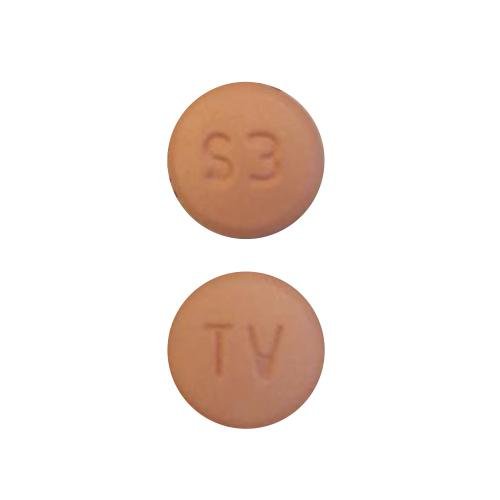
SORAfenib (Monograph)
Brand name: NexAVAR
Drug class: Antineoplastic Agents
- Kinase Inhibitors
- Receptor Tyrosine Kinase Inhibitors
- Tyrosine Kinase Inhibitors
VA class: AN900
Chemical name: 4-(4-{3-[4-Chloro-3-(trifluoromethyl)phenyl]ureido}phenoxy)-N2-methylpyridine-2-carboxamide
Molecular formula: C21H16ClF3N4O3
CAS number: 284461-73-0
Introduction
Antineoplastic agent; inhibitor of several serine/threonine and receptor tyrosine kinases.
Uses for SORAfenib
Hepatocellular Carcinoma
Treatment of unresectable hepatocellular carcinoma (designated an orphan drug by FDA for this use).
American Society of Clinical Oncology (ASCO) guideline states that lenvatinib or sorafenib may be offered as first-line therapy for patients with advanced hepatocellular carcinoma, Child-Pugh class A, and an ECOG performance status of 0 or 1 if therapy with atezolizumab and/or bevacizumab is contraindicated. ASCO also states that tyrosine kinase inhibitors (i.e., cabozantinib, lenvatinib, regorafenib, sorafenib) may be used as second-line therapy† [off-label] following therapy with atezolizumab in combination with bevacizumab.
Base decision to pursue second-line therapy and choice of treatment on patient and clinician preferences and other factors (i.e., comorbidities, liver function, performance status, and potential for benefit and risk of harm).
Renal Cell Carcinoma
Treatment of advanced renal cell carcinoma (designated an orphan drug by FDA for this use).
Combination regimens (e.g., immune checkpoint inhibitor in combination with a tyrosine kinase inhibitor) have generally become a standard for the treatment of advanced renal cell carcinoma.
Some experts also state that subsequent monotherapy with a tyrosine kinase inhibitor (e.g., sunitinib, pazopanib) may be offered to patients who experience a treatment-limiting immune-mediated adverse effect following combination therapy with an immune checkpoint inhibitor or as a second-line option following disease progression during immune checkpoint inhibitor-based therapy.
Differentiated Thyroid Carcinoma
Treatment of locally recurrent or metastatic, progressive, differentiated thyroid carcinoma refractory to radioactive iodine treatment (designated an orphan drug by FDA for the treatment of medullary, anaplastic, and recurrent or metastatic follicular or papillary thyroid cancer).
Other Uses
Has been studied in patients with acute myeloid leukemia (AML) harboring fms-like tyrosine kinase 3 (FLT3) internal tandem duplication (ITD) mutations who have undergone allogeneic hematopoietic stem cell transplant (HSCT)† [off-label], advanced or metastatic GI stromal tumor† [off-label], and recurrent or metastatic angiosarcoma† [off-label].
SORAfenib Dosage and Administration
General
Pretreatment Screening
-
Verify pregnancy status in females of reproductive potential.
Patient Monitoring
-
Monitor electrolytes and ECG in patients with congestive heart failure or bradyarrhythmias and in those receiving concomitant therapy with drugs known to prolong the QT interval (e.g., class Ia and III antiarrhythmics); correct electrolyte abnormalities (magnesium, potassium, calcium).
-
Monitor BP weekly during the first 6 weeks of therapy and periodically thereafter.
-
Monitor liver function tests regularly.
-
In patients with differentiated thyroid carcinoma, monitor TSH levels monthly and adjust thyroid replacement therapy as needed.
Other General Considerations
-
Withhold therapy for at least 10 days prior to elective surgery. Do not administer for ≥2 weeks following major surgery and until adequate wound healing has occurred.
-
If sorafenib is used in patients receiving a coumarin-derivative anticoagulant (e.g., warfarin), monitor international normalized ratio (INR) more frequently.
-
Due to the potential risk of bleeding, treat tracheal, bronchial, and esophageal infiltration with local therapy prior to initiating sorafenib in patients with differentiated thyroid carcinoma.
Administration
Oral Administration
Administer ≥1 hour before or 2 hours after a meal, since administration with a high-fat meal may decrease oral bioavailability.
If a dose is missed, skip the missed dose and take the next dose at the regularly scheduled time.
Dosage
Available as sorafenib tosylate; dosage expressed in terms of sorafenib.
Adults
Hepatocellular Carcinoma
Oral
400 mg twice daily.
Continue therapy for as long as the patient derives clinical benefit from the drug or until unacceptable toxicity occurs.
Renal Cell Carcinoma
Oral
400 mg twice daily.
Continue therapy for as long as the patient derives clinical benefit from the drug or until unacceptable toxicity occurs.
Differentiated Thyroid Carcinoma
Oral
400 mg twice daily.
Continue therapy for as long as the patient derives clinical benefit from the drug or until unacceptable toxicity occurs.
Dosage Modification for Toxicity
If dosage modification is required, the dosage of sorafenib should be reduced as described in Table 1 in patients with hepatocellular carcinoma, renal cell carcinoma, or differentiated thyroid carcinoma.
|
Dosage Reduction Level |
Hepatocellular Carcinoma (Starting Dosage = 400 mg twice daily) |
Renal Cell Carcinoma (Starting Dosage = 400 mg twice daily) |
Differentiated Thyroid Carcinoma (Starting Dosage = 400 mg twice daily) |
|---|---|---|---|
|
First |
Restart at 400 mg once daily |
Restart at 400 mg once daily |
Restart at 400 mg in the morning and 200 mg in the evening (approximately 12 hours apart) |
|
or |
|||
|
200 mg in the morning and 400 mg in the evening (approximately 12 hours apart) |
|||
|
Second |
Restart at 200 mg once daily |
Restart at 200 mg once daily |
Restart at 200 mg twice daily |
|
or |
or |
||
|
400 mg every other day |
400 mg every other day |
||
|
Third |
Discontinue drug |
Discontinue drug |
Restart at 200 mg once daily |
Temporary interruption of therapy, dosage reduction, and/or permanent discontinuance of sorafenib may be necessary in patients experiencing certain adverse effects (see Table 2) or cutaneous toxicity (see Table 3).
In addition, any grade increased alkaline phosphatase in the absence of known bone pathology and grade 2 or worse increased bilirubin; any one of the following: INR of ≥1.5, ascites and/or encephalopathy in the absence of underlying cirrhosis or other organ failure considered to be due to drug-induced liver injury.
|
Adverse Reaction and Severity |
Modification |
|---|---|
|
Cardiac ischemia and/or infarction |
|
|
Grade 2 or higher |
Permanently discontinue therapy |
|
Congestive heart failure |
|
|
Grade 3 |
Interrupt therapy; when toxicity resolves or improves to grade 1 or less, resume at dosage reduced by one dose level; however, if recovery does not occur within 30 days of withholding therapy, discontinue sorafenib (unless the patient is deriving clinical benefit). Discontinue therapy if more than 2 dosage reductions are necessary |
|
Grade 4 |
Permanently discontinue therapy |
|
Hemorrhage |
|
|
Grade 2 or higher requiring medical intervention |
Permanently discontinue therapy |
|
Hypertension |
|
|
Grade 2 (symptomatic/persistent) |
Interrupt therapy; when diastolic BP resolves or improves to <90 mm Hg, resume at dosage reduced by one dose level; if necessary, reduce dosage by another dose level. Discontinue therapy if more than 2 dosage reductions are necessary |
|
Grade 2 symptomatic increase in diastolic BP by >20 mm Hg or BP >140/90 mm Hg if previously normal |
Interrupt therapy; when diastolic BP resolves or improves to <90 mm Hg, resume at dosage reduced by one dose level; if necessary, reduce dosage by another dose level. Discontinue therapy if more than 2 dosage reductions are necessary |
|
Grade 3 |
Interrupt therapy; when diastolic BP resolves or improves to <90 mm Hg, resume at dosage reduced by one dose level; if necessary, reduce dosage by another dose level. Discontinue therapy if more than 2 dosage reductions are necessary |
|
Grade 4 |
Permanently discontinue therapy |
|
GI Perforation |
|
|
Any grade |
Permanently discontinue therapy |
|
QT Prolongation |
|
|
>500 msec or ≥60 msec increase from baseline |
Interrupt therapy and correct electrolyte abnormalities (e.g., magnesium, potassium, calcium); resume therapy if appropriate |
|
Hepatotoxicity |
|
|
Grade 3 or higher ALT concentrations in absence of other etiology |
Permanently discontinue therapy |
|
AST/ALT concentrations >3 times the ULN with bilirubin concentrations >2 times the ULN in absence of other etiology |
Permanently discontinue therapy |
|
Other Adverse Effects |
|
|
Grade 2 |
Continue therapy at dosage reduced by one dose level |
|
Grade 3 |
1st occurrence: Interrupt therapy; if toxicity resolves to grade 2 or less within 7 days, resume at dosage reduced by one dose level; if toxicity does not improve to grade 2 or less within 7 days, resume at dosage reduced by two dose levels 2nd or 3rd occurrence: Interrupt therapy; when toxicity resolves to grade 2 or less, resume at dosage reduced by two dose levels 4th occurrence: Interrupt therapy; when toxicity resolves to grade 2 or less, resume at dosage reduced by two dose levels in patients with hepatocellular carcinoma or renal cell carcinoma and by 3 dose levels in patients with differentiated thyroid carcinoma |
|
Grade 4 |
Permanently discontinue therapy |
|
Cutaneous Toxicity Grade |
Occurrence |
Recommended Dosage Modification in Patients with Hepatocellular Carcinoma or Renal Cell Carcinoma |
Recommended Dosage Modification in Patients with Differentiated Thyroid Carcinoma |
|---|---|---|---|
|
Grade 2: Painful erythema and swelling of the hands or feet and/or discomfort affecting the patient’s normal activities |
1st occurrence |
Continue sorafenib therapy and consider topical therapy for symptomatic relief |
Decrease sorafenib dosage to 600 mg daily |
|
No improvement within 7 days at reduced dosage or 2nd or 3rd occurrence |
Interrupt therapy until toxicity resolves to grade 0 or 1 When resuming therapy, reduce sorafenib dosage by one dose level |
Interrupt therapy until toxicity completely resolves or improves to grade 1 When resuming therapy, reduce sorafenib dosage by one dose level for 2nd occurrence and by 2 dose levels for 3rd occurrence |
|
|
4th occurrence |
Discontinue therapy |
Discontinue therapy |
|
|
Grade 3: Moist desquamation, ulceration, blistering or severe pain of the hands or feet, or severe discomfort that causes the patient to be unable to work or perform activities of daily living |
1st occurrence |
Interrupt therapy until toxicity resolves to grade 0 or 1 When resuming therapy, reduce sorafenib dosage by one dose level (e.g., to 400 mg once daily or 400 mg every other day) |
Interrupt therapy until toxicity completely resolves or improves to grade 1 When resuming therapy, reduce sorafenib dosage by one dose level |
|
2nd occurrence |
Interrupt therapy until toxicity resolves to grade 0 or 1 When resuming therapy, reduce sorafenib dosage by one dose level (e.g., to 400 mg once daily or 400 mg every other day) |
Interrupt therapy until toxicity completely resolves or improves to grade 1 When resuming therapy, reduce sorafenib dosage by 2 dose levels |
|
|
3rd occurrence |
Discontinue therapy |
Discontinue therapy |
Following improvement of grade 2 or 3 cutaneous toxicity to grade 0 or 1 for at least 28 days or a reduced sorafenib dosage, the dosage may be increased one dose level from the reduced dosage. Approximately 50% of patients requiring a dosage reduction for cutaneous toxicity are expected to meet the criteria for resumption of the higher dosage and about 50% of patients resuming the previous dosage are expected to tolerate the higher dosage without recurrent grade 2 or higher cutaneous toxicity.
Special Populations
Hepatic Impairment
No dosage adjustment required in patients with mild or moderate (Child-Pugh class A or B) hepatic impairment. Pharmacokinetics not studied in patients with severe (Child-Pugh class C) hepatic impairment.
Renal Impairment
No dosage adjustment required in patients with mild to severe renal impairment who are not receiving dialysis. Not studied in patients with renal impairment requiring dialysis.
Geriatric Patients
No specific dosage recommendations.
Cautions for SORAfenib
Contraindications
-
Known severe hypersensitivity to sorafenib or any ingredient in the formulation.
-
In combination with carboplatin and paclitaxel in patients with squamous cell lung cancer.
Warnings/Precautions
Hypertension
Hypertension reported, usually mild to moderate in severity and occurring early in the course of treatment; generally managed with standard antihypertensive therapy.
Monitor BP weekly during the first 6 weeks of therapy and periodically thereafter; treat hypertension, if required, in accordance with established medical practice.
If hypertension is severe or persistent despite use of antihypertensive therapy, consider temporary or permanent discontinuance of sorafenib.
Cardiovascular Events
Cardiac ischemia or infarction and CHF reported; consider temporary or permanent discontinuance of therapy in patients who develop cardiovascular events.
QT-Interval Prolongation
Prolongation of QT interval may occur.
Avoid use in patients with congenital long QT syndrome.
Monitor ECG and serum electrolytes (calcium, potassium, magnesium) in patients with CHF or bradyarrhythmias, and in those receiving drugs known to prolong the QT interval (e.g., class IA and III antiarrhythmic agents). Correct electrolyte (magnesium, potassium, calcium) abnormalities. Interrupt sorafenib therapy if QT interval is >500 msec or an increase of ≥60 msec from baseline occurs.
Hemorrhage
Increased risk of bleeding; consider permanent discontinuance of therapy if any bleeding episode requiring medical attention occurs. Because of the potential risk of bleeding, treat tracheal, bronchial, and esophageal infiltration with local therapy prior to initiating sorafenib in patients with differentiated thyroid carcinoma.
Monitor patients receiving concomitant therapy with warfarin and sorafenib regularly for changes in PT or INR and monitor for clinical bleeding episodes.
Dermatologic Effects
Palmar-plantar erythrodysesthesia (i.e., hand-foot syndrome) and rash occur frequently.
Reactions (generally grade 1 or 2) typically appear during the first 6 weeks of therapy.
Management includes topical symptomatic therapy, temporary interruption of therapy, and/or dosage modification; consider permanent discontinuance of therapy in severe or persistent cases.
Severe, possibly life-threatening dermatologic toxicities (e.g., Stevens-Johnson syndrome, toxic epidermal necrolysis) reported; discontinue therapy if Stevens-Johnson syndrome or toxic epidermal necrolysis is suspected.
GI Effects
GI perforation, sometimes associated with intra-abdominal tumor, reported rarely; permanently discontinue sorafenib if GI perforation occurs.
Wound-healing Complications
May impair wound healing. Withhold sorafenib for ≥10 days prior to elective surgery and do not administer for ≥2 weeks following major surgery and until adequate healing has occurred. Safety of resuming sorafenib therapy after resolution of wound healing complications not established.
Increased Mortality in Squamous Cell Carcinoma of the Lung
Increased risk of mortality reported in patients with previously untreated, advanced squamous cell carcinoma of the lung receiving sorafenib in combination with carboplatin and paclitaxel or in combination with gemcitabine and cisplatin.
Contraindicated in combination with carboplatin and paclitaxel in patients with squamous cell carcinoma of the lung.
Not recommended for use in combination with gemcitabine and cisplatin in patients with squamous cell carcinoma of the lung.
Safety and efficacy not established in patients with non-small cell lung cancer (NSCLC).
Hepatic Effects
Drug-induced hepatitis (serious or fatal), increased serum concentrations of bilirubin, and/or increased INR may occur. Drug-induced hepatitis is characterized by a hepatocellular pattern of injury with substantially elevated serum aminotransferase concentrations.
Monitor liver function tests regularly. Discontinue therapy if substantially elevated serum aminotransferase concentrations occur and other possible causes (i.e., viral hepatitis, malignancy progression) have been ruled out.
Fetal/Neonatal Morbidity and Mortality
May cause fetal harm; teratogenicity and embryolethality demonstrated in animals.
Verify pregnancy status of females of reproductive potential prior to initiation of therapy. Females of reproductive potential receiving the drug should use an effective contraceptive method during treatment and for ≥6 months following discontinuance of sorafenib therapy. Male patients with female partners of reproductive potential and pregnant partners should use an effective contraceptive method during treatment and for ≥3 months following discontinuance of sorafenib therapy.
Specific Populations
Pregnancy
May cause fetal harm.
Lactation
Distributed into milk in rats; not known whether sorafenib or its metabolites distributed into human milk. Also not known if sorafenib has effects on the breast-fed infant or on milk production. Do not breast-feed during treatment with sorafenib and for 2 weeks following discontinuance of the drug.
Females and Males of Reproductive Potential
Females of reproductive potential should be advised to use effective contraceptive methods while receiving sorafenib and for ≥6 months after discontinuance of the drug.
Male patients with female partners of reproductive potential and pregnant partners should use an effective contraceptive method during sorafenib treatment and for ≥3 months following discontinuance of the drug.
Males should be advised that sorafenib may impair fertility.
Pediatric Use
Safety and efficacy not established in pediatric patients <18 years of age.
Geriatric Use
No substantial differences in safety and efficacy relative to younger adults, but increased sensitivity cannot be ruled out.
Hepatic Impairment
Systemic exposure in patients with mild or moderate (Child-Pugh class A or B) hepatic impairment, with or without hepatocellular carcinoma, similar to that in individuals without hepatic impairment.
Limited safety and efficacy data in patients with hepatocellular carcinoma and moderate hepatic impairment; some data suggest shorter overall survival in patients with moderate hepatic impairment compared with those with mild hepatic impairment.
Pharmacokinetics not studied in patients with severe (Child-Pugh class C) hepatic impairment.
Renal Impairment
Pharmacokinetics not affected by mild (Clcr 50–80 mL/minute), moderate (Clcr 30 to <50 mL/minute), or severe (Clcr <30 mL/minute) renal impairment.
Pharmacokinetics have not been evaluated in patients with renal impairment requiring dialysis.
Common Adverse Effects
Adverse reactions occurring in ≥20% of patients: Diarrhea, fatigue, infection, alopecia, palmar-plantar erythrodysesthesia (hand-foot skin reaction), rash, decreased weight, decreased appetite, nausea, GI and abdominal pain, hypertension, and hemorrhage.
Drug Interactions
Metabolized by CYP3A4 and uridine diphosphate-glucuronosyltransferase (UGT) 1A9.
Inhibits CYP isoenzymes 2B6, 2C8, 2C9, 2C19, 2D6, and 3A4 in vitro. Unlikely to induce CYP1A2 or CYP3A4.
Inhibits glucuronidation by UGT1A1 and UGT1A9 in vitro.
Drugs Affecting Hepatic Microsomal Enzymes
CYP3A4 inhibitors: Unlikely to alter metabolism of sorafenib.
CYP3A4 inducers: Potential pharmacokinetic interaction (decreased plasma concentrations of sorafenib). When possible, avoid concomitant use of potent CYP3A4 inducers.
Drugs Metabolized by Hepatic Microsomal Enzymes
Substrates of CYP isoenzymes 2B6 or 2C8: At recommended sorafenib dosage, clinically important inhibition of CYP2B6 or CYP2C8 may be unlikely.
Substrates of CYP isoenzymes 2C19, 2D6, or 3A4: Clinically important pharmacokinetic interactions unlikely.
CYP2C9 substrates: Risk for clinically important inhibition of CYP2C9 by sorafenib may be low.
Drugs Metabolized by Uridine Diphosphate-glucuronosyltransferase
Substrates of UGT1A1 or UGT1A9: Potential pharmacokinetic interaction (increased systemic exposure to the substrate). Caution is advised.
Drugs Affecting Gastric Acidity
Potential pharmacokinetic interaction (decreased solubility of sorafenib) with drugs that increase gastric pH. However, manufacturer states adjustment of sorafenib dosage is not necessary.
Drugs that Prolong the QT Interval
Sorafenib can prolong the QT interval. Avoid concomitant use with other drugs that can prolong the QT interval.
Substrates of P-glycoprotein Transport System
Substrates of P-gp: Potential pharmacokinetic interaction (increased systemic exposure to the substrate).
Specific Drugs
|
Drug |
Interaction |
Comments |
|---|---|---|
|
Antiarrhythmics (class 1a and III; e.g., amiodarone, dofetilide, procainamide, quinidine, sotalol) |
Increased risk of QT-interval prolongation |
Avoid concomitant use |
|
Capecitabine |
Increased AUC of capecitabine and its active metabolite fluorouracil No effect on AUC of sorafenib |
|
|
Carboplatin |
No apparent effect on carboplatin pharmacokinetics Increased mortality reported in patients with advanced NSCLC receiving sorafenib in combination with carboplatin and paclitaxel |
Sorafenib in combination with carboplatin and paclitaxel contraindicated in patients with squamous cell lung cancer |
|
Cisplatin |
Sorafenib does not appear to affect cisplatin pharmacokinetics Increased mortality reported in patients with advanced NSCLC receiving sorafenib in combination with gemcitabine and cisplatin |
Sorafenib in combination with cisplatin and gemcitabine not recommended in patients with squamous cell lung cancer |
|
Cyclophosphamide |
Sorafenib does not appear to affect cyclophosphamide pharmacokinetics |
|
|
Dextromethorphan |
Pharmacokinetic interaction unlikely |
|
|
Digoxin |
Possible increased systemic exposure of digoxin |
|
|
Docetaxel |
Increased peak concentration and AUC of docetaxel |
Caution advised |
|
Doxorubicin |
Increased AUC of doxorubicin |
|
|
Gemcitabine |
Sorafenib does not appear to affect gemcitabine pharmacokinetics Increased mortality reported in patients with advanced NSCLC receiving sorafenib in combination with gemcitabine and cisplatin |
Sorafenib in combination with gemcitabine and cisplatin not recommended in patients with squamous cell lung cancer |
|
Irinotecan |
Increased AUC of irinotecan and its active metabolite, SN-38 |
Caution advised |
|
Ketoconazole |
No substantial effect on sorafenib exposure |
|
|
Midazolam |
Pharmacokinetic interaction unlikely |
|
|
Neomycin |
Decreased sorafenib AUC |
Avoid concomitant use |
|
Omeprazole |
No substantial effect on systemic exposure of sorafenib |
Dosage adjustment of sorafenib not necessary |
|
Oxaliplatin |
Sorafenib does not appear to affect oxaliplatin pharmacokinetics |
|
|
Paclitaxel |
Increased AUC of paclitaxel, 6-hydroxypaclitaxel, and sorafenib in patients receiving paclitaxel, carboplatin, and sorafenib Increased mortality reported in patients with advanced NSCLC receiving sorafenib in combination with carboplatin and paclitaxel |
Sorafenib in combination with paclitaxel and carboplatin contraindicated in patients with squamous cell lung cancer |
|
Warfarin |
No apparent effect on PT/INR compared with placebo, but infrequent bleeding events or INR elevations reported |
Monitor regularly for changes in PT or INR and for clinical bleeding episodes |
SORAfenib Pharmacokinetics
Absorption
Bioavailability
Mean relative bioavailability of oral tablets is 38–49% when compared with oral solution. Peak plasma concentrations attained in approximately 3 hours.
Food
High-fat meal reduces bioavailability by about 29%.
Special Populations
Mild or moderate hepatic impairment (Child-Pugh class A or B) does not substantially affect pharmacokinetics; peak concentration and AUC slightly higher in moderate than in mild hepatic impairment, but differences are not clinically meaningful. Not studied in patients with severe (Child-Pugh class C) hepatic impairment.
Mild to severe renal impairment (Clcr ≤80 mL/minute) does not affect pharmacokinetics; not studied in patients with renal impairment requiring dialysis.
Age and gender do not substantially affect pharmacokinetics.
AUC is 30% lower in Asians than in Caucasians.
Distribution
Extent
Not known whether sorafenib or its metabolites are distributed into milk.
Plasma Protein Binding
99.5%.
Elimination
Metabolism
Metabolized mainly in the liver via oxidation by CYP3A4 and glucuronidation by UGT1A9.
At least 8 metabolites identified. The main circulating metabolite, a pyridine N-oxide derivative, is pharmacologically active and accounts for approximately 9–16% of total plasma concentrations of the drug.
Elimination Route
Excreted in feces (77%) and urine (19%).
51% of a dose recovered in feces as unchanged drug; unchanged drug not recovered in urine.
Half-life
Approximately 25–48 hours.
Stability
Storage
Oral
Tablets
20–25°C (excursions permitted between 15–30°C). Store in a dry place.
Actions
-
Mechanism of action not fully elucidated; appears to inhibit signal transduction pathways involving multiple intracellular (e.g., c-Raf, b-Raf, mutant b-Raf) and cell surface kinases (e.g., c-Kit, Flt-3, RET, RET/PTC, vascular endothelial growth factor receptors 1, 2 and 3, platelet-derived growth factor receptor-β) in vitro.
Advice to Patients
-
Instruct patients to read the manufacturer’s patient information before starting sorafenib therapy and each time their prescription is filled.
-
If a dose is missed, importance of administering the next dose at the regularly scheduled time; do not administer a double dose to make up for a missed dose.
-
Importance of females informing clinicians if they are or plan to become pregnant or plan to breast-feed. Necessity of advising females to avoid pregnancy during therapy and for ≥6 months following completion of sorafenib therapy. Necessity of advising females to use effective contraceptive methods during sorafenib therapy and for ≥6 months following completion of therapy. Necessity of advising men with female partners of reproductive potential or who have partners who are pregnant to use effective contraceptive methods during therapy and for at least 3 months following completion of sorafenib therapy. Advise females of the potential risk to the fetus (e.g., birth defects) and/or the potential risk for loss of the pregnancy.
-
Advise females to discontinue breast-feeding during sorafenib therapy and for ≥2 weeks following completion of sorafenib therapy.
-
Risk of hand-foot syndrome and rash. Importance of advising patient about appropriate countermeasures.
-
Risk of hypertension, particularly during the first 6 weeks of sorafenib therapy. Importance of monitoring BP regularly during therapy.
-
Risk of bleeding. Importance of patients promptly informing clinicians of any episodes of bleeding.
-
Risk of bleeding or INR elevation in patients receiving concomitant therapy with warfarin and sorafenib. Importance of monitoring INR regularly during concomitant therapy.
-
Risk of potential GI perforation. Importance of informing clinician immediately if high fever, nausea, vomiting, or severe stomach or abdominal pain occurs.
-
Risk of potential cardiac ischemia and/or infarction and CHF. Importance of patients immediately informing clinicians or to seek emergency medical care if any episodes of chest pain or other symptoms of cardiac ischemia or CHF occur.
-
Risk of wound healing complications. Importance of informing clinician of any scheduled surgery.
-
Risk of QT-interval prolongation. Importance of informing clinicians immediately if an abnormal heartbeat or feelings of dizziness or faintness occur. Inform patients with a history of prolonged QT interval that sorafenib can worsen the condition and that ECGs and/or serum electrolytes may be monitored during sorafenib therapy.
-
Risk of hepatitis and importance of regular liver function test monitoring. Importance of informing clinician if signs and symptoms of hepatitis (e.g., jaundice, dark tea-colored urine, light-colored stool, worsening nausea or vomiting, abdominal pain) occur.
-
Importance of informing clinicians of existing or contemplated concomitant therapy, including prescription and OTC drugs and herbal supplements (e.g., St. John’s wort), as well as any concomitant illnesses (e.g., cardiovascular disease [including congenital long QT syndrome]).
-
Importance of informing patients of other important precautionary information. (See Cautions.)
Preparations
Excipients in commercially available drug preparations may have clinically important effects in some individuals; consult specific product labeling for details.
Please refer to the ASHP Drug Shortages Resource Center for information on shortages of one or more of these preparations.
Sorafenib can only be obtained through designated specialty pharmacies. Contact the manufacturer for more information.
* available from one or more manufacturer, distributor, and/or repackager by generic (nonproprietary) name
|
Routes |
Dosage Forms |
Strengths |
Brand Names |
Manufacturer |
|---|---|---|---|---|
|
Oral |
Tablets, film-coated |
200 mg (of sorafenib)* |
NexAVAR |
Bayer |
|
SORAfenib Tosylate Film-coated Tablets |
AHFS DI Essentials™. © Copyright 2025, Selected Revisions July 22, 2022. American Society of Health-System Pharmacists, Inc., 4500 East-West Highway, Suite 900, Bethesda, Maryland 20814.
† Off-label: Use is not currently included in the labeling approved by the US Food and Drug Administration.
Reload page with references included
Related/similar drugs
Frequently asked questions
- How does Nexavar work? Is it a chemo drug?
- How effective is Nexavar? Does it shrink tumors?
- Lenvatinib vs sorafenib: for first line treatment in HCC?
- Is Nexavar cost covered by Medicare?
More about sorafenib
- Check interactions
- Compare alternatives
- Pricing & coupons
- Reviews (15)
- Drug images
- Side effects
- Dosage information
- During pregnancy
- Drug class: multikinase inhibitors
- Breastfeeding
- En español