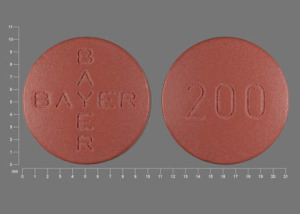
Nexavar
Generic name: sorafenib [ sor-a-FEN-ib ]
Drug classes: Multikinase inhibitors, VEGF/VEGFR inhibitors
What is Nexavar?
Nexavar is a cancer medication that interferes with the growth and spread of cancer cells in the body.
Nexavar is used to treat liver cancer, thyroid cancer, or kidney cancer.
It is not known if Nexavar is safe and effective in children.
Warnings
You should not use Nexavar if you have squamous cell lung cancer and you are being treated with carboplatin and paclitaxel.
Nexavar can cause heart problems. Get emergency medical help if you have: chest pain, fast heartbeats, trouble breathing, or swelling around your midsection or in your lower legs.
Nexavar can also cause severe bleeding. Call your doctor if you have blood in your urine or stools, abnormal vaginal bleeding, severe stomach pain, cough with bloody mucus, or any bleeding that will not stop.
Before taking this medicine
You should not use Nexavar if you are allergic to sorafenib, or if you have squamous cell lung cancer and you are being treated with carboplatin and paclitaxel.
To make sure Nexavar is safe for you, tell your doctor if you have:
-
heart problems, chest pain, or a heart attack;
-
long QT syndrome (in you or a family member);
-
high blood pressure;
-
an electrolyte imbalance (such as abnormal levels of calcium, magnesium, or potassium in your blood);
-
bleeding problems; or
-
surgery.
Sorafenib can harm an unborn baby or cause birth defects if the mother or the father is using this medicine.
-
If you are a woman, do not use Nexavar if you are pregnant. You may need to have a negative pregnancy test before starting this treatment. Use effective birth control to prevent pregnancy while you are using this medicine and for at least 6 months after your last dose.
-
If you are a man, use effective birth control if your sex partner is pregnant or is able to get pregnant. Keep using birth control for at least 3 months after your last dose.
-
Tell your doctor right away if a pregnancy occurs while either the mother or the father is using Nexavar.
Do not breastfeed while using this medicine, and for at least 2 weeks after your last dose.
Related/similar drugs
Keytruda, Avastin, pembrolizumab, Armour Thyroid, NP Thyroid, bevacizumab, nivolumab
How should I take Nexavar?
Nexavar is usually taken 2 times per day. Follow all directions on your prescription label and read all medication guides or instruction sheets. Use the medicine exactly as directed.
Take Nexavar on an empty stomach, at least 1 hour before or 2 hours after eating.
Your blood pressure will need to be checked often.
If you need surgery, tell the surgeon or dentist ahead of time that you are using Nexavar. You should stop taking this medicine at least 10 days before having surgery. Follow your doctor's instructions about when to start taking the medicine again.
Store at room temperature away from moisture and heat.
Dosing information
Usual Adult Dose for Renal Cell Carcinoma:
400 mg orally 2 times a day
Duration of therapy: Until the patient is no longer benefiting from therapy or until unacceptable toxicity occurs
Comments:
-This drug should be taken on an empty stomach, at least 1 hour before or 2 hours after food.
-The tablets should be swallowed with a glass of water.
Uses:
-Hepatocellular Carcinoma (HCC): For patients with unresectable HCC
-Renal Cell Carcinoma (RCC): For patients with advanced RCC
-Differentiated Thyroid Carcinoma (DTC): For patients with locally recurrent or metastatic, progressive, DTC that is refractory to radioactive iodine treatment
Usual Adult Dose for Thyroid Cancer:
400 mg orally 2 times a day
Duration of therapy: Until the patient is no longer benefiting from therapy or until unacceptable toxicity occurs
Comments:
-This drug should be taken on an empty stomach, at least 1 hour before or 2 hours after food.
-The tablets should be swallowed with a glass of water.
Uses:
-Hepatocellular Carcinoma (HCC): For patients with unresectable HCC
-Renal Cell Carcinoma (RCC): For patients with advanced RCC
-Differentiated Thyroid Carcinoma (DTC): For patients with locally recurrent or metastatic, progressive, DTC that is refractory to radioactive iodine treatment
Usual Adult Dose for Hepatocellular Carcinoma:
400 mg orally 2 times a day
Duration of therapy: Until the patient is no longer benefiting from therapy or until unacceptable toxicity occurs
Comments:
-This drug should be taken on an empty stomach, at least 1 hour before or 2 hours after food.
-The tablets should be swallowed with a glass of water.
Uses:
-Hepatocellular Carcinoma (HCC): For patients with unresectable HCC
-Renal Cell Carcinoma (RCC): For patients with advanced RCC
-Differentiated Thyroid Carcinoma (DTC): For patients with locally recurrent or metastatic, progressive, DTC that is refractory to radioactive iodine treatment
What happens if I miss a dose?
Skip the missed dose and use your next dose at the regular time. Do not use two doses at one time.
What happens if I overdose?
Seek emergency medical attention or call the Poison Help line at 1-800-222-1222.
What to avoid
This medicine can pass into body fluids (urine, feces, vomit). Caregivers should wear rubber gloves while cleaning up a patient's body fluids, handling contaminated trash or laundry or changing diapers. Wash hands before and after removing gloves. Wash soiled clothing and linens separately from other laundry.
Nexavar side effects
Get emergency medical help if you have signs of an allergic reaction to Nexavar (hives, difficult breathing, swelling in your face or throat) or a severe skin reaction (fever, sore throat, burning eyes, skin pain, red or purple skin rash with blistering and peeling).
Get emergency medical help if you have symptoms of a heart attack or heart failure: chest pain, fast heartbeats, sweating, nausea, trouble breathing, feeling light-headed, or swelling around your midsection or in your lower legs.
Call your doctor at once if you have:
-
fast or pounding heartbeats, fluttering in your chest;
-
shortness of breath, sudden dizziness (like you might pass out);
-
easy bruising or bleeding (nosebleeds, bleeding gums);
-
heavy menstrual periods or unusual vaginal bleeding;
-
pain, redness, swelling, rash, blisters or peeling in the palms of your hands or the soles of your feet;
-
fever with nausea, vomiting, or severe stomach pain
-
a surgical incision or wound that will not heal;
-
liver problems - loss of appetite, stomach pain (upper right side), nausea, dark urine, clay-colored stools, jaundice (yellowing of the skin or eyes); or
-
signs of bleeding inside your body - pink or brown urine, abnormal vaginal bleeding, bloody or tarry stools, coughing up blood or vomit that looks like coffee grounds.
Your cancer treatments may be delayed or permanently discontinued if you have certain side effects.
Common Nexavar side effects may include:
-
bleeding;
-
feeling tired;
-
vomiting, diarrhea, nausea, stomach pain;
-
high blood pressure;
-
rash; or
-
weight loss, thinning hair.
This is not a complete list of side effects and others may occur. Call your doctor for medical advice about side effects. You may report side effects to FDA at 1-800-FDA-1088.
What other drugs will affect Nexavar?
Sometimes it is not safe to use certain medications at the same time. Some drugs can affect your blood levels of other drugs you take, which may increase side effects or make the medications less effective.
Other drugs may interact with sorafenib, including prescription and over-the-counter medicines, vitamins, and herbal products. Tell your doctor about all your current medicines and any medicine you start or stop using.
Popular FAQ
How does Nexavar work? Is it a chemo drug?
Nexavar is an oral cancer drug that is thought to work by blocking certain proteins inside and on the surface of the cancer cell. It also helps to prevent the growth of new blood vessels that help to “feed” the tumor’s growth. It is considered a targeted drug therapy that finds and attacks specific types of cancer cells, not a traditional chemotherapy. Continue reading
How effective is Nexavar? Does it shrink tumors?
In randomized, placebo-controlled studies, Nexavar has been shown to extend overall or progression-free survival as well as shrink or slow tumor progression in some patients. Continue reading
Is Nexavar cost covered by Medicare?
Medicare may pay for Nexavar depending on your Part D plan, but you may still be responsible for some of the costs or a copay. You can contact your Medicare Prescription Part D plan or Medicare Advantage Plan and ask them if Nexavar or the generic is on their formulary and your price. Continue reading
Lenvatinib vs sorafenib: for first line treatment in HCC?
In studies that compared lenvatinib with sorafenib as first-line treatment in patients with inoperable liver cancer, the primary endpoint, overall survival (OS), was found to be non-inferior (13.6 months with lenvatinib vs 12.3 months with sorafenib). Lenvatinib did not show an improvement in overall survival (how long patients lived) when statistically compared to sorafenib. Continue reading
More about Nexavar (sorafenib)
- Check interactions
- Compare alternatives
- Pricing & coupons
- Reviews (14)
- Drug images
- Side effects
- Dosage information
- During pregnancy
- Generic availability
- FDA approval history
- Drug class: multikinase inhibitors
- Breastfeeding
- En español
Professional resources
Related treatment guides
Further information
Remember, keep this and all other medicines out of the reach of children, never share your medicines with others, and use Nexavar only for the indication prescribed.
Always consult your healthcare provider to ensure the information displayed on this page applies to your personal circumstances.
Copyright 1996-2024 Cerner Multum, Inc. Version: 11.01.