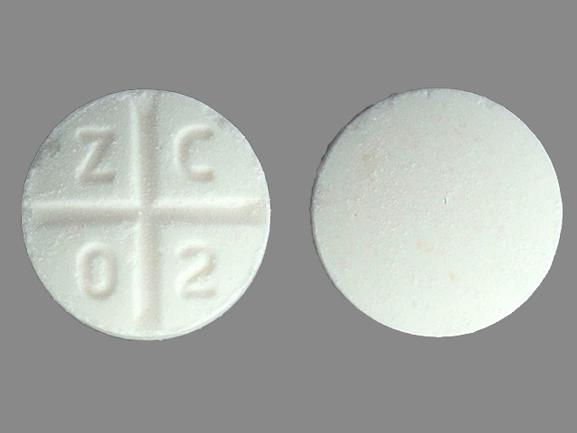
Promethazine (Antihistamine) (Monograph)
Drug class: First Generation Antihistamines
Introduction
Promethazine is a phenothiazine derivative with potent first generation antihistaminic properties.
Uses for Promethazine (Antihistamine)
Promethazine shares the uses of the antihistaminic drugs. Promethazine’s pronounced sedative effect limits the usefulness of the drug as an antihistamine in many ambulatory patients. In contrast to most other phenothiazines, promethazine is effective in the management of motion sickness. (See Uses in the Antihistamines General Statement 4:00.)
For the use of promethazine as a sedative and antiemetic, see Promethazine Hydrochloride 28:24.92 and also see the Phenothiazines General Statement 28:16.08.24.
Promethazine (Antihistamine) Dosage and Administration
Administration
Promethazine hydrochloride may be administered orally, rectally, or by deep IM injection. Promethazine hydrochloride also is administered by IV injection. However, because IV administration of the drug has been associated with severe tissue injury, including gangrene requiring amputation, the US Food and Drug Administration (FDA) states that deep IM injection is the preferred method for administration of promethazine hydrochloride injections. (See Cautions: Precautions and Contraindications.) If IV administration of promethazine hydrochloride is required, FDA states that the drug should be administered through the tubing of an IV infusion set that is known to be correctly functioning; FDA also states that the maximum rate of IV administration is 25 mg/minute, and the maximum concentration of the injection is 25 mg/mL. If the patient complains of pain at the injection site during presumed IV injection of the drug, the injection should immediately be stopped, and the possibility of intra-arterial placement of the needle or perivascular extravasation should be evaluated. Promethazine hydrochloride injection is commercially available in 2 strengths: 25 mg/mL and 50 mg/mL. FDA states that the preparation containing 50 mg/mL is for IM injection only; the preparation containing 25 mg/mL may be administered by IM or IV injection.
Because of the risk of severe tissue injury and amputations if promethazine hydrochloride is inadvertently administered intra-arterially or if extravasation were to occur, some medication safety experts (e.g., the Institute for Safe Medication Practices [ISMP]) recommend that parenteral administration of the drug be avoided and replaced by safer alternative therapies.
Subcutaneous or intra-arterial injection of promethazine hydrochloride is contraindicated.
Promethazine hydrochloride injection should be inspected visually for particulate matter and discoloration prior to administration whenever solution and container permit. The injection should be discarded if the solution is discolored or contains a precipitate.
Dosage
Dosages of promethazine hydrochloride by the various routes of administration are identical.
Because of the risk of potentially fatal respiratory depression, promethazine hydrochloride should not be used in children younger than 2 years of age. The drug should be used cautiously and at the lowest effective dosage in older children (See Cautions: Pediatric Precautions.)
Allergic Conditions
As an antihistamine, promethazine hydrochloride usually is given at bedtime because of its pronounced sedative effects. The usual adult oral dose of promethazine hydrochloride is 25 mg before retiring; if necessary, however, 12.5 mg may be administered before meals and on retiring. Children 2 years of age and older may receive a single bedtime dose of up to 25 mg or up to 12.5 mg 3 times daily depending on the age and weight of the child. Alternatively, children 2 years of age and older may be given 0.5 mg/kg at bedtime or 0.125 mg/kg as needed. Dosage should be adjusted to the smallest amount adequate to relieve symptoms.
When the oral route is not feasible, 25 mg of promethazine hydrochloride may be given rectally or IM; if required, the drug may be administered by IV injection (see Dosage and Administration: Administration and see Cautions: Precautions and Contraindications). This dose may be repeated within 2 hours if necessary, but oral therapy should be instituted as soon as possible if further medication is necessary.
To prevent or control minor allergic transfusion reactions in adults, 25 mg of promethazine hydrochloride may be administered prior to or during a blood transfusion.
Motion Sickness
For the management of motion sickness, adults may be given 25 mg of promethazine hydrochloride and children may receive 12.5–25 mg or 0.5 mg/kg. The first dose should be given at least 30–60 minutes prior to departure. A second dose may be given 8–12 hours later if necessary. Additional doses may be given on arising in the morning and before the evening meal for the duration of the journey.
Common Cold
For the temporary relief of rhinorrhea or sneezing associated with the common cold in adults and children 12 years of age and older, an oral promethazine hydrochloride dosage of 6.25 mg every 4–6 hours, not to exceed 37.5 mg in 24 hours, has been suggested. In children 6 to younger than 12 years of age, an oral dosage of 3.125 mg every 4–6 hours, not to exceed 18.75 mg in 24 hours, has been suggested. When directed by a clinician, an oral dosage of 1.56 mg every 4–6 hours, not to exceed 9.36 mg in 24 hours, has been suggested for children 2 to younger than 6 years of age. (See Cautions: Pediatric Precautions.) Because the toxic potential of long-term therapy with promethazine for the symptomatic relief of the common cold has not been fully elucidated, the drug currently is recommended only for short-term use.
Related/similar drugs
prednisone, trazodone, hydroxyzine, ondansetron, clonazepam, lorazepam, fluticasone nasal
Cautions for Promethazine (Antihistamine)
Adverse Effects
Promethazine has adverse effects similar to those of other antihistamines and shares the toxic potentials of the phenothiazines; the usual precautions of antihistamine and phenothiazine therapy should be observed. and in the Although the risk of adverse reactions (e.g., blood dyscrasias, hepatotoxicity, reactivation of psychotic processes, tachycardia, cardiac arrest, endocrine disturbances, dermatologic disorders, ocular changes, hypersensitivity reactions) that have occurred during long-term administration of antipsychotic phenothiazines appears to be minimal, the possibility that they could occur with prolonged administration of promethazine should be considered.
The most common adverse reactions of promethazine are pronounced sedative effects and confusion or disorientation. Adverse anticholinergic effects of the drug include dryness of mouth, blurring of vision, and, rarely, dizziness. Extrapyramidal reactions may occur with high doses and usually subside with dosage reduction. Lassitude, fatigue, incoordination, tinnitus, diplopia, oculogyric crises, insomnia, excitation, nervousness, euphoria, hysteria, tremors, abnormal movements, nightmares, delirium, agitation, seizures, hallucinations, torticollis, tongue protrusion, oversedation, dystonic reactions, and catatonic-like states have been reported. Restlessness, akathisia, and, occasionally, marked irregular respiration have occurred. Neuroleptic malignant syndrome (NMS) also may occur. Patients with pain who have received inadequate or no analgesia have developed athetoid-like movements of the upper extremities following parenteral administration of promethazine. These symptoms usually disappeared when the pain was controlled.
Leukopenia, thrombocytopenia, thrombocytopenic purpura, and agranulocytosis have been reported in patients receiving promethazine.
Tachycardia, bradycardia, increased or decreased blood pressure, and faintness have occurred in patients receiving promethazine. Although rapid IV administration of promethazine may produce a transient fall in blood pressure, blood pressure usually is maintained or slightly elevated when the drug is given slowly. Venous thrombosis at the injection site also has been reported.
Promethazine has been associated with obstructive jaundice, which was usually reversible following discontinuance of the drug. Cholestatic jaundice, nausea, and vomiting have been reported in patients receiving promethazine. Photosensitivity has been reported and may be a contraindication to further promethazine therapy. Urticaria, dermatitis, angioedema, dermatologic reactions, and asthma also have been reported. Nasal stuffiness, respiratory depression (may be fatal), cardiac arrest, and apnea (may be fatal) also may occur.
Local Reactions Associated with Promethazine Hydrochloride Injection
Severe chemical irritation and damage to tissues (e.g., burning, pain, erythema, swelling, severe spasm of distal vessels, thrombophlebitis, venous thrombosis, phlebitis, abscesses, tissue necrosis, gangrene) may occur with administration of promethazine injection, regardless of the route of administration. Such irritation and damage also may result from perivascular extravasation, unintentional intra-arterial injection, and intraneuronal or perineuronal infiltration. Parenteral administration of promethazine may produce nerve damage (ranging from temporary sensory loss to palsies and paralysis) while injection near or into a nerve may result in permanent tissue damage. In some cases, surgical intervention (e.g., fasciotomy, skin graft, amputation) may be needed. (See Dosage and Administration: Administration and see also Cautions: Precautions and Contraindications.)
Precautions and Contraindications
Promethazine has adverse effects similar to those of other antihistamines and shares the toxic potentials of the phenothiazines; the usual precautions of antihistamine and phenothiazine therapy should be observed.
Some commercially available formulations of promethazine hydrochloride contain sulfites that may cause allergic-type reactions, including anaphylaxis and life-threatening or less severe asthmatic episodes, in certain susceptible individuals. The overall prevalence of sulfite sensitivity in the general population is unknown but probably low; such sensitivity appears to occur more frequently in asthmatic than in nonasthmatic individuals.
Ambulatory patients should be warned that promethazine may impair their ability to perform hazardous tasks requiring mental alertness or physical coordination such as operating machinery or driving a motor vehicle. It should be kept in mind that the antiemetic effect of promethazine may obscure signs of overdosage of other drugs or of symptoms of conditions such as intestinal obstruction or brain tumor, and thereby interfere with diagnosis.
Promethazine should be used with caution in patients with cardiovascular disease or impaired liver function or who are having an asthmatic attack. Some manufacturers state that the drug should be used cautiously in individuals with peptic ulcer. Some manufacturers also state that the drug should be used with caution in patients with acute or chronic respiratory impairment, particularly children, because the cough reflex may be suppressed. Promethazine should be used with caution, if at all, in patients with a history of sleep apnea. (See Cautions: Pediatric Precautions.)
Because IV administration of the drug has been associated with severe tissue injury, including gangrene requiring amputation, the US Food and Drug Administration (FDA) states that deep IM injection is the preferred method for administration of promethazine hydrochloride injections. If IV administration of promethazine hydrochloride is required, extreme care should be exercised to avoid extravasation or inadvertent intra-arterial injection. (See Dosage and Administration: Administration and see Local Reactions Associated with Promethazine Hydrochloride Injection under Cautions: Adverse Effects.) If the patient complains of pain at the injection site during presumed IV injection of the drug, the injection should immediately be stopped, and the possibility of intra-arterial placement of the needle or perivascular extravasation should be evaluated. Clinicians should be alert for signs and symptoms of potential tissue injury, including burning or pain at the site of injection, phlebitis, swelling, and blistering, and patients should be informed that adverse effects may occur immediately (i.e., while receiving the injection) or may develop hours to days after an injection of promethazine. Although there are no proven successful treatment regimens for the management of extravasation or inadvertent intra-arterial injection of promethazine, sympathetic block and administration of heparin are commonly employed during the acute management.
Because of the risk of severe tissue injury and amputations if promethazine hydrochloride is inadvertently administered intra-arterially or if extravasation were to occur, some medication safety experts (e.g., the Institute for Safe Medication Practices [ISMP]) recommend that parenteral administration of the drug be avoided and replaced by safer alternative therapies.
FDA states that subcutaneous or intra-arterial administration of promethazine hydrochloride is contraindicated. Promethazine hydrochloride should not be administered intra-arterially, because chemical irritation may be severe and cause severe arteriospasm, possibly resulting in impairment of circulation and gangrene requiring amputation. Since promethazine discolors blood on contact, aspiration of dark blood at the site of injection does not rule out the possibility of intra-arterial placement of the needle.
Promethazine is contraindicated in patients who have exhibited hypersensitivity or idiosyncrasy to promethazine or other phenothiazines. Promethazine also is contraindicated in pediatric patients younger than 2 years of age, because of the risk of developing potentially fatal respiratory depression. (See Cautions: Pediatric Precautions.) In addition, the drug is contraindicated in patients who have received large doses of other CNS depressants and/or who are comatose. The manufacturers state that the drug is contraindicated for use in the treatment of lower respiratory tract symptoms (e.g., asthma). There is some evidence that epileptic patients may experience increased severity of seizures if treated with promethazine, and the drug may be contraindicated in these patients. Since increases in blood pressure may occur, promethazine should be administered with extreme caution, if at all, to patients in hypertensive crisis. Some manufacturers state that promethazine also is contraindicated in patients with bone marrow depression, angle-closure glaucoma, prostatic hypertrophy, stenosing peptic ulcer, pyloroduodenal obstruction, or bladder neck obstruction, while others state that the drug may be used with caution in such patients. Some experts do not recommend administering promethazine to pediatric patients who are vomiting, unless the vomiting is prolonged and there is a known cause.
Pediatric Precautions
Promethazine (like other antihistamines) should not be used in premature or full-term neonates.
Because respiratory depression (sometimes fatal) has been reported in pediatric patients younger than 2 years of age receiving a wide range of weight-adjusted doses of promethazine hydrochloride during postmarketing surveillance, the drug is contraindicated in this pediatric age group.
Promethazine should be administered with caution in children 2 years of age and older, because of possible respiratory depression and/or apnea that may be fatal. The lowest effective dose of the drug should be used. Concomitant use of promethazine with other respiratory depressants should be avoided.
Children receiving promethazine should be closely supervised while performing hazardous activities such as bike riding. Adults responsible for the supervision of a child receiving promethazine should be warned that children may be at increased risk for experiencing CNS-stimulant effects with antihistamines. The drug should not be used in acutely ill or dehydrated children or in those with acute infections, since these patients have an increased susceptibility to dystonias. Use of promethazine also should be avoided in children with signs and symptoms that suggest Reye’s syndrome, since the potential extrapyramidal effects produced by the drug may obscure the diagnosis of or be confused with the CNS signs and symptoms of this condition, and in children with signs and symptoms of other hepatic disease. Because promethazine may cause marked drowsiness that may be potentiated by other CNS depressants (e.g., sedatives, tranquilizers), the antihistamine should be used in children receiving one of these drugs only under the direction of a clinician. Promethazine should not be used in children with asthma, liver disease, a seizure disorder, or glaucoma unless otherwise directed by a clinician.
Excessively high dosages of promethazine hydrochloride have caused sudden death in pediatric patients, although sleep apnea, and sudden infant death syndrome (SIDS) have been reported in a number of infants and young children who were receiving usual dosages of promethazine hydrochloride or trimeprazine (no longer commercially available in the US). The relationship to the drugs and possible mechanism(s) of such effects have not been elucidated. In one study, the number but not the duration of central apneas during sleep was increased and obstructive apnea during sleep (accompanied by decreased heart rate and arterial oxygen pressure) developed in 4 healthy infants who were receiving 1 mg/kg of promethazine hydrochloride daily for 3 days. Promethazine should be used with caution in children with a history of sleep apnea, those with a family history of SIDS, and those who are less prone than usual to spontaneous arousal from sleep.
Overdosage and toxicity (including death) have been reported in children younger than 2 years of age receiving nonprescription (over-the-counter, OTC) preparations containing antihistamines, cough suppressants, expectorants, and nasal decongestants alone or in combination for relief of symptoms of upper respiratory tract infection. Clinicians should ask caregivers about use of nonprescription cough and cold preparations to avoid overdosage.
Geriatric Precautions
Clinical studies of promethazine did not include sufficient numbers of patients 65 years of age and older to determine whether geriatric patients respond differently than younger patients. While clinical experience generally has not revealed age-related differences in response to the drug, care should be taken in dosage selection of promethazine. Because of increased risk of sedative effects and confusion (associated with promethazine) and the greater frequency of decreased hepatic, renal, and/or cardiac function and of concomitant disease and drug therapy in geriatric patients, the manufacturers suggest that patients in this age group receive initial dosages of the drug in the lower end of the usual range.
Mutagenicity and Carcinogenicity
Long-term animal studies to determine the carcinogenic potential of promethazine have not been performed to date. There was no evidence of promethazine-induced mutagenesis in the Ames microbial mutagen test. There are no human or other animal data concerning the carcinogenic or mutagenic potentials of the drug. .
Pregnancy, Fertility, and Lactation
Pregnancy
Safe use of promethazine during pregnancy (except during labor) with respect to possible adverse effects on fetal development has not been established. Although there are no adequate and controlled studies to date in humans, promethazine has not been shown to be teratogenic in rats receiving oral dosages of 6.25–12.5 mg/kg daily (about 2.1–4.2 times the maximum recommended human dosage, depending on the use of the drug). The drug has been shown to produce fetal mortality in rats receiving intraperitoneal dosages of 25 mg/kg daily. Antihistamines, including promethazine, have been fetocidal in rodents, but the pharmacologic effects of histamine in rodents differ from those in humans. Promethazine has been reported to possibly ameliorate the effects of hemolytic disease of the newborn† [off-label] (erythroblastosis fetalis) when administered during pregnancy in Rh-sensitized women, but the safety and efficacy of the drug for this use have not been clearly established; other methods of management are preferred. Promethazine should be used during pregnancy only when the potential benefits justify the possible risks to the fetus.
Fertility
There are no animal or human data concerning the effect of promethazine on fertility.
Lactation
It is not known whether promethazine is distributed into milk. Because many drugs are distributed in human milk and because of the potential for serious adverse reactions to promethazine in nursing infants if it were distributed, a decision should be made whether to discontinue nursing or the drug, taking into account the importance of the drug to the woman.
Drug Interactions
CNS Depressants
Promethazine hydrochloride is additive with or may potentiate the sedative and respiratory depressant actions of opiates or other analgesics and other CNS depressants such as barbiturates or other sedatives, antihistamines, tranquilizers, or alcohol. When promethazine is used concomitantly with other depressant drugs, caution should be used to avoid overdosage. When promethazine is used concomitantly with barbiturates or opiates, dosage of these drugs should be reduced by at least 50 or 25–50%, respectively.
Epinephrine
Although reversal of the vasopressor effect of epinephrine has not been reported with promethazine, such possibility should be considered. If patients receiving promethazine require a vasopressor agent, norepinephrine or phenylephrine should be used; epinephrine should not be used since it may further decrease blood pressure in patients with partial adrenergic blockade.
Anticholinergic Agents
Caution should be used during concomitant use of promethazine with drugs having anticholinergic properties.
Monoamine Oxidase (MAO) Inhibitors
An increased incidence of extrapyramidal effects has been reported in patients receiving phenothiazines concomitantly with MAO inhibitors.
Laboratory Test Interferences
Promethazine may interfere with several immunologic urinary pregnancy tests. The drug may elicit a false-positive Gravindex test and false-negative Prepurex and Dap test. Promethazine may interfere with blood grouping in the ABO system. The drug significantly alters the flare response in intradermal allergen tests.
Acute Toxicity
Manifestations
In adults, overdosage of promethazine may range from mild depression of the CNS and cardiovascular system to profound hypotension, respiratory depression, seizures, deep sleep, unconsciousness, and sudden death. Hyperreflexia, hypertonia, ataxia, athetosis, and extensor-plantar reflexes (Babinski reflex) also may occur. In children, a paradoxical reaction characterized by hyperexcitability, abnormal movements, nightmares, and respiratory depression may occur. A 12-year-old patient who had taken 200 mg of the drug exhibited numbness and pain in the left leg, tactile hallucinations, extreme hyperesthesia and hyperalgesia, and sinus tachycardia.
Treatment
Treatment of promethazine overdosage is similar to that of other phenothiazines. Treatment of phenothiazine overdosage generally involves symptomatic and supportive care. General physiologic measures such as maintenance of adequate ventilation should be instituted if necessary. There is no specific antidote for phenothiazine intoxication; however, anticholinergic antiparkinsonian drugs may be useful in controlling extrapyramidal reactions associated with phenothiazine overdosage.
Following acute ingestion of the drugs, the stomach should be emptied by gastric lavage and consideration also should be given to repeated doses of activated charcoal. If the patient is comatose, having seizures or a dystonic reaction, or lacks the gag reflex, gastric lavage may be performed if an endotracheal tube with cuff inflated is in place to prevent aspiration of gastric contents. Gastric lavage may be useful even several hours after the drug has been ingested, since GI motility may be greatly reduced following overdosage of phenothiazines. Induction of emesis generally should not be attempted, since a phenothiazine-induced dystonic reaction of the head or neck may result in aspiration of vomitus during emesis; centrally acting emetics are of little value in the management of promethazine overdosage. Administration of a saline cathartic may be beneficial in enhancing evacuation of the drug from the GI tract.
Cardiovascular monitoring should begin immediately and should include continuous ECG monitoring to detect possible arrhythmias. Treatment may include correction of electrolyte abnormalities and acid-base balance, lidocaine, phenytoin, isoproterenol, ventricular pacing, and defibrillation. Antiarrhythmic agents that can prolong the QT interval (e.g., class IA [disopyramide, procainamide, quinidine] or III agents) should be avoided in treating overdosage-associated arrhythmias in which prolongation of QTc is a manifestation.
Appropriate therapy (IV fluids and a vasopressor [norepinephrine, phenylephrine]) should be instituted if hypotension occurs; epinephrine, bretylium, or dopamine should not be used. For the management of refractory hypotension, vasopressors such as phenylephrine, levarterenol, or metaraminol may be used. Acidosis and electrolyte imbalances should be corrected.
Appropriate therapy should be instituted if excessive sedation occurs; CNS stimulants that may cause seizures should be avoided. If seizures occur, treatment should not include barbiturates because these drugs may potentiate phenothiazine-induced respiratory depression. However; pentobarbital and secobarbital have been used in acute overdosage of promethazine. Hypothermia is common and sometimes difficult to control. Naloxone does not appear to reverse the depressant effects of promethazine overdosage.
In some patients with acute toxicity, exchange transfusions may be useful, but hemodialysis, forced diuresis, hemoperfusion, or manipulation of urine pH is of little value in enhancing elimination of phenothiazines.
Pharmacology
Promethazine is a phenothiazine derivative with potent antihistaminic properties and shares the actions of the antihistamines.
Although the drug can produce either CNS stimulation or CNS depression, CNS depression manifested by sedation is more common with therapeutic doses of promethazine. The precise mechanism of the CNS effects of the drug is not known. Promethazine also has antiemetic, anticholinergic, and local anesthetic effects. In contrast to most other phenothiazines, promethazine also has an antimotion sickness action, possibly as a result of a central anticholinergic effect on the vestibular apparatus and the integrative vomiting center and medullary chemoreceptive trigger zone of the midbrain. Although it has been reported that the drug has slight antitussive activity, this may result from its anticholinergic and CNS-depressant effects. In therapeutic doses, promethazine appears to have no significant effect on the cardiovascular system. Although rapid IV administration of promethazine may produce a transient fall in blood pressure, blood pressure usually is maintained or slightly elevated when the drug is given slowly.
Promethazine has been reported to inhibit collagen-induced neonatal platelet aggregation in vitro and collagen-induced platelet aggregation in neonates whose mothers had received the drug during labor; however, the clinical importance of this effect is not known. Promethazine also has been reported to possibly ameliorate the effects of hemolytic disease of the newborn (erythroblastosis fetalis) when administered during pregnancy in Rh-sensitized women. The exact mechanism(s) has not been elucidated, but several mechanisms may be involved. In vitro studies indicate that promethazine inhibits the ability of fetal macrophages to bind Rh-positive erythrocytes; inhibits phagocytosis and hexose monophosphate shunt activity in polymorphonuclear leukocytes; inhibits lysis of fetal Rh-positive erythrocytes mediated by lymphocytes and polymorphonuclear leukocytes; and stabilizes the erythrocyte membrane against hemolysis. Promethazine also has been shown to have immunosuppressive activity in animals. Although some data suggested that the drug may reduce the number and function of fetal T-cells when administered chronically during pregnancy, other data indicate that the drug does not affect the number of fetal T- or B-cells; further studies on the potential effects of promethazine on fetal immunocompetence are needed.
Promethazine (Antihistamine) Pharmacokinetics
Absorption
Promethazine is well absorbed from the GI tract and from parenteral sites. Plasma concentrations of promethazine required for antihistaminic effects are unknown. The onset of antihistaminic effects occurs within 20 minutes following oral, rectal, or IM administration, and within 3–5 minutes following IV administration. The duration of antihistaminic effects usually is about 4–6 hours (depending on the dose and route of administration), but such effects may persist for 12 hours or more.
Distribution
Promethazine is widely distributed in body tissues. Compared with other organs, lower concentrations of the drug are found in the brain, but this concentration is higher than the plasma concentration. Promethazine has been reported to be 93% protein bound when determined by gas chromatography and 76–80% bound when determined by high-performance liquid chromatography.
Promethazine readily crosses the placenta. It is not known whether the drug is distributed into milk.
Elimination
Promethazine is metabolized in the liver. The drug is excreted slowly in the urine (mainly) and feces principally as inactive promethazine sulfoxide and glucuronides.
Chemistry and Stability
Chemistry
Promethazine hydrochloride is an ethylamino derivative of phenothiazine and occurs as a racemic mixture. The drug occurs as a white to faint yellow, practically odorless, crystalline powder that slowly oxidizes and turns blue on prolonged exposure to air. The drug is very soluble in water and in hot dehydrated alcohol. Promethazine hydrochloride injection has a pH of 4–5.5. The pKa of the drug is 9.1.
Stability
Promethazine hydrochloride preparations should be protected from light. Promethazine hydrochloride oral solution and tablets should be stored in tight, light-resistant containers at 15–30 and 20–25°C, respectively, while the rectal suppositories should be stored in well-closed containers at 2–8°C. Freezing of the oral solution should be avoided. Following the date of manufacture, commercially available promethazine preparations have expiration dates of 2–5 years depending on the dosage form and manufacturer.
Promethazine hydrochloride injection should be stored in tight, light-resistant containers at 20–25°C with excursions of 15–30°C permitted. The injection should be discarded if the solution is discolored or contains a precipitate. Promethazine hydrochloride injection has been reported to be chemically incompatible with several drugs, especially those with an alkaline pH. However, the compatibility depends on several factors (e.g., concentration of the drugs, specific diluents used, resulting pH, temperature). Specialized references should be consulted for specific compatibility information.
Preparations
Excipients in commercially available drug preparations may have clinically important effects in some individuals; consult specific product labeling for details.
Please refer to the ASHP Drug Shortages Resource Center for information on shortages of one or more of these preparations.
* available from one or more manufacturer, distributor, and/or repackager by generic (nonproprietary) name
|
Routes |
Dosage Forms |
Strengths |
Brand Names |
Manufacturer |
|---|---|---|---|---|
|
Oral |
Solution |
6.25 mg/5 mL* |
Promethazine Hydrochloride Syrup |
|
|
Tablets |
12.5 mg* |
Phenergan (scored) |
Wyeth |
|
|
Promethazine Hydrochloride Tablets |
||||
|
25 mg* |
Phenergan (scored) |
Wyeth |
||
|
Promethazine Hydrochloride Tablets |
||||
|
50 mg* |
Phenergan |
Wyeth |
||
|
Promethazine Hydrochloride Tablets |
||||
|
Parenteral |
Injection |
25 mg/mL* |
Promethazine Hydrochloride Injection |
|
|
Injection, for IM use only |
50 mg/mL* |
Promethazine Hydrochloride Injection |
||
|
Rectal |
Suppositories |
12.5 mg* |
Phenadoz |
Paddock |
|
Phenergan |
Wyeth |
|||
|
Promethazine Hydrochloride Suppositories |
||||
|
25 mg* |
Phenadoz |
Paddock |
||
|
Phenergan |
Wyeth |
|||
|
Promethazine Hydrochloride Suppositories |
||||
|
50 mg* |
Phenergan |
Wyeth |
||
|
Promethazine Hydrochloride Suppositories |
||||
|
Promethegan |
G&W |
* available from one or more manufacturer, distributor, and/or repackager by generic (nonproprietary) name
|
Routes |
Dosage Forms |
Strengths |
Brand Names |
Manufacturer |
|---|---|---|---|---|
|
Oral |
Solution |
6.25 mg/5 mL with Phenylephrine Hydrochloride 5 mg/5 mL* |
Prometh VC Syrup |
Actavis |
AHFS DI Essentials™. © Copyright 2024, Selected Revisions September 24, 2018. American Society of Health-System Pharmacists, Inc., 4500 East-West Highway, Suite 900, Bethesda, Maryland 20814.
† Off-label: Use is not currently included in the labeling approved by the US Food and Drug Administration.
Reload page with references included
Frequently asked questions
- Par promethazine with codeine vs Hi-Tech promethazine with codeine?
- How long does promethazine stay in your system?
More about promethazine
- Check interactions
- Compare alternatives
- Pricing & coupons
- Reviews (381)
- Drug images
- Latest FDA alerts (4)
- Side effects
- Dosage information
- Patient tips
- During pregnancy
- Support group
- Drug class: antihistamines
- Breastfeeding
Patient resources
Professional resources
- Promethazine (Sedative) monograph
- Promethazine (FDA)
- Promethazine Injection (FDA)
- Promethazine Suppositories (FDA)
- Promethazine Syrup (FDA)
- Promethazine Tablets (FDA)