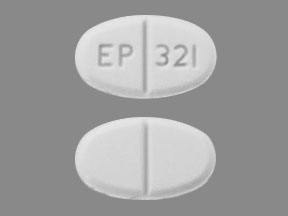
Pimozide (Monograph)
Brand name: Orap
Drug class: Diphenylbutylperidines
Introduction
Antipsychotic agent; diphenylbutylpiperidine-derivative.
Uses for Pimozide
Tourette’s Syndrome
Suppression of motor and vocal tics of Tourette’s syndrome (Gilles de la Tourette’s syndrome) in adults and children who have failed to respond adequately to, or who do not tolerate, conventional therapy (e.g., haloperidol). (See Pediatric Use under Cautions.)
Not intended as a treatment of first choice, nor is it intended for suppression of tics that are only annoying or cosmetically troublesome.
Reserve for use in patients whose development and/or daily life function is severely compromised by the presence of motor and vocal tics.
Has been used concomitantly with a stimulant in children with tic disorders (e.g., Tourette’s syndrome) and comorbid attention deficit hyperactivity disorder (ADHD)† [off-label] in whom stimulants alone cannot control tics.
Schizophrenia
Has been used for the symptomatic management of a variety of psychiatric illnesses† [off-label], principally schizophrenia† [off-label], but other agents generally are preferred.
Pimozide Dosage and Administration
General
-
Perform ECG before initiation of therapy and periodically thereafter, particularly during periods of dosage adjustment. (See Cardiovascular Effects under Cautions.)
Administration
Oral Administration
Administer orally, usually once daily; also may administer in divided doses, particularly if once-daily dosing is not well tolerated.
Some clinicians recommend administration as a single dose at bedtime to minimize adverse effects.
Dosage
Initiate therapy with low dosage and adjust dosage gradually.
Pediatric Patients
Tourette’s Syndrome
Oral
Children <12 years of age† [off-label]: Reliable dose-response data for drug effects on tic manifestations not available.
Children ≥12 years of age: Initially, 0.05 mg/kg daily, preferably at bedtime. May increase dosage every third day to a maximum of 0.2 mg/kg daily, not to exceed 10 mg daily.
During prolonged maintenance therapy, use lowest possible effective dosage. Once adequate response is achieved, make periodic attempts (e.g., every 6–12 months) to reduce dosage to determine whether initial intensity and frequency of tics persist.
In attempts to reduce dosage, consider possibility that observed increases of tic intensity and frequency may represent a transient, withdrawal-related phenomenon rather than return of the syndrome’s symptoms. Allow 1–2 weeks to elapse before concluding that an increase in tic manifestations is a function of the underlying disorder rather than a response to drug withdrawal.
If therapy is to be discontinued, gradually reduce dosage.
Adults
Tourette’s Syndrome
Oral
Initially, 1–2 mg daily in divided doses. May increase dosage every other day according to patient’s tolerance and therapeutic response. Some clinicians suggest that dosage be increased at longer intervals (e.g., every 5–7 days) until manifestations decrease by ≥70%, adverse effects occur without symptomatic benefit, or symptomatic benefit and adverse effects occur simultaneously.
If minimal adverse effects occur (e.g., not interfering with functioning) before adequate response is achieved, hold further dosage increase until adverse effects resolve. If adverse effects interfere with functioning but are not severe, can reduce dosage by 1-mg increments at weekly intervals until such effects resolve.
If severe adverse effects occur, immediately reduce dosage by 50% or withhold drug. Once serious adverse effects resolve, can reinstitute with more gradual titration, increasing dosage at intervals ranging from 7–30 days.
Most patients are adequately treated with dosages <0.2 mg/kg daily or 10 mg daily, whichever is less; higher dosages not recommended.
During prolonged maintenance therapy, use lowest possible effective dosage. Once adequate response is achieved, make periodic attempts (e.g., every 6–12 months) to reduce dosage to determine whether initial intensity and frequency of tics persist.
In attempts to reduce dosage, consider possibility that observed increases of tic intensity and frequency may represent a transient, withdrawal-related phenomenon rather than return of the syndrome’s symptoms. Allow 1–2 weeks to elapse before concluding that an increase in tic manifestations is a function of the underlying disorder rather than a response to drug withdrawal.
If therapy is to be discontinued, gradually reduce dosage.
Prescribing Limits
Pediatric Patients
Tourette’s Syndrome
Oral
Children ≥12 years of age: Maximum 0.2 mg/kg, not exceeding 10 mg daily.
Adults
Tourette’s Syndrome
Oral
Dosages >0.2 mg/kg or 10 mg daily not recommended.
Cautions for Pimozide
Contraindications
-
Simple tics or tics other than those associated with Tourette’s syndrome.
-
Concurrent therapy with drugs that cause motor and vocal tics (e.g., amphetamines, methylphenidate, pemoline [no longer commercially available in the US]) until such drugs have been withdrawn to determine whether tics were caused by the drug rather than Tourette’s syndrome.
-
Congenital long QT syndrome, history of cardiac arrhythmias, concomitant therapy with other drugs that prolong QT interval, or known hypokalemia or hypomagnesemia. (See Cardiovascular Effects under Cautions.)
-
Concomitant therapy with drugs that inhibit CYP3A4 or drugs that prolong the QT interval (e.g., azole antifungals, macrolide antibiotics, protease inhibitors, SSRIs [citalopram, escitalopram, fluoxetine, fluvoxamine, paroxetine, sertraline], nefazodone, zileuton). (See Interactions.)
-
Severe toxic CNS depression or comatose states from any cause.
-
Hypersensitivity to pimozide; use caution in patients who have demonstrated hypersensitivity to other antipsychotic drugs.
Warnings/Precautions
Warnings
Tardive Dyskinesia
Tardive dyskinesia, a syndrome of potentially irreversible, involuntary, dyskinetic movements, may develop in patients receiving antipsychotic agents, including pimozide. Consider discontinuance.
May occur during long-term administration or following discontinuance.
Neuroleptic Malignant Syndrome
Neuroleptic malignant syndrome (NMS), a potentially fatal syndrome requiring immediate discontinuance of the drug and intensive symptomatic treatment, has been reported with antipsychotic agents, including pimozide.
Hyperpyrexia not associated with NMS also reported with antipsychotic agents.
Cardiovascular Effects
Sudden, unexpected deaths have occurred in some patients receiving high doses (>10 mg; in the range of 1 mg/kg) for conditions other than Tourette’s syndrome or in patients receiving concomitant pimozide and clarithromycin. Possibly due to QT interval prolongation, predisposing patients to ventricular arrhythmia.
Various ECG changes (e.g., QT [including QTc] interval prolongation; flattening, notching, and inversion of the T wave; appearance of U waves) have occurred.
Perform ECG evaluations before and periodically during therapy, especially during periods of dosage adjustment.
Some clinicians recommend consultation with a cardiologist before therapy initiation in patients with a baseline QTc interval >440 ms.
Consider stopping further dosage increases and dosage reduction for QTc interval prolongation >470 ms in children or 520 ms in adults or >25% beyond patient’s pretreatment value, or development of other T-wave abnormalities. Also consider dosage reduction if bradycardia (<50 bpm) occurs.
Some clinicians recommend withholding drug if T-wave inversion, U waves, or cardiac arrhythmia occurs and reinstituting only after ECG findings are normal.
Use with caution in patients with cardiovascular disorders.
Because hypokalemia has been associated with ventricular arrhythmias, correct potassium insufficiency because of diuretics, diarrhea, or other causes before pimozide initiation; maintain normal serum potassium concentrations during therapy.
Mutagenicity and Carcinogenicity
Dose-related increase in benign pituitary tumors observed in female mice; clinical importance is not known. Carefully consider tumorigenic potential in decision to use drug, especially if patient is young and long-term therapy is anticipated.
General Precautions
CNS Effects
Possible risk of seizures; may lower seizure threshold. Use with caution in patients with history of seizures or EEG abnormalities or in those receiving anticonvulsants. Maintain adequate anticonvulsant therapy.
Possible impairment of ability to perform activities requiring mental alertness or physical coordination (e.g., operating machinery, driving a motor vehicle), especially during first few days of therapy.
Extrapyramidal symptoms occur frequently; especially during first few days of therapy. In most patients, reactions consist of parkinsonian symptoms that are mild to moderate in severity and usually reversible following discontinuance.
Anticholinergic Effects
Causes adverse anticholinergic effects; use with caution in individuals whose condition may be aggravated by such effects.
Abrupt Withdrawal
Possible transient dyskinetic signs after abrupt withdrawal in some patients receiving maintenance therapy; in some cases, dyskinetic movements are indistinguishable from tardive dyskinesia except for duration. Not known whether gradual withdrawal will reduce occurrence; pending further evidence, withdraw gradually.
Specific Populations
Pregnancy
Category C.
Risk for extrapyramidal and/or withdrawal symptoms (e.g., agitation, hypertonia, hypotonia, tardive dyskinetic-like symptoms, tremor, somnolence, respiratory distress, feeding disorder) in neonates exposed to antipsychotic agents during the third trimester; monitor neonates exhibiting such symptoms. Symptoms were self-limiting in some neonates but varied in severity; some infants required intensive support and prolonged hospitalization.
Lactation
Not known whether pimozide is distributed into human milk; discontinue nursing or the drug.
Pediatric Use
Onset of Tourette’s syndrome usually occurs between ages of 2 and 15 years, but data on use and efficacy in children <12 years of age are limited. Limited clinical evidence suggests that safety profile in children 2–12 years of age generally is comparable to that in older patients.
Safety and efficacy for management of other conditions in children not evaluated; use in children for any condition other than Tourette’s syndrome not recommended.
Geriatric Use
Prevalence of tardive dyskinesia appears to be highest among geriatric patients, particularly geriatric women.
Transient hypotension for several hours after administration has occurred in some geriatric or debilitated patients.
Hepatic Impairment
Use with caution.
Renal Impairment
Use with caution.
Common Adverse Effects
Extrapyramidal reactions (e.g., pseudoparkinsonism, dystonia, dyskinesia, akathisia), dry mouth, drowsiness, sedation, adverse behavior effect, asthenia, somnolence.
Drug Interactions
Metabolized by CYP3A4 and, to a lesser extent, by CYP1A2.
Drugs and Foods Affecting Hepatic Microsomal Enzymes
Potential pharmacokinetic interaction (decreased metabolism) with inhibitors of CYP3A4 or CYP1A2.
Prolongation of QT interval and, rarely, serious cardiovascular effects, including ventricular arrhythmias and death, reported in patients receiving CYP3A4 inhibitors and pimozide concomitantly; concomitant use contraindicated. (See Specific Drugs and Foods under Interactions.)
Drugs That Prolong QT Interval
Potential pharmacologic interaction (additive effect on QT interval prolongation; concomitant use contraindicated) when used with drugs that prolong QTc interval. (See Contraindications and Cardiovascular Effects under Cautions and also Specific Drugs and Foods under Interactions.)
Specific Drugs and Foods
|
Drug or Food |
Interaction |
Comments |
|---|---|---|
|
Antiarrhythmic agents (e.g., dofetilide, quinidine, sotalol, other class IA and III antiarrhythmics) |
Additive effects on prolongation of QT interval |
Concomitant use contraindicated |
|
Antidepressants, tricyclics |
Additive effects on prolongation of QT interval |
Concomitant use not recommended |
|
Antidepressants, SSRIs (e.g., citalopram, escitalopram, fluoxetine, fluvoxamine, paroxetine, sertraline) |
Decreased pimozide metabolism; increased risk of prolongation of QT interval |
Concomitant use contraindicated |
|
Antifungals, azole (e.g., itraconazole, ketoconazole, voriconazole) |
Decreased pimozide metabolism; increased risk of prolongation of QT interval |
Concomitant use contraindicated |
|
Aprepitant |
Increased plasma pimozide concentrations; potential for serious or life-threatening reaction |
Concomitant use contraindicated |
|
Arsenic trioxide |
Additive effects on prolongation of QT interval |
Concomitant use contraindicated |
|
CNS agents (e.g., opiates or other analgesics, barbiturates or other sedatives, anxiolytics, alcohol) |
Additive CNS effects or potentiated action of CNS depressant |
Use concomitantly with caution to avoid excessive CNS depression |
|
Delavirdine |
Potential for serious or life-threatening reactions (e.g., cardiac arrhythmias) |
Concomitant use contraindicated |
|
Dolasetron |
Additive effects on prolongation of QT interval |
Concomitant use contraindicated |
|
Droperidol |
Additive effects on prolongation of QT interval |
Concomitant use contraindicated |
|
Fluoroquinolones (e.g., gatifloxacin, moxifloxacin, sparfloxacin) |
Additive effects on prolongation of QT interval |
Concomitant use contraindicated |
|
Grapefruit juice |
Decreased pimozide metabolism |
Avoid grapefruit juice during therapy |
|
Halofantrine (licensed in the US but not commercially available) |
Additive effects on prolongation of QT interval |
Concomitant use contraindicated |
|
HIV protease inhibitors (e.g., amprenavir [no longer commercially available in the US], atazanavir, indinavir, lopinavir, nelfinavir, ritonavir, saquinavir) |
Decreased pimozide metabolism; increased risk of prolongation of QT interval |
Concomitant use contraindicated |
|
Imatinib |
Increased pimozide concentrations |
Use with caution because pimozide has a narrow therapeutic window |
|
Levomethadyl acetate (no longer commercially available in the US) |
Additive effects on prolongation of QT interval |
Concomitant use contraindicated |
|
Macrolides (e.g., azithromycin, clarithromycin, dirithromycin, erythromycin, troleandomycin) |
Decreased pimozide metabolism; increased risk of prolongation of QT interval and ventricular arrhythmias Sudden death reported in at least 2 patients when clarithromycin added to ongoing pimozide therapy |
Concomitant use contraindicated |
|
Mefloquine |
Additive effects on prolongation of QT interval |
Concomitant use contraindicated |
|
Nefazodone |
Decreased pimozide metabolism; increased risk of prolongation of QT interval |
Concomitant use contraindicated |
|
Pentamidine |
Additive effects on prolongation of QT interval |
Concomitant use contraindicated |
|
Phenothiazines (e.g., chlorpromazine, mesoridazine [no longer commercially available in US], thioridazine ) |
Additive effects on prolongation of QT interval |
Concomitant use contraindicated |
|
Probucol (no longer commercially available in the US) |
Additive effects on prolongation of QT interval |
Concomitant use contraindicated |
|
Tacrolimus |
Additive effects on prolongation of QT interval |
Concomitant use contraindicated |
|
Zileuton |
Decreased pimozide metabolism; increased risk of prolongation of QT interval |
Concomitant use contraindicated |
|
Ziprasidone |
Increased risk of QT interval prolongation |
Concomitant use contraindicated |
Pimozide Pharmacokinetics
Absorption
Bioavailability
Slowly and variably absorbed after oral administration, with peak plasma concentrations of the drug and its metabolites attained within 6–8 hours (range: 4–12 hours).
Appears to be at least 40–50% absorbed.
Food
Effects of food on pharmacokinetics are not known.
Special Populations
Effects of disease on pharmacokinetics are not known.
Distribution
Extent
Distribution into human body tissues and fluids not well characterized. In animals, widely distributed after sub-Q administration, with highest concentrations attained in the liver, lungs, kidneys, and heart; also distributed into the brain, thymus, adrenals, thyroid, uterus, ovaries, and bile.
Not known whether crosses placenta or is distributed into milk.
Plasma Protein Binding
Extent of binding to plasma proteins is not known.
Elimination
Metabolism
Appears to undergo extensive first-pass metabolism.
Metabolized principally via oxidative N-dealkylation in the liver, catalyzed by CYP3A4 and, to a lesser extent, by CYP1A2. Pharmacologic activity of metabolites not determined, but results of animal studies suggest metabolites are inactive.
Elimination Route
Excreted principally in urine (about 40% ) almost completely as metabolites, and, to a lesser extent, in feces (about 15%) mainly as unchanged drug.
Not known if drug and/or its metabolites are removed by hemodialysis or peritoneal dialysis.
Half-life
Approximately 55 hours after multiple oral doses in patients with chronic schizophrenic disorder.
Special Populations
In patients with hepatic impairment, metabolism may be impaired.
In patients with renal impairment, elimination may be decreased.
Stability
Storage
Oral
Tablets
Tight, light-resistant containers at 25°C (may be exposed to 15–30°C).
Actions
-
Principal pharmacologic effects are similar to those of haloperidol and, to a lesser extent, those of phenothiazines.
-
Precise mechanism(s) of action in suppressing motor and vocal tics in patients with Tourette’s syndrome and its antipsychotic action not determined, but may be related principally to antidopaminergic effects. Appears to be a selective dopamine-2 (D2) receptor antagonist.
-
Appears to have little effect on catecholamines other than dopamine, although turnover of brain norepinephrine may be increased at high doses.
-
Like other antipsychotic agents, has various effects on CNS receptor systems (e.g., γ-aminobutyric acid [GABA]), which are not fully characterized.
-
Exhibits some anticholinergic activity, although generally considered to be relatively weak compared with most other antipsychotic agents.
Advice to Patients
-
Importance of taking medication exactly as prescribed by the clinician; necessity of ECG monitoring before and during therapy.
-
Importance of avoiding driving, operating machinery, or performing hazardous tasks until gain experience with the drug’s effects.
-
Importance of clinicians informing patients in whom chronic use is contemplated of risk of tardive dyskinesia, taking into account clinical circumstances and competency of patient to understand information provided.
-
Importance of informing clinicians of existing or contemplated concomitant therapy, including prescription or OTC drugs, dietary supplements, and herbal products, as well as any concomitant illnesses (e.g., cardiovascular). Importance of avoiding grapefruit juice.
-
Importance of avoiding alcohol during therapy.
-
Importance of women informing clinicians if they are or plan to become pregnant or plan to breast-feed. Importance of clinicians informing patients about the benefits and risks of taking antipsychotics during pregnancy (see Pregnancy under Cautions). Importance of advising patients not to stop taking pimozide if they become pregnant without consulting their clinician; abruptly stopping antipsychotic agents may cause complications.
-
Importance of informing patients of other important precautionary information. (See Cautions.)
Additional Information
The American Society of Health-System Pharmacists, Inc. represents that the information provided in the accompanying monograph was formulated with a reasonable standard of care, and in conformity with professional standards in the field. Readers are advised that decisions regarding use of drugs are complex medical decisions requiring the independent, informed decision of an appropriate health care professional, and that the information contained in the monograph is provided for informational purposes only. The manufacturer’s labeling should be consulted for more detailed information. The American Society of Health-System Pharmacists, Inc. does not endorse or recommend the use of any drug. The information contained in the monograph is not a substitute for medical care.
Preparations
Excipients in commercially available drug preparations may have clinically important effects in some individuals; consult specific product labeling for details.
Please refer to the ASHP Drug Shortages Resource Center for information on shortages of one or more of these preparations.
|
Routes |
Dosage Forms |
Strengths |
Brand Names |
Manufacturer |
|---|---|---|---|---|
|
Oral |
Tablets |
1 mg |
Orap (scored) |
Gate |
|
2 mg |
Orap (scored) |
Gate |
AHFS DI Essentials™. © Copyright 2025, Selected Revisions June 10, 2024. American Society of Health-System Pharmacists, Inc., 4500 East-West Highway, Suite 900, Bethesda, Maryland 20814.
† Off-label: Use is not currently included in the labeling approved by the US Food and Drug Administration.
Reload page with references included
Related/similar drugs
Frequently asked questions
More about pimozide
- Check interactions
- Compare alternatives
- Pricing & coupons
- Reviews (25)
- Drug images
- Side effects
- Dosage information
- During pregnancy
- Drug class: miscellaneous antipsychotic agents
- Breastfeeding
- En español