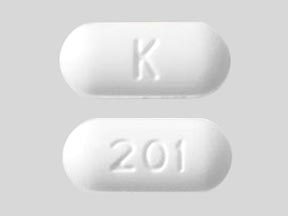
Oxandrolone (Monograph)
Drug class: Androgens
Warning
Oxandrolone has been discontinued in the US. Because this drug is no longer available in the US market, the material in this monograph is no longer updated by AHFS DI. If this drug is used in countries other than the U.S., it is essential that the manufacturers’ labeling be consulted for more recently available information.
Warning
- Peliosis Hepatis
-
Peliosis hepatis, a condition in which the liver contains blood-filled cysts, reported with androgen therapy. May present with minimal hepatic dysfunction, or effects may not be apparent until complicated by life-threatening liver failure or rupture of the cysts resulting in intra-abdominal hemorrhage.
-
Discontinuance of androgen therapy usually results in resolution of liver lesions.
- Hepatic Adenoma and Carcinoma
-
Liver cell tumors reported with androgen therapy. Tumors are usually benign and androgen dependent; hepatocellular carcinoma, sometimes fatal, also reported.
-
Liver cell tumors associated with androgens are more vascular than other hepatic tumors; hepatic effects may not be apparent until complicated by life-threatening intra-abdominal hemorrhage.
-
Discontinuance of androgen therapy often but not always results in regression or cessation of progression of the tumor.
- Lipid Abnormalities
-
May markedly alter serum lipoprotein concentrations; decreased HDL- and increased LDL-cholesterol reported with androgen therapy. Consider increased risk of cardiovascular disease (e.g., atherosclerosis and CAD).
Introduction
Synthetic androgenic anabolic steroid hormone.
Uses for Oxandrolone
Catabolic and Wasting Disorders
Adjunct to conventional therapy to promote weight gain in individuals who experience weight loss following extensive surgery, chronic infections (e.g., HIV-associated wasting syndrome; designated an orphan drug by FDA for this use), or severe trauma (e.g., burns, spinal cord injury).
Adjunct to conventional therapy for management of unexplained weight loss.
Corticosteroid-induced Protein Catabolism
Adjunct to conventional therapy to offset protein catabolism (e.g., muscle wasting, muscle pain or weakness, delayed wound healing, atrophy of protein matrix of bone) associated with long-term corticosteroid therapy.
Osteoporosis
Labeled for the symptomatic treatment of bone pain accompanying osteoporosis.
Misuse, Abuse, and Dependence
Androgens have been misused and abused by athletes, bodybuilders, weight lifters, and others to enhance athletic performance or physique† [off-label].
Based on review of data, FDA concluded that misuse and abuse of androgens associated with serious adverse cardiovascular, hepatic, endocrine, and mental health effects.
Medical and sports experts (e.g., International Olympic Committee) consider such use to be inappropriate and unacceptable because of known adverse effects and potential long-term sequelae. Such misuse by athletes is contrary to rules and ethical principles of athletic competition.
Manufacturer states that androgens have not been shown to enhance athletic performance.
Evaluate serum testosterone concentrations if misuse or abuse of androgens suspected (e.g., patients experiencing serious adverse cardiovascular or psychiatric effects). Serum testosterone concentrations may be below or within the normal range in patients abusing synthetic derivatives of testosterone.
Oxandrolone Dosage and Administration
General
-
Individualize dosage and duration of therapy carefully according to individual requirements, response, and tolerance. Use the minimum effective dosage; intended for intermittent use.
Administration
Oral Administration
Administer orally 2–4 times daily in adults.
Dosage
Pediatric Patients
Catabolic and Wasting Disorders
Oral
≤0.1 mg/kg daily for 2–4 weeks. Repeat course of therapy intermittently as needed to maintain weight.
Manufacturer states that a 2- to 4-week course of therapy usually is adequate to observe a response (i.e., slowing or cessation of weight loss). A longer period of treatment is necessary to regain lost weight, especially if ongoing catabolic stressors are present.
Higher than recommended dosage of 0.1 mg/kg twice daily for 5 days to 12 months† [off-label] has been evaluated in pediatric patients with burns.
Corticosteroid-induced Protein Catabolism
Oral
≤0.1 mg/kg daily. Manufacturer states that a 2- to 4-week course of therapy usually is adequate to observe a response. Repeat course of therapy intermittently as needed.
Adults
Catabolic and Wasting Disorders
Oral
2.5–20 mg daily in 2–4 divided doses for 2–4 weeks. Repeat course of therapy intermittently as needed to maintain weight.
Manufacturer states that a 2- to 4-week course of therapy usually is adequate to observe a response (i.e., slowing or cessation of weight loss). A longer period of treatment is necessary to regain lost weight, especially if ongoing catabolic stressors are present. Continuous administration for 3–4 months has been evaluated in patients with HIV-associated wasting syndrome.
Corticosteroid-induced Protein Catabolism
Oral
2.5–20 mg daily in 2–4 divided doses. Manufacturer states that a 2- to 4-week course of therapy usually is adequate to observe a response. Repeat course of therapy intermittently as needed.
Osteoporosis
Bone Pain
Oral2.5–20 mg daily in 2–4 divided doses. Manufacturer states that a 2- to 4-week course of therapy usually is adequate to observe a response. Repeat course of therapy intermittently as needed.
Special Populations
Geriatric Patients
5 mg twice daily for 2–4 weeks recommended. Repeat course of therapy intermittently as needed.
Cautions for Oxandrolone
Contraindications
-
Males with breast cancer or known or suspected prostate cancer.
-
Women with hypercalcemia associated with metastatic breast cancer.
-
Known or suspected pregnancy.
-
Nephrosis.
-
Hypercalcemia.
Warnings/Precautions
Warnings
Fetal/Neonatal Morbidity and Mortality
May cause fetal harm; potential for virilization of fetus.
Fetotoxicity, embryotoxicity, infertility, and virilization of female offspring demonstrated in animals.
Hepatic Effects
Potentially serious and/or life-threatening adverse hepatic effects (e.g., peliosis hepatis, hepatic adenomas, hepatocellular carcinoma) associated with prolonged use of high dosages of androgens. (See Boxed Warning.)
If cholestatic hepatitis with jaundice occurs, or if liver function test results become abnormal during therapy, discontinue oxandrolone and investigate etiology of these disorders. Drug-induced jaundice usually is reversible after discontinuance of drug.
Monitor liver function periodically.
Hypercalcemia
Possible hypercalcemia resulting from osteolysis in women with metastatic carcinoma of the breast. Monitor urine and serum calcium concentrations frequently during the course of androgen therapy in women with metastatic breast cancer.
If hypercalcemia occurs, discontinue the drug.
Fluid Retention
Edema, with or without CHF, possible as a result of sodium and water retention and may be a serious complication in patients with preexisting cardiac, renal, or hepatic disease.
Misuse, Abuse, and Dependence
Serious adverse effects (e.g., increased aggression, antisocial behavior, manic episode, hostility, depression, changes in libido, increased risk of cardiovascular events, hepatotoxicity, testicular atrophy, sperm abnormalities ) associated with misuse and abuse of androgens; oxandrolone preparations currently subject to control as schedule III (C-III) drugs.
Manifestations of withdrawal (e.g., depressed mood, major depression, fatigue, cravings, restlessness, irritability, anorexia, insomnia, decreased libido, hypogonadotropic hypogonadism) may occur if androgens discontinued abruptly or dosage substantially reduced in physically dependent patients or in those taking supratherapeutic dosages of the drug; withdrawal symptoms may persist for weeks or months.
General Precautions
Virilization
Virilization, including baldness, clitoral enlargement, deepening of voice, hirsutism, and menstrual irregularities, may occur in females.
Monitor women receiving oxandrolone therapy for signs of virilization. If virilization occurs, promptly discontinue therapy. Some changes may not be reversible (e.g., clitoral enlargement, voice changes) after discontinuance of the drug; concomitant use of estrogen with androgens does not prevent these effects.
Hematologic Effects
Possible polycythemia, especially with high dosages of androgens. Perform periodic hemoglobin and hematocrit determinations in patients receiving high dosages of androgens.
Anabolic steroids may suppress clotting factors II, V, VII, and X and prolong PT.
Lipid Abnormalities
Androgens may increase LDL-cholesterol and decrease HDL-cholesterol concentrations; consider the increased risk for cardiovascular disease. Lipid concentrations return to baseline values approximately 1 month after discontinuance of androgen therapy.
Use with caution in patients with cardiovascular disease or risk factors for cardiovascular disease. Determine serum lipid concentrations periodically; adjust therapy accordingly.
Specific Populations
Pregnancy
Category X.
Lactation
Not known whether oxandrolone is distributed into milk. Discontinue nursing or the drug.
Pediatric Use
May accelerate bone maturation without producing compensatory gain in linear growth, possibly resulting in compromised adult stature. The younger the child, the greater the risk of the drug compromising final mature stature.
Use with extreme caution in children and only under the supervision of a specialist who is aware of the adverse effects of oxandrolone on bone maturation. Perform radiographic examination of the left hand and wrist every 6 months to determine rate of bone maturation and to assess the effect of treatment on epiphyseal centers.
Geriatric Use
Possible increased risk of developing prostatic hypertrophy and prostate cancer during androgen therapy.
Response in patients ≥65 years of age does not appear to differ from that in younger adults. Increased sensitivity to fluid retention and increases in hepatic transaminase values reported, particularly in geriatric women. Use lower dosage to minimize adverse effects.
Common Adverse Effects
Elevated aminotransferases (ALT, AST), lipid abnormalities (e.g., decreased HDL cholesterol concentrations).
Drug Interactions
Specific Drugs and Laboratory Tests
|
Drug or Test |
Interaction |
Comments |
|---|---|---|
|
Anticoagulants, oral |
May potentiate action of oral anticoagulants and decrease anticoagulant requirements Increases AUC and half-life of warfarin; minor bleeding reported; 80-85% decrease in warfarin dosage (from a mean of 6.13 mg daily to a mean of 1.13 mg daily) were needed to maintain target INR of 1.5 in one study |
Monitor PT or INR when oxandrolone therapy is initiated or discontinued in patients receiving oral anticoagulants and adjust anticoagulant dosage as needed Initial anticoagulant dosage may be substantially lower in patients receiving oxandrolone Monitor for signs and symptoms of occult bleeding |
|
Antidiabetic agents, oral (sulfonylureas) |
Possible inhibition of sulfonylurea metabolism |
Use concomitantly with care |
|
Corticotropin (ACTH) and corticosteroids |
May exacerbate edema |
Consider possibility of interaction before use |
|
Tests for thyroid function |
Possible decreased thyroxine-binding globulin concentrations, resulting in decreased total serum thyroxine (T4) concentrations and increased resin uptake of triiodothyronine (T3) and T4 Free thyroid hormone concentrations remain unchanged May decrease protein-bound iodine (PBI) concentrations and radioactive iodine uptake |
Oxandrolone Pharmacokinetics
Absorption
Bioavailability
Well absorbed after oral administration, with peak serum concentrations attained in approximately 1 hour.
Distribution
Plasma Protein Binding
95%.
Elimination
Metabolism
Partially metabolized via sulfation to 17-epioxandrolone; other metabolites also identified.
Elimination Route
Excreted principally in urine as unchanged and unconjugated oxandrolone (28%).
Half-life
Biphasic; distribution half-life is 30 minutes and elimination half-life is approximately 10.4 hours in adults.
Special Populations
In geriatric individuals, elimination half-life is 13.3 hours.
Stability
Storage
Oral
Tablets
20–25°C.
Actions
-
Produces marked anabolic activity and relatively few androgenic effects.
-
Produces retention of nitrogen, increases protein anabolism and amino acid utilization, and decreases urinary calcium concentrations.
-
Increases lean body mass, body cell mass, and muscle strength.
-
Increases bone mineral density and content.
-
Inhibits protein catabolism induced by corticosteroids.
-
Androgens stimulate production of erythrocytes, apparently by enhancing production of erythropoietin.
-
Inhibits release of endogenous testosterone via feedback inhibition of pituitary luteinizing hormone (LH).
-
Large doses of androgens may suppress spermatogenesis.
Advice to Patients
-
Importance of advising patients of the potential for serious adverse effects associated with misuse and abuse of androgens.
-
Risk of virilization in females. Advise female patients to contact their clinician if they notice hoarseness, acne, menstrual changes, baldness, genital changes, or growth of facial hair.
-
Risk of priapism; importance of males informing clinicians if too frequent or persistent penile erections occur.
-
Advise male patients to contact their clinician if they notice new or worsening acne.
-
Importance of periodic assessments to determine rate of bone maturation in pediatric patients.
-
Importance of informing clinician if nausea, vomiting, changes in skin color, or ankle swelling occurs.
-
Risk of potential liver toxicity and/or lipid abnormalities (e.g., increased LDL-cholesterol concentrations and decreased HDL-cholesterol concentrations). Importance of regular laboratory monitoring of liver function and cholesterol concentrations.
-
Importance of women informing their clinician if they are or plan to become pregnant or plan to breast-feed.
-
Importance of informing clinician of existing or contemplated concomitant therapy, including prescription (e.g., warfarin, antidiabetic medications) and OTC drugs and herbal supplements, as well as any concomitant illnesses.
-
Importance of informing patients of other important precautionary information.
Additional Information
The American Society of Health-System Pharmacists, Inc. represents that the information provided in the accompanying monograph was formulated with a reasonable standard of care, and in conformity with professional standards in the field. Readers are advised that decisions regarding use of drugs are complex medical decisions requiring the independent, informed decision of an appropriate health care professional, and that the information contained in the monograph is provided for informational purposes only. The manufacturer’s labeling should be consulted for more detailed information. The American Society of Health-System Pharmacists, Inc. does not endorse or recommend the use of any drug. The information contained in the monograph is not a substitute for medical care.
Preparations
Excipients in commercially available drug preparations may have clinically important effects in some individuals; consult specific product labeling for details.
Please refer to the ASHP Drug Shortages Resource Center for information on shortages of one or more of these preparations.
Oxandrolone is subject to control under the Federal Controlled Substances Act of 1970, as amended by the Anabolic Steroids Control Act of 1990 and 2004, as a schedule III (C-III) drug.
|
Routes |
Dosage Forms |
Strengths |
Brand Names |
Manufacturer |
|---|---|---|---|---|
|
Oral |
Tablets |
2.5 mg |
Oxandrolone Tablets (C-III; scored) |
|
|
10 mg |
Oxandrolone Tablets (C-III) |
AHFS DI Essentials™. © Copyright 2025, Selected Revisions May 10, 2025. American Society of Health-System Pharmacists, Inc., 4500 East-West Highway, Suite 900, Bethesda, Maryland 20814.
† Off-label: Use is not currently included in the labeling approved by the US Food and Drug Administration.
Reload page with references included
Related/similar drugs
More about oxandrolone
- Check interactions
- Compare alternatives
- Reviews (2)
- Drug images
- Side effects
- Dosage information
- During pregnancy
- Drug class: androgens and anabolic steroids
- En español