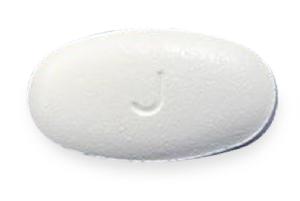
Maraviroc (Monograph)
Brand name: Selzentry
Drug class: HIV Entry and Fusion Inhibitors
Warning
- Hepatotoxicity
-
Hepatotoxicity reported; may be preceded by severe rash or signs of a systemic allergic reaction (e.g., fever, eosinophilia, elevated IgE antibody levels).
-
Immediately evaluate signs or symptoms of hepatitis or allergic reactions.
Introduction
Antiretroviral; HIV entry inhibitor; CC chemokine receptor type 5 (CCR5) antagonist.
Uses for Maraviroc
Treatment of HIV Infection
Used in combination with other antiretroviral agents for treatment of HIV-1 infection in adults and pediatric patients weighing ≥2 kg infected with CC chemokine receptor 5 (CCR5)-tropic HIV-1.
Not recommended in patients with dual/mixed-tropic or CXC chemokine receptor 4 (CXCR4)-tropic HIV-1 infection. Outgrowth of preexisting low levels of dual/mixed-tropic or CXCR4-tropic HIV-1 not detected during initial screening has been associated with virologic failure in patients receiving maraviroc.
Not recommended for initial treatment regimens in antiretroviral-naïve patients because of the need for CCR5 tropism testing before beginning therapy.
May be used as part of an optimized regimen following virologic failure of an existing regimen; consult guidelines for the most current information on recommended regimens. Selection of an optimized regimen should be individualized based on factors such as virologic efficacy, toxicity, current and previous drug-resistance test results, and availability of antiretrovirals with a high barrier to resistance.
Postexposure Prophylaxis following Occupational Exposure to HIV
Only recommended for use in postexposure prophylaxis of HIV infection following occupational exposure† [off-label] (PEP) in health-care personnel and others after expert consultation.
USPHS recommends a 3-drug regimen of raltegravir in conjunction with emtricitabine and tenofovir disoproxil fumarate (tenofovir DF) as the preferred regimen for PEP following occupational exposures to HIV. Maraviroc is one of several alternative agents that may be used in conjunction with other antiretrovirals for PEP, but use only with expert consultation.
Management of occupational exposures to HIV is complex and evolving; consult infectious disease specialist, clinician with expertise in administration of antiretroviral agents, and/or National Clinicians’ Postexposure Prophylaxis Hotline (PEPline at 888-448-4911) whenever possible. Do not delay initiation of PEP while waiting for expert consultation.
Postexposure Prophylaxis following Nonoccupational Exposure to HIV (nPEP)
Only recommended for use in postexposure prophylaxis of HIV infection following nonoccupational exposure† [off-label] (nPEP; e.g., after sexual, injection drug use, or other nonoccupational exposures) after expert consultation.
When nPEP indicated in adults and adolescents ≥13 years of age with normal renal function, CDC states preferred regimen is either raltegravir or dolutegravir used in conjunction with emtricitabine and tenofovir DF (given as emtricitabine/tenofovir DF); recommended alternative in these patients is ritonavir-boosted darunavir used in conjunction with emtricitabine/tenofovir DF.
CDC states maraviroc is an alternative antiretroviral that can be used in nPEP regimens, but use in such regimens only with expert consultation.
Consult infectious disease specialist, clinician with expertise in administration of antiretroviral agents, and/or the National Clinicians’ Postexposure Prophylaxis Hotline (PEPline at 888-448-4911) if nPEP indicated in certain exposed individuals (e.g., pregnant women, children, those with medical conditions such as renal impairment) or if considering a regimen not included in CDC guidelines, source virus is known or likely to be resistant to antiretrovirals, or healthcare provider is inexperienced in prescribing antiretrovirals. Do not delay initiation of nPEP while waiting for expert consultation.
Maraviroc Dosage and Administration
General
Pretreatment Screening
-
Prior to initiation of maraviroc for treatment of HIV-1, test all patients for CCR5 tropism using a highly sensitive tropism assay.
-
Monitor serum concentrations of AST, ALT, and bilirubin prior to initiation of maraviroc.
Patient Monitoring
-
Monitor serum concentrations of AST, ALT, and bilirubin as clinically indicated during treatment with maraviroc.
-
Monitor for adverse cardiovascular events more closely in patients with cardiovascular comorbidities, risk factors for postural hypotension, or receiving concomitant drugs known to lower blood pressure.
-
Monitor for hepatotoxicity more closely in patients with preexisting liver dysfunction or who are co-infected with hepatitis B virus (HBV) and/or hepatitis C virus C (HCV).
-
Closely monitor for evidence of infections during treatment with maraviroc.
-
Closely monitor for maraviroc-associated adverse events in patients with moderate hepatic impairment who receive maraviroc 150 mg with a potent CYP3A inhibitor.
Dispensing and Administration Precautions
-
The Institute for Safe Medication Practices (ISMP) list of error-prone abbreviations, symbols, and dose designations states that the use of abbreviations for antiretroviral medications (e.g., DOR, TAF, TDF) during the medication use process should be avoided as their use has been associated with serious medication errors.
Administration
Oral Administration
Available as oral tablets and oral solution. Administer orally twice daily without regard to food. Administer in combination with other antiretroviral agents.
Tablet
Swallow whole; do not chew.
Assess children for ability to swallow tablets; use oral solution instead of tablets in those unable to reliably swallow tablets.
Oral Solution
Administer using press-in bottle adapter and appropriate oral dosing syringe supplied by the manufacturer; use 3-mL oral syringe for doses ≤2.5 mL and 10-mL oral syringe for doses >2.5 mL
Exercise care when measuring neonate doses due to the small volumes of oral solution required.
Consult manufacturer's information for more specific information regarding administration of the oral solution.
Dosage
Pediatric Patients
Pediatric dosage is based on weight and should not exceed recommended adult dosage. Recommended dosage also differs based on concomitant drugs.
Treatment of HIV-1 Infection
Pediatric Patients ≥2 Years of Age Weighing >10 kg Treated with Maraviroc Tablets
OralPediatric patients ≥2 years of age weighing ≥10 kg treated with maraviroc tablets: see Table 1 for recommended dosage based on weight and concomitant drug.
|
Body Weight (kg) |
Dosage of Tablets |
|---|---|
|
Concomitant potent CYP3A inhibitors (with or without CYP3A inducer) |
|
|
10 to <14 |
50 mg twice daily |
|
14 to <20 |
50 mg twice daily |
|
20 to <30 |
75 mg twice daily |
|
30 to <40 |
100 mg twice daily |
|
≥40 |
150 mg twice daily |
|
Noninteracting concomitant drugs (all drugs that are not potent CYP3A inhibitors or inducers) |
|
|
10 to <14 |
150 mg twice daily |
|
14 to <20 |
200 mg twice daily |
|
20 to <30 |
200 mg twice daily |
|
30 to <40 |
300 mg twice daily |
|
≥40 |
300 mg twice daily |
Potent CYP3A inhibitors (with or without a CYP3A inducer) including: protease inhibitors (except ritonavir-boosted tipranavir), cobicistat, ritonavir-boosted elvitegravir, nefazodone, ketoconazole, itraconazole, and clarithromycin.
Noninteracting concomitant drugs including all drugs that are not potent CYP3A inhibitors or inducers, such as: ritonavir-boosted tipranavir, nevirapine, all NRTIs, enfuvirtide, dolutegravir, and raltegravir.
Pediatric Patients Weighing ≥2 Kg Treated with Maraviroc Oral Solution
OralPediatric patients weighing ≥2 kg receiving treated with maraviroc oral solution: see Table 2 for recommended dosage based on weight and concomitant drug.
|
Body Weight (kg) |
Dosage of Oral Solution Containing 100 mg/5 mL |
|---|---|
|
Concomitant potent CYP3A inhibitors (with or without CYP3A inducer) |
|
|
2 to <10 |
Not recommended; insufficient data available |
|
10 to <14 |
50 mg (2.5 mL) twice daily |
|
14 to <20 |
50 mg (2.5 mL) twice daily |
|
20 to <30 |
80 mg (4 mL) twice daily |
|
30 to <40 |
100 mg (5 mL) twice daily |
|
≥40 |
150 mg (7.5 mL) twice daily |
|
Noninteracting concomitant drugs (all drugs that are not potent CYP3A inhibitors or inducers) |
|
|
2 to <4 |
30 mg (1.5 mL) twice daily |
|
4 to <6 |
40 mg (2 mL) twice daily |
|
6 to <10 |
100 mg (5 mL) twice daily |
|
10 to <14 |
150 mg (7.5 mL) twice daily |
|
14 to <20 |
200 mg (10 mL) twice daily |
|
20 to <30 |
200 mg (10 mL) twice daily |
|
30 to <40 |
300 mg (15 mL) twice daily |
|
≥40 |
300 mg (15 mL twice daily) |
Potent CYP3A inhibitors (with or without a CYP3A inducer) including: protease inhibitors (except ritonavir-boosted tipranavir), cobicistat, ritonavir-boosted elvitegravir, nefazodone, ketoconazole, itraconazole, and clarithromycin.
Noninteracting concomitant drugs including all drugs that are not potent CYP3A inhibitors or inducers, such as: ritonavir-boosted tipranavir, nevirapine, all NRTIs, enfuvirtide, dolutegravir, and raltegravir.
Adults
Dosage is based on different concomitant drugs.
Treatment of HIV-1 Infection
Adults Receiving a Potent CYP3A Inhibitor (with or without a CYP3A Inducer)
OralPatients receiving concomitant therapy with a potent CYP3A inhibitor (e.g., protease inhibitors [except ritonavir-boosted tipranavir], cobicistat, ritonavir-boosted elvitegravir, ketoconazole, itraconazole, clarithromycin, other potent CYP3A inhibitors) with or without a potent CYP3A inducer: 150 mg twice daily.
Adults Receiving Noninteracting (Drugs that are not CYP3A Inhibitors or Inducers)
OralPatients receiving concomitant therapy with noninteracting concomitant drugs (all drugs that are not potent CYP3A inhibitors or inducers, such as ritonavir-boosted tipranavir, nevirapine, NRTIs, enfuvirtide, dolutegravir, and raltegravir): 300 mg twice daily.
Adults Receiving Potent and Moderate CYP3A Inducers (without a Potent CYP3A Inhibitor)
OralPatients receiving concomitant therapy with potent and moderate CYP3A inducers (e.g., efavirenz, etravirine, rifampin, carbamazepine, phenobarbital, phenytoin) and the regimen does not include a potent CYP3A inhibitor: 600 mg twice daily.
Postexposure Prophylaxis following Occupational Exposure to HIV† [off-label]
Oral
300 mg twice daily, provided patient is not receiving a potent CYP3A inducer or inhibitor. Use in conjunction with other antiretrovirals.
Initiate PEP as soon as possible following occupational exposure to HIV (preferably within hours); continue for 4 weeks, if tolerated.
Special Populations
Hepatic Impairment
No specific dosage recommendations at this time. . Plasma concentrations may be increased when administered to patients with hepatic impairment.
Renal Impairment
Adults with renal impairment: dosage adjustments outlined in Table 3.
|
Concomitant Drugs |
Mild Renal Impairment (ClCr >50 and ≤80 mL/minute) |
Moderate Renal Impairment (ClCr ≥30 and ≤50 mL/minute) |
Severe Renal Impairment (ClCr <30 mL/minute) |
End-Stage Renal Disease on Regular Hemodialysis |
|---|---|---|---|---|
|
Potent CYP3A inhibitors (with or without a CYP3A inducer) |
150 mg twice daily |
150 mg twice daily |
Contraindicated |
Contraindicated |
|
Noninteracting concomitant drugs (all drugs that are not potent CYP3A inhibitors or inducers) |
300 mg twice daily |
300 mg twice daily |
300 mg twice daily |
300 mg twice daily (reduce to 150 mg twice daily if there are any symptoms of postural hypotension) |
|
Potent and moderate CYP3A inducers (without a potent CYP3A inhibitor) |
600 mg twice daily |
600 mg twice daily |
Contraindicated |
Contraindicated |
Potent CYP3A inhibitors (with or without a CYP3A inducer) including: protease inhibitors (except ritonavir-boosted tipranavir), cobicistat, ritonavir-boosted elvitegravir, nefazodone, ketoconazole, itraconazole, and clarithromycin.
Noninteracting concomitant drugs including all drugs that are not potent CYP3A inhibitors or inducers, such as: ritonavir-boosted tipranavir, nevirapine, all NRTIs, enfuvirtide, dolutegravir, and raltegravir.
Potent and moderate CYP3A inducers (without a potent CYP3A inhibitor) including: efavirenz, etravirine, rifampin, carbamazepine, phenobarbital, and phenytoin.
Pediatric patients with mild or moderate renal impairment (Clcr ≥30 mL/minute): Data not available to make dosage recommendations.
Pediatric patients with severe renal impairment or with ESRD on hemodialysis receiving a potent CYP3A inhibitor or inducer: Contraindicated.
Geriatric Patients
No specific dosage recommendations at this time. Use caution because of possible age-related decreases in hepatic, renal, and/or cardiac function and concomitant disease and drug therapy.
Cautions for Maraviroc
Contraindications
-
Severe renal impairment (Clcr <30 mL/minute) or ESRD receiving concomitant therapy with potent CYP3A inhibitor or inducer.
Warnings/Precautions
Warnings
Hepatotoxicity
Hepatotoxicity with allergic features, including life-threatening events, reported. May be preceded by severe rash or signs of systemic allergic reaction (e.g., fever, eosinophilia, elevated IgE antibody levels). (See Boxed Warning.)
Hepatitis has occurred without allergic features and in patients without preexisting hepatic disease.
Perform appropriate laboratory testing (e.g., ALT, AST, bilirubin) prior to and as clinically indicated during maraviroc therapy.
Safety and efficacy not specifically studied in patients with clinically important underlying liver disease. If used in patients with preexisting liver dysfunction or in those with HBV or HCV infection, additional monitoring may be necessary.
Assess hepatic function in any patient who develops rash or signs or symptoms of hepatitis or allergic reaction.
Consider discontinuing maraviroc in any patient with signs or symptoms of hepatitis or with increased liver transaminases with rash or other systemic symptoms.
Other Warnings and Precautions
Severe Skin and Hypersensitivity Reactions
Severe, potentially life-threatening skin and hypersensitivity reactions reported, usually in patients receiving maraviroc and concomitant therapy with other drugs associated with such reactions. Stevens-Johnson syndrome, toxic epidermal necrolysis, and drug rash with eosinophilia and systemic symptoms (DRESS) reported; cases usually involved rash, constitutional findings, and sometimes organ dysfunction, including hepatic failure.
Immediately discontinue maraviroc and other suspected agents if signs or symptoms of severe skin or hypersensitivity reactions occur (e.g., severe rash or rash accompanied by fever, malaise, muscle or joint aches, blisters, oral lesions, conjunctivitis, facial edema, lip swelling, and/or eosinophilia). Life-threatening reactions could occur if discontinuance of maraviroc or other suspect agents is delayed after onset of rash.
Monitor clinical status, including liver aminotransferases, and initiate appropriate therapy.
Cardiovascular Effects
Cardiovascular events (including myocardial ischemia and/or MI) reported. Events generally occurred in individuals with cardiac disease or risk factors for cardiac disease.
Symptomatic postural hypotension reported in healthy individuals receiving higher than recommended dosages of maraviroc.
Patients with cardiovascular comorbidities or risk factors for postural hypotension and patients receiving concomitant therapy with drugs with hypotensive effects could be at increased risk of adverse cardiovascular events triggered by postural hypotension. Additional monitoring may be warranted in such patients.
Consider that severe renal insufficiency or ESRD may increase risk of postural hypotension because of increased maraviroc plasma concentrations.
Immune Reconstitution Syndrome
During initial treatment, patients who respond to antiretroviral therapy may develop an inflammatory response to indolent or residual opportunistic infections (e.g., Mycobacterium avium, M. tuberculosis, cytomegalovirus, Pneumocystis jirovecii, herpes simplex virus, varicella-zoster virus); this may necessitate further evaluation and treatment.
Autoimmune disorders (e.g., Graves' disease, polymyositis, Guillain-Barré syndrome) also reported in the setting of immune reconstitution; time to onset is more variable and can occur many months after initiation of antiretroviral therapy.
Infection
Possible increased risk of infection with agents that bind to CCR5 receptors (e.g., maraviroc). Monitor for infection.
Malignancy
Possible increased risk of malignancy with agents that bind to CCR5 receptors (e.g., maraviroc). Risk not fully evaluated.
Coreceptor Tropism Assay
CCR5 tropism testing with a highly sensitive tropism assay is required for appropriate use of maraviroc. Also consider such testing in patients who exhibit virologic failure while receiving a CCR5 antagonist.
Specific Populations
Pregnancy
Antiretroviral Pregnancy Registry at 800-258-4263 or [Web].
Limited data on use of maraviroc in pregnant women. In animals, no evidence of adverse developmental outcomes observed with systemic exposures in rats or rabbits approximately 20 or 5 times higher, respectively, than systemic exposures in humans at recommended dosages.
Low concentrations cross the placenta in humans.
Lactation
Distributed into milk in rats. Not known whether distributed into human milk, affects human milk production, or affects breast-fed infant.
The HHS perinatal HIV transmission guideline provides updated recommendations on infant feeding. The guideline states that patients with HIV should receive evidence-based, patient-centered counseling to support shared decision making about infant feeding. During counseling, patients should be informed that feeding with appropriate formula or pasteurized donor human milk from a milk bank eliminates the risk of postnatal HIV transmission to the infant. Additionally, achieving and maintaining viral suppression with antiretroviral therapy during pregnancy and postpartum reduces the risk of breastfeeding HIV transmission to <1%, but does not completely eliminate the risk. Replacement feeding with formula or banked pasteurized donor milk is recommended when patients with HIV are not on antiretroviral therapy and/or do not have a suppressed viral load during pregnancy (at a minimum throughout the third trimester), as well as at delivery.
Pediatric Use
Safety and efficacy established in pediatric patients from birth to <18 years of age. Use in pediatric patients supported by pharmacokinetic and safety data in pediatric patients and by previous demonstration of efficacy in adult patients.
Clinical trial evaluated safety, antiviral activity, and pharmacokinetics in treatment-experienced, CCR5-tropic, HIV-1–infected pediatric patients 2 to <18 years of age weighing ≥10 kg. Pharmacokinetics in those receiving potent CYP3A inhibitors (with or without a potent CYP3A inducer) were similar to those observed in adults.
No clinical trials or pharmacokinetic data are available in children 6 weeks to <2 years of age. Dosing recommendations in these patients concomitantly receiving noninteracting drugs are solely based on population pharmacokinetic modeling and simulation.
Clinical trial evaluated safety and pharmacokinetics in HIV-1–exposed neonates (born to HIV-1 infected mothers) who weighed ≥2 kg at birth; ages ranged from birth to 6 weeks of age; pharmacokinetic parameters similar to adults.
Insufficient data to make dosage recommendations for use in pediatric patients weighing <10 kg and concomitantly receiving drugs that are CYP3A inhibitors, or in any pediatric patient receiving a potent CYP3A inducer (such as efavirenz, etravirine, rifampin, carbamazepine, phenobarbital, or phenytoin) without a potent CYP3A inhibitor.
Not recommended in pre-term neonates or in pediatric patients weighing <2 kg.
Geriatric Use
Insufficient experience in patients ≥65 years of age to determine whether they respond differently than younger adults.
Use with caution because of age-related decreases in hepatic and renal function and/or concomitant disease and drug therapy.
Hepatic Impairment
Use with caution in individuals with hepatic impairment and in those coinfected with HBV or HCV.
Safety and efficacy not specifically studied in patients with clinically important underlying liver disorders. Insufficient data available to determine whether patients coinfected with HBV or HCV are at increased risk for adverse hepatic effects.
Monitor closely for maraviroc-associated adverse effects in individuals with moderate hepatic impairment receiving maraviroc 150 mg twice daily who are receiving a drug that strongly inhibits CYP3A.
Renal Impairment
Adults with severe renal impairment (Clcr <30 mL/minute) or with ESRD on regular hemodialysis receiving concomitant therapy with a potent CYP3A inhibitor or inducer: Contraindicated.
Adults with severe renal impairment or ESRD not receiving concomitant therapy with a potent CYP3A inhibitor or inducer: Use only when no alternative treatment options are available. Decrease dosage if any symptoms of postural hypotension occur.
Pediatric patients with renal impairment: Insufficient data to recommend dosage in those with mild or moderate renal impairment. Contraindicated in those with severe renal impairment or with ESRD on regular hemodialysis who are receiving a potent CYP3A inhibitor or inducer.
Common Adverse Effects
Most common adverse effects (incidence >8%) in antiretroviral-experienced adults: upper respiratory tract infections, cough, pyrexia, rash, dizziness.
Most common adverse effects (incidence >8%) in treatment-naive adults: upper respiratory tract infections, bronchitis, flatulence, bloating and distention, upper respiratory tract signs and symptoms, GI atonic and hypomotility disorders.
Most common adverse effects (incidence ≥3%) in treatment-experienced pediatric patients: vomiting, abdominal pain, diarrhea, nausea, dizziness. In neonates from birth to 6 weeks of age, the most common adverse effect was decreased hemoglobin.
Drug Interactions
Metabolized by CYP3A.
Does not inhibit CYP1A2, 2B6, 2C8, 2C9, 2C19, or 3A; may inhibit CYP2D6 at higher than recommended dosage. Does not induce CYP1A2.
Substrate for p-glycoprotein (P-gp), organic anion transporter polypeptide (OATP) 1B1, and multidrug resistance-associated protein (MRP) 2.
Unlikely to inhibit the uptake of OATP1B1 or export of MRP2.
Not a substrate for, and does not inhibit, organic anion transporter (OAT) 1, OAT3, organic cation transporter (OCT) 2, novel organic cation transporter (OCTN) 1, or OCTN2 at clinically important concentrations.
Drugs Affecting or Metabolized by Hepatic Microsomal Enzymes
Potential pharmacokinetic interactions with drugs that induce or inhibit CYP3A with possible altered metabolism of maraviroc.
Drugs Affecting or Affected by P-glycoprotein Transport
Pharmacokinetic interactions likely with drugs that are P-gp inhibitors or inducers with possible altered pharmacokinetics of maraviroc.
In vitro studies suggest maraviroc could inhibit P-gp in the gut, but in vivo studies indicate the drug may not inhibit or induce P-gp to any clinically important extent.
Drugs Affecting or Affected by Organic Anion Transporters
Drugs that are inhibitors of OATP1B1 may alter pharmacokinetics of maraviroc; dosage adjustment may be required when maraviroc is coadministered with such drugs.
Drugs Affecting or Affected by Multidrug Resistance-associated Protein
Drugs that are inhibitors of MRP2 may alter pharmacokinetics of maraviroc; dosage adjustment may be required when maraviroc is coadministered with such drugs.
Specific Drugs
|
Drug |
Interaction |
Comments |
|---|---|---|
|
Abacavir |
No in vitro evidence of antagonistic antiretroviral effects |
Recommended maraviroc dosage in adults is 300 mg twice daily when used in conjunction with NRTIs, provided the regimen does not include a potent CYP3A inhibitor or inducer |
|
Anticonvulsants (carbamazepine, phenobarbital, phenytoin) |
Expected to decrease maraviroc concentrations; however, interactions not studied |
Carbamazepine, phenobarbital, phenytoin: Recommended maraviroc dosage in adults is 600 mg twice daily, provided regimen does not include a potent CYP3A inhibitor |
|
Antifungals, azoles |
Itraconazole: Possible pharmacokinetic interaction Ketoconazole: Increased maraviroc concentrations and AUC |
Itraconazole: Recommended maraviroc dosage in adults is 150 mg twice daily Ketoconazole: Recommended maraviroc dosage in adults is 150 mg twice daily |
|
Rifampin |
Possible pharmacokinetic interaction; decreased maraviroc concentrations |
Rifampin: Recommended maraviroc dosage in adults is 600 mg twice daily if regimen does not include a potent CYP3A inhibitor |
|
Atazanavir |
Ritonavir-boosted, or unboosted atazanavir: Increased maraviroc concentrations and AUC No in vitro evidence of antagonistic antiretroviral effects |
Recommended maraviroc dosage in adults is 150 mg twice daily |
|
Clarithromycin |
Possible increased maraviroc concentrations |
Recommended maraviroc dosage in adults is 150 mg twice daily |
|
Co-trimoxazole |
No effect on maraviroc pharmacokinetics |
|
|
Darunavir |
Ritonavir-boosted darunavir: Increased maraviroc concentrations and AUC No in vitro evidence of antagonistic antiretroviral effects |
Recommended maraviroc dosage in adults is 150 mg twice daily |
|
Didanosine |
No in vitro evidence of antagonistic antiretroviral effects |
Recommended maraviroc dosage in adults is 300 mg twice daily when used in conjunction with NRTIs, provided the regimen does not include a potent CYP3A inhibitor or inducer |
|
Dolutegravir |
Recommended maraviroc dosage in adults is 300 mg twice daily |
|
|
Efavirenz |
Decreased maraviroc concentrations and AUC No in vitro evidence of antagonistic antiretroviral effects |
Recommended maraviroc dosage in adults is 600 mg twice daily when used with efavirenz, provided regimen does not include a potent CYP3A inhibitor |
|
Elvitegravir |
Pharmacokinetic interaction exists with ritonavir-boosted elvitegravir: increased maraviroc plasma concentrations |
Ritonavir-boostedelvitegravir: recommended maraviroc dosage in adults is 150 mg twice daily |
|
Emtricitabine |
No in vitro evidence of antagonistic antiretroviral effects |
Recommended maraviroc dosage in adults is 300 mg twice daily when used in conjunction with NRTIs, provided the regimen does not include a potent CYP3A inhibitor or inducer |
|
Enfuvirtide |
No in vitro evidence of antagonistic antiretroviral effects |
Recommended maraviroc dosage is 300 mg twice daily when used with enfuvirtide, provided regimen does not include a potent CYP3A inhibitor or inducer |
|
Estrogens/Progestins |
Oral contraceptives containing ethinyl estradiol and levonorgestrel: No clinically important effect on pharmacokinetics of the oral contraceptive |
|
|
Etravirine |
Decreased maraviroc concentrations and AUC |
Recommended maraviroc dosage in adults is 600 mg twice daily, provided regimen does not include a potent CYP3A inhibitor |
|
Fosamprenavir |
Increased maraviroc concentrations and AUC; decreased amprenavir (active metabolite of fosamprenavir) concentrations and AUC No in vitro evidence of antagonistic antiretroviral effects between amprenavir and maraviroc |
Recommended maraviroc dosage in adults is 150 mg twice daily with ritonavir-boosted fosamprenavir dosed once or twice daily Fosamprenavir without low-dose ritonavir: Do not use with maraviroc |
|
Indinavir |
No in vitro evidence of antagonistic antiretroviral effects |
Recommended maraviroc dosage in adults is 150 mg twice daily |
|
Lamivudine |
No effect on lamivudine pharmacokinetics No in vitro evidence of antagonistic antiretroviral effects |
Recommended maraviroc dosage in adults is 300 mg twice daily when used in conjunction with NRTIs, provided the regimen does not include a potent CYP3A inhibitor or inducer |
|
Lopinavir/ritonavir |
Substantially increased maraviroc concentrations and AUC No in vitro evidence of antagonistic antiretroviral effects |
Recommended maraviroc dosage in adults is 150 mg twice daily |
|
Midazolam |
No change in the pharmacokinetics of midazolam |
|
|
Nefazodone |
Possible pharmacokinetic interaction |
Recommended maraviroc dosage is 150 mg in adults twice daily |
|
Nelfinavir |
No in vitro evidence of antagonistic antiretroviral effects |
Recommended maraviroc dosage is 150 mg in adults twice daily |
|
Nevirapine |
No in vitro evidence of antagonistic antiretroviral effects |
Recommended maraviroc dosage in adults is 300 mg twice daily |
|
Raltegravir |
Decreased raltegravir concentrations and AUC (not clinically important); |
If used in conjunction with raltegravir in a regimen that does not include a potent CYP3A inhibitor or inducer, recommended maraviroc dosage in adults is 300 mg twice daily |
|
Ritonavir |
Low-dose ritonavir: Increased maraviroc concentrations and AUC No in vitro evidence of antagonistic antiretroviral effects |
Regimens that include low-dose ritonavir (except ritonavir-boosted tipranavir): Recommended maraviroc dosage in adults is 150 mg twice daily |
|
St. John’s wort (Hypericum perforatum) |
Decreased maraviroc concentrations; potential for loss of virologic response and possible resistance to maraviroc |
Concomitant use not recommended |
|
Saquinavir |
Ritonavir-boosted saquinavir: Increased maraviroc concentrations and AUC Saquinavir: No in vitro evidence of antagonistic antiretroviral effects |
Ritonavir-boosted saquinavir: Recommended maraviroc dosage in adults is 150 mg twice daily |
|
Tenofovir |
No effect on maraviroc pharmacokinetics No in vitro evidence of antagonistic antiretroviral effects |
Recommended maraviroc dosage in adults is 300 mg twice daily when used in conjunction with NRTIs, provided the regimen does not include a potent CYP3A inhibitor or inducer |
|
Tipranavir |
Ritonavir-boosted tipranavir: No clinically important effect on maraviroc pharmacokinetics No in vitro evidence of antagonistic antiretroviral effects |
Ritonavir-boosted tipranavir: Recommended maraviroc dosage in adults is 300 mg twice daily provided the regimen does not include a potent CYP3A inhibitor or inducer |
|
Zidovudine |
No effect on zidovudine pharmacokinetics No in vitro evidence of antagonistic antiretroviral effects |
Recommended maraviroc dosage in adults is 300 mg twice daily when used in conjunction with NRTIs, provided the regimen does not include a potent CYP3A inhibitor or inducer |
Maraviroc Pharmacokinetics
Absorption
Bioavailability
Absolute bioavailability of a 100-mg oral dose is 23%; absolute bioavailability of a 300-mg dose predicted to be 33%.
Following oral administration, peak plasma concentrations attained in 0.5–4 hours.
Food
AUC and peak plasma concentration decreased by 33% when a 300-mg tablet was administered with a high-fat meal. AUC decreased by 73% when 75 mg of the oral solution was administered with a high-fat meal.
Special Populations
Adults with mild or moderate hepatic impairment: Increased plasma concentrations and AUC, especially in those with moderate hepatic impairment receiving maraviroc 150 mg concomitantly with a potent CYP3A inhibitor.
Adults with severe hepatic impairment: Not studied.
Pediatric patients with hepatic impairment: Not studied.
Adults with mild or moderate renal impairment: Pharmacokinetics similar to adults with normal renal function.
Adults with severe renal impairment (Clcr <30 mL/minute) or ESRD: Increased plasma concentrations and AUC.
Pediatric patients 2 to <18 years of age receiving a potent CYP3A inhibitor (with or without a potent CYP3A inducer): Pharmacokinetics similar to those observed in adults.
Pediatric patients 2 to <18 years of age receiving noninteracting concomitant drugs: Pharmacokinetic data limited. Based on population pharmacokinetic modeling and simulation, recommended dosing regimen for this population predicted to result in similar maraviroc exposures as seen in adults receiving maraviroc 300 mg twice daily with noninteracting concomitant drugs.
Pediatric patients 6 weeks to <2 years of age: Pharmacokinetic data not available.
Neonates (weighing ≥2 kg at birth) ranging from birth to 6 weeks of age: Pharmacokinetics similar to those observed in adults.
Geriatric patients ≥65 years of age: Maraviroc pharmacokinetics not fully assessed.
Pregnant women: Exposures 28–30% lower during third trimester compared with postpartum exposures.
Distribution
Extent
Low concentrations cross placenta in humans.
Distributed into milk in rats; not known whether distributed into human milk.
Plasma Protein Binding
Approximately 76%.
Elimination
Metabolism
Principally metabolized by CYP3A to inactive metabolites.
Elimination Route
Approximately 20% of a dose eliminated in urine (8% as unchanged maraviroc) and 76% of a dose excreted in feces (25% as unchanged maraviroc).
Hemodialysis has only minimal effect on maraviroc clearance in patients with ESRD.
Half-life
14–18 hours.
Stability
Storage
Oral
Solution
20–25°C (excursions permitted between 15–30°C). Discard any unused oral solution 60 days after first opening the bottle.
Tablets, film-coated
20–25°C (excursions permitted between 15–30°C).
Actions and Spectrum
-
Active against HIV type 1 (HIV-1); may be active against some HIV-2 isolates.
-
CCR5 antagonist; CCR5 is a coreceptor for the most commonly transmitted HIV-1 strains that predominate during the early stages of infection and remains the dominant form in many patients with late-stage infection.
-
Selectively binds to CCR5 on the cell membrane and prevents the interaction of HIV-1 glycoprotein 120 and CCR5 necessary for CCR5-tropic HIV-1 to enter cells.
-
Does not inhibit CXCR4-tropic and dual/mixed-tropic HIV-1 entry into cells.
-
Active against some strains of HIV-1 resistant to NRTIs, NNRTIs, PIs, and HIV entry and fusion inhibitors (enfuvirtide).
Advice to Patients
-
Inform patients about the critical nature of compliance with HIV therapy and importance of remaining under the care of a clinician. Inform patients to take the antiretroviral regimen as prescribed and to not alter or discontinue the antiretroviral regimen without consulting a clinician.
-
Inform patients that maraviroc is used in conjunction with other antiretrovirals, and is not for monotherapy.
-
If a dose of maraviroc is missed, instruct patients to take the dose as soon as possible and to take the next dose at the regularly scheduled time. Advise patients not to double the next dose or take more than the prescribed dose.
-
Advise patients that liver problems, including life-threatening reactions, have occurred. Advise patients to inform their clinician if they have underlying hepatitis B or C infection or elevations in liver laboratory tests prior to starting therapy. Advise patients to discontinue maraviroc immediately and seek medical attention if signs or symptoms of hepatitis or allergic reactions (e.g., rash, yellow skin or eyes, dark urine, vomiting, abdominal pain) occur. Inform patients that their clinician will order laboratory tests for liver enzymes and bilirubin prior to starting maraviroc, at certain times during treatment, and if they develop severe rash or signs and symptoms of hepatitis or an allergic reaction during treatment.
-
Advise patients with cardiovascular comorbidities, a history of postural hypotension or receiving drugs known to lower blood pressure, that they may be at increased risk for cardiovascular events. Advise patients to avoid driving a motor vehicle or operating hazardous machinery if they experience dizziness while taking maraviroc.
-
Advise women to inform their clinician if they are or plan to become pregnant. Inform patients that there is a pregnancy registry that monitors outcomes in women exposed to maraviroc during pregnancy.
-
Advise women to inform their clinician if they plan to breast-feed.
-
Advise patients to inform their clinician of existing or contemplated concomitant therapy, including prescription and OTC drugs and herbal products (e.g., St. John’s wort), and any concomitant illnesses.
-
Advise patients of other important precautionary information.
Additional Information
The American Society of Health-System Pharmacists, Inc. represents that the information provided in the accompanying monograph was formulated with a reasonable standard of care, and in conformity with professional standards in the field. Readers are advised that decisions regarding use of drugs are complex medical decisions requiring the independent, informed decision of an appropriate health care professional, and that the information contained in the monograph is provided for informational purposes only. The manufacturer’s labeling should be consulted for more detailed information. The American Society of Health-System Pharmacists, Inc. does not endorse or recommend the use of any drug. The information contained in the monograph is not a substitute for medical care.
Preparations
Excipients in commercially available drug preparations may have clinically important effects in some individuals; consult specific product labeling for details.
Please refer to the ASHP Drug Shortages Resource Center for information on shortages of one or more of these preparations.
* available from one or more manufacturer, distributor, and/or repackager by generic (nonproprietary) name
|
Routes |
Dosage Forms |
Strengths |
Brand Names |
Manufacturer |
|---|---|---|---|---|
|
Oral |
Tablets, film-coated |
25 mg |
Selzentry |
ViiV |
|
75 mg |
Selzentry |
ViiV |
||
|
150 mg* |
Maraviroc Tablets |
|||
|
Selzentry |
ViiV |
|||
|
300 mg* |
Maraviroc Tablets |
|||
|
Selzentry |
ViiV |
|||
|
Oral solution |
100 mg/5 mL |
Selzentry |
ViiV |
AHFS DI Essentials™. © Copyright 2025, Selected Revisions March 10, 2025. American Society of Health-System Pharmacists, Inc., 4500 East-West Highway, Suite 900, Bethesda, Maryland 20814.
† Off-label: Use is not currently included in the labeling approved by the US Food and Drug Administration.
Reload page with references included
Related/similar drugs
More about maraviroc
- Check interactions
- Compare alternatives
- Pricing & coupons
- Reviews (3)
- Drug images
- Side effects
- Dosage information
- During pregnancy
- Drug class: chemokine receptor antagonist
- Breastfeeding
- En español