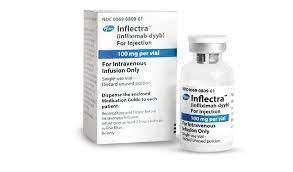
Infliximab (Monograph)
Brand names: Avsola, Inflectra, Remicade, Renflexis, Zymfentra
Drug class: Tumor Necrosis Factor Inhibitors, Miscellaneous
Warning
- Serious Infections
-
Increased risk of serious infections that may require hospitalization or result in death, particularly in patients receiving other immunosuppressive agents concomitantly; tuberculosis (frequently disseminated or extrapulmonary), invasive fungal infections (may be disseminated), bacterial (e.g., legionellosis, listeriosis) and viral infections, and other opportunistic infections reported.
-
Carefully consider risks and benefits prior to initiating therapy in patients with chronic or recurring infections.
-
Evaluate patients for latent tuberculosis infection prior to and periodically during therapy; if indicated, initiate appropriate antimycobacterial regimen prior to initiating infliximab therapy.
-
Closely monitor patients for infection, including active tuberculosis, in those with a negative tuberculin skin test during and after treatment. Discontinue infliximab if serious infection or sepsis occurs. Consider empiric antifungal therapy if serious systemic illness occurs in a patient at risk for invasive fungal infections. Serologic tests for histoplasmosis may be negative.
- Malignancy
-
Lymphoma and other malignancies (some fatal) reported in children and adolescents receiving TNF blocking agents.
-
Aggressive, usually fatal hepatosplenic T-cell lymphoma reported mainly in adolescent and young adult males with Crohn disease or ulcerative colitis receiving TNF blocking agents, including infliximab. Most patients received a combination of immunosuppressive agents, including TNF blocking agents and thiopurine analogs (azathioprine or mercaptopurine).
Introduction
Biologic response modifiers and disease-modifying antirheumatic drugs (DMARDs); chimeric human-murine monoclonal antibodies that block the biologic activity of tumor necrosis factor (TNF, TNF-α).
Infliximab-abda, infliximab-axxq, and infliximab-dyyb are biosimilars to infliximab (Remicade). A biosimilar is a biological that is highly similar to an FDA-licensed reference biological with the exception of minor differences in clinically inactive components and for which there are no clinically meaningful differences in safety, purity, or potency. Biosimilars are approved through an abbreviated licensure pathway that establishes biosimilarity between proposed biological and reference biological but does not independently establish safety and effectiveness of the proposed biological. In order to be considered an interchangeable biosimilar, a biological product must meet additional requirements beyond demonstrating biosimilarity to its reference product. None of the currently available infliximab biosimilars have interchangeable data at this time.
In this monograph, unless otherwise stated, the term “infliximab products” refers to infliximab (the reference drug) and its biosimilars (infliximab-abda, infliximab-axxq, infliximab-dyyb).
Uses for Infliximab
Several infliximab biosimilars are available. Biosimilarity of these products has been demonstrated for the indications described in the table below (see Table 1 ).
A sub-Q version of infliximab-dyyb (Zymfentra) is also available for the maintenance treatment of ulcerative colitis and Crohn disease in adults following treatment with IV infliximab.
|
FDA-labeled indication |
Infliximab-axxq (Avsola) |
Infliximab-dyyb (Inflectra) |
Infliximab-abda (Renflexis) |
|---|---|---|---|
|
Crohn disease in adults |
X |
X |
X |
|
Pediatric Crohn disease |
X |
X |
X |
|
Ulcerative colitis |
X |
X |
X |
|
Pediatric ulcerative colitis |
X |
X |
X |
|
Rheumatoid arthritis |
X |
X |
X |
|
Ankylosing spondylitis |
X |
X |
X |
|
Psoriatic arthritis |
X |
X |
X |
|
Plaque psoriasis |
X |
X |
X |
Crohn Disease
Used to reduce signs and symptoms and to induce and maintain clinical remission in adults with moderately to severely active Crohn disease who have had an inadequate response to conventional therapies; also used to reduce the number of draining enterocutaneous and rectovaginal fistulas and to maintain fistula closure in adults with fistulizing Crohn disease. Designated an orphan drug by FDA for these uses.
Sub-Q formulation of infliximab-dyyb is used for the maintenance treatment of moderately to severely active Crohn disease in adults following IV treatment with an infliximab product.
Drugs used to treat Crohn disease in adults include 5-aminosalicylates, antibiotics, corticosteroids, immunomodulators, and biologic agents including TNF blocking agents. Guidelines generally support use of infliximab for induction and maintenance therapy in adults with moderate to severe Crohn disease or fistulizing Crohn disease.
Also used to reduce signs and symptoms and to induce and maintain clinical remission in pediatric patients ≥6 years of age with moderately to severely active Crohn disease who have had an inadequate response to conventional therapy. Designated an orphan drug by FDA for these uses.
Role of TNF blocking agents in pediatric Crohn disease is generally induction and maintenance therapy in patients who fail an adequate trial of steroids and exclusive enteral nutrition and/or immunomodulators, unless there is a complex perianal fistula at diagnosis.
Ulcerative Colitis
Used to manage signs and symptoms, induce and maintain clinical remission and mucosal healing, and eliminate corticosteroid use in adults with moderate to severe active ulcerative colitis who have had an inadequate response to conventional therapies.
Sub-Q formulation of infliximab-dyyb is used for the maintenance treatment of moderately to severely active ulcerative colitis in adults following IV treatment with an infliximab product.
Drugs used to treat ulcerative colitis in adults include oral and rectal 5-aminosalicylates, oral and rectal corticosteroids, immunomodulators (e.g., thiopurines, methotrexate), tofacitinib, and biologic agents, including TNF blocking agents, vedolizumab, and ustekinumab. Guidelines generally support first-line use of TNF blocking agents for induction and maintenance of remission in patients with moderate to severe ulcerative colitis. Specific treatments for ulcerative colitis are selected according to disease severity, disease location/extent, disease prognosis, and previous therapies.
Used to manage signs and symptoms and to induce and maintain clinical remission in pediatric patients ≥6 years of age with moderate to severe active ulcerative colitis who have had an inadequate response to conventional therapies. Designated an orphan drug by FDA for treatment of ulcerative colitis in pediatric patients.
Role of TNF blocking agents in pediatric ulcerative colitis is generally in patients with moderate to severe disease who fail therapy with 5-aminosalicylates/azathioprine and/or who are unable to wean from corticosteroids on 5-aminosalicylate/azathioprine therapy.
Rheumatoid Arthritis
Used in conjunction with methotrexate to manage signs and symptoms, improve physical function, and inhibit progression of structural damage in adults with moderate to severe active rheumatoid arthritis.
Disease-modifying treatments for rheumatoid arthritis include conventional disease-modifying antirheumatic drugs (DMARDs) (e.g., hydroxychloroquine, leflunomide, methotrexate, sulfasalazine), biologic DMARDs (e.g., TNF blocking agents, abatacept, tocilizumab, sarilumab, rituximab), and/or targeted synthetic DMARDs (e.g., Janus kinase inhibitors).
Guidelines generally support the use of TNF blocking agents as add-on therapy to methotrexate in patients who do not meet treatment goals with methotrexate alone.
Specific agents for rheumatoid arthritis treatment are selected according to current disease activity, prior therapies used, and the presence of comorbidities.
Ankylosing Spondylitis
Used to manage signs and symptoms of active ankylosing spondylitis in adults. ,
Treatments for ankylosing spondylitis include nonsteroidal anti-inflammatory agents (NSAIAs), conventional DMARDs (e.g., methotrexate, sulfasalazine), biologic DMARDs (e.g., TNF blocking agents, secukinumab, ixekizumab), and/or targeted synthetic DMARDs (e.g., tofacitinib).
Guidelines generally support use of TNF blocking agents for the treatment of ankylosing spondylitis in patients with active disease despite treatment with NSAIAs.
Recommendations for treatment selection in ankylosing spondylitis vary based on the presence of certain comorbidities (e.g., iritis, inflammatory bowel disease).
Psoriatic Arthritis
Used to manage signs and symptoms, inhibit progression of structural damage, and improve physical function in adults with psoriatic arthritis.
Disease-modifying treatments for adults with psoriatic arthritis include oral small molecules (e.g., methotrexate, sulfasalazine, cyclosporine, leflunomide, apremilast), biologic DMARDs (e.g., TNF blocking agents, secukinumab, ixekizumab, ustekinumab, brodalumab, abatacept), and/or targeted synthetic DMARDs (e.g., tofacitinib).
Guidelines generally support use of TNF blocking agents as first-line treatment in patients with active psoriatic arthritis.
Recommendations for the use and selection of disease-modifying therapies in psoriatic arthritis vary based on the presence of certain disease characteristics (e.g., psoriatic spondylitis/axial disease, enthesitis) and comorbidities (e.g., inflammatory bowel disease, diabetes).
Plaque Psoriasis
Used to manage chronic, severe (i.e., extensive and/or disabling) plaque psoriasis in adults who are candidates for systemic therapy and in whom other systemic therapies are medically less appropriate. Use only in patients who will be closely monitored and have regular follow-up visits with a clinician.
Biologics used in the treatment of psoriasis include TNF blocking agents, ustekinumab, secukinumab, ixekizumab, brodalumab, guselkumab, tildrakizumab, and risankizumab.
Guidelines generally support use of TNF blocking agents in moderate to severe psoriasis, either as monotherapy or in combination with topical, oral, or phototherapy.
Recommendations for the use and selection of psoriasis therapies vary based on patient age, disease characteristics (e.g., severity, location, presence of psoriatic arthritis), and comorbidities (e.g., inflammatory bowel disease).
Juvenile Arthritis
Has been used in a limited number of pediatric patients with juvenile arthritis† [off-label]; further study needed.
Behcet’s Syndrome
Has been used in a limited number of patients with Behcet’s syndrome† [off-label].
Pyoderma Gangrenosum
Has been used in a limited number of patients with pyoderma gangrenosum† [off-label].
Infliximab Dosage and Administration
General
Pretreatment Screening
-
Evaluate all patients for active and inactive tuberculosis prior to initiating therapy.
-
Screen patients for hepatitis B virus (HBV) infection before initiation of therapy.
-
Do not initiate therapy in patients with an active infection, including clinically important localized infections.
Patient Monitoring
-
Monitor patients for infusion reactions during and for at least 30 minutes after IV infusion. Ensure that appropriate personnel and medications are available to treat infusion reactions. For patients without a history of acute infusion reactions with prior doses of the drug, monitor vital signs every 30 minutes; for patients with a history of such reactions, monitor every 15 minutes.
-
Monitor closely for signs or symptoms of infection (e.g., fever, malaise, weight loss, sweats, cough, dyspnea, pulmonary infiltrates, serious systemic illness including shock), including the possible development of tuberculosis in patients who tested negative for latent tuberculosis prior to initiating therapy, during and after treatment with TNF blocking agents.
-
Evaluate and monitor chronic carriers of HBV prior to the initiation of infliximab therapy, during treatment, and for several months following treatment.
-
Perform periodic dermatologic evaluations in all patients, particularly those with risk factors for skin cancer.
-
Monitor patients with psoriasis, particularly those who received prior prolonged phototherapy for their disease, for nonmelanoma skin cancer.
-
Perform periodic screening for cervical cancer in women.
-
Closely monitor patients during therapy for new or worsening symptoms of heart failure.
-
Monitor hepatic enzymes and liver function tests every 3 to 4 months during subcutaneous maintenance therapy with infliximab-dyyb (Zymfentra).
Premedication and Prophylaxis
-
May premedicate patients with histamine-1 receptor antagonists, histamine-2 receptor antagonists, acetaminophen, and/or corticosteroids to prevent infusion reactions.
Dispensing and Administration Precautions
-
To avoid medication errors, the Institute for Safe Medication Practices (ISMP) recommends that prescribers communicate both the brand and generic names for infliximab products on the prescription order form.
Other General Considerations
-
May continue treatment with agents used for management of Crohn disease or ulcerative colitis (e.g., corticosteroids, mesalamine, sulfasalazine, azathioprine, mercaptopurine, methotrexate, anti-infective agents) in patients receiving infliximab products. However, consider increased risks of hepatosplenic T-cell lymphoma with combination therapy and the observed (in infliximab studies) increase in immunogenicity and hypersensitivity reactions associated with infliximab products given as monotherapy.
-
Infliximab products are used in conjunction with methotrexate for management of rheumatoid arthritis. Other nonbiologic agents used for management of rheumatoid arthritis (e.g., corticosteroids, nonsteroidal anti-inflammatory agents [NSAIAs]) may be continued in patients receiving infliximab products.
-
Infliximab products can be used with or without methotrexate for management of psoriatic arthritis.
Administration
IV Administration
May administer by IV infusion.
Administer with an in-line, sterile, nonpyrogenic, low-protein-binding filter with a pore diameter of ≤1.2 µm.
Do not admix infliximab products with other drugs of infuse in the same IV line with other drugs.
Reconstitution
Reconstitute vial containing 100 mg of lyophilized infliximab product with 10 mL of sterile water for injection to provide a solution containing 10 mg/mL. Reconstitute the number of vials needed to provide the indicated dosage of infliximab product.
Direct diluent toward the side of the vial with a sterile syringe and a 21-gauge or smaller needle; swirl vial gently to ensure dissolution; do not shake or agitate vigorously (to minimize foaming).
Allow reconstituted solution to stand for 5 minutes before dilution.
Dilution
Remove the volume of diluent equal to the total required volume of reconstituted infliximab product solution from a 250-mL bag or bottle of 0.9% sodium chloride injection. Slowly add reconstituted infliximab product to the bag or bottle to yield a total volume of 250 mL; mix gently. Final concentration of the reconstitued and diluted solution for infusion should be 0.4–4 mg/mL. For volumes >250 mL, use a larger infusion bag (e.g., 500 mL) or multiple 250 mL infusion bags to ensure that the concentration of the infusion solution does not exceed 4 mg/mL. Begin infliximab product infusion within 3 hours of reconstitution and dilution.
Rate of Administration
Infuse infliximab products over a period of at least 2 hours.
Manufacturer of infliximab states that IV infusions may be given at a rate of 2 mL/minute or, alternatively, a rate titration schedule may be used in an attempt to prevent or ameliorate acute infusion reactions (see Table 1). A rate titration schedule can be used in patients receiving an initial infliximab dose and those with or without a history of acute infusion reactions.
|
Rate |
Time |
|---|---|
|
10 mL/hour |
first 15 minutes |
|
20 mL/hour |
next 15 minutes |
|
40 mL/hour |
next 15 minutes |
|
80 mL/hour |
next 15 minutes |
|
150 mL/hour |
next 30 minutes |
|
250 mL/hour |
next 30 minutes |
Subcutaneous Administration
Infliximab-dyyb (Zymfentra) is approved for sub-Q administration and is intended for use under the supervision of a healthcare provider. After proper training, a patient or a caregiver may be able to administer sub-Q.
Inject into front of the thighs, the abdomen (except for the 2 inches around the navel), or outer area of the upper arms (caregiver only). Rotate injection site each time an injection is administered with at least 1.2 inches between new and prior injection sites. Do not inject into red, bruised, tender, or indurated skin areas. If a sub-Q dose is missed, inject next dose as soon as possible and then every 2 weeks thereafter.
Dosage
Pediatric Patients
Crohn Disease
Moderate or Severe Active Crohn Disease
IVChildren ≥6 years of age: 5 mg/kg at 0, 2, and 6 weeks (induction regimen), then every 8 weeks (maintenance regimen).
Ulcerative Colitis
Moderate to Severe Active Ulcerative Colitis
IVChildren ≥6 years of age: 5 mg/kg at 0, 2, and 6 weeks (induction regimen), then every 8 weeks (maintenance regimen).
Adults
Crohn’s Disease
Moderate or Severe Active Crohn Disease or Fistulizing Crohn Disease
IV5 mg/kg at 0, 2, and 6 weeks (induction regimen), then every 8 weeks (maintenance regimen).
Consider dose of 10 mg/kg for patients who respond initially but subsequently lose response.
Patients who do not respond by week 14 are unlikely to respond with continued administration; consider discontinuing the drug.
Sub-Q (Zymfentra)Maintenance therapy following treatment with an IV induction regimen with an infliximab product: 120 mg once every 2 weeks, initiated at week 10.
To switch patients who are responding to maintenance therapy with an infliximab product given IV, administer initial sub-Q dose in place of next scheduled IV infusion and every 2 weeks thereafter.
Ulcerative Colitis
Moderate to Severe Active Ulcerative Colitis
IV5 mg/kg at 0, 2, and 6 weeks (induction regimen), then every 8 weeks (maintenance regimen).
Sub-Q (Zymfentra)Maintenance therapy following treatment with an IV induction regimen with an infliximab product: 120 mg once every 2 weeks, initiated at week 10.
To switch patients who are responding to maintenance therapy with an infliximab product given IV, administer initial sub-Q dose in place of next scheduled IV infusion and every 2 weeks thereafter.
Rheumatoid Arthritis
Moderate to Severe Active Rheumatoid Arthritis
IV3 mg/kg at 0, 2, and 6 weeks (induction regimen), then every 8 weeks (maintenance regimen).
Increase dosage up to 10 mg/kg every 8 weeks and/or administer as often as once every 4 weeks for patients who have an incomplete response to 3 mg/kg; consider that risk of serious infection is increased with higher dosages.
Ankylosing Spondylitis
IV
5 mg/kg at 0, 2, and 6 weeks (induction regimen), then every 6 weeks (maintenance regimen).
Psoriatic Arthritis
IV
5 mg/kg at 0, 2, and 6 weeks (induction regimen), then every 8 weeks (maintenance regimen).
Plaque Psoriasis
IV
5 mg/kg at 0, 2, and 6 weeks (induction regimen), then every 8 weeks (maintenance regimen).
If treatment is resumed after maintenance therapy is interrupted, reinitiate with a single dose followed by maintenance therapy.
Special Populations
Hepatic Impairment
No specific dosage recommendations.
Renal Impairment
No specific dosage recommendations.
Geriatric Patients
No specific dosage recommendations.
Cautions for Infliximab
Contraindications
-
Prior severe hypersensitivity reaction to infliximab products; known hypersensitivity to murine proteins or any ingredient in the formulations.
-
Doses >5 mg/kg in patients with moderate or severe heart failure.
Warnings/Precautions
Warnings
Serious Infections
Increased risk of serious infections; may result in hospitalization or death. (See Boxed Warning.)
Opportunistic infections caused by bacterial, mycobacterial, invasive fungal, viral, or parasitic organisms (e.g., aspergillosis, blastomycosis, candidiasis, coccidioidomycosis, cryptococcosis, histoplasmosis, legionellosis, listeriosis, pneumocystosis, salmonellosis, tuberculosis) reported, particularly in patients receiving concomitant therapy with immunosuppressive agents (e.g., methotrexate, corticosteroids). Infections frequently are disseminated.
Increased incidence of serious infections observed with concomitant use of a TNF blocking agent and anakinra or abatacept. Concomitant use of infliximab and anakinra, abatacept, or other biological products used to treat the same conditions as infliximab not recommended.
Risk of infection is increased in patients >65 years of age and those with comorbid conditions and/or receiving concomitant therapy with immunosuppressive agents (e.g., corticosteroids, methotrexate).
Do not initiate infliximab in patients with active infections, including clinically important localized infections. Consider potential risks and benefits prior to initiating therapy in patients with a history of chronic, recurring, or opportunistic infections; patients with underlying conditions that may predispose them to infections; and patients who have been exposed to tuberculosis or who have resided or traveled in regions where tuberculosis or mycoses such as histoplasmosis, coccidioidomycosis, and blastomycosis are endemic.
Closely monitor patients during and after infliximab therapy for signs or symptoms of infection (e.g., fever, malaise, weight loss, sweats, cough, dyspnea, pulmonary infiltrates, serious systemic illness including shock).
If new infection occurs during infliximab product therapy, perform thorough diagnostic evaluation (appropriate for immunocompromised patient), initiate appropriate anti-infective therapy, and closely monitor patient. Discontinue therapy if serious infection or sepsis develops.
Evaluate all patients for active or latent tuberculosis and for risk factors for tuberculosis prior to and periodically during therapy with infliximab. When indicated, initiate appropriate antimycobacterial regimen for treatment of latent tuberculosis infection prior to infliximab therapy. Also consider antimycobacterial therapy prior to use of infliximab in individuals with a history of latent or active tuberculosis in whom an adequate course of antimycobacterial treatment cannot be confirmed and for individuals with a negative tuberculin skin test who have risk factors for tuberculosis. Consultation with a tuberculosis specialist is recommended when deciding whether to initiate antimycobacterial therapy.
Monitor all patients, including those with negative tuberculin skin tests, for active tuberculosis. Strongly consider tuberculosis in patients who develop new infections while receiving infliximab, especially if they previously have traveled to countries where tuberculosis is highly prevalent or have been in close contact with an individual with active tuberculosis. Active tuberculosis reported in some patients receiving infliximab while receiving therapy for latent tuberculosis.
Failure to recognize invasive fungal infections has led to delays in appropriate treatment. Serologic tests for histoplasmosis may be negative in some patients with active infection. Consider empiric antifungal therapy in patients at risk for invasive fungal infections who develop severe systemic illness. Whenever feasible, consult specialist in fungal infections when making decisions regarding initiation and duration of antifungal therapy.
When deciding whether to reinitiate TNF blocking agent therapy following resolution of an invasive fungal infection, reevaluate risks and benefits, particularly in patients who reside in regions where mycoses are endemic. Whenever feasible, consult specialist in fungal infections.
Malignancies
Lymphoma and other malignancies (some fatal) reported during postmarketing surveillance in children and adolescents receiving TNF blocking agents, particularly in those receiving other immunosuppressive agents (e.g., azathioprine, methotrexate) concomitantly. (See Boxed Warning.)
Malignancies included lymphomas (e.g., Hodgkin disease, non-Hodgkin lymphoma) and various other malignancies (e.g., leukemia, melanoma, solid organ cancers), including rare malignancies usually associated with immunosuppression and malignancies not usually observed in children and adolescents (e.g., leiomyosarcoma, hepatic malignancies, renal cell carcinoma). Median time to occurrence was 30 months (range: 1–84 months) after initial dose. FDA has concluded that there is an increased risk of malignancy with TNF blocking agents in children and adolescents; however, strength of association not fully characterized.
Hepatosplenic T-cell lymphoma (a rare, aggressive, usually fatal T-cell lymphoma) reported mainly in adolescent and young adult males with Crohn disease or ulcerative colitis receiving TNF blocking agents and/or thiopurine analogs (mercaptopurine or azathioprine). Most patients received a combination of immunosuppressive agents, including TNF blocking agents and thiopurine analogs. Unclear whether occurrence is related to TNF blocking agents or combination of TNF blocking agents and other immunosuppressive agents.
Patients with Crohn disease, rheumatoid arthritis, ankylosing spondylitis, psoriatic arthritis, or plaque psoriasis, especially those with highly active disease and/or chronic exposure to immunosuppressive therapies, may be at increased risk of lymphoma; added risk from TNF blocking agents may be difficult to assess.
Acute and chronic leukemias (some fatal) reported during postmarketing surveillance of TNF blocking agents in adults and pediatric patients, particularly in those receiving other immunosuppressive agents concomitantly. Leukemia (most commonly acute myeloid leukemia, chronic lymphocytic leukemia, and chronic myeloid leukemia) generally occurred during first 2 years of therapy. FDA has concluded that there is a possible association between TNF blocking agents and development of leukemia; however, interpretation of findings is complicated because patients with rheumatoid arthritis may be at increased risk for leukemia independent of any treatment with TNF blocking agents.
Malignancies (mainly lung cancer or head and neck malignancies) reported in more infliximab-treated than placebo-treated patients with moderate to severe COPD† [off-label]; all patients were heavy smokers. Exercise caution when considering infliximab therapy in patients with moderate to severe COPD.
In infliximab-treated psoriasis patients, nonmelanoma skin cancer reported more commonly in those who received prior phototherapy; monitor psoriasis patients receiving infliximab, especially those who have received prolonged prior phototherapy, for nonmelanoma skin cancer.
Melanoma and Merkel cell carcinoma also reported. Periodic skin examination recommended for all patients, particularly those with risk factors for skin cancer.
Incidence of invasive cervical cancer in women with rheumatoid arthritis treated with infliximab appears to be higher than biologic-naïve patients or the general population, particularly those >60 years of age. Periodic screening for cervical cancer recommended for women treated with infliximab.
Other malignancies (basal cell carcinoma, breast cancer, colorectal cancer, rectal adenocarcinoma, squamous cell carcinoma) also reported.
Consider possibility of and monitor for occurrence of malignancies during and following treatment with TNF blocking agents.
Exercise caution when considering infliximab therapy in patients with a history of malignancy or when deciding whether to continue therapy in patients who develop a malignancy. Carefully consider risks and benefits of TNF blocking agents, especially in adolescent and young adult males and in those with Crohn disease or ulcerative colitis.
When deciding whether to use infliximab alone or in combination with other immunosuppressive agents, consider both the possibility of an increased risk of hepatosplenic T-cell lymphoma with combination therapy and the observed increase in immunogenicity and hypersensitivity reactions associated with infliximab given as monotherapy.
Hypersensitivity Reactions
Hypersensitivity reactions reported; these reactions vary in time to onset and require hospitalization in some patients. Most hypersensitivity reactions occurred during or within 2 hours of infusion; reactions have included anaphylaxis, urticaria, dyspnea, and hypotension.
Patients with antibodies to the drug were 2–3 times more likely to have an infusion reaction than patients who did not have antibodies to the drug.
Incidence of acute infusion reactions in infliximab-treated patients may be lower in those receiving concomitant therapy with immunosuppressive agents (e.g., azathioprine, mercaptopurine, methotrexate).
Drugs for treatment of hypersensitivity reactions (e.g., acetaminophen, antihistamines, corticosteroids, and/or epinephrine) should be immediately available.
Monitor patients and consider premedication; initiate infusion slowly and adjust rate or discontinue based on patient tolerance.
Discontinue infliximab immediately if a severe hypersensitivity reaction occurs; initiate appropriate therapy.
Readministration of infliximab after a period without treatment associated with a higher incidence of infusion reactions compared with regular maintenance treatment. Carefully consider risks and benefits of infliximab readministration after a period without treatment (especially readministration as a reinduction regimen at 0, 2, and 6 weeks); in patients with psoriasis, reinitiate infliximab treatment with a single dose followed by maintenance therapy.
Other Warnings and Precautions
HBV Reactivation
Reactivation of HBV infection may occur in patients who are chronic carriers of the virus (i.e., hepatitis B surface antigen-positive [HBsAg-positive]). Use of multiple immunosuppressive agents may contribute to HBV reactivation.
Screen all patients prior to initiation of infliximab therapy. Consultation with expert in treatment of hepatitis B is recommended for HBsAg-positive patients. Evaluate and monitor HBV carriers before, during, and for up to several months after therapy.
Safety and efficacy of antiviral therapy for prevention of HBV reactivation not established.
Discontinue infliximab and initiate appropriate treatment (e.g., antiviral therapy) if HBV reactivation occurs.
Not known whether infliximab can be readministered once control of a reactivated HBV infection is achieved; caution advised in this situation.
Hepatotoxicity
Severe hepatic reactions (e.g., acute liver failure, jaundice, hepatitis, cholestasis) reported; some cases were fatal or needed liver transplantation. Hepatic reactions occurred between 2 weeks and >1 year following initiation of therapy; elevations of hepatic transaminase enzymes not observed prior to discovery of liver injury in many cases.
Evaluate patients with signs of liver dysfunction. If jaundice and/or marked hepatic aminotransferase elevations (≥5 times the ULN) develop, discontinue drug and investigate hepatic abnormality.
Monitor hepatic enzymes and liver function tests every 3 to 4 months during sub-Q maintenance treatment with infliximab-dyyb (Zymfentra). Interrupt this treatment if drug-induced liver injury is suspected, until the diagnosis is excluded.
Heart Failure
Infliximab may cause adverse outcomes in patients with heart failure (increased mortality and hospitalization due to worsening heart failure).
Use of infliximab in patients with heart failure (NYHA class III or IV) associated with increased mortality in patients who received infliximab 10 mg/kg and increased adverse cardiovascular effects (dyspnea, hypotension, angina, dizziness) in patients who received 5 or 10 mg/kg. Worsening heart failure (with and without identifiable precipitating factors) and new-onset heart failure (including in patients with no known preexisting cardiovascular disease and/or who were <50 years of age) reported. Not evaluated in patients with mild (NYHA class I or II) heart failure.
Use infliximab in patients with heart failure with caution and careful monitoring. If used in patients with moderate or severe heart failure, do not exceed doses of 5 mg/kg and monitor cardiac status closely.
Discontinue therapy if new or worsening symptoms of heart failure occur.
Hematologic Reactions
Possible leukopenia, neutropenia, thrombocytopenia, and pancytopenia, sometimes with fatal outcome. Use infliximab with caution in patients with a history of substantial hematologic abnormalities. Consider discontinuance of the drug in patients with confirmed hematologic abnormalities.
Cardiovascular and Cerebrovascular Reactions
Serious cerebrovascular accidents, myocardial ischemia/infarction (sometimes fatal), hypotension, hypertension, and arrhythmias reported during and within 24 hours of infliximab infusion. Cases of transient visual loss also reported during and within 2 hours of infliximab product infusion
Monitor patients for these events during infusion; if a serious reaction occurs, discontinue infusion and manage reaction as dictated by signs and symptoms.
Neurologic Reactions
CNS manifestations of systemic vasculitis, seizures, and new onset or exacerbation of central or peripheral nervous system demyelinating disorders (e.g., multiple sclerosis, optic neuritis, Guillain-Barré syndrome) reported rarely in patients receiving infliximab or other TNF blocking agents.
Exercise caution when considering infliximab in patients with these neurologic disorders. Consider discontinuance of the drug if these disorders develop.
Concurrent Administration with Other Biological Products
Serious infections and neutropenia reported with concurrent use of anakinra and another TNF blocker without increased clinical benefit compared to the TNF blocker alone. Similar toxicities may also result from concurrent use of anakinra and other TNF blockers. Concurrent use of infliximab and anakinra not recommended.
Concurrent administration of TNF blockers and abatacept associated with increased risk of infections including serious infections compared with TNF blockers alone, without increased clinical benefit. Concurrent use of infliximab and abatacept not recommended.
Insufficient information regarding concurrent use of infliximab with other biological products used to treat the same conditions as infliximab. Concurrent use of infliximab with these biological products not recommended because of possibility of increased risk of infection.
Switching Between Biological Disease-Modifying Antirheumatic Drugs (DMARDs)
Care should be taken when switching from one biologic to another, since overlapping biological activity may further increase risk of infection.
Immunologic Reactions and Antibody Formation
Possible formation of autoimmune antibodies. Lupus-like syndrome reported. If manifestations suggestive of lupus-like syndrome develop, discontinue infliximab product therapy.
Infliximab therapy may result in the formation of antibodies to infliximab. Antibody-positive patients more likely to experience an infusion reaction.
No clinically meaningful differences between infliximab biosimilars and infliximab with respect to antidrug antibody response.
Immunization
Avoid live vaccines.
When considering infliximab therapy, review vaccination status of patient and administer all age-appropriate vaccines included in current immunization guidelines prior to initiating therapy.
Do not administer live vaccines to infants exposed to infliximab in utero for at least 6 months after birth.
Use of therapeutic infectious agents (e.g., BCG bladder instillation for the treatment of cancer) not recommended with concurrent administration of infliximab.
Specific Populations
Pregnancy
No increased risk of major malformations among live births shown in available observational studies. However, findings on other birth and maternal outcomes not consistent across studies.
Crosses placenta during third trimester of pregnancy and may affect immune responses in infants exposed in utero. Infliximab has been detected for up to 6 months in serum of infants whose mothers received infliximab products during pregnancy.
Animal reproduction studies not conducted. In a developmental toxicity study in mice using an analogous antibody, no evidence of maternal toxicity, fetal mortality, or structural abnormalities observed.
Lactation
Clinical studies indicate IV infliximab is present in human milk at low levels. Systemic exposure in a breastfed infant expected to be low. No data on effects of infliximab on milk production. Consider developmental and health benefits of breastfeeding, along with the mother’s clinical need for the infliximab product and potential adverse effects on the breastfed infant from the drug or underlying maternal condition.
Pediatric Use
Safety and efficacy of IV infliximab established in children ≥6 years of age with Crohn disease; infliximab studied in this age group only in conjunction with conventional immunosuppressive agents. Safety and efficacy of long-term (>1 year) therapy not established.
Safety and efficacy of IV infliximab established in pediatric patients ≥6 years of age with ulcerative colitis. Safety and efficacy of long-term (>1 year) therapy not established.
Safety and efficacy of infliximab products in pediatric patients with plaque psoriasis not established.
Infliximab has been studied in children 4–17 years of age with juvenile arthritis† [off-label] who had not responded adequately to methotrexate. Further study needed to evaluate safety and efficacy.
Malignancies, some fatal, reported in children and adolescents who received TNF blocking agents.
Carefully assess risks and benefits when deciding whether to use infliximab products alone or in combination with other immunosuppressive agents. Use of infliximab products in the absence of other immunosuppressive agents may increase the likelihood of infliximab-specific antibody formation and increase the risk of hypersensitivity reactions. Unclear whether reported cases of hepatosplenic T-cell lymphoma related to TNF blocking agents or use of TNF blocking agents in conjunction with other immunosuppressive agents.
Ensure that all vaccinations are up to date prior to initiating infliximab therapy in pediatric patients.
Infliximab detected for up to 6 months in the serum of infants whose mothers received infliximab products during pregnancy. Infants exposed to infliximab in utero may be at increased risk of infection; fatal disseminated BCG infection reported in an infant who received BCG vaccine after having been exposed to infliximab in utero. Infants exposed to infliximab in utero should not receive live vaccines (e.g., BCG vaccine, rotavirus vaccine live oral) for ≥6 months after birth.
Safety and efficacy of infliximab-dyyb (Zymfentra) not established in pediatric patients.
Geriatric Use
Rheumatoid arthritis, plaque psoriasis: No substantial difference in safety or efficacy relative to younger adults in clinical studies of infliximab.
Crohn disease, ankylosing spondylitis, psoriatic arthritis, ulcerative colitis: Insufficient experience in patients ≥65 years of age to determine whether geriatric patients respond differently than younger adults.
Possible increased incidence of infections in geriatric patients; use infliximab products with caution.
Hepatic Impairment
Infliximab products not studied in patients with hepatic impairment.
Renal Impairment
Infliximab products not studied in patients with renal impairment.
Common Adverse Effects
Common adverse effects (≥10%) in patients receiving IV infliximab products: infections (e.g., upper respiratory, sinusitis, pharyngitis), infusion-related reactions, headache, abdominal pain.
Adverse effects (≥3%) in patients receiving subcutaneous infliximab-dyyb for ulcerative colitis include COVID-19, anemia, arthralgia, injection site reaction, increased alanine aminotransferase, abdominal pain.
Adverse effects (≥3%) in patients receiving subcutaneous infliximab-dyyb for Crohn disease include COVID-19, headache, upper respiratory tract infection, injection site reaction, diarrhea, increased blood creatine phosphokinase, arthralgia, increased alanine aminotransferase, hypertension, urinary tract infection, neutropenia, dizziness, leukopenia.
Drug Interactions
No formal drug interaction studies to date.
Administered concomitantly with corticosteroids, mesalamine or sulfasalazine, azathioprine or mercaptopurine, and/or anti-infective agents in patients with Crohn disease; serum concentrations of infliximab not affected by corticosteroids, mesalamine or sulfasalazine, or anti-infectives (ciprofloxacin, metronidazole).
Administered concomitantly with methotrexate, corticosteroids, NSAIAs, folic acid, and narcotics in patients with rheumatoid arthritis or psoriatic arthritis.
Administered concomitantly with corticosteroids, azathioprine or mercaptopurine, and/or 5-aminosalicylates in patients with ulcerative colitis.
Drugs Metabolized by Hepatic Microsomal Enzymes
Because increased levels of cytokines (e.g., TNF-α) during chronic inflammation may suppress formation of CYP isoenzymes, antagonism of cytokine activity by infliximab products may normalize formation of CYP enzymes.
Drugs metabolized by CYP isoenzymes that have a low therapeutic index: Monitor therapeutic effect and serum concentrations following initiation or discontinuance of infliximab products; adjust dosage as needed.
Biologic Agents
Use caution when switching from one biologic DMARD to another, since overlapping biologic activity may further increase the risk of infection.
Insufficient data regarding concomitant use of infliximab products with other biologic agents used to treat the same conditions. Concomitant use not recommended because of an increased risk of infection.
Immunosuppressive Agents
Incidence of some adverse immunologic reactions (e.g., infusion reactions, formation of antibodies to infliximab) decreased in patients receiving infliximab and immunosuppressive agents concomitantly.
When deciding whether to use infliximab products alone or in combination with other immunosuppressive agents, consider both the possibility of an increased risk of hepatosplenic T-cell lymphoma with combination therapy and the observed (in infliximab studies) increase in immunogenicity and hypersensitivity reactions associated with infliximab products given as monotherapy.
Vaccines and Therapeutic Infectious Agents
Live vaccines: Avoid concomitant use. Risk of infections, including disseminated infections. Limited data regarding response to live vaccines or secondary transmission of infection by live vaccines. Infants exposed to infliximab products in utero should not receive live vaccines for ≥6 months after birth.
Live therapeutic infectious agents: Avoid concomitant use. Risk of infections, including disseminated infections.
Specific Drugs
|
Drug |
Interaction |
Comments |
|---|---|---|
|
Abatacept |
Increased incidence of infection and serious infection, without additional clinical benefit, reported with abatacept and TNF blocking agents in rheumatoid arthritis; similar toxicities expected with infliximab products and abatacept |
Concomitant use not recommended Use caution when switching from one biologic DMARD to another, since overlapping biologic activity may further increase risk of infection |
|
Anakinra |
Increased incidence of serious infections and neutropenia, without additional clinical benefit, reported with anakinra and etanercept (another TNF blocking agent); similar toxicities expected with infliximab products and anakinra |
Concomitant use not recommended Use caution when switching from one biologic DMARD to another, since overlapping biologic activity may further increase risk of infection |
|
BCG for intravesical instillation |
Risk of infections, including disseminated infections |
Avoid concomitant use |
|
Cyclosporine |
Possible effect on cyclosporine metabolism; because increased levels of cytokines (e.g., TNF-α) during chronic inflammation may suppress formation of CYP isoenzymes, antagonism of cytokine activity by infliximab products may normalize formation of CYP enzymes |
Monitor therapeutic effect and serum concentrations of cyclosporine following initiation or discontinuance of infliximab products; adjust dosage as needed |
|
Methotrexate |
Possible decreased clearance and increased concentrations of infliximab Possible decrease in rate of development of antibodies to infliximab |
Interaction not studied specifically; used concomitantly in clinical studies |
|
Theophylline |
Possible effect on theophylline metabolism; because increased levels of cytokines (e.g., TNF-α) during chronic inflammation may suppress formation of CYP isoenzymes, antagonism of cytokine activity by infliximab products may normalize formation of CYP enzymes |
Monitor therapeutic effect and serum concentrations of theophylline following initiation or discontinuance of infliximab products; adjust dosage as needed |
|
Tocilizumab |
Possibility of increased immunosuppression and increased risk of infection |
Avoid concomitant use Use caution when switching from one biologic DMARD to another, since overlapping biologic activity may further increase risk of infection |
|
Warfarin |
Possible effect on warfarin metabolism; because increased levels of cytokines (e.g., TNF-α) during chronic inflammation may suppress formation of CYP isoenzymes, antagonism of cytokine activity by infliximab products may normalize formation of CYP enzymes |
Monitor therapeutic effect of warfarin following initiation or discontinuance of infliximab products; adjust dosage as needed |
Infliximab Pharmacokinetics
Pharmacokinetic similarity between infliximab and its biosimilars demonstrated; FDA considers that the pharmacokinetic data provide support for a totality-of-evidence determination for infliximab-abda, infliximab-axxq, and infliximab-dyyb.
Absorption
Infliximab: Systemic accumulation does not appear to occur in adults receiving multiple IV infusions once every 4 or 8 weeks following an initial 3-dose induction regimen.
Distribution
Extent
Infliximab: Distribution into body tissues and fluids, including joints, has not been fully characterized.
Infliximab products cross the placenta.
Infliximab present in human milk at low levels.
Elimination
Metabolism
Infliximab: Metabolic fate not fully characterized; the drug may be eliminated by the reticuloendothelial system.
Infliximab: Not metabolized by CYP isoenzymes.
Half-life
Infliximab: 8–12 days in adults with Crohn disease, rheumatoid arthritis, or plaque psoriasis.
Sub-Q: 332 hours (after single sub-Q dose)
Special Populations
No differences in clearance of infliximab observed in patient subgroups defined by age, weight, or gender. Clearance increased in patients who developed antibodies to the drug.
Stability
Storage
Parenteral
Powder for Injection
2–8°C. May store unopened vial of infliximab or infliximab-abda at temperatures up to 30°C for single period of up to 6 months; following removal from refrigerated storage, do not return to refrigerated storage.
Prepare diluted solutions of the drug immediately prior to use.
Protect vials of infliximab-axxq from light.
Sub-Q Injection
2-8°C. Do not freeze. Keep in outer carton until administration time to protect from light.
Actions
-
Potent antagonist of TNF biologic activity.
-
Has high specificity and affinity for TNF (TNF-α); does not bind to or inactivate lymphotoxin α (TNF-β). Prevents the binding of TNF to cell surface TNF receptors, thereby blocking the biologic activity of TNF.
-
A chimeric human-murine immunoglobulin G1 kappa (IgG1 kappa) monoclonal antibody.
-
The exact mechanism of the anti-inflammatory effects in Crohn disease or rheumatoid arthritis remain to be more fully determined; binding and neutralization of TNF appears to be a principal mechanism.
-
Produced by continuous fermentation of a mouse myeloma cell line that has been transinfected with cloned DNA coding for the chimeric antibody; purified by measures to inactivate and remove viruses.
Advice to Patients
-
Advise patients or their caregivers about the potential benefits and risks of receiving infliximab products. Provide a copy of the manufacturer’s patient information (Medication Guide) for infliximab products to all patients or their caregivers prior to each infusion session.
-
Risk of increased susceptibility to infection. Inform patients or their caregivers to seek immediate medical attention if signs and symptoms suggestive of infection (e.g., fever; fatigue; cough; warm, red, or painful skin; sores on the body) develop.
-
Risk of malignancies, including lymphoma, with use of TNF blocking agents in children, adolescents, and young adults. Advise patients to promptly inform clinicians if signs and symptoms of malignancies occur (e.g., unexplained weight loss; fatigue; abdominal pain; persistent fever; night sweats; easy bruising or bleeding; swollen lymph nodes in the neck, underarm, or groin; hepatomegaly or splenomegaly).
-
Inform patients or their caregivers to immediately notify their clinician if manifestations of liver dysfunction (e.g., jaundice, dark brown urine, right-sided abdominal pain, fever, fatigue) occur.
-
Advise patients or their caregivers to seek immediate medical attention if any new or worsening symptoms of heart failure occur.
-
Advise patients or their caregivers to inform their clinician if they develop signs and symptoms suggestive of blood dyscrasias or infection (e.g., persistent fever).
-
Advise the patient or their caregivers to seek immediate medical care if they develop symptoms of serious hypersensitivity reactions,
-
Advise the patient or their caregivers to seek immediate medical care if they develop symptoms of cardiovascular and cerebrovascular reactions during and within 24 hours of the infliximab infusion.
-
Advise the patient or their caregivers to seek medical care if they develop signs or symptoms of neurologic reactions.
-
Advise patients or their caregivers of the importance to avoid receiving live vaccines or therapeutic infectious agents. For postpartum women who received infliximab products during pregnancy, inform the infant's clinician of this use since alteration of the infant's vaccination schedule may be indicated.
-
Advise women to inform their clinician if they are or plan to become pregnant or plan to breast-feed.
-
Advise patients or their caregivers to inform their healthcare provider about all concomitant medications, including prescription medicine, over the counter drugs, vitamins, and herbal products.
-
Inform patients or their caregivers of other important precautionary information.
Additional Information
The American Society of Health-System Pharmacists, Inc. represents that the information provided in the accompanying monograph was formulated with a reasonable standard of care, and in conformity with professional standards in the field. Readers are advised that decisions regarding use of drugs are complex medical decisions requiring the independent, informed decision of an appropriate health care professional, and that the information contained in the monograph is provided for informational purposes only. The manufacturer’s labeling should be consulted for more detailed information. The American Society of Health-System Pharmacists, Inc. does not endorse or recommend the use of any drug. The information contained in the monograph is not a substitute for medical care.
Preparations
Excipients in commercially available drug preparations may have clinically important effects in some individuals; consult specific product labeling for details.
Please refer to the ASHP Drug Shortages Resource Center for information on shortages of one or more of these preparations.
|
Routes |
Dosage Forms |
Strengths |
Brand Names |
Manufacturer |
|---|---|---|---|---|
|
Parenteral |
For injection, for IV infusion |
100 mg |
Remicade |
Janssen |
|
Routes |
Dosage Forms |
Strengths |
Brand Names |
Manufacturer |
|---|---|---|---|---|
|
Parenteral |
For injection, for IV infusion |
100 mg |
Renflexis |
Organon |
|
Routes |
Dosage Forms |
Strengths |
Brand Names |
Manufacturer |
|---|---|---|---|---|
|
Parenteral |
For injection, for IV infusion |
100 mg |
Avsola |
Amgen |
|
Routes |
Dosage Forms |
Strengths |
Brand Names |
Manufacturer |
|---|---|---|---|---|
|
Parenteral |
For injection, for IV infusion |
100 mg |
Inflectra |
Pfizer |
|
For subcutaneous injection |
120 mg/mL |
Zymfentra (available as single-dose prefilled syringe, single-dose prefilled syringe with needle shield, and single-dose prefilled pen) |
AHFS DI Essentials™. © Copyright 2025, Selected Revisions May 10, 2024. American Society of Health-System Pharmacists, Inc., 4500 East-West Highway, Suite 900, Bethesda, Maryland 20814.
† Off-label: Use is not currently included in the labeling approved by the US Food and Drug Administration.
Reload page with references included
Related/similar drugs
Biological Products Related to infliximab
Find detailed information on biosimilars for this medication.
Frequently asked questions
- What medications are known to cause hair loss?
- What are the new drugs for rheumatoid arthritis (RA)?
- What is the mechanism of action of infliximab?
- What is the difference between Inflectra and Remicade?
- What is the difference between Renflexis and Remicade?
- What are the new drugs for plaque psoriasis?
- What biosimilars have been approved in the United States?
- What is the difference between Ixifi and Remicade?
More about infliximab
- Check interactions
- Compare alternatives
- Pricing & coupons
- Reviews (293)
- Side effects
- Dosage information
- During pregnancy
- Drug class: antirheumatics
- Breastfeeding
- En español
Patient resources
Professional resources
Other brands
Remicade, Inflectra, Avsola, Renflexis, Zymfentra