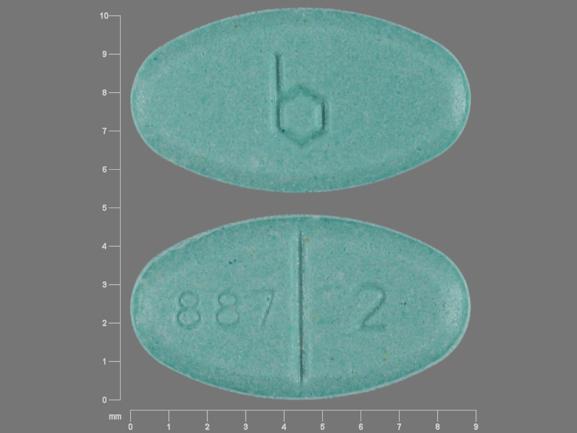
Estradiol (Monograph)
Brand names: Alora, Climara, Delestrogen, Depo-Estradiol, Elestrin,
... show all 17 brands
Drug class: Estrogens
VA class: GU500
CAS number: 50-28-2
Warning
-
Estrogens increase the risk of endometrial cancer in postmenopausal women. (See Endometrial Cancer under Cautions.)
-
Do not use estrogens with or without progestins for prevention of cardiovascular disease (see Cardiovascular Risk Reduction under Uses and Cardiovascular Disorders under Cautions) or dementia (see Alzheimer’s Disease under Uses).
-
The Women’s Health Initiative (WHI) study of estrogen alone reported increased risks of stroke and DVT in postmenopausal women receiving approximately 7 years of therapy with conjugated estrogens 0.625 mg daily.
-
The WHI study of estrogen plus progestin reported increased risks of MI, stroke, invasive breast cancer, pulmonary embolism, and DVT in postmenopausal women receiving >5 years of therapy with conjugated estrogens 0.625 mg in conjunction with medroxyprogesterone acetate 2.5 mg daily.
-
The WHI Memory Study (WHIMS) reported increased risk of developing probable dementia in postmenopausal women ≥65 years of age receiving long-term therapy (4–5 years) with conjugated estrogens in conjunction with medroxyprogesterone acetate or conjugated estrogen alone. Not known whether this finding also applies to younger postmenopausal women.
-
Other dosages of conjugated estrogens with medroxyprogesterone and other combinations or dosage forms of estrogens with progestin not studied in WHI trials; in absence of comparable data, assume risks are similar.
-
Prescribe estrogens (with or without progestins) at the lowest effective dose and for the shortest duration consistent with treatment goals and risks for the individual woman.
Introduction
Steroidal estrogen; a principal endogenous estrogen.
Uses for Estradiol
Use of estrogens alone in postmenopausal women generally is referred to as estrogen replacement therapy (ERT); use of estrogens in combination with progestins usually is referred to as hormone replacement therapy (HRT) or postmenopausal hormone therapy.
Estrogen Replacement Therapy
Management of moderate to severe vasomotor symptoms associated with menopause. Also used in fixed combination with testosterone cypionate for this indication; FDA is reevaluating this combination.
Management of vulvar and vaginal atrophy associated with menopause. If used solely for this indication, consider use of topical vaginal preparations.
Management of urogenital symptoms (urinary urgency and dysuria).
Osteoporosis
Prevention of postmenopausal osteoporosis. Used adjunctively with other measures (e.g., diet, calcium, vitamin D, weight-bearing exercise, physical therapy) to retard further bone loss and progression of osteoporosis in postmenopausal women.
Estrogens are effective for prevention of osteoporosis but are associated with a number of adverse effects. If prevention of postmenopausal osteoporosis is the sole indication for therapy, consider alternative therapy (e.g., alendronate, raloxifene, risedronate).
Has been effective in the treatment of osteoporosis in postmenopausal women. Formerly recommended as first-line therapy; however, recommendations on appropriate use of HRT have been revised based on WHI study findings. (See Boxed Warning.) Evaluate risks and benefits of long-term HRT use in the management of osteoporosis, taking into account the increased risk of breast cancer and cardiovascular disease, availability of other pharmacologic modalities (e.g., alendronate, calcitonin, calcium, raloxifene, risedronate, vitamin D), and life-style factors that can be modified.
Has been used in a limited number of anorexic women with chronic amenorrhea to reduce calcium loss† [off-label] and, thereby, reduce risk of osteoporosis.
Corticosteroid-induced Osteoporosis
Has been used to prevent bone loss in postmenopausal women receiving low- to moderate-dose corticosteroid therapy† [off-label].
Hypoestrogenism
Treatment of hypoestrogenism secondary to hypogonadism, castration, or primary ovarian failure.
Metastatic Breast Carcinoma
Palliative treatment of metastatic breast cancer in selected women and men. One of several second-line agents.
Prostate Carcinoma
Palliative treatment of advanced androgen-dependent prostate carcinoma.
Cardiovascular Risk Reduction† [off-label]
ERT or HRT does not decrease the incidence of cardiovascular disease. AHA, American College of Obstetricians and Gynecologists, FDA, and manufacturers recommend that hormone therapy not be used to prevent heart disease in healthy women (primary prevention) or to protect women with preexisting heart disease (secondary prevention).
Alzheimer’s Disease
Prior use of HRT, but not current HRT unless such use exceeds 10 years, associated with reduced risk of Alzheimer’s disease† [off-label]. Estrogens have not been shown to prevent progression of Alzheimer’s disease; American Academy of Neurology recommends that estrogens not be used for treatment of Alzheimer’s disease.
Initiation of ERT or HRT in women ≥65 years of age not associated with an improvement in cognitive function. Some women receiving ERT or HRT (specifically conjugated estrogens 0.625 mg in conjunction with medroxyprogesterone acetate 2.5 mg daily or conjugated estrogens 0.625 mg daily) experience detrimental effects. Incidence of probable dementia in women receiving ERT or HRT was higher than that in women receiving placebo. Use of ERT or HRT to prevent dementia or cognitive decline in women ≥65 years of age is not recommended.
Postpartum Breast Engorgement
Used in the past for prevention of postpartum breast engorgement† [off-label]; FDA has withdrawn approval of estrogen-containing drugs for this indication, since estrogens have not been shown to be safe for this use. (See Lactation under Cautions.)
Pregnancy
Not effective for any purpose during pregnancy; use contraindicated in pregnant women. (See Pregnancy under Cautions.)
Estradiol Dosage and Administration
General
-
A progestin generally is added to estrogen therapy (HRT) in women with an intact uterus. Addition of a progestin for ≥10 days per cycle of estrogen administration or daily with estrogen reduces incidence of endometrial hyperplasia and attendant risk of endometrial carcinoma in women with an intact uterus.
-
Menostar: Administer a progestin for 14 days every 6–12 months in women with an intact uterus.
-
ERT is appropriate in women who have undergone a hysterectomy (avoids unnecessary exposure to progestins).
-
When estrogen is used for prevention of osteoporosis, response can be assessed by biochemical markers and bone mineral density (BMD).
Administration
Administer estradiol orally, intravaginally, percutaneously by topical application of transdermal system, and by topical application of a gel, emulsion, or transdermal spray to the skin.
Administer estradiol acetate orally or intravaginally.
Administer estradiol cypionate and estradiol valerate IM.
Administer ethinyl estradiol orally.
Estrogen therapy generally is administered in a continuous daily dosage regimen or, alternatively, in a cyclic regimen. When administered cyclically, estrogen usually is given once daily for 3 weeks followed by 1 week without the drug; regimen is repeated as necessary.
Oral Administration
Administer 1–3 times daily.
IM Administration
Administer by deep IM injection into a large muscle mass.
Topical Administration
Transdermal Systems
Apply transdermal system to clean, dry, and not excessively hairy area of intact skin on the trunk (preferably abdomen or buttocks) by firmly pressing the system with the adhesive side touching the skin. Press system firmly in place with palm of hand for about 10 seconds, ensuring good contact, particularly around the edges. Application site should not be oily, damaged, or irritated. Do not apply transdermal system to the breasts; avoid application at waistline, since system could be rubbed off.
Apply system immediately after removal from its protective pouch and removal of the protective liner.
If system inadvertently comes off, reapply the system or, if necessary, apply a new system; in either case, continue the application schedule employed.
To minimize and/or prevent potential skin irritation, apply each transdermal system at a different site, with ≥1 week between applications to a particular site.
Apply estradiol transdermal systems once (Climara, Climara Pro, Estradiol Transdermal System [Mylan], Menostar) or twice (Alora, Combipatch, Estraderm, Vivelle, Vivelle-Dot) weekly; remove and discard the system in use, and apply a new system.
Transdermal systems for application twice weekly are commercially available in a dispensing package that is designed to aid user in complying with prescribed dosage regimen (same 2 days each week).
If system is not changed on designated day, replace it as soon as possible.
In women who are currently not receiving an oral estrogen, initiate transdermal therapy at any time. In women who are currently receiving an oral estrogen, initiate transdermal therapy 1 week after discontinuance of oral therapy (or sooner if symptoms reappear).
In women who are currently not receiving estrogen or estrogen/progestin therapy, initiate transdermal estradiol in fixed combination with a progestin (CombiPatch, Climara Pro) at any time. Women receiving estrogen or estrogen/progestin therapy should complete current cycle of therapy before initiating CombiPatch or Climara Pro.
Transdermal Spray
Apply transdermal spray (Evamist) once daily at the same time each day to clean, dry, intact skin on the inside of the forearm between the elbow and the wrist. To apply estradiol transdermal spray, remove the cover, hold the applicator upright and place the cone section of the applicator flat against the skin and depress the pump. Apply 1, 2, or 3 sprays to non-overlapping areas of the inner forearm, starting near the elbow. Do not massage or rub application site. Do not apply to any area other than the inner forearm; do not apply to breasts or around the vagina.
Allow application site to dry for up for 2 minutes before dressing. Allow site to dry 30 minutes before washing the area.
Do not allow other individuals to have direct contact with the skin at the application site for at least 30 minutes following administration. Keep children and pets away from the skin at the application site to prevent inadvertent drug exposure. (See Precautions Specific to Topical Administration under Cautions.) If a child comes in direct contact with the application site, wash the general area of contact with soap and water as soon as possible. If such contact with children cannot be avoided, advise patients to wear clothing with long sleeves to cover the application site.
Prime pump by holding applicator upright with the cover on and depressing pump 3 times before using the pump for the first dose.
Gel
Apply gel once daily at the same time each day to clean, dry, intact skin. To apply Elestrin, hold the pump with the tip facing the arm and depress the pump firmly and fully; apply the gel to the upper arm and shoulder using 2 fingers. To apply EstroGel, collect the gel in the palm of the hand by pressing the pump firmly and fully; apply the gel to one arm from shoulder to wrist using the hand. Do not apply to breasts or in or around the vagina.
Allow application site to dry for up for 5 minutes before dressing. Wash hands with soap and water after application of the gel.
Not known how long bathing and swimming should be delayed after application of the gel. Apply after bathing; the time between application and swimming should be as long as possible (at least 2 hours).
Elestrin: Prime pump by fully depressing the pump 10 times before using the pump for the first dose; discard gel so that household members or pets are not exposed to the gel.
EstroGel: Prime pump by fully depressing the 93-g pump twice or the 25-g pump 3 times before using the pump for the first dose; discard gel so that household members or pets are not exposed to the gel.
Emulsion
Apply emulsion to clean, dry skin every morning. Open 1 pouch and place contents on left thigh; rub emulsion into entire thigh and calf for 3 minutes until absorbed; rub any excess on the buttocks. Open another pouch and place contents on right thigh; rub emulsion into entire thigh and calf for 3 minutes until absorbed; rub any excess on the buttocks.
Allow application site to dry before dressing. Wash hands with soap and water after application of the emulsion.
Vaginal Administration
Administer intravaginally as a vaginal ring (Estring, Femring), tablet (Vagifem), or cream (Estrace).
Vaginal ring should remain in place for 3 months. If ring is expelled, rinse with lukewarm water and reinsert.
Administer vaginal tablets at the same time each day.
Dosage
Individualize dosage according to the condition being treated and the tolerance and therapeutic response of the patient.
To minimize risk of adverse effects, use the lowest possible effective dosage. Because of the potential increased risk of cardiovascular events, breast cancer, and venous thromboembolic events, limit estrogen and estrogen/progestin therapy to the lowest effective doses and shortest duration of therapy consistent with treatment goals and risks for the individual woman.
Periodically reevaluate estrogen and estrogen/progestin therapy (i.e., at 3- to 6-month intervals).
Estradiol transdermal spray (Evamist): Each depression of the pump delivers 90 mcL of spray (1.53 mg of estradiol). Pump delivers 56 sprays.
Estradiol 0.06% topical gel (Elestrin): Each depression of the pump delivers 0.87 g of gel (0.52 mg of estradiol). Pump delivers 100 metered doses.
Estradiol 0.06% topical gel (EstroGel): Each depression of the pump delivers 1.25 g of gel (0.75 mg of estradiol). The pump containing 93 g of gel delivers 64 metered doses; the pump containing 25 g of gel delivers 14 doses.
Estradiol topical emulsion (Estrasorb): Each pouch contains 1.74 g of emulsion (4.35 mg of estradiol hemihydrate).
Adults
ERT
Vasomotor Symptoms
OralEstradiol: 1–2 mg daily in a cyclic regimen (3 weeks on, 1 week off).
Estradiol Acetate: Available in tablets containing 0.45, 0.9, or 1.8 mg of estradiol that are given once daily. Initiate therapy with lowest dose.
Estradiol in fixed combination with norethindrone acetate (Activella): Estradiol 1 mg with norethindrone acetate 0.5 mg daily.
Estradiol in fixed combination with drospirenone (Angeliq): Estradiol 1 mg with drospirenone 0.5 mg daily.
Ethinyl estradiol in fixed combination with norethindrone acetate (FemHRT): Available as tablets containing ethinyl estradiol 2.5 mcg and norethindrone acetate 0.5 mg and ethinyl estradiol 5 mcg and norethindrone acetate 1 mg that are given once daily. Initiate therapy with lowest dose.
Estradiol with norgestimate (Prefest): Estradiol 1 mg daily on days 1–3, then estradiol 1 mg with norgestimate 0.09 mg daily on days 4–6; repeat the pattern continuously.
IMEstradiol cypionate: 1–5 mg every 3–4 weeks.
Estradiol valerate: 10–20 mg every 4 weeks.
Estradiol cypionate in fixed combination with testosterone cypionate: Estradiol cypionate 2 mg with testosterone cypionate 50 mg every 4 weeks.
Topical (estradiol transdermal system)Estradiol (Alora, Estraderm): Initially, 1 system delivering 0.05 mg/24 hours twice weekly in a continuous regimen (women without a uterus) or cyclic regimen (women with a uterus).
Estradiol (Climara, Estradiol Transdermal System [Mylan]): Initially, 1 system delivering 0.025 mg/24 hours once weekly in a continuous regimen.
Estradiol (Vivelle, Vivelle-Dot): Initially, 1 system delivering 0.0375 mg/24 hours twice weekly in a continuous regimen (women without a uterus) or cyclic regimen (women with a uterus).
Topical (estradiol/progestin transdermal system)Estradiol in fixed combination with norethindrone acetate (CombiPatch) continuous combined regimen: 1 system delivering 0.05 mg/24 hours of estradiol and 0.14 mg/24 hours of norethindrone acetate twice weekly in a continuous regimen. If necessary, increase dosage of norethindrone acetate by using dosage system that delivers 0.25 mg/24 hours of norethindrone acetate.
Estradiol in fixed combination with norethindrone acetate (CombiPatch) continuous sequential regimen: 1 system of transdermal estradiol delivering 0.05 mg/24 hours (i.e., Vivelle) twice weekly for the first 14 days of a 28-day cycle, then 1 estradiol/norethindrone acetate (CombiPatch) system delivering 0.05 mg/24 hours of estradiol and 0.14 mg/24 hours of norethindrone acetate twice weekly for the remaining 14 days of the cycle. If necessary, increase dosage of norethindrone acetate by using dosage system that delivers 0.25 mg/24 hours of norethindrone acetate.
Estradiol in fixed combination with levonorgestrel (Climara Pro) continuous combined regimen: 1 system delivering 0.045 mg/24 hours of estradiol and 0.015 mg/24 hours of levonorgestrel once weekly in a continuous regimen.
Topical (transdermal spray)Estradiol (Evamist): Initially, 1 spray (1.53 mg of estradiol) once daily. Adjust dose based on clinical response; 1, 2, or 3 sprays each morning can be used.
Topical (gel)Estradiol 0.06% (Elestrin): Initially, apply 0.87 g of gel (0.52 mg of estradiol) once daily. Adjust dosage as necessary.
Estradiol 0.06% (EstroGel): Apply 1.25 g of gel (0.75 mg of estradiol) once daily. Lowest effective dose not determined.
Topical (emulsion)Estradiol (Estrasorb): Apply contents of 2 pouches (3.48 g of emulsion delivering 0.05 mg/24 hours) once daily. Lowest effective dose not determined.
VaginalEstradiol acetate vaginal ring (Femring): Initially, 1 ring delivering estradiol 0.05 mg/24 hours inserted into the vaginal vault; ring should remain in place for 3 months. After 3 months, remove the ring and, if appropriate, replace with a new ring.
Vulvar and Vaginal Atrophy
OralEstradiol: 1–2 mg daily in a cyclic regimen (3 weeks on, 1 week off).
Estradiol in fixed combination with norethindrone acetate (Activella): Estradiol 1 mg with norethindrone acetate 0.5 mg daily.
Estradiol in fixed combination with drospirenone (Angeliq): Estradiol 1 mg with drospirenone 0.5 mg daily.
Estradiol with norgestimate (Prefest): Estradiol 1 mg daily on days 1–3, then estradiol 1 mg with norgestimate 0.09 mg daily on days 4–6; repeat the pattern continuously. This may not be the lowest effective dosage for this indication.
IMEstradiol valerate: 10–20 mg every 4 weeks.
Topical (estradiol transdermal system)Estradiol (Alora, Estraderm): Initially, 1 system delivering 0.05 mg/24 hours twice weekly in a continuous regimen (women without a uterus) or cyclic regimen (women with a uterus).
Estradiol (Vivelle, Vivelle-Dot): Initially, 1 system delivering 0.0375 mg/24 hours twice weekly in a continuous regimen (women without a uterus) or cyclic regimen (women with a uterus).
Topical (estradiol/progestin transdermal system)Estradiol in fixed combination with norethindrone acetate (CombiPatch) continuous combined regimen: 1 system delivering 0.05 mg/24 hours of estradiol and 0.14 mg/24 hours of norethindrone acetate twice weekly in a continuous regimen. If necessary, increase dosage of norethindrone acetate by using dosage system that delivers 0.25 mg/24 hours of norethindrone acetate.
Estradiol in fixed combination with norethindrone acetate (CombiPatch) continuous sequential regimen: 1 system of transdermal estradiol delivering 0.05 mg/24 hours (i.e., Vivelle) twice weekly for the first 14 days of a 28-day cycle, then 1 estradiol/norethindrone acetate (CombiPatch) system delivering 0.05 mg/24 hours of estradiol and 0.14 mg/24 hours of norethindrone acetate twice weekly for the remaining 14 days of the cycle. If necessary, increase dosage of norethindrone acetate by using dosage system that delivers 0.25 mg/24 hours of norethindrone acetate.
Topical (gel)Estradiol 0.06% (EstroGel): Apply 1.25 g of gel (0.75 mg of estradiol) once daily. Lowest effective dose not determined.
VaginalEstradiol vaginal ring (Estring): 1 ring delivering estradiol 0.0075 mg/24 hours inserted into the upper third of the vaginal vault; ring should remain in place for 3 months. After 3 months, remove the ring and, if appropriate, replace with a new ring.
Estradiol acetate vaginal ring (Femring): Initially, 1 ring delivering estradiol 0.05 mg/24 hours inserted into the vaginal vault; ring should remain in place for 3 months. After 3 months, remove the ring and, if appropriate, replace with a new ring.
Estradiol vaginal tablet (Vagifem): Initially, 25 mcg once daily for 2 weeks; maintenance, 25 mcg twice weekly.
Estradiol vaginal cream (Estrace): Initially, 2–4 g of 0.01% cream daily for 1–2 weeks; reduce to one-half the initial dosage for 2 weeks. Maintenance, 1 g 1 to 3 times weekly.
Osteoporosis
Prevention in Postmenopausal Women
OralEstradiol: 0.5 mg daily in a cyclic regimen has been used. Lowest effective dose not determined.
Estradiol in fixed combination with norethindrone acetate (Activella): Estradiol 1 mg with norethindrone acetate 0.5 mg daily. This may not be the lowest effective dosage.
Estradiol with norgestimate (Prefest): Estradiol 1 mg daily on days 1–3, then estradiol 1 mg with norgestimate 0.09 mg daily on days 4–6; repeat the pattern continuously. This may not be the lowest effective dosage.
Ethinyl estradiol in fixed combination with norethindrone acetate (FemHRT): Available as tablets containing ethinyl estradiol 2.5 mcg and norethindrone acetate 0.5 mg and ethinyl estradiol 5 mcg and norethindrone acetate 1 mg that are given once daily. Initiate therapy with lowest dose.
Topical (estradiol transdermal system)Estradiol (Alora, Vivelle, Vivelle-Dot): Initially, 1 system delivering 0.025 mg/24 hours twice weekly in a continuous regimen (women without a uterus) or cyclic regimen (women with a uterus). Adjust dosage as necessary.
Estradiol (Climara): Initially, 1 system delivering 0.025 mg/24 hours once weekly in a continuous regimen. Adjust dosage based on biochemical markers and BMD.
Estradiol (Estraderm): Initially, 1 system delivering 0.05 mg/24 hours twice weekly in a continuous regimen (women without a uterus) or cyclic regimen (women with a uterus). Adjust dosage as necessary.
Estradiol (Menostar): 1 system delivering 0.014 mg/24 hours once weekly in a continuous regimen.
Topical (estradiol/progestin transdermal system)
Estradiol in fixed combination with levonorgestrel (Climara Pro) continuous combined regimen: 1 system delivering 0.045 mg/24 hours of estradiol and 0.015 mg/24 hours of levonorgestrel once weekly in a continuous regimen.
Hypoestrogenism
Oral
Estradiol: 1–2 mg daily; adjust dosage as necessary to control symptoms.
IM
Estradiol cypionate: 1.5–2 mg every month.
Estradiol valerate: 10–20 mg every 4 weeks.
Metastatic Breast Carcinoma
Oral
Estradiol: 10 mg 3 times daily for ≥3 months.
Prostate Carcinoma
Oral
Estradiol: 1–2 mg 3 times daily.
IM
Estradiol valerate: ≥30 mg every 1–2 weeks.
Cautions for Estradiol
Contraindications
-
Undiagnosed abnormal genital bleeding.
-
Known or suspected breast cancer or history of breast cancer (except when used for palliative treatment of metastatic disease in appropriately selected individuals).
-
Known or suspected estrogen-dependent neoplasia.
-
Active DVT or pulmonary embolism; history of DVT or pulmonary embolism.
-
Active or recent (within past year) arterial thromboembolic disease (e.g., stroke, MI).
-
Porphyria.
-
Liver disease or impairment.
-
Known or suspected pregnancy.
-
Known hypersensitivity to estrogens or any ingredient in the formulation.
-
Estradiol in fixed combination with drospirenone (Angeliq) should not be used in women predisposed to hyperkalemia (i.e., those with renal impairment, hepatic impairment, or adrenal insufficiency).
Warnings/Precautions
Warnings
Cardiovascular Disorders
Estrogen/progestin therapy associated with increased risk of MI, stroke, DVT, and pulmonary embolism. Estrogen therapy associated with increased risk of stroke and DVT. (See Boxed Warning.) Discontinue estrogens immediately if any of these events occur or are suspected. Use of ERT or HRT is not advised in women with a history of stroke or transient ischemic attacks. (See Contraindications under Cautions.)
Appropriately manage risk factors for cardiovascular disease (e.g., hypertension, diabetes mellitus, tobacco use, hypercholesterolemia, obesity) and/or venous thromboembolism (personal or family history of venous thromboembolism, obesity, systemic lupus erythematosus). (See Contraindications under Cautions.)
Discontinue estrogens, whenever feasible, at least 4–6 weeks prior to surgery that is associated with an increased risk of thromboembolism or during prolonged immobilization.
Endometrial Cancer
Use of unopposed estrogen therapy in women who have a uterus is associated with increased risk of endometrial cancer. Clinical surveillance and evaluation are essential. Perform diagnostic tests to rule out malignancy in women with undiagnosed, persistent or recurring abnormal vaginal bleeding.
Incidence of endometrial hyperplasia is reduced substantially when progestins are used concomitantly.
Breast Cancer
ERT not associated with increased risk of breast cancer.
HRT associated with increased risk of breast cancer.
All postmenopausal women should receive yearly breast examinations by a clinician and perform monthly self-examinations. Schedule periodic mammography based on patient age and risk factors.
Dementia
ERT or HRT in women ≥65 years of age has been associated with increased risk of developing probable dementia. Whether these findings apply to younger women is unknown. (See Alzheimer’s Disease under Uses.)
Gallbladder Disease
ERT associated with increased risk of gallbladder disease requiring surgery.
Hypercalcemia
Estrogens may cause severe hypercalcemia in patients with breast cancer and bone metastases. Discontinue the drug and initiate appropriate measures to reduce serum calcium concentrations if hypercalcemia occurs.
Ocular Effects
Retinal thrombosis reported. Discontinue pending examination if sudden partial or complete loss of vision, or sudden onset of proptosis, diplopia, or migraine occurs. Discontinue estrogen if papilledema or retinal vascular lesions noted on examination.
Flammability
Alcohol-based preparations (e.g., Elestrin, EstroGel, Evamist) are flammable. Avoid flames, fire, and cigarettes until gel or spray has dried.
General Precautions
Elevated BP
Rarely, substantial increases in BP attributed to idiosyncratic reactions to estrogen. ERT generally is not associated with elevated BP. Monitor BP at regular intervals.
Hypertriglyceridemia
Estrogen therapy may be associated with increases in plasma triglyceride concentrations resulting in pancreatitis in women with increased serum lipids.
Fluid Retention
Estrogens may cause some degree of fluid retention; use with caution and careful monitoring in patients with conditions that might be aggravated by fluid retention (e.g., cardiac or renal impairment).
Hypocalcemia
Use with caution in patients with severe hypocalcemia.
Ovarian Cancer
Long-term estrogen therapy associated with increased incidence of ovarian cancer in some epidemiologic studies. Other studies did not show a clinically important association.
Endometriosis
Estrogens may exacerbate endometriosis.
Malignant transformation of residual endometrial implants reported rarely in women receiving unopposed estrogen following hysterectomy. Consider the addition of progestin in women with residual endometriosis following hysterectomy.
Other Conditions
Estrogens may exacerbate asthma, diabetes mellitus, epilepsy, migraine, porphyria, systemic lupus erythematosus, and hepatic hemangiomas; use with caution in patients with these conditions.
Precautions Specific to Topical Administration
Whether topical application of estradiol gel is associated with photosensitivity or photoallergy not evaluated.
Topical application of estradiol emulsion or estradiol gel (Elestrin) in close proximity to application of sunscreen increases estradiol absorption. (See Specific Drugs and Foods under Interactions and see Absorption under Pharmacokinetics.)
FDA is reviewing reports of adverse effects with estradiol transdermal spray (Evamist) in children and pets following possible inadvertent drug exposure through skin contact with women receiving the drug. Children exposed to the drug may experience signs of premature puberty (e.g., nipple swelling and breast development in females, breast enlargement in males). If such a child shows signs of premature puberty (e.g., nipple or breast swelling, breast tenderness or enlargement), advise the parents to contact the child’s clinician and to inform the clinician of the child’s possible exposure to the drug.
Application of estradiol transdermal spray (Evamist) before application of sunscreen results in a slight decrease in estradiol absorption. (See Absorption under Pharmacokinetics.)
Precautions Specific to Vaginal Administration
Estradiol vaginal ring (Estring) may not be suitable for women with narrow, short, or stenosed vaginas; such patients may be more susceptible to ulceration or irritation associated with the ring. Remove Estring during treatment with other vaginally administered preparations.
Estradiol acetate vaginal ring (Femring) may not be suitable for women with conditions that predispose the vagina to irritation or ulceration or make ring expulsion more likely (i.e., narrow or stenosed vagina, vaginal infection, cervical prolapse, rectoceles and cystoceles). If local therapy for a vaginal infection is needed, Femring can remain in place during such therapy.
Tartrazine Sensitivity
Estrace 2-mg tablets contain tartrazine (FD&C yellow No. 5), which may cause allergic reactions including bronchial asthma in susceptible individuals. Incidence of tartrazine sensitivity is low, but it frequently occurs in patients who are sensitive to aspirin.
Chlorobutanol
Depo-Estradiol and Depo-Testadiolcontain chlorobutanol anhydrous as a preservative; chlorobutanol can be habit forming.
Combination Therapy
If used in fixed combination with testosterone cypionate, drospirenone, levonorgestrel, norgestimate, or norethindrone acetate or in conjunction with a progestin, consider the precautions, cautions, and contraindications associated with the concomitant agent.
Specific Populations
Pregnancy
Category X. (See Contraindications under Cautions.)
In utero exposure of females to diethylstilbestrol (DES [no longer commercially available in US]), is associated with increased risk of vaginal adenosis, squamous cell dysplasia of the cervix, or clear-cell vaginal cancer in later life.
In utero exposure of males is associated with an increased risk of genital abnormalities and possibly testicular cancer later in life.
Women who receive DES during pregnancy may be at increased risk of breast cancer; causal relationship unproven.
Lactation
Administration of estrogens to nursing women has been associated with decreased amounts and lower quality of milk. Detectable amounts of estrogens have been identified in milk of women receiving these drugs. Caution advised.
Pediatric Use
Estrogen therapy has been used for induction of puberty in adolescents with some forms of pubertal delay. Safety and efficacy of estrogens in children not otherwise established.
Use estrogen therapy with caution and careful monitoring when bone growth is not yet complete, since estrogens may cause premature epiphyseal closure.
Estrogen therapy in prepubertal girls induces premature breast development and vaginal cornification and may induce vaginal bleeding. Estrogen therapy in boys may modify the normal pubertal process.
Geriatric Use
Insufficient experience with many estradiol-containing preparations in geriatric patients to determine whether geriatric patients respond differently than younger women. Select dosage with caution because of age-related decreases in hepatic, renal, and/or cardiac function and potential concomitant disease and drug therapy.
Possible increased risk of developing probable dementia in women ≥65 years of age. (See Dementia under Cautions.)
No substantial differences in safety and efficacy of Estring in women ≥65 years of age compared with younger women; possibility of greater sensitivity to the drug in some geriatric individuals.
No substantial differences in safety and efficacy of Menostar in women ≥65 years of age compared with younger women.
Hepatic Impairment
Estrogens may be poorly metabolized in patients with hepatic impairment. (See Contraindications under Cautions.)
Caution advised in patients with a history of cholestatic jaundice associated with previous estrogen use or with pregnancy; discontinue if jaundice recurs.
Renal Impairment
Use with caution. (See Fluid Retention under Cautions.)
Common Adverse Effects
Abdominal pain, leg cramps, headache, breast tenderness, vaginal hemorrhage, vaginal moniliasis, skin irritation (transdermal preparations).
Drug Interactions
Appears to be metabolized partially by CYP3A4.
Drugs Affecting Hepatic Microsomal Enzymes
CYP3A4 inhibitors: Potential pharmacokinetic interaction (increased plasma estrogen concentrations).
CYP3A4 inducers: Potential pharmacokinetic interaction (decreased plasma estrogen concentrations).
Specific Drugs and Foods
|
Drug or Food |
Interaction |
Comments |
|---|---|---|
|
Anticoagulants, oral |
Possible decreased anticoagulant action |
Monitor; increase warfarin dosage it required |
|
Antifungals, azoles (itraconazole, ketoconazole) |
Possible increased plasma estrogen concentrations; increased potential for adverse effects |
|
|
Carbamazepine |
Possible decreased plasma estrogen concentrations; potential for decrease in therapeutic effects and/or changes in uterine bleeding |
|
|
Corticosteroids |
Enhanced anti-inflammatory effects of hydrocortisone in patients with chronic inflammatory skin disease |
Observe for signs of excessive corticosteroid effects; adjust corticosteroid dosage when initiating or discontinuing estrogen |
|
Drugs that increase serum potassium concentrations (ACE inhibitors, angiotension II type 1 receptor antagonists, potassium-sparing diuretics, heparin) |
Potential for increased serum potassium concentrations with estradiol in fixed combination with drospirenone (Angeliq) |
Angeliq: Monitor serum potassium concentrations during the first treatment cycle in high-risk women |
|
Grapefruit juice |
Possible increased plasma estrogen concentrations; increased potential for adverse effects |
|
|
Macrolide antibiotics (clarithromycin, erythromycin) |
Possible increased plasma estrogen concentrations; increased potential for adverse effects |
|
|
Norethindrone |
Interaction unlikely |
|
|
Norgestimate |
Decreased plasma concentrations of estradiol and estrone; increased plasma concentrations of estrone sulfate |
Clinical importance unknown |
|
Phenobarbital |
Possible decreased plasma estrogen concentrations; potential for decrease in therapeutic effects and/or changes in uterine bleeding |
|
|
Rifampin |
Possible decreased plasma estrogen concentrations; potential for decrease in therapeutic effects and/or changes in uterine bleeding |
|
|
Ritonavir |
Possible increased plasma estrogen concentrations; increased potential for adverse effects |
|
|
St. John’s wort (Hypericum perforatum) |
Possible decreased plasma estrogen concentrations; potential for decrease in therapeutic effects and/or changes in uterine bleeding |
|
|
Sunscreen |
Application of sunscreens may affect pharmacokinetics of some topically applied estradiol preparations. |
Elestrin: Apply sunscreen at least 25 minutes after application of Elestrin; do not apply sunscreen for ≥7 consecutive days to area where Elestrin is applied EstroGel: Concomitant use of sunscreen not evaluated Estrasorb: Do not apply in close proximity to sunscreen application |
|
Thyroid agents |
Increased thyroid-binding globulin concentrations |
Increased dosages of thyroid replacement agents may be needed; monitor thyroid function |
Estradiol Pharmacokinetics
Absorption
Bioavailability
Estradiol is well absorbed through skin and mucous membranes and from the GI tract.
Elestrin: Application of sunscreen 10 minutes before application of Elestrin increased estradiol exposure by 55%; application of sunscreen 25 minutes after application of Elestrin did not alter estradiol exposure. Application of sunscreen for 7 days increased estradiol exposure 2-fold; this effect noted when sunscreen applied before and after application of Elestrin.
Estrasorb: Application of sunscreen 10 minutes before application of Estrasorb increases exposure to estradiol by 35%; application of sunscreen 25 minutes after application of Estrasorb increases exposure to estradiol by 15%.
Evamist: Application of sunscreen 1 hour after application of Evamist decreased estradiol absorption by 11%; application of sunscreen 1 hour before application of Evamist did not alter absorption to estradiol.
Topical, vaginal, and IM administration circumvent first-pass metabolism.
Single IM injections of estradiol cypionate or estradiol valerate oil solutions: Absorption begins promptly and continues for several days.
Food
Activella: Food does not affect bioavailability of estradiol.
Femtrace: Food does not affect AUC of estradiol.
Prefest: High-fat meal does not substantially affect systemic availability of estradiol.
Distribution
Extent
Widely distributed; highest concentrations found in sex hormone target organs.
Plasma Protein Binding
50–80%.
Elimination
Metabolism
Metabolized in the liver; the kidney, gonads, and muscle tissue involved to some extent. Estrogens metabolized partially by CYP3A4.
Extensive metabolic conversion takes place in the liver (e.g., estradiol converted to estrone, both converted to estriol).
Estrogens undergo enterohepatic recirculation via sulfate and glucuronide conjugation in the liver, biliary secretion of conjugates into the intestine, and hydrolysis in the gut followed by reabsorption.
Elimination Route
Estradiol, estrone, and estriol and their metabolites excreted mainly in urine.
Half-life
Estradiol: 2–3 hours.
Estradiol transdermal systems: Approximately 2–7.5 hours reported.
Estradiol 0.06% gel (EstroGel): 36 hours.
Estradiol cypionate IM: 5 days.
Stability
Storage
Oral
Tablets
25°C (may be exposed to 15–30°C). Protect from light.
Parenteral
Injection
Room temperature. Storage at lower temperatures may result in formation of crystals, which redissolve on warming.
Topical
Transdermal System
Generally <30°C.
CombiPatch: 2–8°C before dispensing; may store at 25°C for up to 6 months.
Transdermal Spray
Evamist: 25°C (may be exposed to 15–30°C). Do not freeze.
Gel and Emulsion
20–25°C (may be exposed to 15–30°C).
Vaginal
Tablets
25°C (may be exposed to 15–30°C).
Ring
25°C (may be exposed to 15–30°C).
Cream
Room temperature (<40°C).
Actions
-
Estradiol is the principal and most active endogenous estrogen. Estradiol may be obtained from natural sources or prepared synthetically.
-
Ethinyl estradiol is one of the most potent synthetic estrogens.
-
Exogenous estrogens elicit, to varying degrees, all the pharmacologic responses usually produced by endogenous estrogens.
Advice to Patients
-
Importance of providing patient a copy of the manufacturer’s patient information.
-
Risk of cancer of the uterus in postmenopausal women. Importance of reporting any unusual vaginal bleeding to clinicians.
-
Risk of MI, stroke, breast cancer, and venous thromboembolism. Importance of not using estrogens to prevent heart disease, MI, or strokes.
-
Importance of women informing clinicians if they are or plan to become pregnant or plan to breast-feed.
-
Importance of instructing patients in the proper disposal of estradiol preparations (e.g., unused gel, transdermal systems).
-
Importance of informing clinicians of existing or contemplated concomitant therapy, including prescription and OTC drugs, as well as concomitant illnesses.
-
Elestrin: Important of not applying sunscreen until at least 25 minutes after application of the gel; importance of not applying sunscreen for 7 consecutive days to the area where the gel is applied. Importance of avoiding fire, flames, and smoking until gel has dried.
-
Estrasorb: Importance of not applying the emulsion in close proximity to application of sunscreen.
-
EstroGel: Importance of avoiding fire, flames, and smoking until gel has dried.
-
Evamist: Risk of inadvertent exposure in children and pets through skin contact with women receiving the drug. Importance of informing patients to avoid direct contact with others at the application site. Importance of parents contacting a clinician if a child shows signs of premature puberty and to inform the clinician of the child’s possible exposure to the drug. Importance of avoiding fire, flames, and smoking until spray has dried.
-
Importance of informing patients of other important precautionary information. (See Cautions.)
Preparations
Excipients in commercially available drug preparations may have clinically important effects in some individuals; consult specific product labeling for details.
Please refer to the ASHP Drug Shortages Resource Center for information on shortages of one or more of these preparations.
Most preparations containing androgenic anabolic steroid hormones are subject to control under the Federal Controlled Substances Act of 1970, as amended by the Anabolic Steroids Control Act of 1990 and 2004, as schedule III (C-III) drugs. However, manufacturers of certain preparations containing androgenic anabolic steroids (principally combinations that also include estrogens) have applied for and obtained for their product(s) an exemption from the record-keeping and other regulatory requirements of the Federal Controlled Substances Act. Because regulatory requirements for a given preparation containing an androgenic anabolic steroid may be subject to change under the provisions of the Act, the manufacturer should be contacted when specific clarification about a preparation’s status is required.
|
Routes |
Dosage Forms |
Strengths |
Brand Names |
Manufacturer |
|---|---|---|---|---|
|
Topical |
Gel |
0.06% |
Elestrin (with alcohol) |
Kenwood Therapeutics |
|
EstroGel (with alcohol) |
Ascend Therapeutics |
|||
|
Solution |
1.53 mg/meter spray |
Evamist (with alcohol) |
Ther-Rx |
|
|
Transdermal System |
0.014 mg/24 hours (1 mg/3.25 cm2) |
Menostar |
Berlex |
|
|
0.025 mg/24 hours (0.77 mg/9 cm2) |
Alora |
Watson |
||
|
0.025 mg/24 hours (2 mg/6.5 cm2) |
Climara |
Berlex |
||
|
0.025 mg/24 hours (0.97 mg/7.75 cm2) |
Estradiol Transdermal System (once weekly) |
Mylan |
||
|
0.025 mg/24 hours (2.17 mg/7.25 cm2) |
Vivelle (with propylene glycol) |
Novartis |
||
|
0.025 mg/24 hours (0.39 mg/2.5 cm2) |
Vivelle-Dot (with povidone) |
Novartis |
||
|
0.0375 mg/24 hours (2.85 mg/9.375 cm2) |
Climara |
Berlex |
||
|
0.0375 mg/24 hours (1.46 mg/11.625 cm2) |
Estradiol Transdermal System (once weekly) |
Mylan |
||
|
0.0375 mg/24 hours (3.28 mg/11 cm2) |
Vivelle (with propylene glycol) |
Novartis |
||
|
0.0375 mg/24 hours (0.585 mg/3.75 cm2) |
Vivelle-Dot (with povidone) |
Novartis |
||
|
0.05 mg/24 hours (1.5 mg/18 cm2) |
Alora |
Watson |
||
|
0.05 mg/24 hours (3.8 mg/12.5 cm2) |
Climara |
Berlex |
||
|
0.05 mg/24 hours (4 mg/10 cm2) |
Estraderm (with alcohol) |
Novartis |
||
|
0.05 mg/24 hours (1.94 mg/15.5 cm2) |
Estradiol Transdermal System (once weekly) |
Mylan |
||
|
0.05 mg/24 hours (4.33 mg/14.5 cm2) |
Vivelle (with propylene glycol) |
Novartis |
||
|
0.05 mg/24 hours (0.78 mg/5 cm2) |
Vivelle-Dot (with povidone) |
Novartis |
||
|
0.06 mg/24 hours (4.55 mg/15 cm2) |
Climara |
Berlex |
||
|
0.06 mg/24 hours (2.33 mg/18.6 cm2) |
Estradiol Transdermal System (once weekly) |
Mylan |
||
|
0.075 mg/24 hours (2.3 mg/27 cm2) |
Alora |
Watson |
||
|
0.075 mg/24 hours (5.7 mg/18.75 cm2) |
Climara |
Berlex |
||
|
0.075 mg/24 hours (2.91mg/23.25 cm2) |
Estradiol Transdermal System (once weekly) |
Mylan |
||
|
0.075 mg/24 hours (6.57 mg/22 cm2) |
Vivelle (with propylene glycol) |
Novartis |
||
|
0.075 mg/24 hours (1.17 mg/7.5 cm2) |
Vivelle-Dot (with povidone) |
Novartis |
||
|
0.1 mg/24 hours (3 mg/36 cm2) |
Alora |
Watson |
||
|
0.1 mg/24 hours (7.6 mg/25 cm2) |
Climara |
Berlex |
||
|
0.1 mg/24 hours (8 mg/20 cm2) |
Estraderm (with alcohol) |
Novartis |
||
|
0.1 mg/24 hours (3.88 mg/31 cm2) |
Estradiol Transdermal System (once weekly) |
Mylan |
||
|
0.1 mg/24 hours (8.66 mg/29 cm2) |
Vivelle (with propylene glycol) |
Novartis |
||
|
0.1 mg/24 hours (1.56 mg/10 cm2) |
Vivelle-Dot (with povidone) |
Novartis |
||
|
Vaginal |
Cream |
0.01% |
Estrace (with methylparaben and propylene glycol) |
Warner Chilcott |
|
Ring |
2 mg/ring (0.0075 mg/24 hours) |
Estring |
Pfizer |
|
Routes |
Dosage Forms |
Strengths |
Brand Names |
Manufacturer |
|---|---|---|---|---|
|
Oral |
Tablets, biphasic regimen |
1 mg (15 tablets) and 1 mg with Norgestimate 0.09 mg (15 tablets) |
Prefest |
Barr |
|
Tablets, film-coated |
1 mg with Norethindrone Acetate 0.5 mg |
Activella (28 tablets) |
Novo Nordisk |
|
|
1 mg with Drospirenone 0.5 mg |
Angeliq (28 tablets; with povidone) |
Berlex |
||
|
Topical |
Transdermal System |
0.045 mg and 0.015 mg Levonorgestrel/24 hours (4.4 mg and 1.39 mg Levonorgestrel/22 cm2) |
Climara Pro |
Berlex |
|
0.05 mg and 0.14 mg Norethindrone Acetate/24 hours (0.62 mg and 2.7 mg Norethindrone Acetate/9 cm2) |
CombiPatch |
Novartis |
||
|
0.05 mg and 0.25 mg Norethindrone Acetate/24 hours (0.51 mg and 4.8 mg Norethindrone Acetate/16 cm2) |
CombiPatch |
Novartis |
|
Routes |
Dosage Forms |
Strengths |
Brand Names |
Manufacturer |
|---|---|---|---|---|
|
Topical |
Emulsion |
0.25% |
Estrasorb |
Espirit |
|
Vaginal |
Tablets, film-coated |
25 mcg (of estradiol) |
Vagifem (available as disposable applicators) |
NovoNordisk |
* available from one or more manufacturer, distributor, and/or repackager by generic (nonproprietary) name
|
Routes |
Dosage Forms |
Strengths |
Brand Names |
Manufacturer |
|---|---|---|---|---|
|
Oral |
Tablets |
0.5 mg* |
Estrace (scored) |
Warner Chilcott |
|
1 mg* |
Estrace (scored) |
Warner Chilcott |
||
|
2 mg* |
Estrace (with tartrazine; scored) |
Warner Chilcott |
|
Routes |
Dosage Forms |
Strengths |
Brand Names |
Manufacturer |
|---|---|---|---|---|
|
Oral |
Tablets |
0.45 mg |
Femtrace (with povidone) |
Warner Chillcott |
|
0.9 mg |
Femtrace (with povidone) |
Warner Chillcott |
||
|
1.8 mg |
Femtrace (with povidone) |
Warner Chilcott |
||
|
Vaginal |
Ring |
12.4 mg/ring (0.05 mg estradiol/24 hours) |
Femring |
Warner Chilcott |
|
24.8 mg/ring (0.1 mg estradiol/24 hours) |
Femring |
Warner Chilcott |
|
Routes |
Dosage Forms |
Strengths |
Brand Names |
Manufacturer |
|---|---|---|---|---|
|
Parenteral |
Injection (in oil) |
5 mg/mL |
Depo-Estradiol (with chlorobutanol) |
Pfizer |
|
Routes |
Dosage Forms |
Strengths |
Brand Names |
Manufacturer |
|---|---|---|---|---|
|
Parenteral |
Injection (in oil) |
2 mg/mL with Testosterone Cypionate 50 mg/mL |
Depo-Testadiol (with chlorobutanol) |
Pfizer |
|
Routes |
Dosage Forms |
Strengths |
Brand Names |
Manufacturer |
|---|---|---|---|---|
|
Parenteral |
Injection (in oil) |
10 mg/mL |
Delestrogen (with chlorobutanol) |
Monarch |
|
20 mg/mL |
Delestrogen (with benzyl alcohol) |
Monarch |
||
|
40 mg/mL |
Delestrogen (with benzyl alcohol) |
Monarch |
|
Routes |
Dosage Forms |
Strengths |
Brand Names |
Manufacturer |
|---|---|---|---|---|
|
Oral |
Tablets |
2.5 mcg with Norethindrone Acetate 0.5 mg |
FemHRT |
Warner Chillcott |
|
5 mcg with Norethindrone Acetate 1 mg |
FemHRT |
Warner Chillcott |
AHFS DI Essentials™. © Copyright 2024, Selected Revisions February 1, 2011. American Society of Health-System Pharmacists, Inc., 4500 East-West Highway, Suite 900, Bethesda, Maryland 20814.
† Off-label: Use is not currently included in the labeling approved by the US Food and Drug Administration.
Reload page with references included
More about estradiol
- Check interactions
- Compare alternatives
- Pricing & coupons
- Reviews (570)
- Drug images
- Side effects
- Dosage information
- Patient tips
- During pregnancy
- Support group
- Drug class: estrogens
- Breastfeeding
Patient resources
Professional resources
- Estradiol prescribing information
- Estradiol Film (FDA)
- Estradiol Vaginal Insert (FDA)
- Estradiol Valerate Injection (FDA)
Other brands
Estrace, Estradiol Patch, Dotti, Estrogel, ... +12 more