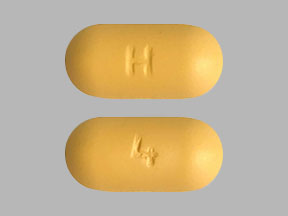
Efavirenz (Monograph)
Drug class: HIV Nonnucleoside Reverse Transcriptase Inhibitors
Efavirenz (Systemic) is also contained as an ingredient in the following combinations:
Efavirenz, Emtricitabine, and Tenofovir Disoproxil Fumarate
Introduction
Antiretroviral; HIV nonnucleoside reverse transcriptase inhibitor (NNRTI).
Uses for Efavirenz
Treatment of HIV Infection
Treatment of HIV-1 infection in adult and pediatric patients ≥3 months of age weighing ≥3.5 kg.
Efavirenz is commercially available as a single entity and in various fixed-combination preparations that contain additional antiretrovirals. Fixed-dose preparations include efavirenz, emtricitabine, and tenofovir disoproxil fumarate (tenofovir DF; e.g., Atripla) and efavirenz, lamivudine, and tenofovir DF (e.g., Symfi and Symfi Lo). See the full prescribing information for use of each of these combination products.
Efavirenz is commonly added to a dual-nucleoside reverse transcriptase inhibitor (NRTI) “backbone” to form a fully suppressive 3-drug antiretroviral regimen; consult guidelines for the most current information on recommended regimens. Selection of an initial antiretroviral regimen should be individualized based on factors such as virologic efficacy, toxicity, pill burden, dosing frequency, drug-drug interaction potential, resistance test results, comorbid conditions, access, and cost.
Postexposure Prophylaxis following Occupational Exposure to HIV (PEP)
Alternative for postexposure prophylaxis of HIV infection following occupational exposure† [off-label] (PEP) in health-care personnel and other individuals (used in conjunction with 2 NRTIs); use only with expert consultation.
USPHS recommends 3-drug regimen of raltegravir in conjunction with emtricitabine and tenofovir DF as the preferred regimen for PEP following occupational exposures to HIV. Efavirenz and 2 NRTIs can be considered an alternative regimen, but use for PEP only with expert consultation. Preferred dual NRTI option for PEP regimens is emtricitabine and tenofovir DF (may be given as emtricitabine/tenofovir DF; Truvada); alternative dual NRTIs are tenofovir DF and lamivudine, lamivudine and zidovudine (may be given as lamivudine/zidovudine; Combivir), or zidovudine and emtricitabine.
Management of occupational exposures to HIV is complex and evolving; consult infectious disease specialist, clinician with expertise in administration of antiretroviral agents, and/or National Clinicians’ Postexposure Prophylaxis Hotline (PEPline at 888-448-4911) whenever possible. Do not delay initiation of PEP while waiting for expert consultation.
Postexposure Prophylaxis following Nonoccupational Exposure to HIV (nPEP)
Alternative for postexposure prophylaxis of HIV infection following nonoccupational exposure† [off-label] (nPEP) (in conjunction with other antiretrovirals); use only with expert consultation.
When nPEP indicated in adults and adolescents ≥13 years of age with normal renal function, CDC states preferred regimen is either raltegravir or dolutegravir used in conjunction with emtricitabine and tenofovir DF (given as emtricitabine/tenofovir DF; Truvada); recommended alternative in these patients is ritonavir-boosted darunavir used in conjunction with emtricitabine/tenofovir DF (Truvada).
CDC states efavirenz is an alternative antiretroviral that can be used in nPEP regimens, but use in such regimens only with expert consultation. Consult infectious disease specialist, clinician with expertise in administration of antiretroviral agents, and/or the National Clinicians’ Postexposure Prophylaxis Hotline (PEPline at 888-448-4911) if nPEP indicated in certain exposed individuals (e.g., pregnant women, children, those with medical conditions such as renal impairment) or if considering a regimen not included in CDC guidelines, source virus is known or likely to be resistant to antiretrovirals, or healthcare provider is inexperienced in prescribing antiretrovirals. Do not delay initiation of nPEP while waiting for expert consultation.
Efavirenz Dosage and Administration
General
Pretreatment Screening
-
Assess cholesterol and triglyceride levels prior to initiation of efavirenz therapy.
-
Assess serum liver enzyme concentrations prior to initiation of efavirenz therapy.
-
Verify pregnancy status in females of reproductive potential prior to starting efavirenz.
Patient Monitoring
-
Monitor cholesterol and triglyceride levels at periodic intervals.
-
Monitor serum liver enzyme concentrations.
-
Monitor for adverse psychiatric and CNS effects.
-
Monitor for development of rash.
Premedication and Prophylaxis
-
Consider antihistamines for prevention of rash when initiating efavirenz in pediatric patients.
Dispensing and Administration Precautions
The Institute for Safe Medication Practices (ISMP) list of error-prone abbreviations, symbols, and dose designations states that the use of abbreviations for antiretroviral medications (e.g., DOR, TAF, TDF) during the medication use process should be avoided as their use has been associated with serious medication errors.
Administration
Oral Administration
Single-entity efavirenz commercially available as capsules or tablets.
Administer capsules or tablets orally once daily on an empty stomach, preferably at bedtime.
Administration at bedtime may make adverse CNS effects (dizziness, insomnia, impaired concentration, somnolence, abnormal dreams) more tolerable.
Use efavirenz in conjunction with other antiretrovirals.
Single-entity efavirenz should not be used concomitantly with efavirenz/emtricitabine/tenofovir disoproxil fumarate (tenofovir DF; e.g., Atripla), unless needed for adjustment of efavirenz dosage (e.g., when the fixed combination is used concomitantly with rifampin).
Capsules
Swallow capsules whole on an empty stomach.
For adults and pediatric patients ≥3 months of age not able to swallow capsules or tablets, administer capsule contents by mixing with small amount (1–2 teaspoonfuls) of soft food (capsule sprinkle method). Consider mixing with infant formula only if infant cannot consume solid foods. Administer efavirenz mixture within 30 minutes after preparation; do not consume any additional food or infant formula for 2 hours after the mixture.
Mixing capsule contents into food: Add 1–2 teaspoonfuls of age-appropriate soft food (e.g., applesauce, grape jelly, yogurt) to a small container. Hold appropriate number of capsules (see Table 1) horizontally over the small container, twist open, and empty onto the food. Gently mix with a spoon; feed entire mixture to patient. Then, add additional 2 teaspoonfuls of soft food to the small container, stir to disperse remaining efavirenz residue, and feed to patient.
Mixing capsule contents into infant formula: Add 10 mL (2 teaspoonfuls) of reconstituted room temperature infant formula to a 30-mL medicine cup. Hold appropriate number of capsules (see Table 1) horizontally over the medicine cup, twist open, and empty onto the formula. Gently mix with small spoon. Draw up infant formula mixture into 10-mL oral dosing syringe; administer into infant's right or left inner cheek. Then, add additional 2 teaspoonfuls of infant formula to the medicine cup, stir to disperse remaining efavirenz residue, draw up into oral dosing syringe, and administer to infant.
Tablets
Swallow tablets whole with liquid on an empty stomach; do not break or crush.
Fixed Combinations Containing Efavirenz
Efavirenz is commercially available in fixed-combination tablets containing efavirenz, emtricitabine, and tenofovir DF (e.g., Atripla) and efavirenz, lamivudine, and tenofovir DF (e.g., Symfi and Symfi Lo). See the full prescribing information of combination products for administration information.
Pharmacogenetic Testing
Poor CYP2B6 metabolizers may be at increased risk for increased efavirenz levels and adverse effects (e.g., CNS toxicity, QT prolongation) with efavirenz. The Clinical Pharmacogenetics Implementation Consortium (CPIC) recommends efavirenz dosage reductions for intermediate and poor CYP2B6 metabolizers. For adults and pediatric patients weighing ≥40 kg who are intermediate CYP2B6 metabolizers, consider initiating efavirenz at 400 mg/day (moderate recommendation). For adults and pediatric patients weighing ≥40 kg who are poor CYP2B6 metabolizers, consider initiating efavirenz at 200–400 mg/day (moderate recommendation). Consult CPIC guideline for more details and definitions of CYP2B6 phenotypes based on genotype.
Dosage
Pediatric Patients
Treatment of HIV Infection
Oral
Dosage in children ≥3 months of age weighing 3.5 to <40 kg is based on weight. (See Table 1.) Adolescents and children weighing ≥40 kg may receive usual adult dosage.
|
Weight (kg) |
Efavirenz Dosage |
Number of Capsules or Tablets |
|---|---|---|
|
3.5 to <5 |
100 mg once daily |
Two 50-mg capsules |
|
5 to <7.5 |
150 mg once daily |
Three 50-mg capsules |
|
7.5 to <15 |
200 mg once daily |
One 200-mg capsule |
|
15 to <20 |
250 mg once daily |
One 200-mg and one 50-mg capsule |
|
20 to <25 |
300 mg once daily |
One 200-mg and two 50-mg capsules |
|
25 to <32.5 |
350 mg once daily |
One 200-mg and three 50-mg capsules |
|
32.5 to <40 |
400 mg once daily |
Two 200-mg capsules |
|
≥40 |
600 mg once daily |
One 600-mg tablet or three 200-mg capsules |
Adults
Treatment of HIV Infection
Oral
600 mg once daily.
Postexposure Prophylaxis of HIV following Occupational Exposure† [off-label]
Oral
600 mg once daily. Use in conjunction with 2 NRTIs.
Initiate PEP as soon as possible following occupational exposure to HIV (preferably within hours); continue for 4 weeks, if tolerated.
Dosage Adjustment for Concomitant Use with Voriconazole
Reduce efavirenz dosage to 300 mg once daily using capsule formulation and increase voriconazole to 400 mg every 12 hours.
Dosage Adjustment for Concomitant Use with Rifampin
Patients weighing ≥50 kg: Increase efavirenz dosage to 800 mg once daily.
Special Populations
Hepatic Impairment
Dosage adjustments not needed in patients with mild hepatic impairment (Child-Pugh Class A); do not use in those with moderate or severe hepatic impairment (Child-Pugh Class B or C).
Renal Impairment
No specific dosage recommendations at this time.
Geriatric Patients
No specific dosage recommendations at this time. Select dosage with caution because of age-related decreases in hepatic, renal, and/or cardiac function and concomitant disease and drug therapy.
Cautions for Efavirenz
Contraindications
-
Clinically important hypersensitivity reaction (e.g., Stevens-Johnson syndrome, erythema multiforme, toxic skin eruption) to efavirenz or any other ingredient in the formulation.
-
Concomitant use with elbasvir and grazoprevir.
Warnings/Precautions
DrugI nteractions
Efavirenz plasma concentrations may be altered if CYP3A substrates, inhibitors, or inducers used concomitantly. In addition, efavirenz may alter plasma concentrations of drugs metabolized by CYP3A or 2B6.
QT Prolongation
Prolongation of QT interval corrected for rate (QTc) reported, including patients with poor metabolizer genotype. Consider alternative antiretroviral in patients at increased risk of torsades de pointes and in those receiving a drug known to increase risk of torsades de pointes.
Resistance
Must be used in conjunction with other antiretrovirals; do not add as a single-agent to a failing antiretroviral regimen. When given as monotherapy, resistance evolves rapidly.
When choosing antiretroviral agents to be used in conjunction with efavirenz, consider potential for viral cross-resistance.
Psychiatric Symptoms
Serious adverse psychiatric symptoms (severe depression, suicidal ideation, nonfatal suicide attempts, aggressive behavior, paranoid reactions, manic reactions) reported rarely in efavirenz clinical studies.
Factors associated with increased occurrence of psychiatric symptoms include history of injection drug use, history of psychiatric disorders, and treatment with antipsychotic drugs at study entry.
Advise patients to immediately seek medical evaluation if they experience severe psychiatric symptoms while receiving the drug.
If serious psychiatric events occur, evaluate to determine if symptoms are related to efavirenz; if so, determine whether risks of continued efavirenz outweigh benefits.
Nervous System Symptoms
Dizziness or insomnia reported frequently; abnormal dreams, somnolence, hallucinations, or impaired concentration also reported. These adverse effects generally begin during first 1–2 days of therapy and usually resolve after first 2–4 weeks.
Late-onset neurotoxicity, including ataxia and encephalopathy (impaired consciousness, confusion, psychomotor slowing, psychosis, delirium) reported months to years after beginning efavirenz therapy. Some late-onset neurotoxicity events occurred in patients with CYP2B6 genetic polymorphisms, which are associated with increased efavirenz levels.
Inform patients that adverse CNS effects may occur during first few weeks of efavirenz therapy and that the drug may impair ability to perform hazardous activities requiring mental alertness or physical coordination (e.g., operating machinery or driving a motor vehicle). Inform patients that there is a potential for additive CNS effects if they use efavirenz concomitantly with psychoactive drugs or alcohol. If patient presents with serious neurologic adverse experiences, evaluate promptly to assess whether the events are related to efavirenz and whether the drug should be discontinued.
Fetal/Neonatal Morbidity and Mortality
May cause fetal harm if administered during first trimester of pregnancy. Teratogenicity demonstrated in animals. Birth defects (including neural tube defects) reported in humans, usually with first-trimester exposure.
Perform pregnancy test in females of reproductive potential to rule out pregnancy before initiating efavirenz.
Advise females of reproductive potential to use effective contraception during efavirenz therapy and for 12 weeks after therapy is stopped. If pregnancy occurs during efavirenz therapy, apprise patient of the potential risk to a fetus.
Rash
Rash reported frequently (more common in pediatric patients). Median time to rash onset was 11 days in adults and 28 days in pediatric patients; median duration of rash in adults was 16 days. Rash generally resolves within 1 month with continued efavirenz.
May reinitiate efavirenz in patients who temporarily interrupted therapy with the drug because of development of a rash. Discontinue in patients with serious rash (i.e., rash associated with blistering, desquamation, mucosal involvement, or fever). Antihistamines and/or corticosteroids may improve tolerability and hasten resolution of rash. Consider prophylaxis with antihistamines prior to initiation of efavirenz in children. Discontinue in patients with life-threatening cutaneous reactions (e.g., Stevens-Johnson syndrome) and consider alternative therapy.
Hepatotoxicity
Hepatic failure and hepatitis reported, some with a fulminant course requiring transplantation or resulting in death. Hepatotoxicity reported in patients with or without pre-existing hepatic disease or identifiable risk factors.
Use with caution and careful monitoring in patients with mild hepatic impairment; use not recommended in those with moderate to severe hepatic impairment.
Assess serum liver enzyme concentrations prior to and during efavirenz treatment in all patients.
In patients with serum hepatic enzyme concentrations >5 times ULN, consider discontinuing efavirenz. Discontinue therapy if elevations in serum hepatic enzyme concentrations develop with clinical signs or symptoms of hepatitis or hepatic decompensation.
Convulsions
Convulsions reported, generally in those with a history of seizures. Use with caution in patients with history of seizures. Monitor anticonvulsant plasma concentrations periodically if used in patients receiving anticonvulsants that are metabolized principally by the liver (e.g., phenytoin, phenobarbital).
Lipid Elevations
Increased serum concentrations of total cholesterol and triglycerides reported. Assess serum cholesterol and triglyceride levels prior to and periodically during therapy.
Immune Reconstitution Syndrome
During initial treatment, HIV-infected patients who respond to antiretroviral therapy may develop an inflammatory response to indolent or residual opportunistic infections (e.g., Mycobacterium avium complex [MAC], M. tuberculosis, cytomegalovirus [CMV], Pneumocystis jirovecii [formerly P. carinii]); this may necessitate further evaluation and treatment.
Autoimmune disorders (e.g., Graves' disease, polymyositis, Guillain-Barré syndrome, autoimmune hepatitis) also reported in the setting of immune reconstitution; time to onset is more variable and can occur many months after initiation of antiretroviral therapy.
Fat Redistribution
Redistribution or accumulation of body fat, including central obesity, dorsocervical fat enlargement (“buffalo hump”), peripheral wasting, facial wasting, breast enlargement, and cushingoid appearance, reported in patients receiving antiretroviral therapy.
Mechanism and long-term consequences of fat redistribution unknown; causal relationship not established.
Pharmacogenomics
Efavirenz primarily metabolized by CYP2B6. Poor CYP2B6 metabolizers may be at increased risk for adverse effects with efavirenz, including CNS toxicity, hepatic injury, and QT interval prolongation. The Clinical Pharmacogenetics Implementation Consortium (CPIC) provides recommendations for efavirenz dosing guided by CYP2B6 phenotype. Dosage adjustments recommended for adults and pediatric patients weighing ≥40 kg who are poor or intermediate CYP2B6 metabolizers. (See Pharmacogenetic Testing under Dosage and Administration: Administration.) Consult CPIC guideline for more details and definitions of CYP2B6 phenotypes based on genotype.
Use of Fixed Combinations
When preparations containing efavirenz in fixed combination with other drugs (e.g., efavirenz, emtricitabine, and tenofovir disoproxil fumarate [tenofovir DF; e.g., Atripla]; efavirenz, lamivudine, and tenofovir DF [e.g., Symfi and Symfi Lo]) are used, the cautions, precautions, contraindications, and drug interactions associated with each drug in the fixed combination must be considered; consult the full prescribing information of each fixed combination preparation for specific information.
Specific Populations
Pregnancy
Efavirenz may cause fetal harm if administered during first trimester of pregnancy. There are retrospective case reports of neural tube defects in infants born to mothers with first trimester exposure to efavirenz. Although prospective data in humans are inadequate to assess risks and a causal relationship between efavirenz exposure in the first trimester and neural tube defects is not established, similar malformations have been observed in animal studies. Manufacturer states that efavirenz should not be used during first trimester of pregnancy.
Antiretroviral Pregnancy Registry at 800-258-4263 or [Web].
Advise females of reproductive potential about teratogenic potential of efavirenz. Perform pregnancy testing in such patients before initiation of therapy. If efavirenz is used during the first trimester, or if pregnancy occurs during therapy, apprise patient of the potential risk to the fetus.
Lactation
Per HHS perinatal HIV transmission guideline, inform patients that feeding with appropriate formula or pasteurized donor human milk from a milk bank eliminates postnatal HIV transmission risk to the infant. Additionally, achieving and maintaining viral suppression with antiretroviral therapy during pregnancy and postpartum reduces risk of breastfeeding HIV transmission to <1%, but not does not completely eliminate risk. Replacement feeding with formula or banked pasteurized donor milk is recommended when patients with HIV are not on antiretroviral therapy and/or do not have a suppressed viral load during pregnancy (at a minimum throughout the third trimester), as well as at delivery.
Females and Males of Reproductive Potential
Verify pregnancy status in females of reproductive potential prior to initiating therapy.
Advise females of reproductive potential to use effective contraception during therapy and for 12 weeks after discontinuance of efavirenz. Hormonal contraceptives containing progesterone may be less effective with efavirenz; advise patients to use barrier contraception in combination with other methods.
Pediatric Use
Safety and efficacy not evaluated in neonates and infants <3 months of age or those weighing <3.5 kg; not recommended in these pediatric patients.
Adverse effects reported with efavirenz in pediatric patients 3 months to 21 years of age are similar to those reported in adults with the exception of rash. Rash reported more frequently in children than adults and the incidence of moderate to severe rash has been greater in children than adults. Consider antihistamines for prevention of rash when initiating efavirenz in children.
Geriatric Use
Insufficient experience in those ≥65 years of age to determine whether they respond differently than younger adults.
Select dosage with caution because of age-related decreases in hepatic, renal, and/or cardiac function and concomitant disease and drug therapy.
Hepatic Impairment
Pharmacokinetics not affected by mild hepatic impairment (Child-Pugh class A); data insufficient to determine whether moderate or severe hepatic impairment (Child-Pugh class B or C) affects pharmacokinetics. Efavirenz not recommended in patients with moderate or severe hepatic impairment (Child-Pugh Class B or C). Use with caution and careful monitoring in patients with mild hepatic impairment.
Renal Impairment
Pharmacokinetics not specifically studied; clinically important decreases in clearance not anticipated.
Common Adverse Effects
Moderate to severe adverse effects occurring in >5% of patients: impaired concentration, abnormal dreams, rash, dizziness, nausea, headache, fatigue, insomnia, and vomiting.
Drug Interactions
Substrate of CYP3A and CYP2B6.
Inhibits CYP2C9 and CYP2C19. Does not inhibit CYP2E1, and does not inhibit CYP2D6 or CYP1A2 at clinically relevant concentrations.
Induces CYP3A and CYP2B6.
Drugs Affecting or Metabolized by Hepatic Microsomal Enzymes
Inducers of CYP3A and CYP2B6 expected to reduce efavirenz plasma concentrations. Efavirenz induces CYP3A and CYP2B6, and may alter plasma concentrations of drugs metabolized by these enzymes. Efavirenz induces its own metabolism.
Efavirenz inhibits CYP2C9 and CYP2C19 at clinically important concentrations, and may alter the pharmacokinetics of drugs metabolized by these isoenzymes.
Drugs Associated with QT Prolongation
QT prolongation observed with efavirenz. Consider alternatives to efavirenz in patients who require therapy with another drug that has a known risk of torsades de pointes.
Specific Drugs and Laboratory Tests
|
Drug |
Interaction |
Comments |
|---|---|---|
|
Abacavir |
Clinically important interactions not expected In vitro evidence of additive antiretroviral effects |
Dosage adjustments not needed |
|
Alcohol |
Potential for increased CNS effects |
|
|
Antacids (aluminum hydroxide, magnesium hydroxide, simethicone) |
Does not alter absorption of efavirenz |
Dosage adjustments not needed |
|
Anticonvulsants (carbamazepine, phenobarbital, phenytoin) |
Carbamazepine: Decreased concentrations and AUCs of efavirenz and carbamazepine Phenobarbital, phenytoin: Possible decreased concentrations of phenobarbital and phenytoin and/or efavirenz |
Carbamazepine: Data insufficient to make dosage recommendations for concomitant use with efavirenz; use alternative anticonvulsant Phenobarbital, phenytoin: Use caution and monitor anticonvulsant concentrations if used with efavirenz; |
|
Antifungals, azoles (fluconazole, itraconazole, ketoconazole, posaconazole, voriconazole) |
Fluconazole: No clinically important pharmacokinetic interactions Itraconazole: Decreased concentrations of itraconazole; no change in efavirenz concentrations Ketoconazole: Possible decreased concentrations of the antifungal Posaconazole: Decreased posaconazole concentrations and AUC Voriconazole: Decreased voriconazole concentrations; increased efavirenz concentrations |
Fluconazole: Dosage adjustments not needed Itraconazole: Dosage recommendation for concomitant use not available; consider alternative antifungal Ketoconazole: Dosage recommendations for concomitant use not available; consider alternative antifungal Posaconazole: Avoid concomitant use unless potential benefits outweigh risks Voriconazole: Increase voriconazole maintenance dosage to 400 mg every 12 hours and decrease efavirenz dosage to 300 mg once daily (use efavirenz capsules; do not divide tablet); do not use usual voriconazole dosage with usual efavirenz dosage |
|
Antimalarials |
Fixed combination of artemether and lumefantrine (artemether/lumefantrine): Decreased concentrations and AUC of artemether and active metabolite of artemether; decreased lumefantrine AUC; possible QT interval prolongation Fixed combination of atovaquone and proguanil (atovaquone/proguanil): Decreased AUC of atovaquone and proguanil predicted |
Artemether/lumefantrine: Consider alternative antimalarial agent Atovaquone/proguanil: Concomitant use not recommended |
|
Antimycobacterials (rifabutin, rifampin) |
Rifabutin: Decreased rifabutin concentrations; no change in efavirenz AUC Rifampin: Decreased efavirenz concentrations and AUC |
Rifabutin: Manufacturer of efavirenz states increase daily rifabutin dosage by 50% and consider doubling rifabutin dosage when given 2 or 3 times weekly Rifampin: Manufacturer states increase efavirenz dosage to 800 mg once daily in those weighing ≥50 kg |
|
Atazanavir |
Ritonavir-boosted atazanavir: Possible increased atazanavir concentrations and AUC depending on specific regimen Unboosted atazanavir: Substantially decreased atazanavir concentrations and AUC |
Ritonavir-boosted atazanavir in treatment-naive adults: Use atazanavir 400 mg and ritonavir 100 mg once daily (with food) and efavirenz 600 mg once daily (without food, preferably at bedtime) Ritonavir-boosted atazanavir in antiretroviral-experienced adults: Concomitant use not recommended |
|
Bupropion |
Decreased bupropion concentrations and AUC; increased concentrations of hydroxybupropion (an active metabolite) |
Titrate bupropion dosage based on clinical response; do not exceed maximum recommended bupropion dosage |
|
Calcium-channel blocking agents |
Diltiazem: Decreased diltiazem concentrations; slightly increased efavirenz concentrations Other calcium-channel blocking agents (e.g., felodipine, nicardipine, nifedipine, verapamil): Possible decreased concentrations of the calcium-channel blocking agent |
Diltiazem: Titrate diltiazem dosage based on clinical response; adjustment of efavirenz dosage not needed Other calcium-channel blocking agents: Titrate dosage of calcium-channel blocking agent according to clinical response |
|
Cetirizine |
Decreased cetirizine concentrations; no change in efavirenz concentrations |
When used with cetirizine, dosage adjustments not needed |
|
Elbasvir and grazoprevir |
Fixed combination of elbasvir and grazoprevir (elbasvir/grazoprevir): Substantially decreased elbasvir and grazoprevir concentrations; possible loss of virologic response to elbasvir/grazopevir |
Elbasvir/grazoprevir: Concomitant use contraindicated |
|
Emtricitabine |
Clinically important interactions not expected In vitro evidence of additive antiretroviral effects |
Dosage adjustments not needed |
|
Estrogens/Progestins |
Oral hormonal contraceptive containing ethinyl estradiol and norgestimate: Substantially decreased concentrations and AUC of norelgestromin and levonorgestrel (metabolites of norgestimate) Etonogestrel (subcutaneous implant): Not studied, but decreased etonogestrel concentrations expected; subcutaneous implant contraceptive failure reported in women receiving efavirenz |
Hormonal contraceptives (oral or other hormonal contraceptives): Use a barrier contraceptive in addition to hormonal contraceptive in females of reproductive potential during and for 12 weeks after efavirenz therapy is discontinued |
|
Fosamprenavir |
Substantially decreased concentrations of amprenavir (active metabolite of fosamprenavir) if used with fosamprenavir (without low-dose ritonavir) In vitro evidence of additive synergistic antiretroviral effects |
Fosamprenavir (without low-dose ritonavir): Appropriate dosages for concomitant use with efavirenz with respect to safety and efficacy not established Ritonavir-boosted fosamprenavir: Increased ritonavir dosage (300 mg total daily) recommended when efavirenz used with ritonavir-boosted fosamprenavir once daily regimen; no change in ritonavir dosage necessary if efavirenz is used with ritonavir-boosted fosamprenavir twice-daily regimen |
|
Glecaprevir and pibrentasvir |
Decreased glecaprevir and pibrentasvir concentrations and potential loss of virologic response to glecaprevir/pibrentasvir |
Concomitant use not recommended |
|
Histamine H2-receptor antagonists (famotidine) |
Systemic avalability not affected by famotidine |
When used with famotidine, dosage adjustments not needed |
|
HMG-CoA reductase inhibitors (statins) |
Atorvastatin, pravastatin, and simvastatin: Decreased concentrations of the antilipemic agent; no clinically important effect on efavirenz concentrations |
Atorvastatin, pravastatin, simvastatin: Consult statin prescribing information for dosage recommendations for concomitant use |
|
Immunosuppressive agents (cyclosporine, sirolimus, tacrolimus) |
Cyclosporine, sirolimus, tacrolimus: Possible decreased concentrations of the immunosuppressive agent; no effect on efavirenz concentrations |
Cyclosporine, sirolimus, tacrolimus: Dosage of immunosuppressive agent may need to be adjusted if used with efavirenz; whenever efavirenz is initiated or discontinued, monitor immunosuppressive agent concentrations for at least 2 weeks until stable |
|
Lamivudine |
No effect on lamivudine peak concentrations or AUC In vitro evidence of additive antiretroviral effects |
Dosage adjustments not needed |
|
Lopinavir/ritonavir |
Decreased lopinavir concentrations and AUC In vitro evidence of additive antiretroviral effects |
Once-daily lopinavir/ritonavir regimen not recommended with efavirenz Refer to the lopinavir/ritonavir prescribing information for dosage recommendations when used concomitantly |
|
Lorazepam |
Increased lorazepam concentrations, but no effect on lorazepam AUC |
Dosage adjustments not needed |
|
Macrolides (azithromycin, clarithromycin) |
Risk of QT interval prolongation Azithromycin: Pharmacokinetic interaction unlikely Clarithromycin: Decreased clarithromycin concentrations and AUC and increased 14-hydroxyclarithromycin concentrations and AUC |
Consider alternative to macrolide antibiotics Azithromycin: Dosage adjustments not needed |
|
Maraviroc |
Decreased maraviroc concentrations and AUC |
Refer to maraviroc prescribing information for recommendations |
|
Methadone |
Decreased methadone concentrations and AUC |
Closely monitor for signs of opiate withdrawal; increased methadone maintenance dosage may be necessary |
|
Nelfinavir |
Increased nelfinavir concentrations and AUC; decreased efavirenz concentrations and AUC In vitro evidence of additive antiretroviral effects |
Dosage adjustments not needed |
|
Nevirapine |
In vitro evidence of additive antiretroviral effects |
Concomitant use not recommended |
|
Praziquantel |
Increased metabolism and decreased plasma concentration of praziquantel; risk of treatment failure |
Concomitant use not recommended |
|
Psychotherapeutic agents |
Potential for increased CNS effects |
|
|
Raltegravir |
Decreased raltegravir concentrations and AUC |
Dosage adjustments not necessary |
|
Ritonavir |
Increased ritonavir AUC and increased efavirenz AUC In vitro evidence of additive antiretroviral effects |
Monitor hepatic enzymes and monitor patient for adverse effects (e.g., dizziness, nausea, paresthesia) if used with efavirenz |
|
Selective serotonin-reuptake inhibitors (SSRIs) |
Paroxetine: No clinically important interactions Sertraline: Decreased sertraline concentrations and AUC |
Paroxetine: Dosage adjustments not needed Sertraline: Adjust sertraline dosage based on clinical response |
|
Sofosbuvir and velpatasvir |
Decreased velpatasvir concentrations and AUC and potential loss of therapeutic efficacy |
Concomitant use not recommended |
|
Sofosbuvir, velpatasvir, and voxilaprevir |
Decreased velpatasvir and voxilaprevir concentrations and potential loss of therapeutic efficacy |
Concomitant use not recommended |
|
Tenofovir DF |
Clinically important interactions not expected In vitro evidence of additive antiretroviral effects |
Dosage adjustments not needed |
|
Tests for cannabinoids |
False-positive urine cannabinoid test when screening test used |
Confirm positive cannabinoid screening test with a more specific test |
|
Warfarin |
Warfarin concentrations likely to be affected |
Use with caution; closely monitor INR |
|
Zidovudine |
No effect on zidovudine peak concentrations or AUC In vitro evidence of additive antiretroviral effects |
Dosage adjustments not necessary |
Efavirenz Pharmacokinetics
Absorption
Bioavailability
Peak plasma efavirenz concentrations attained within 3–5 hours.
Food
Administration with food increases efavirenz bioavailability.
Compared with administration in the fasting state, AUC increased 22 or 17% when a single 600-mg efavirenz dose as capsules was administered with a high-fat, high-calorie meal (894 kcal, 54 g fat, 54% calories from fat) or a reduced-fat normal calorie meal (440 kcal, 2 g fat, 4% calories from fat), respectively.
Compared with administration in the fasting state, AUC increased 28% when a single 600-mg efavirenz dose as tablets was administered with a high-fat, high-calorie meal (1000 kcal, 500–600 kcal from fat).
In healthy adults, 600-mg efavirenz dose administered by opening 200-mg capsules and mixing contents of 3 capsules with 2 teaspoonfuls of soft food (e.g., applesauce, grape jelly, yogurt) or infant formula resulted in efavirenz AUC that met bioequivalency criteria compared with intact capsules administered in fasting state.
Distribution
Extent
Not fully characterized.
Plasma Protein Binding
99.5–99.75%.
Elimination
Metabolism
Metabolized by CYP3A and CYP2B6; undergoes subsequent glucuronidation. Induces CYP enzymes, resulting in induction of its own metabolism.
Elimination Route
16–61% excreted in feces (principally as unchanged drug) and 14–34% eliminated in urine (principally as metabolites).
Not removed by dialysis.
Half-life
52–76 hours after a single dose and 40–55 hours after multiple doses.
Special Populations
Hepatic impairment: Pharmacokinetics not affected by mild impairment (Child-Pugh class A); data insufficient to determine whether affected by moderate or severe impairment (Child-Pugh class B or C).
Pharmacokinetics not affected by gender or race.
Stability
Storage
Oral
Capsules
20-25°C (excursions permitted between 15–30°C).
Tablets
20-25°C (excursions permitted between 15–30°C).
Actions and Spectrum
-
Active against HIV-1; inactive against HIV-2.
-
Inhibits replication of HIV-1 by interfering with viral RNA- and DNA-directed polymerase activities of reverse transcriptase.
-
HIV-1 with reduced susceptibility to efavirenz have been selected in vitro and have emerged during therapy with the drug.
-
Cross-resistance between efavirenz and NRTIs unlikely since the drugs bind at different sites on reverse transcriptase and have different mechanisms of action. Cross-resistance between efavirenz and PIs unlikely since the drugs have different target enzymes.
Advice to Patients
-
Detail critical nature of compliance with HIV therapy and importance of remaining under the care of a clinician. Stress importance of taking as prescribed; do not alter or discontinue antiretroviral regimen without consulting clinician.
-
Stress importance of using efavirenz in conjunction with other antiretrovirals—not for monotherapy.
-
Stress importance of taking efavirenz on an empty stomach, preferably at bedtime.
-
If patient is not able to swallow capsules or tablets, stress importance of patient or caregiver reading and carefully following instructions for mixing and administering capsule contents in small amount of soft food or infant formula.
-
If a dose is missed, patient should take the missed dose as soon as it is remembered, unless it is almost time for next dose. If a dose is missed, do not take a double dose to make up for missed dose.
-
Advise patients that adverse CNS effects (e.g., dizziness, insomnia, impaired concentration, drowsiness, abnormal dreams) are common during first weeks of efavirenz therapy. Taking the drug at bedtime may improve tolerability. Additive effects may occur if used with alcohol or psychoactive drugs. If CNS effects occur, avoid potentially hazardous tasks such as driving or operating machinery. Advise patients of risk of late-onset neurotoxicity, including ataxia and encephalopathy which may occur months to years after beginning efavirenz therapy.
-
Advise patients that serious psychiatric symptoms (e.g., severe depression, suicide attempts, aggressive behavior, delusions, paranoia, psychosis-like symptoms) have occurred. Stress importance of informing clinician of any history of mental illness or substance abuse and seeking immediate medical evaluation if severe psychiatric symptoms occur.
-
Advise patients to watch for early warning signs of liver inflammation or failure (e.g., fatigue, weakness, lack of appetite, nausea and vomiting), as well as later signs (e.g., jaundice, confusion, abdominal swelling, discolored feces), and to consult their health care professional without delay if such symptoms occur.
-
Risk of rash. Since rash may be serious, stress importance of promptly contacting clinician if rash occurs.
-
Advise patients that redistribution/accumulation of body fat may occur, with as yet unknown long-term health effects.
-
Advise patients to inform their clinician of existing or contemplated concomitant therapy, including prescription and OTC drugs and dietary and herbal supplements, as well as any concomitant illnesses.
-
Stress importance of females using a reliable barrier method of contraception in addition to a hormonal contraceptive (oral or other hormonal contraceptive) during and for 12 weeks after efavirenz therapy.
-
Advise women to inform their clinician if they are or plan to become pregnant or plan to breast-feed.
-
Advise patients of other important precautionary information.
Additional Information
The American Society of Health-System Pharmacists, Inc. represents that the information provided in the accompanying monograph was formulated with a reasonable standard of care, and in conformity with professional standards in the field. Readers are advised that decisions regarding use of drugs are complex medical decisions requiring the independent, informed decision of an appropriate health care professional, and that the information contained in the monograph is provided for informational purposes only. The manufacturer’s labeling should be consulted for more detailed information. The American Society of Health-System Pharmacists, Inc. does not endorse or recommend the use of any drug. The information contained in the monograph is not a substitute for medical care.
Preparations
Excipients in commercially available drug preparations may have clinically important effects in some individuals; consult specific product labeling for details.
Please refer to the ASHP Drug Shortages Resource Center for information on shortages of one or more of these preparations.
* available from one or more manufacturer, distributor, and/or repackager by generic (nonproprietary) name
|
Routes |
Dosage Forms |
Strengths |
Brand Names |
Manufacturer |
|---|---|---|---|---|
|
Oral |
Capsules |
50 mg* |
Efavirenz Capsules |
|
|
100 mg* |
Efavirenz Capsules |
|||
|
200 mg* |
Efavirenz Capsules |
|||
|
Tablets, film-coated |
600 mg* |
Efavirenz Tablets |
AHFS DI Essentials™. © Copyright 2025, Selected Revisions October 10, 2024. American Society of Health-System Pharmacists, Inc., 4500 East-West Highway, Suite 900, Bethesda, Maryland 20814.
† Off-label: Use is not currently included in the labeling approved by the US Food and Drug Administration.
Reload page with references included
Related/similar drugs
Frequently asked questions
- What is the difference between HIV treatments Symfi and Symfi Lo?
- What drugs are contained in the HIV treatment Symfi Lo?
More about efavirenz
- Check interactions
- Compare alternatives
- Pricing & coupons
- Reviews (8)
- Drug images
- Side effects
- Dosage information
- During pregnancy
- Drug class: NNRTIs
- Breastfeeding
- En español