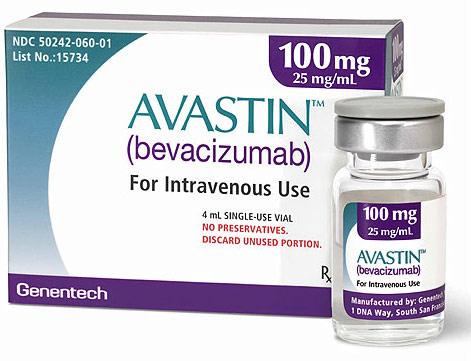
Bevacizumab (Monograph)
Brand name: Alymsys; Avastin ; Mvasi; Vegzelma; Zirabev
Drug class: Antineoplastic Agents
Introduction
Antineoplastic agent; a recombinant humanized monoclonal antibody.
Bevacizumab-adcd (Vegzelma), bevacizumab-awwb (Mvasi), bevacizumab-bvzr (Zirabev), and bevacizumab-maly (Alymsys) are biosimilar to bevacizumab (Avastin).
A biosimilar is a biological that is highly similar to an FDA-licensed reference biological with the exception of minor differences in clinically inactive components and for which there are no clinically meaningful differences in safety, purity, or potency. Biosimilars are approved through an abbreviated licensure pathway that establishes biosimilarity between proposed biological and reference biological but does not independently establish safety and effectiveness of the proposed biological. In order to be considered an interchangeable biosimilar, a biological product must meet additional requirements beyond demonstrating biosimilarity to its reference product. None of the currently available bevacizumab biosimilars have interchangeable data at this time.
In this monograph, unless otherwise stated, the term “bevacizumab products” refers to bevacizumab (the reference drug) and its biosimilars (bevacizumab-adcd, bevacizumab-awwb, bevacizumab-bvzr, and bevacizumab-maly).
Uses for Bevacizumab
Several bevacizumab biosimilars are available. Biosimilarity of these products has been demonstrated for the indications described in Table 1.
|
FDA labeled indication |
Metastatic CRC |
NSCLC |
GBM |
Metastatic RCC |
Cervical cancer |
Ovarian cancer |
HCC |
|---|---|---|---|---|---|---|---|
|
Bevacizumab-adcd (Vegzelma) |
X |
X |
X |
X |
X |
X |
|
|
Bevacizumab-awwb (Mvasi) |
X |
X |
X |
X |
X |
X |
|
|
Bevacizumab-bvzr (Zirabev) |
X |
X |
X |
X |
X |
X |
|
|
Bevacizumab-maly (Alymsys) |
X |
X |
X |
X |
X |
X |
Bevacizumab-maly (Alymsys) is only labeled for use in combination with paclitaxel, pegylated liposomal doxorubicin, or topotecan for the treatment of platinum-resistant recurrent epithelial ovarian, fallopian tube, or primary peritoneal cancer in patients who have received no more than 2 prior chemotherapy regimens. Other biosimilars have additional ovarian cancer indications (same ovarian cancer indications as originator bevacizumab).
CRC, colorectal cancer; GBM, glioblastoma; HCC, hepatocellular carcinoma; NSCLC, non-small cell lung cancer; RCC, renal cell carcinoma.
Colorectal Cancer
Used in combination with IV fluorouracil-based chemotherapy for the first- or second-line treatment of metastatic colorectal cancer.
Used in combination with fluoropyrimidine-irinotecan- or fluoropyrimidine-oxaliplatin-based chemotherapy for the second-line treatment of metastatic colorectal cancer in patients who have progressed on a first-line bevacizumab product-containing regimen.
Has also been used in combination with oxaliplatin-containing regimens† [off-label] as first-line therapy for metastatic colorectal cancer.
Has also been used in combination with trifluridine/tipiracil for the treatment of refractory metastatic colorectal cancer† [off-label].
Not indicated for adjuvant treatment of colon cancer.
American Society of Clinical Oncology (ASCO) recommends a chemotherapy (doublet or triplet) backbone as first-line therapy for previously untreated, unresectable microsatellite stable (MSS) or proficient mismatch repair (pMMR) metastatic colorectal cancer, in combination with anti-vascular endothelial growth factor (VEGF) antibodies (e.g., bevacizumab). Doublet chemotherapy regimens include folinic acid/fluorouracil/oxaliplatin and folinic acid/fluorouracil/irinotecan. Capecitabine plus oxaliplatin may be substituted for folinic acid/fluorouracil/oxaliplatin. Triplet chemotherapy includes folinic acid/fluorouracil/oxaliplatin/irinotecan.
Non-small Cell Lung Cancer
Used in combination with carboplatin and paclitaxel for first-line treatment of unresectable, locally advanced, recurrent or metastatic nonsquamous NSCLC.
Investigated for use in combination with cisplatin and gemcitabine† [off-label] for first-line treatment of locally advanced, metastatic, or recurrent nonsquamous NSCLC. Data from a randomized study suggest that such use is associated with prolonged progression-free survival but not prolonged overall survival.
Has also been used in combination with carboplatin and pemetrexed† [off-label] for the first-line treatment of stage IIIB or IV nonsquamous NSCLC.
Has also been used in combination with cisplatin and pemetrexed† [off-label] for the first-line treatment of unresectable locally advanced, metastatic, or recurrent nonsquamous NSCLC.
Has also been used in combination with atezolizumab, paclitaxel, and carboplatin† for the initial treatment of metastatic nonsquamous NSCLC.
Has also been used in combination with erlotinib for the treatment of advanced epidermal growth factor receptor (EGFR) mutation-positive NSCLC†.
Locally advanced, unresectable NSCLC typically treated with radiation therapy and/or chemotherapy (depending on sites of tumor involvement and patient’s performance status). Treatment selection in newly-diagnosed metastatic NSCLC based on patient comorbidities, performance status, tumor histology, and the molecular and immunologic features of the cancer (e.g., presence or absence of specific driver alterations). For first-line treatment of patients with stage IV nonsquamous NSCLC without driver alterations, ASCO states that a regimen of atezolizumab, carboplatin, and paclitaxel (with or without bevacizumab) may be offered in the absence of contraindications to bevacizumab. Other regimens may be preferred in patients whose tumors express programmed death ligand 1 (PD-L1). Consult ASCO guidelines for further information on recommended regimens.
Glioblastoma
Used for treatment of recurrent glioblastoma in adults.
Concurrent temozolomide and radiation therapy should be offered for newly diagnosed isocitrate dehydrogenase (IDH)-wildtype, CNS WHO grade 4 glioblastoma, and 6 months of adjuvant temozolomide should be offered to patients who receive concurrent temozolomide and radiation therapy. Patients with older age, poor performance status, or concerns about toxicity or prognosis may be considered for best supportive care alone, hypofractionated radiation therapy alone, or temozolomide alone. Bevacizumab not recommended for newly-diagnosed IDH-wildtype, CNS WHO grade 4 glioblastoma. No recommendation for or against any therapeutic strategy could be made for recurrent IDH-wildtype, CNS WHO grade 4 glioblastoma. Drugs studied in this setting include temozolomide, lomustine, carmustine, and bevacizumab; ASCO recommends that patients with recurrent glioblastoma are referred for participation in a clinical trial when possible.
Renal Cell Carcinoma
Used in combination with interferon alfa for treatment of metastatic renal cell carcinoma (designated an orphan drug by FDA for this use).
First-line therapy with vascular endothelial growth factor receptor (VEGFR) inhibitors has been shown to provide benefits in patients with advanced renal cell carcinoma; however, relapsed or refractory renal cell carcinoma eventually develops in most patients. Combination regimens (e.g., immune checkpoint inhibitor in combination with a tyrosine kinase inhibitor) have become standard for treatment of advanced renal cell carcinoma. Bevacizumab with or without interferon alfa may be considered for third- or fourth-line therapy.
Cervical Cancer
Used in combination with paclitaxel and cisplatin or paclitaxel and topotecan for the treatment of persistent, recurrent, or metastatic cervical cancer.
Options for stage IVB and recurrent cervical cancer include immunotherapy (e.g., pembrolizumab), radiation plus chemotherapy, palliative chemotherapy, and other systemic treatments (e.g., bevacizumab); of these, only immunotherapy is likely to be curative in this setting. ASCO recommends chemotherapy (paclitaxel plus cisplatin or carboplatin) plus bevacizumab for the treatment of stage IVB cervical cancer, with or without individualized radiotherapy and/or palliative care. Clinicians may also offer upfront pembrolizumab and chemotherapy (with or without bevacizumab) to eligible patients with persistent, recurrent, or metastatic cervical carcinoma, with or without individualized radiotherapy and/or palliative care.
Ovarian Cancer
Used in combination with carboplatin and paclitaxel and subsequently as monotherapy for the treatment of stage III or IV epithelial ovarian, fallopian tube, or primary peritoneal cancer following initial surgical resection (all products except bevacizumab-maly [Alymsys]).
Used in combination with paclitaxel, pegylated liposomal doxorubicin, or topotecan for the treatment of platinum-resistant recurrent epithelial ovarian, fallopian tube, or primary peritoneal cancer in patients who received no more than 2 prior chemotherapy regimens.
Used in combination with carboplatin and paclitaxel, or with carboplatin and gemcitabine, and subsequently as monotherapy for the treatment of platinum-sensitive recurrent epithelial ovarian, fallopian tube, or primary peritoneal cancer (all products except bevacizumab-maly [Alymsys]).
Designated an orphan drug by FDA for the treatment of ovarian cancer, fallopian tube carcinoma, and primary peritoneal carcinoma.
Newly-diagnosed advanced ovarian cancer (stage III–IV) typically treated with surgery followed by platinum-based chemotherapy. In some cases, platinum-based chemotherapy may also be administered before surgery, and other agents, such as bevacizumab and poly(adenosine diphosphate [ADP]-ribose) polymerase (PARP) inhibitors, may be used as adjunctive treatments. ASCO recommends that patients who are fit for primary cytoreductive surgery but are unlikely to have complete cytoreduction and patients who have a high perioperative risk profile should receive neoadjuvant chemotherapy with a platinum-taxane doublet regimen. Patients demonstrating a response or stable disease after ≤4 cycles of neoadjuvant chemotherapy should undergo subsequent interval cytoreductive surgery. After interval cytoreductive surgery, chemotherapy (preferably with a platinum-taxane doublet) is recommended; bevacizumab may be added to chemotherapy after sufficient post-surgical healing has taken place. Maintenance therapy with bevacizumab or a PARP inhibitor should be offered after completion of primary chemotherapy.
For platinum-sensitive recurrent ovarian cancer, re-treatment with a platinum-containing regimen should be considered. ASCO recommends combination chemotherapy with carboplatin, with or without bevacizumab, for platinum-sensitive recurrent epithelial ovarian cancer. Maintenance therapy with a PARP inhibitor may be appropriate for some patients with platinum-sensitive recurrent disease (consult ASCO guidelines for more information).
For platinum-resistant or platinum-refractory recurrent ovarian cancer, ASCO recommends single-agent non-platinum chemotherapy, with or without bevacizumab.
Hepatocellular Carcinoma
Used in combination with atezolizumab for the treatment of unresectable or metastatic hepatocellular carcinoma in patients who have not received prior systemic therapy (designated an orphan drug by FDA for this use; originator bevacizumab only).
ASCO recommends atezolizumab plus bevacizumab or durvalumab plus tremelimumab for first-line treatment of patients with advanced hepatocellular carcinoma, Child-Pugh class A liver disease, and Eastern Cooperative Oncology Group (ECOG) performance status of 0 or 1. May offer sorafenib, lenvatinib, or durvalumab as first-line treatment for such patients when contraindications to atezolizumab plus bevacizumab or durvalumab plus tremelimumab exist. The American Association for the Study of Liver Diseases (AASLD) makes similar recommendations.
Breast Cancer
Previously labeled for use in combination with paclitaxel for first-line treatment of metastatic HER2-negative breast cancer†; however, FDA revoked approval of bevacizumab for this use. The AHFS Oncology Expert Committee concluded that use of bevacizumab in combination with paclitaxel for first-line treatment of metastatic breast cancer currently is not fully established because of equivocal evidence.
AHFS OncologyExpert Committee also concluded that use of bevacizumab in combination with chemotherapy (e.g., taxanes, capecitabine, gemcitabine, vinorelbine) for the treatment of metastatic breast cancer previously treated with cytotoxic chemotherapy† currently is not fully established because of equivocal evidence.
Other Uses
Has been used in combination with pemetrexed and cisplatin for the treatment of malignant pleural mesothelioma†. ASCO states that pemetrexed plus platinum-based chemotherapy, with or without bevacizumab, may be offered as a first-line systemic therapy for patients with epithelioid histology; do not offer chemotherapy to patients with nonepithelioid histology who have not received any prior systemic therapy, unless there are contraindications to first-line immunotherapy. In patients who have received first-line immunotherapy, may offer pemetrexed plus platinum chemotherapy, with or without bevacizumab, as an initial chemotherapy treatment option.
Has been used by intravitreal injection† in treatment of neovascular age-related macular degeneration.† American Academy of Ophthalmology recommends intravitreal injections of anti-VEGF agents (including bevacizumab) as first-line therapy for neovascular age-related macular degeneration.
Also has been used by intravitreal injection† in treatment of diabetic macular edema†. American Academy of Ophthalmology recommends intravitreal anti-VEGF agents (including bevacizumab) first-line for the treatment of center-involved diabetic macular edema with vision loss.
Bevacizumab Dosage and Administration
General
Patient Monitoring
-
Evaluate patients with hepatocellular carcinoma for varices within 6 months of treatment initiation.
-
Monitor blood pressure every 2–3 weeks during treatment; continue monitoring at regular intervals after treatment discontinuation in patients with bevacizumab-induced or -exacerbated hypertension.
-
Monitor proteinuria with serial dipstick urinalyses during treatment; perform 24-hour urine collection for further assessment in patients with a 2+ or greater urine dipstick reading.
Other General Considerations
-
Do not administer within 28 days prior to elective surgery.
-
Do not administer for at least 28 days following major surgery, until adequate wound healing occurs.
Administration
IV Administration
Administer by IV infusion.
No incompatibilities observed between originator bevacizumab, bevacizumab-awwb (Mvasi), bevacizumab-bvzr (Zirabev), or bevacizumab-maly (Alymsys) and polyvinylchloride or polyolefin bags; no incompatibilities observed between bevacizumab-adcd (Vegzelma) and polyolefin (polypropylene and polyethylene) bags.
Dilution
Withdraw appropriate dose of bevacizumab product and dilute in 100 mL of 0.9% sodium chloride. Do not administer or mix with dextrose solutions. Discard any unused portion in the vial.
Rate of Administration
Administer initial dose over 90 minutes.
If tolerated, administer second dose over 60 minutes.
If second dose is tolerated, administer all subsequent doses over 30 minutes.
Has been administered safely over shorter infusion times (0.5 mg/kg per minute).
Dosage
Adults
Colorectal Cancer
First- or Second-line Treatment of Metastatic Colorectal Cancer
IV5 mg/kg every 2 weeks when administered in combination with IFL (IV irinotecan/fluorouracil/leucovorin) or 10 mg/kg every 2 weeks when administered in combination with FOLFOX4 (IV fluorouracil/leucovorin and oxaliplatin).
Second-line Treatment of Metastatic Colorectal Cancer in Patients Progressing on First-line Bevacizumab-containing Regimen
IV5 mg/kg every 2 weeks or 7.5 mg/kg every 3 weeks (in combination with fluoropyrimidine-irinotecan- or fluoropyrimidine-oxaliplatin-based chemotherapy).
Non-small Cell Lung Cancer
IV
15 mg/kg every 3 weeks (in combination with carboplatin and paclitaxel).
Glioblastoma
IV
10 mg/kg every 2 weeks.
Renal Cell Carcinoma
IV
10 mg/kg every 2 weeks (in combination with interferon alfa).
Cervical Cancer
IV
15 mg/kg every 3 weeks (in combination with paclitaxel and cisplatin or paclitaxel and topotecan).
Ovarian Cancer
Stage III or IV Epithelial Ovarian, Fallopian Tube, or Primary Peritoneal Cancer Following Surgical Resection
IV15 mg/kg every 3 weeks in combination with carboplatin and paclitaxel for up to 6 cycles, followed by 15 mg/kg every 3 weeks as a single agent for a total of up to 22 cycles (or until disease progression, whichever occurs first).
Bevacizumab-maly (Alymsys) not labeled for this use.
Platinum-resistant Recurrent Disease
IV10 mg/kg every 2 weeks (in combination with paclitaxel, pegylated liposomal doxorubicin, or weekly topotecan) or 15 mg/kg every 3 weeks (in combination with an every-3-week regimen of topotecan).
Platinum-sensitive Recurrent Disease
IV15 mg/kg every 3 weeks in combination with carboplatin and paclitaxel for 6–8 cycles or in combination with carboplatin and gemcitabine for 6–10 cycles, then as a single agent until disease progression.
Bevacizumab-maly (Alymsys) not labeled for this use.
Hepatocellular Carcinoma
IV15 mg/kg after administration of 1200 mg of IV atezolizumab on the same day, every 3 weeks until disease progression or unacceptable toxicity occurs.
Biosimilars not labeled for this use.
Dosage Modification for Toxicity
Dosage reductions not recommended in any patient; instead, temporarily or permanently discontinue therapy based on causality (see Table 2).
|
Adverse Reaction |
Dosage Modification based on Severity |
|---|---|
|
Arterial thromboembolism |
Discontinue bevacizumab product if severe |
|
Congestive heart failure |
Discontinue bevacizumab product |
|
Fistula |
Grade 4 or involving any internal organ: discontinue bevacizumab product |
|
GI perforation |
Any grade: discontinue bevacizumab product |
|
Hemorrhage |
Grade 3 or 4 hemorrhage: discontinue bevacizumab product Recent history of hemoptysis of 0.5 teaspoon or more: withhold bevacizumab product |
|
Hypertension |
Severe hypertension: withhold bevacizumab product if not controlled with medical management; resume bevacizumab product once controlled Hypertensive crisis or hypertensive encephalopathy: discontinue bevacizumab product |
|
Infusion-related reactions |
Mild, clinically insignificant: decrease infusion rate Clinically significant: interrupt infusion; resume at a decreased rate of infusion after symptoms resolve Severe: discontinue bevacizumab product |
|
Necrotizing fasciitis |
Discontinue bevacizumab product |
|
Posterior reversible encephalopathy syndrome (PRES) |
Discontinue bevacizumab product |
|
Renal injury and proteinuria |
Proteinuria ≥2 g per 24 hours in the absence of nephrotic syndrome: withhold bevacizumab product until proteinuria decreases to <2 g per 24 hours Nephrotic syndrome: discontinue bevacizumab product |
|
Tracheoesophageal fistula |
Any grade: discontinue bevacizumab product |
|
Venous thromboembolism |
Grade 4: discontinue bevacizumab product |
|
Wound healing complications |
Withhold bevacizumab product until adequate wound healing has occurred; the safety of resuming bevacizumab products after resolution of wound healing complications has not been established |
Special Populations
Hepatic Impairment
No specific dosage recommendations at this time.
Renal Impairment
No specific dosage recommendations at this time.
Geriatric Patients
No specific dosage recommendations at this time.
Cautions for Bevacizumab
Contraindications
-
None.
Warnings/Precautions
GI Perforations and Fistulae
Severe, sometimes fatal, GI perforation reported; may be complicated by intra-abdominal abscess, fistula formation, and need for diverting ostomies. Usually occurs within the first 50 days following initiation of bevacizumab.
Severe fistulae, including at tracheo-esophageal, bronchopleural, biliary, vaginal, renal, and bladder sites, reported; usually occurs within first 6 months of treatment. Patients with GI-vaginal fistula may also have bowel obstruction and require surgical intervention, as well as a diverting ostomy.
Avoid use in patients with ovarian cancer who have evidence of recto-sigmoid involvement by pelvic examination, bowel involvement on CT scan, or clinical symptoms of bowel obstruction.
If GI perforation, tracheo-esophageal fistula, any grade 4 fistula, or any fistula involving an internal organ occurs, discontinue bevacizumab permanently.
Surgery and Wound Healing Complications
Wound healing complications, sometimes fatal, reported.
Do not administer bevacizumab therapy until ≥28 days following major surgery, after adequate wound healing has occurred.
Discontinue bevacizumab ≥28 days prior to elective surgery. If wound healing complications occur, withhold bevacizumab until adequate wound healing has occurred. Safety of resuming bevacizumab after resolution of wound healing complications not established.
Necrotizing fasciitis, sometimes fatal, reported; discontinue bevacizumab if necrotizing fasciitis develops.
Hemorrhage
Severe, sometimes fatal, hemorrhagic events (e.g., hemoptysis, GI bleeding, hematemesis, CNS hemorrhage, epistaxis, vaginal bleeding) reported.
Mild hemorrhagic events, most commonly grade 1 epistaxis, also reported.
Evaluate patients with hepatocellular carcinoma for the presence of varices within 6 months of bevacizumab initiation. Safety of bevacizumab in patients with variceal bleeding within 6 months prior to treatment, untreated or incompletely treated varices with bleeding, or high risk of bleeding not established.
Do not administer to patients with recent history of hemoptysis (≥½ teaspoon of red blood). If severe grade 3 or 4 hemorrhage occurs, discontinue bevacizumab permanently.
Arterial Thromboembolic Events
Serious, sometimes fatal, arterial thromboembolic events (e.g., cerebral infarction, TIA, MI, angina) reported. Increased risk in patients with a history of arterial thromboembolism, patients with diabetes, or patients >65 years of age.
Discontinue therapy permanently if severe arterial thromboembolic event occurs; safety of resuming therapy after resolution of an arterial thromboembolic event not studied.
Venous Thromboembolic Events
Grade 3 or 4 venous thromboembolic events reported. Discontinue therapy permanently if grade 4 venous thromboembolic event (including pulmonary embolism) occurs.
Hypertension
Severe hypertension (grade 3 or 4) reported.
Monitor BP every 2–3 weeks during therapy. If hypertension occurs, initiate appropriate antihypertensive therapy and monitor BP regularly. Continue to monitor BP at regular intervals in patients with bevacizumab-induced or -exacerbated hypertension. Temporarily discontinue therapy in patients with severe hypertension not controlled with medical management; may resume therapy once hypertension is controlled. Discontinue therapy permanently if hypertensive crisis or hypertensive encephalopathy occurs.
Posterior Reversible Encephalopathy Syndrome (PRES)
PRES (a neurological disorder) reported. May manifest with headache, seizures, lethargy, confusion, blindness, and other visual and neurologic disturbances; mild to severe hypertension also may occur. Onset of manifestations occurred from 16 hours to 1 year after initiation of bevacizumab. Magnetic resonance imaging (MRI) is necessary to confirm diagnosis.
If PRES develops, permanently discontinue bevacizumab. Symptoms usually lessen or resolve within days of drug discontinuance, but some patients have experienced ongoing neurologic sequelae. Risk of reinitiating bevacizumab in patients who developed PRES not known.
Renal Injury and Proteinuria
Increased incidence and severity of proteinuria reported in patients receiving bevacizumab compared to chemotherapy. Nephrotic syndrome (sometimes fatal) and proteinuria with findings of thrombotic microangiopathy on renal biopsy reported.
Monitor patients for development or worsening of proteinuria with serial urinalysis during therapy. Further assessment (e.g., 24-hour urine collection) recommended if ≥2+ urine dipstick reading occurs. Interrupt bevacizumab therapy for moderate proteinuria (≥2 g per 24 hours); resume therapy when proteinuria is <2 g per 24 hours.
Discontinue bevacizumab permanently in patients with nephrotic syndrome.
Infusion-related Reactions
Infusion-related reactions (e.g., hypertension, hypertensive crises associated with neurologic manifestations, wheezing, oxygen desaturation, grade 3 hypersensitivity, anaphylactoid/anaphylactic reactions, chest pain, headache, rigor, diaphoresis) reported.
Infuse initial doses slowly, increasing rate of infusion as tolerated.
For mild, clinically insignificant infusion-related reactions, decrease rate of bevacizumab infusion. For clinically significant infusion-related reactions, interrupt infusion; upon resolution, consider resuming infusion at a slower rate. If a severe infusion-related reaction occurs, discontinue infusion and initiate appropriate medical therapy.
Fetal/Neonatal Morbidity and Mortality
Based on its mechanism of action and findings from animal studies, bevacizumab may cause fetal harm when administered to pregnant women. Congenital malformations observed in animal studies; angiogenesis, vascular endothelial growth factor (VEGF), and vascular endothelial growth factor receptor 2 (VEGFR2) also linked to critical aspects of female reproduction, embryofetal development, and postnatal development.
Advise pregnant women of potential risk to a fetus. Advise females of reproductive potential to use effective contraception during treatment and for 6 months after the last dose.
Ovarian Failure
Ovarian failure reported in 34% of premenopausal women receiving bevacizumab with chemotherapy for adjuvant treatment of a solid tumor. Recovery of ovarian function occurred in 22% of patients following discontinuance of bevacizumab. Long-term effects on fertility unknown.
Inform females of reproductive potential of risk of ovarian failure prior to initiating bevacizumab.
Congestive Heart Failure
CHF reported; higher risk in patients also receiving or who had previously received anthracyclines. Bevacizumab not indicated for use with anthracycline-based chemotherapy. Discontinue bevacizumab in patients who develop CHF.
Immunogenicity
Potential for immunogenicity. Treatment-emergent anti-bevacizumab antibodies, including neutralizing antibodies, reported in a small number of patients; clinical significance of these antibodies not known.
Specific Populations
Pregnancy
Based on its mechanism of action and findings from animal studies, bevacizumab may cause fetal harm when administered to pregnant women. Limited postmarketing reports describe cases of fetal malformations with use of bevacizumab in pregnancy. Fetal resorptions, decreased maternal and fetal weight gain, and multiple congenital malformations observed in animal studies. Angiogenesis, VEGF, and VEGFR2 also linked to critical aspects of female reproduction, embryofetal development, and postnatal development.
Advise pregnant women of the potential risk to a fetus.
Lactation
Not known whether distributed into milk. Effects on the breast-fed infant and on milk production unknown. Because of the potential for serious adverse reactions in nursing infants, advise women not to breastfeed during treatment and for 6 months after the last dose of bevacizumab.
Females and Males of Reproductive Potential
May cause fetal harm when administered to pregnant women. Advise females of reproductive potential to use effective contraception during treatment and for 6 months after the last dose of bevacizumab.
Bevacizumab may increase risk of ovarian failure and may impair fertility. In a clinical study, ovarian failure reported in 34% of premenopausal women receiving bevacizumab with chemotherapy. Recovery of ovarian function occurred in 22% of patients following discontinuance of bevacizumab. Long-term effects on fertility unknown.
Inform females of reproductive potential of risk of ovarian failure prior to the first dose of bevacizumab.
Pediatric Use
Safety and efficacy not established in pediatric patients. Cases of non-mandibular osteonecrosis reported in patients <18 years of age who received bevacizumab.
Geriatric Use
In a pooled analysis of 5 clinical studies, 35% of patients were ≥65 years of age. Increased incidence of arterial thromboembolic events in patients ≥65 years of age receiving bevacizumab with chemotherapy compared with younger adults.
Common Adverse Effects
Epistaxis, headache, hypertension, rhinitis, proteinuria, taste alteration, dry skin, hemorrhage, lacrimation disorder, back pain, exfoliative dermatitis.
Drug Interactions
Specific Drugs
|
Drug |
Interaction |
Comments |
|---|---|---|
|
Carboplatin |
No clinically important effect on carboplatin pharmacokinetics |
|
|
Interferon alfa |
No clinically important effect on interferon alfa pharmacokinetics |
|
|
Irinotecan |
No clinically important effect on pharmacokinetics of irinotecan or its active metabolite |
|
|
Paclitaxel |
Possible decreased paclitaxel exposure after 4 treatment cycles of bevacizumab in combination with paclitaxel and carboplatin |
Bevacizumab Pharmacokinetics
Absorption
Bioavailability
Linear pharmacokinetics; predicted time to reach >90% of steady-state concentration is 84 days.
Accumulation ratio following a dose of 10 mg/kg once every 2 weeks is 2.8.
Extent
Unknown if distributed into breast milk.
Elimination
Half-life
Approximately 20 days.
Special Populations
Clearance varies by body weight, sex, and tumor burden. Increased clearance observed in men and in patients with higher tumor burden.
In a population pharmacokinetic analysis, clearance normalized by body weight was comparable in pediatric patients and younger adults (7 months to 21 years of age) and adults.
Stability
Storage
Parenteral
Injection Concentrate
Unopened vials: 2–8°C. Do not freeze or shake the vial or carton; store in original carton to protect from light.
Diluted solution, originator bevacizumab and bevacizumab-awwb (Mvasi): May store at 2–8°C for up to 8 hours.
Diluted solution, bevacizumab-maly (Alymsys): May store at 2–8°C for up to 12 hours.
Diluted solution, bevacizumab-bvzr (Zirabev): May store at 2–8°C for up to 16 days.
Diluted solution, bevacizumab-adcd (Vegzelma): May store at 2–8°C for up to 24 hours or at room temperature (up to 30°C) for up to 4 hours.
Actions
-
Antineoplastic agent; a recombinant humanized monoclonal IgG1 antibody containing human framework regions and murine complementarity-determining regions.
-
Binds to human vascular endothelial growth factor (VEGF) and prevents interaction of VEGF with its receptors (Flt-1, KDR) on the surface of endothelial cells. This may reduce microvascular growth of tumors and inhibit metastatic disease progression.
Advice to Patients
-
Advise patients of the increased risk for GI perforation and fistula, and instruct them to immediately contact their clinician if they develop high fever, rigors, persistent or severe abdominal pain, severe constipation, or vomiting.
-
Inform patients of the increased risk of wound healing complications, and advise them not to undergo surgery without first discussing this potential risk with their clinician.
-
Inform patients of the increased risk of hemorrhage, and advise them to immediately contact their clinician if signs and symptoms of serious or unusual bleeding (including coughing or spitting blood) develop.
-
Inform patients of the increased risk for arterial and venous thromboembolic events, and advise patients to immediately contact their clinician if they develop signs and symptoms of arterial or venous thromboembolism.
-
Inform patients of the risk for hypertension, and advise them that they will need to undergo routine blood pressure monitoring during therapy. Advise patients to contact their clinician if they experience changes in blood pressure.
-
Inform patients of the risk for posterior reversible encephalopathy syndrome (PRES), and advise patients to immediately contact their clinician for new onset or worsening neurological function.
-
Inform patients of the increased risk for proteinuria and renal injury, including nephrotic syndrome. Advise patients that they will need to have their renal function monitored regularly during therapy, and instruct them to contact their clinician for proteinuria or signs and symptoms of nephrotic syndrome.
-
Inform patients of the risk for infusion-related reactions, and advise them to immediately contact their clinician if signs or symptoms of infusion-related reactions develop.
-
Inform patients of the risk for developing congestive heart failure, and advise them to immediately contact their clinician if signs and symptoms of congestive heart failure develop.
-
Advise female patients that bevacizumab may cause fetal harm and to inform their clinician of any known or suspected pregnancy. Advise females of reproductive potential to use effective contraception during bevacizumab therapy and for 6 months after the last dose.
-
Advise females that bevacizumab may cause ovarian failure, and advise them of potential options for preservation of ova prior to starting treatment.
-
Advise women to inform their clinician if they plan to breast-feed. Advise women not to breast-feed during treatment with bevacizumab and for 6 months after the last dose.
-
Advise patients to inform their clinician of existing or contemplated concomitant therapy, including prescription and OTC drugs and dietary and herbal supplements, as well as any concomitant illnesses.
-
Advise patients of other important precautionary information.
Additional Information
The American Society of Health-System Pharmacists, Inc. represents that the information provided in the accompanying monograph was formulated with a reasonable standard of care, and in conformity with professional standards in the field. Readers are advised that decisions regarding use of drugs are complex medical decisions requiring the independent, informed decision of an appropriate health care professional, and that the information contained in the monograph is provided for informational purposes only. The manufacturer’s labeling should be consulted for more detailed information. The American Society of Health-System Pharmacists, Inc. does not endorse or recommend the use of any drug. The information contained in the monograph is not a substitute for medical care.
Preparations
Excipients in commercially available drug preparations may have clinically important effects in some individuals; consult specific product labeling for details.
Please refer to the ASHP Drug Shortages Resource Center for information on shortages of one or more of these preparations.
|
Routes |
Dosage Forms |
Strengths |
Brand Names |
Manufacturer |
|---|---|---|---|---|
|
Parenteral |
For injection, concentrate, for IV infusion |
25 mg/mL (100 and 400 mg) |
Avastin |
Genentech |
|
Routes |
Dosage Forms |
Strengths |
Brand Names |
Manufacturer |
|---|---|---|---|---|
|
Parenteral |
For injection, concentrate, for IV infusion |
25 mg/mL (100 and 400 mg) |
Vegzelma |
|
Routes |
Dosage Forms |
Strengths |
Brand Names |
Manufacturer |
|---|---|---|---|---|
|
Parenteral |
For injection, concentrate, for IV infusion |
25 mg/mL (100 and 400 mg) |
Mvasi |
|
Routes |
Dosage Forms |
Strengths |
Brand Names |
Manufacturer |
|---|---|---|---|---|
|
Parenteral |
For injection, concentrate, for IV infusion |
25 mg/mL (100 and 400 mg) |
Zirabev |
|
Routes |
Dosage Forms |
Strengths |
Brand Names |
Manufacturer |
|---|---|---|---|---|
|
Parenteral |
For injection, concentrate, for IV infusion |
25 mg/mL (100 and 400 mg) |
Alymsys |
AHFS DI Essentials™. © Copyright 2025, Selected Revisions August 10, 2025. American Society of Health-System Pharmacists, Inc., 4500 East-West Highway, Suite 900, Bethesda, Maryland 20814.
† Off-label: Use is not currently included in the labeling approved by the US Food and Drug Administration.
Reload page with references included
Related/similar drugs
Biological Products Related to bevacizumab
Find detailed information on biosimilars for this medication.
Frequently asked questions
- How long does chemo take? Sessions and recovery time?
- What’s the difference between Eylea, Eylea HD, and Avastin?
- What are biologic drugs and how do they work?
- What biosimilars have been approved in the United States?
- What is the difference between Mvasi and Avastin?
More about bevacizumab
- Check interactions
- Compare alternatives
- Reviews (37)
- Side effects
- Dosage information
- During pregnancy
- Drug class: VEGF/VEGFR inhibitors
- Breastfeeding
- En español
Patient resources
Professional resources
Other brands
Avastin, Mvasi, Vegzelma, Zirabev, ... +3 more