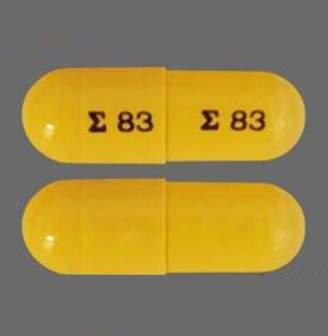
Acitretin (Monograph)
Brand name: Soriatane
Drug class: Keratolytic Agents
Warning
- Teratogenicity
-
Known human teratogen; very high risk of severe birth defects, generally characterized by malformations involving craniofacial, cardiovascular, skeletal, and CNS structures, if administered during pregnancy. (See Fetal/Neonatal Morbidity and Mortality and also see Contraindications under Cautions.)
-
Contraindicated during pregnancy. Acitretin must not be used in female patients who are or may become pregnant during therapy or within at least 3 years following drug discontinuance or in females who may not use reliable contraception during and for at least 3 years following cessation of therapy.
-
Do Your PART program developed to educate females of childbearing potential and their clinicians about risks associated with acitretin and to aid in the prevention of pregnancies during and for 3 years following drug discontinuance. (See Do Your PART Program under Cautions.)
-
Counseling about contraception and behaviors associated with increased pregnancy risk must occur monthly during and at 3-month intervals following drug discontinuance for at least 3 years.
-
If pregnancy occurs during therapy or at any time within at least 3 years following drug discontinuance, the clinician and patient should discuss the possible effects on the pregnancy. (See Pregnancy under Cautions.)
- Alcohol
-
Concomitant use of acitretin and alcohol results in formation of etretinate, a known human teratogen with a longer elimination half-life than acitretin, prolonging the duration of potential teratogenic effects of acitretin; alcohol must not be used in female patients of childbearing potential during acitretin treatment and for 2 months following drug discontinuance. (See Specific Drugs under Interactions.)
- Blood Donation
-
Both male and female patients receiving acitretin should not donate blood during therapy and for at least 3 years following drug discontinuance because women of childbearing potential must not receive blood from patients receiving acitretin.
- Hepatotoxicity
-
Risk of developing potentially serious hepatic injury. (See Hepatic Effects under Cautions.)
-
Monitor hepatic enzyme levels prior to initiating therapy, at weekly or biweekly intervals until stable, and thereafter at intervals based on clinician's discretion.
-
If hepatotoxicity is suspected during acitretin therapy, discontinue the drug and investigate the cause of the abnormality.
Introduction
Active metabolite of etretinate (no longer commercially available in US); a retinoid.
Uses for Acitretin
Psoriasis
Symptomatic management of severe psoriasis.
Not indicated as a first-line antipsoriatic therapy in women of childbearing potential; should be used only in nonpregnant patients with severe psoriasis that is refractory to alternative therapies or in whom other therapies are contraindicated. (See Teratogenicity in Boxed Warning.)
Relapse may occur when acitretin is discontinued; if clinically indicated, repeat courses of the drug may be used since clinical efficacy in relapse has been similar to that of the initial course.
Discoid Lupus Erythematosus
Has been used in a limited number of patients for the management of discoid lupus erythematosus† [off-label]; efficacy was similar to that of hydroxychloroquine, but adverse effects were more severe and frequent with acitretin. Further study is needed to establish the role of acitretin in treating this condition.
Acitretin Dosage and Administration
General
-
Acitretin should only be prescribed by clinicians who have special competence in diagnosis and treatment of severe psoriasis, are experienced in use of systemic retinoids, and understand risk of teratogenicity. (See Do Your PART Program under Cautions, and see Boxed Warning.)
-
Individualize dosage according to therapeutic response and the appearance of adverse effects.
-
If a patient misses a dose, the next dose should not be doubled.
-
Patients concomitantly receiving phototherapy may require dosage reduction of phototherapy. (See Phototherapy under Cautions.)
Administration
Oral Administration
Administer orally once daily with the main meal. (See Food under Pharmacokinetics.)
Dosage
Adults
Psoriasis
Oral
Initial dosage: 25–50 mg once daily.
Maintenance dosage: 25–50 mg (dependent on patient's response to initial therapy) once daily.
Relapse dosage: 25–50 mg once daily.
In clinical studies, acitretin therapy was continued for up to 18 months in some patients.
Prescribing Limits
Adults
Psoriasis
Oral
Dosages >50 mg daily not evaluated in controlled studies.
Special Populations
Hepatic Impairment
No specific dosage recommendations at this time. (See Contraindications under Cautions.)
Renal Impairment
No specific dosage recommendations at this time. (See Contraindications under Cautions.)
Geriatric Patients
Select dosage with caution (usually starting at the low end of the dosage range) because of possible age-related decrease in hepatic, renal, and/or cardiac function and concomitant disease and drug therapy. (See Absorption: Special Populations, under Pharmacokinetics and also see Elimination: Special Populations, under Pharmacokinetics.)
Cautions for Acitretin
Contraindications
-
Females who are or may become pregnant during acitretin therapy or within at least 3 years following drug discontinuance. (See Fetal/Neonatal Morbidity and Mortality under Cautions and also see Teratogenicity in Boxed Warning.)
-
Severely impaired renal or hepatic function. (See Hepatic Effects under Cautions and also see Absorption: Special Populations, under Pharmacokinetics.)
-
Chronic, abnormally elevated blood lipids. (See Effects on Lipoproteins under Cautions.)
-
Concomitant use with methotrexate, tetracyclines, or vitamin A and/or other oral retinoids. (See Specific Drugs under Interactions.)
-
Known hypersensitivity to acitretin, any ingredient in the formulation, or other retinoids.
Warnings/Precautions
Warnings
Fetal/Neonatal Morbidity and Mortality
Very high risk of severe birth defects if pregnancy occurs while receiving acitretin or upon drug discontinuance (birth defects reported ≥2 years after the last dose of acitretin). Teratogenicity generally is characterized by malformations involving craniofacial, cardiovascular, skeletal, and CNS structures. (See Do Your PART Program under Cautions, and see Teratogenicity in Boxed Warning.)
Hepatic Effects
Jaundice, acute hepatic injury, toxic hepatitis, and cirrhosis reported in limited number of patients; generally, transaminase levels returned to normal after drug discontinuance.
Elevations of AST, ALT, γ-glutamyltransferase (GGT), or LDH reported in approximately one-third of patients receiving acitretin; elevations generally were mild to moderate and resolved with continued therapy, a reduction in acitretin dosage, or upon drug discontinuance. Transient elevations of alkaline phosphatase also reported.
Monitor hepatic enzyme levels. (See Hepatotoxicity in Boxed Warning.) More frequent monitoring recommended if alcoholism, diabetes mellitus, concomitant use of other hepatotoxic drugs, and/or obesity present.
If hepatotoxicity is suspected during therapy, discontinue acitretin and investigate the cause of the abnormality.
Concomitant use of acitretin and methotrexate contraindicated. (See Specific Drugs under Interactions.)
Hyperostosis
Hyperostosis (including diffuse interstitial skeletal hyperostosis syndrome [DISH]) reported. Changes may involve worsening of preexisting skeletal overgrowth.
Periodically monitor patients receiving long-term acitretin therapy for ossification abnormalities; radiography recommended only in the presence of symptoms or long-term acitretin use. If symptoms arise, consider the potential benefits of continued therapy compared with potential for the development of hyperostosis. (See Pediatric Use under Cautions.)
Effects on Lipoproteins
In clinical trials, 66, 33, and 40% of patients experienced elevated triglycerides, elevated cholesterol, and decreased HDL-cholesterol, respectively; lipid abnormalities usually were reversible with cessation of therapy.
Monitor fasting blood lipid concentrations prior to initiating therapy and at weekly or biweekly intervals until lipid response is established (usually within 4–8 weeks).
Increased risk of hypertriglyceridemia in patients with diabetes mellitus, obesity, increased alcohol intake, lipid metabolism disorder, or familial history of these conditions. Close monitoring of serum lipid and/or glucose in these patients and in patients receiving long-term therapy recommended.
Use contraindicated in patients with chronic, abnormally elevated blood lipid concentrations.
Dietary modifications, acitretin dosage reductions, or lipid-lowering agents should be used to control clinically important triglyceride elevations; consider acitretin discontinuance if hypertriglyceridemia and decreased HDL-cholesterol persist.
Ocular Effects
Dry eyes, irritation, and brow/lash loss reported in 23, 9, and 5%, respectively, of acitretin recipients evaluated in one study. Other adverse ocular effects, including decreased night vision, reported in <5% of patients. (See Advice to Patients.)
If visual difficulties occur during therapy, discontinue the drug and perform an ophthalmologic examination.
Pancreatitis
Lipid elevations reported in 25–50% of acitretin recipients; elevations of triglycerides to concentrations associated with fatal fulminant pancreatitis are rare; however, cases have been reported with acitretin. Rare cases of pancreatitis without hypertriglyceridemia also reported.
Pseudotumor Cerebri
Pseudotumor cerebri (benign intracranial hypertension) has been reported with acitretin and other oral retinoids (e.g., isotretinoin); some patients with pseudotumor cerebri were receiving concomitant isotretinoin and tetracycline therapy. However, also has been reported in one patient receiving acitretin without concomitant tetracycline.
Screen patients who develop manifestations of pseudotumor cerebri (e.g., headache, nausea and vomiting, visual disturbances) for the presence of papilledema and, if present, discontinue the drug immediately and refer to a neurologist for further evaluation and care.
Concomitant use of acitretin and tetracyclines contraindicated. (See Specific Drugs under Interactions.)
Sensitivity Reactions
Photosensitivity
Avoid exposure to natural or artificial (e.g., sun lamps) sunlight; effects of UV light enhanced by acitretin. (See Phototherapy under Cautions.)
General Precautions
Do Your PART Program
Do Your PART program developed to reinforce importance of pregnancy prevention by providing information on risks of fetal exposure to acitretin and to help prevent pregnancy. (See Teratogenicity in Boxed Warning and also see Fetal/Neonatal Morbidity and Mortality under Cautions.)
Patient must complete and sign a Patient Agreement/Informed Consent form detailing risks of potential birth defects, contraceptive failure, and alcohol ingestion, and importance of pregnancy prevention during and after drug discontinuance. A Soriatane Patient/Contraceptive Counseling Referral form also is provided, allowing for free initial contraceptive counseling session and pregnancy testing. A Medication Guide for all patients and a patient survey for women of childbearing potential also are included.
Prior to issuing the initial prescription for acitretin, exclude pregnancy by 2 negative serum or urine tests (perform second test during the first 5 days of the menstrual period immediately prior to initiation of acitretin therapy); exclude pregnancy by monthly testing during therapy and every 3 months after therapy discontinuance. Initial testing should be performed by a clinician.
To enhance compliance with pregnancy testing, a limited supply of acitretin should be prescribed.
Pregnancy must be prevented by simultaneous use of 2 forms of reliable contraception (unless patient is absolutely abstinent, has undergone a hysterectomy, or is postmenopausal) for at least 1 month prior to therapy initiation, during, and for at least 3 years following cessation of therapy. (See Advice to Patients.)
For detailed information regarding the program's requirements, consult the manufacturer's prescribing information; prescribers should contact the manufacturer to obtain information on materials available for the program. To obtain further information regarding contraception options, patients should contact the Birth Control Counseling line at 800-739-6700.
Psychiatric Disorders
Depression and other psychiatric symptoms (e.g., aggressive feelings, self-injurious thoughts or behaviors, suicidal thoughts) reported; not known whether related to acitretin or to other factors. Such events also reported with other systemic retinoids.
Patients who experience symptoms of depression or other psychiatric symptoms during acitretin therapy should discontinue the drug and immediately notify their prescribing clinician.
Phototherapy
Concomitant use of phototherapy and acitretin may result in increased risk of erythema (e.g., burning); if concomitant use cannot be avoided, substantially reduce the phototherapy dose based upon patient response.
Specific Populations
Pregnancy
Category X. Report all pregnancies during therapy or up to 3 years following discontinuance of drug to Stiefel Laboratories at 888-500-3376 or to FDA MedWatch Program at 800-FDA-1088. (See Fetal/Neonatal Morbidity and Mortality under Cautions and also see Teratogenicity in Boxed Warning.)
Lactation
Distributed into milk; women receiving acitretin should not breast-feed.
Pediatric Use
Safety and efficacy not established.
Ossification of interosseous ligaments and tendons of the extremities, skeletal hyperostoses, decreases in bone mineral density, and premature epiphyseal closure reported in children with other systemic retinoids, including etretinate (no longer commercially available in US). A causal relationship has not been established between the use of acitretin and these effects, and it is unknown whether these occurrences are more severe or appear more frequently in children. However, the manufacturer states that there is special concern because of the implications for growth potential in this population.
Geriatric Use
Insufficient clinical trial experience in patients ≥65 years of age to determine whether geriatric patients respond differently than younger adults. Other reported clinical experience has not identified differences in responses between geriatric and younger patients. (See Geriatric Patients under Dosage and Administration.)
Common Adverse Effects
Cheilitis, alopecia, skin peeling, rhinitis, dry skin, nail disorder, pruritus, rigors, xerophthalmia, dry mouth, epistaxis, arthralgia, spinal hyperostosis, rash, hyperesthesia, paresthesia, paronychia, skin atrophy.
Many reported adverse effects resemble those associated with hypervitaminosis A.
Laboratory abnormalities (e.g., increased or decreased electrolytes, hematocrit, hemoglobin, and glucose; increased liver transaminases, uric acid, BUN, and total and LDL-cholesterol; decreased HDL-cholesterol). (See Hepatic Effects under Cautions and also see Effects on Lipoproteins under Cautions.)
Drug Interactions
Specific Drugs
Acitretin is not metabolized by hepatic microsomal enzymes. (See Metabolism under Pharmacokinetics.)
|
Drug |
Interaction |
Comments |
|---|---|---|
|
Alcohol |
Concomitant administration of alcohol and acitretin resulted in formation of etretinate, a known human teratogen with a longer elimination half-life than acitretin; may increase duration of teratogenic effects of acitretin Concomitant use may result in hepatotoxicity |
Avoid concomitant use of alcohol from any source during and for 2 months after acitretin therapy cessation in women of childbearing potential |
|
Aspirin |
Possible potentiation of mucosal damage with high-dose aspirin therapy |
Avoid concomitant therapy with high-dose aspirin |
|
Cimetidine |
Pharmacokinetic interaction unlikely |
|
|
Contraceptives (estrogen-progestin combinations) |
Unknown if pharmacokinetic interaction exists between acitretin and combination hormonal contraceptives |
See Teratogenicity in Boxed Warning |
|
Contraceptives (progestin-only) |
Acitretin interferes with contraceptive effect of low-dose oral progestin-only preparations (i.e., minipill) |
Unknown if other progestational contraceptives (e.g., implants, injectables) are adequate methods of contraception during acitretin therapy Concomitant use not recommended |
|
Corticosteroids |
Concomitant use may result in hyperlipidemia or pseudotumor cerebri |
Careful monitoring recommended if used concomitantly |
|
Digoxin |
Pharmacokinetic interaction unlikely |
|
|
Glibenclamide (not commercially available in US) |
Potentiation of hypoglycemic effects of glibenclamide |
Use with caution; careful monitoring of diabetic patients recommended |
|
Glyburide |
Pharmacokinetic interaction unlikely |
|
|
Methotrexate |
Increased risk of hepatitis (see Hepatic Effects under Cautions) |
Concomitant use contraindicated |
|
Phenytoin |
Possible pharmacokinetic interaction (reduced phenytoin protein binding) |
|
|
Retinoids, oral |
Possible additive adverse effects (e.g., hypervitaminosis A) |
Concomitant use not recommended |
|
St. John's wort (Hypericum perforatum) |
Possible risk of hormonal contraceptive failure during concomitant use |
Concomitant use not recommended |
|
Tetracyclines (e.g., minocycline) |
Possible increased risk for pseudotumor cerebri and photosensitivity (see Pseudotumor Cerebri under Cautions) |
Concomitant use contraindicated |
|
Vitamin A |
Possible additive adverse effects (e.g., hypervitaminosis A) |
Concomitant use contraindicated |
|
Warfarin |
No effect observed on warfarin protein binding |
Acitretin Pharmacokinetics
Absorption
Bioavailability
Absorption from GI tract is linear with dose-proportional increases at doses of 25–100 mg.
Following administration of a single 50-mg oral acitretin dose to healthy individuals, approximately 60–72% (range: 36–109%) of dose was absorbed.
High interindividual and intraindividual variation in peak plasma concentrations; mean peak plasma concentration in healthy individuals was achieved in an average of 2.7 hours (range: 2–5 hours). Following multiple doses in healthy individuals, steady state achieved within approximately 1–3 weeks.
In patients with psoriasis, mean steady-state trough concentrations demonstrated dose-dependent increases with daily dosages of 10–50 mg. Plasma concentrations were nonmeasurable 3–4 weeks after cessation of therapy.
Onset
Improvement seen within first 8 weeks of treatment in clinical trials; full efficacy usually evident within 2–3 months.
Food
Food enhances absorption and reduces the interindividual variability in absorption.
Special Populations
In healthy geriatric individuals receiving multiple doses of acitretin, plasma concentrations increased twofold compared with those in younger individuals. (See Elimination: Special Populations, under Pharmacokinetics.)
In patients with end-stage renal failure receiving a single 50-mg oral acitretin dose, lower plasma concentrations (by 50–59%) were seen compared with healthy individuals; acitretin not removed by hemodialysis.
Distribution
Extent
Distributes into skin with highest concentrations in stratum corneum. Penetrates adipose tissue but does not accumulate in tissues.
Distributes into milk; crosses placenta.
Small amounts of acitretin are distributed into semen; appear to pose little, if any, risk to an unborn child while a male patient is receiving the drug.
Plasma Protein Binding
>99.9% (mainly albumin).
Elimination
Metabolism
Extensively metabolized by simple isomerization in liver by interconversion to 13-cis-acitretin with subsequent oxidation into chain-shortened breakdown products and conjugation to glucuronides. Metabolized to etretinate if alcohol used concomitantly (see Specific Drugs under Interactions). Not metabolized by hepatic microsomal enzymes.
Elimination Route
Excreted in urine (16–53%) and feces (34–54%) as metabolites.
Half-life
Acitretin, following multiple doses: Estimated at about 49 hours but has been reported to range from 24–96 hours.
13-cis-Acitretin, following multiple doses: About 63 hours (range: 28–157 hours).
Special Populations
In healthy geriatric individuals, elimination half-life was similar to that in younger individuals.
Stability
Storage
Oral
Capsules
15–25°C in tight, light-resistant containers. Avoid exposing opened product to high temperatures and humidity.
Actions
-
Exact mechanism of action in the treatment of psoriasis is not fully understood, but may involve inhibiting the conversion of retinol to retinoic acid, stimulating the metabolism and buffering of retinoic acid by increasing levels of cellular retinoic acid binding protein-2 (CRABP 2), and/or altering the metabolism of endogenous retinoids at the level of degradation.
-
Modulates epidermal proliferation and cellular differentiation; demonstrates antiproliferative effect on epidermal keratinocytes in a hyperproliferative system, resulting in decreased scaling, erythema, and thickness of plaques and stratum corneum; promotes cellular proliferation in normoproliferative systems.
-
Activates retinoid X receptors (RXR) and the α, β, and γ subtypes of retinoic acid receptors (RAR); potentiates epidermal growth factor-induced cell growth; increases activity of cyclic adenosine monophosphate (cAMP)-dependent protein kinases, RI (involved in cell proliferation), and RII (involved in cell differentiation and growth inhibition) in deficient areas of psoriatic fibroblasts; inhibits chemotactic responses; decreases polymorphonuclear leukocyte migration/accumulation; and increases the number of Langerhans cells in normal and psoriatic skin.
-
Exhibits antineoplastic activity in vitro.
-
Has teratogenic effects. (See Boxed Warning.)
Advice to Patients
-
Provide all patients with a copy of the medication guide upon initial and subsequent dispensing of drug.
-
Describe risk of birth defects. (See Fetal/Neonatal Morbidity and Mortality under Cautions and also see Teratogenicity in Boxed Warning.)
-
Importance of women informing clinicians if they are or plan to become pregnant or plan to breast-feed. Necessity of advising women of childbearing potential to avoid pregnancy by using 2 methods of contraception simultaneously for ≥1 month prior to, throughout, and for ≥3 years after acitretin therapy. At least one method of contraception must be a primary form (e.g., tubal sterilization; vasectomized partner; intrauterine device; oral, injectable, inserted, transdermal, or implanted hormonal contraceptive) unless patient practices abstinence, has undergone a hysterectomy, or is postmenopausal. (See Do Your PART Program under Cautions.)
-
Importance of discontinuing therapy and immediately notifying clinician if pregnancy, unprotected intercourse, or a missed menstrual cycle occurs during or within 3 years after drug discontinuance. (See Pregnancy under Cautions.)
-
Importance of warning both male and female patients not to share acitretin with anyone else and not to donate blood while receiving acitretin and for at least 3 years after cessation of therapy.
-
Importance of women avoiding alcohol from any source (e.g., OTC preparations, foods) during therapy and for 2 months following drug discontinuance. (See Alcohol in Boxed Warning and Specific Drugs under Interactions.)
-
Importance of discontinuing acitretin therapy and promptly reporting symptoms of depression or other psychiatric symptoms (e.g., aggression, self-injurious behaviors, suicidal thoughts) to clinician.
-
Importance of informing clinicians if acute abdominal pain or emesis occurs; may be early indicators of pancreatitis.
-
Risk of decreased night vision; importance of being cautious when driving or operating any vehicle at night.
-
Importance of advising patients who wear contact lenses that they may experience decreased tolerance to the lenses during or after therapy with the drug; lubricating ophthalmic ointments or artificial tears may be needed.
-
Importance of informing clinicians if concomitant phototherapy is being received. (See Phototherapy under Cautions.)
-
Importance of advising patients to avoid excessive exposure to natural or artificial sunlight (e.g., sun lamps). (See Photosensitivity under Cautions.)
-
Importance of informing patients that a transient worsening of psoriasis may occur initially and that full clinical benefit may not be evident for 2–3 months.
-
Importance of informing clinicians of existing or contemplated concomitant therapy, including prescription or OTC drugs and herbal supplements, as well as any concomitant illnesses. Importance of avoiding vitamin A supplements in excess of the minimum recommended daily allowance. (See Contraindications under Cautions and also see Specific Drugs under Interactions.)
-
Importance of informing patients of other important precautionary information. (See Cautions.)
Additional Information
The American Society of Health-System Pharmacists, Inc. represents that the information provided in the accompanying monograph was formulated with a reasonable standard of care, and in conformity with professional standards in the field. Readers are advised that decisions regarding use of drugs are complex medical decisions requiring the independent, informed decision of an appropriate health care professional, and that the information contained in the monograph is provided for informational purposes only. The manufacturer’s labeling should be consulted for more detailed information. The American Society of Health-System Pharmacists, Inc. does not endorse or recommend the use of any drug. The information contained in the monograph is not a substitute for medical care.
Preparations
Excipients in commercially available drug preparations may have clinically important effects in some individuals; consult specific product labeling for details.
Please refer to the ASHP Drug Shortages Resource Center for information on shortages of one or more of these preparations.
|
Routes |
Dosage Forms |
Strengths |
Brand Names |
Manufacturer |
|---|---|---|---|---|
|
Oral |
Capsules |
10 mg |
Soriatane |
Stiefel |
|
17 mg |
Soriatane |
Stiefel |
||
|
22.5 mg |
Soriatane |
Stiefel |
||
|
25 mg |
Soriatane |
Stiefel |
AHFS DI Essentials™. © Copyright 2025, Selected Revisions August 11, 2011. American Society of Health-System Pharmacists, Inc., 4500 East-West Highway, Suite 900, Bethesda, Maryland 20814.
† Off-label: Use is not currently included in the labeling approved by the US Food and Drug Administration.
Reload page with references included
Related/similar drugs
More about acitretin
- Check interactions
- Compare alternatives
- Pricing & coupons
- Reviews (36)
- Drug images
- Side effects
- Dosage information
- During pregnancy
- Drug class: antipsoriatics
- Breastfeeding
- En español