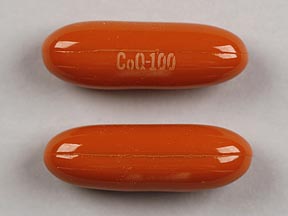
Ubiquinone (coenzyme Q-10)
Generic name: ubiquinone (coenzyme Q-10) [ ue-BIK-wi-none ]
Brand names: Co Q-10, Coenzyme Q10, CoQ10, Co-Q10, CoQ-10 with Black Pepper Extract,
... show all 14 brands
Dosage forms: oral capsule (100 mg; 200 mg; 30 mg; 300 mg; 400 mg; 50 mg; 60 mg), oral liquid (100 mg/5 mL; 100 mg/mL; 200 mg/5 mL; 90 mg/mL),
... show all 5 dosage forms
Drug class: Nutraceutical products
What is ubiquinone?
Ubiquinone is a vitamin-like substance that is made naturally in the body. Ubiquinone is also known as Co Q-10, Coenzima, Ubidcarenone, Ubidécarénone, and Ubiquinol.
Ubiquinone is likely effective in alternative medicine as an aid in treating coenzyme Q-10 deficiency, or reducing the symptoms of mitochondrial disorders (conditions that affect energy-production in the cells of the body).
Ubiquinone is also possibly effective in preventing migraine headaches, lowering blood pressure, reducing tissue damage after surgery, or preventing a second heart attack. Ubiquinone is also possibly effective in improving symptoms in people with congestive heart failure, nerve problems caused by diabetes, multiple sclerosis, fibromyalgia, muscular dystrophy, or a physical deformity of the penis (such as Peyronie's disease).
Ubiquinone has also been used to treat Alzheimer's disease, diabetes, amyotrophic lateral sclerosis (Lou Gehrig's disease), tiredness caused by taking cancer drugs, symptoms of Parkinson's disease, or muscle symptoms affecting Polio survivors. However, research has shown that ubiquinone may not be effective in treating these conditions.
Research also has shown that ubiquinone is not likely to be effective in increasing athletic performance or slow the progression of Huntington's Disease.
Other uses not proven with research have included treating asthma, COPD, cancer, diabetes, certain heart problems, hepatitis C, kidney problems, muscle problems caused by taking 'statin' cholesterol medicine, and other conditions.
It is not certain whether ubiquinone is effective in treating any medical condition. Medicinal use of this product has not been approved by the FDA. Ubiquinone should not be used in place of medication prescribed for you by your doctor.
Ubiquinone is often sold as an herbal supplement. There are no regulated manufacturing standards in place for many herbal compounds and some marketed supplements have been found to be contaminated with toxic metals or other drugs. Herbal/health supplements should be purchased from a reliable source to minimize the risk of contamination.
Ubiquinone may also be used for purposes not listed in this product guide.
Ubiquinone side effects
Get emergency medical help if you have signs of an allergic reaction: hives; difficult breathing; swelling of your face, lips, tongue, or throat.
Although not all side effects are known, ubiquinone is thought to be likely safe for most adults when used as directed.
Stop using ubiquinone and call your healthcare provider at once if you have:
-
very low blood pressure--dizziness, severe weakness, feeling like you might pass out.
Common side effects of ubiquinone may include:
-
upset stomach, nausea, heartburn, vomiting, loss of appetite;
-
diarrhea;
-
skin rash; or
-
low blood pressure.
This is not a complete list of side effects and others may occur. Call your doctor for medical advice about side effects. You may report side effects to FDA at 1-800-FDA-1088.
Warnings
Follow all directions on the product label and package. Tell each of your healthcare providers about all your medical conditions, allergies, and all medicines you use.
Before taking this medicine
Ask a doctor, pharmacist, or other healthcare provider if it is safe for you to use this product if you have ever had:
-
heart problems, high or low blood pressure;
-
if you are receiving chemotherapy; or
-
if you smoke.
Ask a doctor before using this product if you are pregnant or breastfeeding.
Do not give any herbal/health supplement to a child without a doctor's advice.
How should I take ubiquinone?
When considering the use of herbal supplements, seek the advice of your doctor. You may also consider consulting a practitioner who is trained in the use of herbal/health supplements.
If you choose to use ubiquinone, use it as directed on the package or as directed by your doctor, pharmacist, or other healthcare provider. Do not use more of this product than is recommended on the label.
The chewable ubiquinone must be chewed thoroughly before you swallow it.
Measure liquid ubiquinone with the supplied measuring device (not a kitchen spoon).
To take the disintegrating tablet, use dry hands to remove the tablet from the package, and place it in your mouth. It will begin to dissolve right away. Do not swallow the tablet whole. Allow it to dissolve in your mouth without chewing.
Your blood pressure may need to be checked while you are taking ubiquinone.
If you need surgery, dental work, or a medical procedure, stop taking ubiquinone at least 2 weeks ahead of time.
Store at room temperature away from moisture and heat.
Call your doctor if the condition you are treating with ubiquinone does not improve, or if it gets worse while using this product.
Ubiquinone dosing information
Usual Adult Dose for Dietary Supplement:
Oral: 30 to 200 mg/day
What happens if I miss a dose?
Skip the missed dose and take the next regularly scheduled dose.
What happens if I overdose?
Seek emergency medical attention or call the Poison Help line at 1-800-222-1222.
What should I avoid while taking ubiquinone?
Avoid using ubiquinone together with other herbal/health supplements that can also lower blood pressure.
Do not use different forms of ubiquinone at the same time without medical advice. Using different formulations together increases the risk of an overdose.
What other drugs will affect ubiquinone?
Do not take ubiquinone without medical advice if you are using any of the following medications:
-
omega-3 fatty acids;
-
vitamins (especially A, C, E, or K);
-
heart or blood pressure medication;
-
cancer medicine; or
This list is not complete. Other drugs may affect ubiquinone, including prescription and over-the-counter medicines, vitamins, and herbal products. Not all possible drug interactions are listed here.
More about ubiquinone
- Check interactions
- Compare alternatives
- Reviews (43)
- Side effects
- Dosage information
- Drug class: nutraceutical products
Patient resources
Other brands
CoQ10, Coenzyme Q10, Q-Sorb Co Q-10, elppa CoQ10, ... +2 more
Professional resources
Related treatment guides
Further information
- Consult with a licensed healthcare professional before using any herbal/health supplement. Whether you are treated by a medical doctor or a practitioner trained in the use of natural medicines/supplements, make sure all your healthcare providers know about all of your medical conditions and treatments.
Remember, keep this and all other medicines out of the reach of children, never share your medicines with others, and use this medication only for the indication prescribed.
Always consult your healthcare provider to ensure the information displayed on this page applies to your personal circumstances.
Copyright 1996-2024 Cerner Multum, Inc. Version: 9.02.