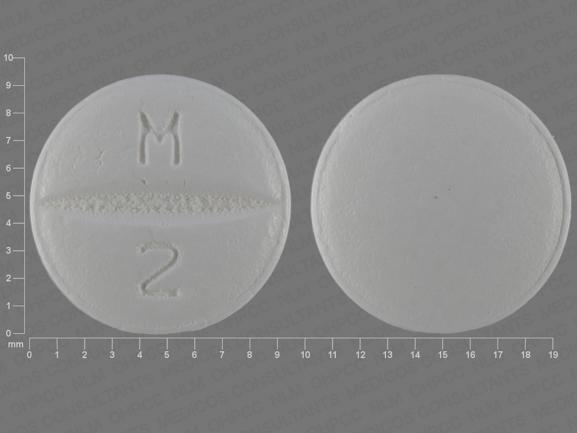
Metoprolol
Generic name: metoprolol [ me-TOE-pro-lol ]
Brand names: Kapspargo Sprinkle, Lopressor, Toprol-XL
Drug class: Cardioselective beta blockers
What is metoprolol?
Metoprolol is a beta-blocker that affects the heart and circulation (blood flow through arteries and veins).
Metoprolol is used to treat angina (chest pain) and hypertension (high blood pressure).
Metoprolol is also used to lower your risk of death or needing to be hospitalized for heart failure.
Metoprolol injection is used during the early phase of a heart attack to lower the risk of death.
Warnings
You should not use metoprolol if you have a serious heart problem (heart block, sick sinus syndrome, slow heart rate), severe circulation problems, severe heart failure, or a history of slow heart beats that caused fainting.
Before taking this medicine
You should not use this medicine if you are allergic to metoprolol, or other beta-blockers (atenolol, carvedilol, labetalol, nadolol, nebivolol, propranolol, sotalol, and others), or if you have:
-
a serious heart problem such as heart block, sick sinus syndrome, or slow heart rate;
-
severe circulation problems;
-
severe heart failure (that required you to be in the hospital); or
-
a history of slow heart beats that have caused you to faint.
To make sure this medicine is safe for you, tell your doctor if you have:
-
asthma, chronic obstructive pulmonary disease (COPD), sleep apnea, or other breathing disorder;
-
diabetes (taking metoprolol may make it harder for you to tell when you have low blood sugar);
-
liver disease;
-
congestive heart failure;
-
problems with circulation (such as Raynaud's syndrome);
-
a thyroid disorder; or
-
pheochromocytoma (tumor of the adrenal gland).
Do not give this medicine to a child without medical advice.
Tell your doctor if you are pregnant or plan to become pregnant. It is not known whether metoprolol will harm an unborn baby. However, having high blood pressure during pregnancy may cause complications such as diabetes or eclampsia (dangerously high blood pressure that can lead to medical problems in both mother and baby). The benefit of treating hypertension may outweigh any risks to the baby.
Ask a doctor before using this medicine if you are breast-feeding. Metoprolol can pass into breast milk and may cause dry skin, dry mouth, diarrhea, constipation, or slow heartbeats in your baby.
Related/similar drugs
amlodipine, lisinopril, aspirin, losartan, furosemide, carvedilol, hydrochlorothiazide
How should I take metoprolol?
Take metoprolol exactly as prescribed by your doctor. Follow all directions on your prescription label and read all medication guides or instruction sheets. Your doctor may occasionally change your dose.
Metoprolol should be taken with a meal or just after a meal.
Take the medicine at the same time each day.
Swallow the capsule whole and do not crush, chew, break, or open it.
A Toprol XL tablet can be divided in half if your doctor has told you to do so. Swallow the half-tablet whole, without chewing or crushing.
Measure liquid medicine carefully. Use the dosing syringe provided, or use a medicine dose-measuring device (not a kitchen spoon).
You will need frequent medical tests, and your blood pressure will need to be checked often.
If you need surgery, tell the surgeon ahead of time that you are using this medicine.
You should not stop using this medicine suddenly. Stopping suddenly may make your condition worse.
If you have high blood pressure, keep using metoprolol even if you feel well. High blood pressure often has no symptoms. You may need to use this medicine for the rest of your life.
Store at room temperature away from moisture and heat.
Metoprolol injection is given as an infusion into a vein. A healthcare provider will give you this injection in a medical setting where your heart and blood pressure can be monitored. The injections are given for only a short time before switching you to the oral form of this medicine.
Dosing information
Usual Adult Dose for Hypertension:
Metoprolol Tartrate Immediate Release Tablets:
Initial dose: 100 mg orally per day in single or divided doses
Maintenance dose: 100 to 450 mg orally per day.
Metoprolol Succinate Extended Release Tablets:
Initial dose: 25 to 100 mg orally once a day
Maintenance dose: 100 to 400 mg orally once a day.
Usual Adult Dose for Angina Pectoris:
Initial dose:
-Metoprolol tartrate immediate release tablets: 50 mg orally twice a day
-Metoprolol succinate extended release tablets: 100 mg orally once a day
Maintenance dose: 100 to 400 mg per day.
Usual Adult Dose for Myocardial Infarction:
Metoprolol Tartrate :
Early Treatment:
Initial dose: 5 mg IV every 2 minutes as tolerated for 3 doses
-Patients tolerant of full IV dose (15 mg): 50 mg orally every 6 hours starting 15 minutes after the last IV dose and continued for 48 hours
-Patients intolerant of full IV dose (15 mg): 25 or 50 mg orally every 6 hours depending on the degree of intolerance starting 15 minutes after the last IV dose or as soon as their clinical condition allows
Late Treatment:
Maintenance dose: 100 mg orally twice a day.
Usual Adult Dose for Congestive Heart Failure:
Metoprolol Succinate Extended Release Tablets:
25 mg orally once a day (12.5 mg orally once a day in patients with more severe heart failure); double dose every 2 weeks to highest tolerated dose or up to 200 mg orally once a day.
Usual Pediatric Dose for Hypertension:
Metoprolol Succinate Extended Release Tablets:
6 Years or Older:
Initial dose: 1 mg/kg orally once a day (not to exceed 50 mg orally once a day)
Maximum dose: 2 mg/kg (or 200 mg) orally once a day.
What happens if I miss a dose?
Skip the missed dose and use your next dose at the regular time. Do not use two doses at one time.
What happens if I overdose?
Seek emergency medical attention or call the Poison Help line at 1-800-222-1222.
What to avoid
Avoid driving or hazardous activity until you know how this medicine will affect you. Your reactions could be impaired.
Drinking alcohol can increase certain side effects of this medicine.
Metoprolol side effects
Get emergency medical help if you have signs of an allergic reaction to metoprolol: hives; difficulty breathing; swelling of your face, lips, tongue, or throat.
Metoprolol may cause serious side effects. Call your doctor at once if you have:
- very slow heartbeats;
- a light-headed feeling, like you might pass out;
- shortness of breath (even with mild exertion), swelling, rapid weight gain; or
- cold feeling in your hands and feet.
Common side effects of metoprolol may include:
- dizziness;
- tired feeling;
- depression;
- confusion;
- memory problems;
- nightmares;
- trouble sleeping;
- diarrhea;
- mild itching or rash.
This is not a complete list of side effects and others may occur. Call your doctor for medical advice about side effects. You may report side effects to FDA at 1-800-FDA-1088.
What other drugs will affect metoprolol?
Tell your doctor about all your current medicines. Many drugs can interact with metoprolol, especially:
-
any other heart or blood pressure medications;
-
epinephrine (Epi-Pen);
-
an antidepressant;
-
an ergot medicine--dihydroergotamine, ergonovine, ergotamine, methylergonovine; or
-
an MAO inhibitor--isocarboxazid, linezolid, phenelzine, rasagiline, selegiline, tranylcypromine.
This list is not complete and many other drugs may interact with metoprolol. This includes prescription and over-the-counter medicines, vitamins, and herbal products. Not all possible drug interactions are listed here.
Popular FAQ
Does metoprolol cause weight gain?
Metoprolol is not likely to cause weight gain. However, weight gain can be a warning sign that heart failure is getting worse. If you are taking metoprolol for heart failure, tell your doctor right away if you gain weight suddenly. This weight gain is due to extra fluid in the body that may cause swelling in the feet, ankles, legs and belly. The fluid builds up because the heart isn’t working as well as it should.
Does metoprolol lower blood pressure?
Yes, metoprolol causes the blood vessels to relax, which helps to lower blood pressure. If you are prescribed metoprolol for high blood pressure, your doctor may ask you to check your blood pressure regularly at home with an automatic, cuff-style device that goes around your upper arm. Keeping track of your blood pressure at home is one way to help your doctor know if the prescribed dosage of metoprolol is working for you.
Should I take metoprolol in the morning or at night?
When you take metoprolol depends on which salt form is prescribed.
- Metoprolol tartrate is usually taken twice daily, so it may be taken in the morning then at night.
- Metoprolol succinate is taken once daily, so it may be taken either morning or night.
- Both forms are usually taken with or immediately after a meal.
Follow your health care provider’s directions for when to take metoprolol.
What is the best time of day to take blood pressure medication?
Research has suggested that taking your blood pressure medication at night instead of in the morning can provide better blood pressure control at night without compromising daytime blood pressure control and reduce your overall risk of dying because of cardiovascular disease by 45%. Continue reading
Metoprolol Succinate vs Tartrate: What's the difference between them?
Metoprolol is available as two different salts: metoprolol tartrate and metoprolol succinate.
The main difference between metoprolol tartrate and metoprolol succinate is that metoprolol tartrate is only available as an immediate-release tablet which means it must be taken several times per day, whereas metoprolol succinate is an extended-release tablet that can be taken once a day. As a result, there are differences in the dosages and indications for both metoprolol tartrate and metoprolol succinate and they are not considered interchangeable. Continue reading
Does metoprolol make you sleepy?
Yes, metoprolol can make you sleepy. One reason may be because beta blockers slow down your heart rate and lower your blood pressure. Your body might adjust to the medication, but if you feel so tired that it is interfering with your daily activities you should let your healthcare provider know. Continue reading
Does metoprolol cause hair loss?
Hair loss was not a commonly-reported side effect during clinical trials of metoprolol. However, rare reports of reversible hair loss have been reported by patients taking it. After stopping the medication, hair grows back again. Continue reading
How long does Metoprolol stay in your system after you stop taking it?
The half life of Metoprolol is between 3 and 7 hours. This is the time it takes for the drug levels in your plasma to reduce by half.
For a drug to be totally eliminated from your system it takes around 5.5 times the half life. As an estimate then, after taking a dose of Metoprolol it should be out of your system within 16.5 to 38.5 hours. Continue reading
How long does it take for metoprolol to work?
How long it takes metoprolol to work depends on what form is given and what condition is being treated. Effects on heart rate can be seen within one hour after taking metoprolol tartrate tablets and within 20 minutes after the intravenous form is given. The onset of action of metoprolol succinate is similar to metoprolol tartrate. Continue reading
More about metoprolol
- Check interactions
- Compare alternatives
- Reviews (646)
- Drug images
- Side effects
- Dosage information
- Patient tips
- During pregnancy
- Support group
- Drug class: cardioselective beta blockers
- Breastfeeding
- En español
Patient resources
- Metoprolol (Intravenous) advanced reading
- Metoprolol Extended-Release Tablets
- Metoprolol Tablets
- Metoprolol Extended-Release Capsules
- Metoprolol Injection
Other brands
Professional resources
- Metoprolol monograph
- Metoprolol (FDA)
- Metoprolol Succinate (FDA)
- Metoprolol Succinate ER Capsules (FDA)
- Metoprolol Succinate ER Tablets (FDA)
Other brands
Toprol-XL, Lopressor, Kapspargo Sprinkle
Related treatment guides
Further information
Remember, keep this and all other medicines out of the reach of children, never share your medicines with others, and use this medicine only for the indication prescribed.
Always consult your healthcare provider to ensure the information displayed on this page applies to your personal circumstances.
Copyright 1996-2024 Cerner Multum, Inc. Version: 19.01.