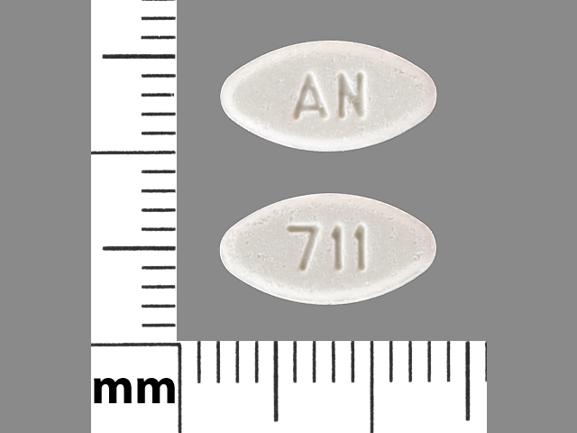
Guanfacine
Generic name: guanfacine [ GWAHN-fa-seen ]
Brand names: Intuniv, Tenex
Dosage forms: oral tablet (1 mg; 2 mg), oral tablet, extended release (1 mg; 2 mg; 3 mg; 4 mg)
Drug class: Antiadrenergic agents, centrally acting
What is guanfacine?
Guanfacine is used to treat high blood pressure (hypertension). It is sometimes given with other blood pressure medications.
The Intuniv brand of guanfacine is used to treat attention deficit hyperactivity disorder (ADHD).
Guanfacine may also be used for purposes not listed in this medication guide.
Guanfacine side effects
Get emergency medical help if you have signs of an allergic reaction: hives; difficult breathing; swelling of your face, lips, tongue, or throat.
Guanfacine may cause serious side effects. Call your doctor at once if you have:
-
anxiety, nervousness;
-
hallucinations (especially in children);
-
severe drowsiness;
-
slow heartbeats; or
-
a light-headed feeling, like you might pass out;
If you stop taking guanfacine, tell your doctor if you have headaches, confusion, rapid heartbeats, tremors, increased blood pressure, or if you feel nervous or agitated. If left untreated, these symptoms could lead to very high blood pressure, vision problems, or seizures.
Common side effects of guanfacine may include:
-
dizziness, drowsiness;
-
low blood pressure, slow heartbeats;
-
feeling tired or irritable;
-
trouble sleeping;
-
dry mouth; or
-
stomach pain, nausea, constipation.
This is not a complete list of side effects and others may occur. Call your doctor for medical advice about side effects. You may report side effects to FDA at 1-800-FDA-1088.
Warnings
Use only as directed. Tell your doctor if you use other medicines or have other medical conditions or allergies.
Before taking this medicine
You should not use guanfacine if you are allergic to it.
Intuniv is not approved for use by anyone younger than 6 years old. Guanfacine is not approved for use by anyone younger than 12 years old.
Tell your doctor if you have ever had:
-
heart problems, coronary artery disease (clogged arteries);
-
a heart rhythm disorder;
-
a heart attack or stroke;
-
high or low blood pressure;
-
liver disease; or
-
kidney disease.
It is not known whether guanfacine will harm an unborn baby. Tell your doctor if you are pregnant or plan to become pregnant.
It may not be safe to breastfeed a baby while you are using this medicine. Ask your doctor about any risks.
How should I take guanfacine?
Follow all directions on your prescription label and read all medication guides or instruction sheets. Your doctor may occasionally change your dose. Use the medicine exactly as directed.
Avoid taking guanfacine with high-fat foods, or your body could absorb the medicine too quickly.
Take Intuniv with a full glass of water, milk, or other liquid.
Take Guanfacine at bedtime to ease drowsiness.
Swallow the Intuniv tablet whole and do not crush, chew, or break it.
If a child is using this medicine, tell your doctor if the child has any changes in weight. Intuniv doses are based on weight in children, and any changes may affect your child's dose.
You should not stop using guanfacine suddenly. Stopping suddenly can raise your blood pressure and cause unpleasant symptoms.
Call your doctor if you are sick with vomiting and cannot take your medicine as usual.
Your dose needs may change if you switch to a different brand, strength, or form of this medicine. Avoid medication errors by using only the form and strength your doctor prescribes.
Your doctor will need to check your progress on a regular basis. Your blood pressure and heart rate may also need to be checked.
If you have high blood pressure, keep using guanfacine even if you feel well. High blood pressure often has no symptoms. You may need to use blood pressure medicine for the rest of your life.
Store at room temperature away from moisture, heat, and light.
Guanfacine dosing information
Usual Adult Dose for Hypertension:
Initial dose: 1 mg orally once a day at bedtime; may increase to 2 mg once a day if satisfactory result not achieved after 3 to 4 weeks.
Comments: Adverse reactions increase significantly with doses above 3 mg/day.
Usual Pediatric Dose for Attention Deficit Disorder:
6 YEARS TO LESS THAN 18 YEARS:
Initial dose: 1 mg orally once a day, either in the morning or evening, at approximately the same time each day; may adjust in increments of no more than 1 mg/week.
Recommended target dose: 0.05 to 0.12 mg/kg/day (total daily dose between 1 and 7 mg) once a day, depending on clinical response and tolerability
Maximum dose: 6 to 12 years: Doses above 4 mg/day have not been evaluated; 13 to 17 years: Doses above 7 mg/day have not been evaluated.
Comments: Attention Deficit Hyperactivity Disorder (ADHD) may require treatment for an extended period of time; healthcare providers should periodically reevaluate treatment and adjust dose as needed.
Use: Treatment of ADHD as monotherapy and as adjunctive therapy to stimulant medications.
Usual Pediatric Dose for Hypertension:
12 YEARS OR OLDER:
Initial dose: 1 mg orally once a day at bedtime; may increase to 2 mg once a day if satisfactory result not achieved after 3 to 4 weeks.
Comments: Adverse reactions increase significantly with doses above 3 mg/day.
What happens if I miss a dose?
Take the medicine as soon as you can, but skip the missed dose if it is almost time for your next dose. Do not take two doses at one time.
Call your doctor for instructions if you miss more than 2 doses in a row.
What happens if I overdose?
Seek emergency medical attention or call the Poison Help line at 1-800-222-1222.
Overdose symptoms may include severe drowsiness, slow heart rate, and feeling like you might pass out.
What should I avoid while taking guanfacine?
Avoid driving or hazardous activity until you know how guanfacine will affect you. Your reactions could be impaired.
Drinking alcohol can increase certain side effects of guanfacine.
What other drugs will affect guanfacine?
Sometimes it is not safe to use certain medications at the same time. Some drugs can affect your blood levels of other drugs you take, which may increase side effects or make the medications less effective.
Using guanfacine with other drugs that make you drowsy can worsen this effect. Ask your doctor before using opioid medication, a sleeping pill, a muscle relaxer, or medicine for anxiety, depression, or seizures.
Tell your doctor about all your other medicines. Some may affect guanfacine, especially:
-
a barbiturate, such as phenobarbital;
-
blood pressure medications;
-
medicine to treat mental illness; or
-
a sedative, such as Valium or Xanax.
This list is not complete. Other drugs may affect guanfacine, including prescription and over-the-counter medicines, vitamins, and herbal products. Not all possible drug interactions are listed here.
More about guanfacine
- Check interactions
- Compare alternatives
- Pricing & coupons
- Reviews (315)
- Drug images
- Latest FDA alerts (1)
- Side effects
- Dosage information
- Patient tips
- During pregnancy
- Support group
- Drug class: antiadrenergic agents, centrally acting
- Breastfeeding
- En español
Patient resources
Other brands
Professional resources
Other brands
Related treatment guides
Further information
Remember, keep this and all other medicines out of the reach of children, never share your medicines with others, and use this medication only for the indication prescribed.
Always consult your healthcare provider to ensure the information displayed on this page applies to your personal circumstances.
Copyright 1996-2024 Cerner Multum, Inc. Version: 13.01.