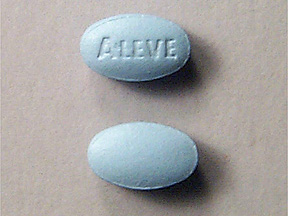
Aleve Easy Open Arthritis
Generic name: naproxen [ na-PROX-en ]
Brand names: Aleve, Aleve Back and Muscle Pain, Aleve Easy Open Arthritis, Aleve Liquid Gels, Anaprox-DS,
... show all 10 brands
Drug class: Nonsteroidal anti-inflammatory drugs
What is Aleve Easy Open Arthritis?
Aleve Easy Open Arthritis is a nonsteroidal anti-inflammatory drug (NSAID).
Aleve Easy Open Arthritis is used to treat pain or inflammation caused by conditions such as arthritis, ankylosing spondylitis, tendinitis, bursitis, gout, or menstrual cramps.
The delayed-release or extended-release tablets are slower-acting forms of naproxen that are used only for treating chronic conditions such as arthritis or ankylosing spondylitis. These forms of naproxen will not work fast enough to treat acute pain.
Aleve Easy Open Arthritis may also be used for purposes not listed in this medication guide.
Aleve Easy Open Arthritis side effects
Get emergency medical help if you have signs of an allergic reaction (runny or stuffy nose, wheezing or trouble breathing, hives, swelling in your face or throat) or a severe skin reaction (fever, sore throat, burning eyes, skin pain, red or purple skin rash with blistering and peeling).
Stop using Aleve Easy Open Arthritis and seek medical treatment if you have a serious drug reaction that can affect many parts of your body. Symptoms may include skin rash, fever, swollen glands, muscle aches, severe weakness, unusual bruising, or yellowing of your skin or eyes.
Get emergency medical help if you have signs of a heart attack or stroke: chest pain spreading to your jaw or shoulder, sudden numbness or weakness on one side of the body, slurred speech, leg swelling, feeling short of breath.
Aleve Easy Open Arthritis may cause serious side effects. Stop using Aleve Easy Open Arthritis and call your doctor at once if you have:
-
shortness of breath (even with mild exertion);
-
swelling or rapid weight gain;
-
the first sign of any skin rash or blister, no matter how mild;
-
signs of stomach bleeding--bloody or tarry stools, coughing up blood or vomit that looks like coffee grounds;
-
liver problems--nausea, upper stomach pain, loss of appetite, dark urine, clay-colored stools, jaundice (yellowing of the skin or eyes);
-
kidney problems--little or no urination, painful urination, swelling in your feet or ankles; or
-
low red blood cells (anemia)--pale skin, unusual tiredness, feeling light-headed or short of breath, cold hands and feet.
Common side effects of Aleve Easy Open Arthritis may include:
-
headache;
-
indigestion, heartburn, stomach pain; or
-
flu symptoms;
This is not a complete list of side effects and others may occur. Call your doctor for medical advice about side effects. You may report side effects to FDA at 1-800-FDA-1088.
Related/similar drugs
gabapentin, acetaminophen, prednisone, ibuprofen, aspirin, meloxicam, tramadol
Warnings
Aleve Easy Open Arthritis can increase your risk of fatal heart attack or stroke. Do not use Aleve Easy Open Arthritis just before or after heart bypass surgery (coronary artery bypass graft, or CABG). This medicine may also cause stomach or intestinal bleeding, which can be fatal.
Before taking this medicine
Aleve Easy Open Arthritis can increase your risk of fatal heart attack or stroke, even if you don't have any risk factors. Do not use this medicine just before or after heart bypass surgery (coronary artery bypass graft, or CABG).
Aleve Easy Open Arthritis may also cause stomach or intestinal bleeding, which can be fatal. These conditions can occur without warning while you are using this medicine, especially in older adults.
You should not use Aleve Easy Open Arthritis if you are allergic to it, or if you have ever had an asthma attack or severe allergic reaction after taking aspirin or an NSAID.
Ask a doctor before giving Aleve Easy Open Arthritis to a child younger than 12 years old.
Ask a doctor or pharmacist if this medicine is safe to use if you have:
-
heart disease, high blood pressure, high cholesterol, diabetes, or if you smoke;
-
a heart attack, stroke, or blood clot;
-
stomach ulcers or bleeding;
-
asthma;
-
liver or kidney disease;
-
fluid retention; or
-
if you take aspirin to prevent heart attack or stroke.
If you are pregnant, you should not take Aleve Easy Open Arthritis unless your doctor tells you to. Taking an NSAID during the last 20 weeks of pregnancy can cause serious heart or kidney problems in the unborn baby and possible complications with your pregnancy.
It may not be safe to breastfeed while using this medicine. Ask your doctor about any risk.
How should I take Aleve Easy Open Arthritis?
Use exactly as directed on the label, or as prescribed by your doctor. Use the lowest dose that is effective in treating your condition.
Shake the oral suspension (liquid) before you measure a dose. Measure a dose with the supplied measuring device (not a kitchen spoon).
Take Aleve Easy Open Arthritis with food or milk if it upsets your stomach.
Always follow directions on the medicine label about giving this medicine to a child. Aleve Easy Open Arthritis doses are based on weight in children. Your child's dose needs may change if the child gains or loses weight.
If you use Aleve Easy Open Arthritis long-term, you may need frequent medical tests.
This medicine can affect the results of certain medical tests. Tell any doctor who treats you that you are using Aleve Easy Open Arthritis.
Store at room temperature away from moisture, heat, and light. Keep the bottle tightly closed when not in use.
What happens if I miss a dose?
Since Aleve Easy Open Arthritis is used when needed, you may not be on a dosing schedule. Skip any missed dose if it's almost time for your next dose. Do not use two doses at one time.
What happens if I overdose?
Seek emergency medical attention or call the Poison Help line at 1-800-222-1222.
What should I avoid while taking Aleve Easy Open Arthritis?
Avoid drinking alcohol. It may increase your risk of stomach bleeding.
Avoid taking aspirin or other NSAIDs unless your doctor tells you to.
Ask a doctor or pharmacist before using other medicines for pain, fever, swelling, or cold/flu symptoms. They may contain ingredients similar to Aleve Easy Open Arthritis (such as aspirin, ibuprofen, or ketoprofen).
Ask your doctor before using an antacid, and use only the type your doctor recommends. Some antacids can make it harder for your body to absorb Aleve Easy Open Arthritis.
What other drugs will affect Aleve Easy Open Arthritis?
Ask your doctor before using Aleve Easy Open Arthritis if you take an antidepressant. Taking certain antidepressants with an NSAID may cause you to bruise or bleed easily.
Ask a doctor or pharmacist before using Aleve Easy Open Arthritis with any other medications, especially:
-
other NSAIDs or salicylates (diflunisal, salsalate);
-
antacids and sucralfate;
-
digoxin;
-
lithium;
-
pemetrexed;
-
probenecid;
-
warfarin (Coumadin, Jantoven) or similar blood thinners;
-
a diuretic or "water pill"; or
-
heart or blood pressure medication.
This list is not complete. Other drugs may affect Aleve Easy Open Arthritis, including prescription and over-the-counter medicines, vitamins, and herbal products. Not all possible drug interactions are listed here.
Popular FAQ
In the U.S. Apronax is called naproxen sodium (brand example: Aleve). Naproxen is a common NSAID medicine used to treat pain, fever, and headache. Apronax appears to be a name for naproxen sodium in countries such as Columbia and Ecuador. Continue reading
Ibuprofen is short acting, while naproxen is long acting and more likely to cause an upset stomach. Naproxen and ibuprofen are both NSAIDs so they are similar in many ways, but there are important differences. Continue reading
Caridoxen is a brand name of a combination medicine available in Mexico that contains naproxen (250mg) and carisoprodol (200mg) which may be used to control pain and inflammation and relieve muscle spasms. Caridoxen may be used as a muscle relaxant. Continue reading
It should be out of your system within approx 93.5 hours. Naproxen has an elimination half life of 12 to 17 hours. This is the time it takes for your body to reduce plasma drug levels by half. It takes approximately 5.5 x elimination half-life for a drug to be eliminated from your system. Continue reading
Feverfew, an herbal supplement that is a member of the daisy family, may interact with over 40 medicines. This includes drugs used to help prevent blood clots like the anticoagulant warfarin. Continue reading
More FAQ
- Aleve vs Ibuprofen: What's the difference?
- Can I take Meloxicam and Aleve or Tylenol together?
- Aleve vs Advil: What's the difference?
- Which painkiller should you use?
More about Aleve (naproxen)
- Check interactions
- Compare alternatives
- Reviews (156)
- Drug images
- Latest FDA alerts (8)
- Side effects
- Dosage information
- During pregnancy
- Support group
- Drug class: Nonsteroidal anti-inflammatory drugs
- Breastfeeding
Patient resources
Other brands
Naprosyn, Anaprox, Anaprox-DS, Naprelan, ... +5 more
Professional resources
Other brands
Naprosyn, Naprelan, All Day Pain Relief, All Day Relief
Other formulations
Related treatment guides
Further information
Remember, keep this and all other medicines out of the reach of children, never share your medicines with others, and use this medication only for the indication prescribed.
Always consult your healthcare provider to ensure the information displayed on this page applies to your personal circumstances.
Copyright 1996-2024 Cerner Multum, Inc. Version: 22.01.