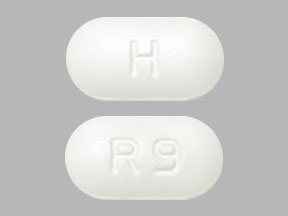
Ritonavir (Monograph)
Brand name: Norvir
Drug class: HIV Protease Inhibitors
- Protease Inhibitors
VA class: AM800
Chemical name: [5S-(5R*,8R*,10R*,11R*)]10-(Hydroxy-2-methyl-5-(1-methylethyl)-1-[2-(1-methylethyl)-4-thiazolyl]-3,6-di oxo-8,11-bis(phenylmethyl)-2,4,7,12-tetraazatridecan-13-oic acid,5-thiazolylmethyl ester
Molecular formula: C37H48N6O5S2
CAS number: 155213-67-5
Warning
-
Concomitant use with certain classes of drugs, including sedative hypnotics, antiarrhythmics, or ergot alkaloids may result in potentially serious and/or life-threatening events due to possible effects of ritonavir on hepatic metabolism of the drugs. (See Specific Drugs and Foods under Interactions.)
Introduction
Antiretroviral; HIV protease inhibitor (PI).
Uses for Ritonavir
Treatment of HIV Infection
Treatment of HIV-1 infection in adults, adolescents, and pediatric patients >1 month of age; used in conjunction with other antiretrovirals.
Low-dose ritonavir is used in conjunction with other PIs to decrease metabolism of and increase plasma concentrations of the other PI (ritonavir-boosted regimens).
For initial treatment in antiretroviral-naive adults and adolescents, several recommended or alternative antiretroviral regimens include certain ritonavir-boosted PIs (i.e., ritonavir-boosted atazanavir, ritonavir-boosted darunavir, fixed combination of lopinavir/ritonavir) and 2 HIV nucleoside reverse transcriptase inhibitors (NRTIs).
For initial treatment in antiretroviral-naive pediatric patients, experts recommend several preferred and alternative regimens that include certain ritonavir-boosted PIs (i.e., ritonavir-boosted atazanavir, ritonavir-boosted darunavir, lopinavir/ritonavir) and 2 NRTIs.
Regimens containing full-dose ritonavir or ritonavir as the sole PI are no longer recommended for initial treatment in adults, adolescents, or pediatric patients because of high pill burden, GI intolerance, and metabolic toxicity.
Related/similar drugs
Biktarvy, Descovy, Cabenuva, Truvada, Atripla, Stribild, Epzicom
Ritonavir Dosage and Administration
Administration
Oral Administration
Capsules
Administer orally, preferably with a meal.
Tablets
Administer orally with a meal. Swallow tablet whole; do not break, chew, or crush.
Solution
Administer orally, preferably with a meal.
Administer using calibrated dosing syringe whenever possible. Agitate solution prior to each dose.
Taste of the oral solution can be improved by mixing with up to 240 mL of chocolate milk, Ensure, or Advera; use these diluted oral solutions within 1 hour of preparation.
Contains 43.2% (v/v) alcohol and 26.57% (w/v) propylene glycol; do not use in neonates with postmenstrual age <44 weeks (i.e., time elapsed since first day of the mother’s last menstrual period to birth plus time elapsed after birth). (See Pediatric Use under Cautions.)
Dosage
Must be given in conjunction with other antiretrovirals. Low-dose ritonavir is used with certain PIs (atazanavir, darunavir, fosamprenavir, indinavir, saquinavir, tipranavir) in ritonavir-boosted regimens.
If using full-dose ritonavir, initiate therapy using a dose escalation schedule to minimize nausea.
Tablets are not bioequivalent to capsules. Tablets may result in higher peak plasma ritonavir concentrations; patients may experience more adverse GI effects (e.g., nausea, vomiting, abdominal pain, diarrhea) when switching from capsules to tablets. Adverse effects (e.g., GI, paresthesias) may lessen with continued therapy.
Pediatric Patients
Treatment of HIV Infection
Low-dose Ritonavir for Ritonavir-boosted PI Regimens
Oral4–6 mg/kg daily (80–400 mg daily). Specific dosage varies depending on which PI is used (e.g., atazanavir, darunavir, fosamprenavir, tipranavir).
Full-dose Ritonavir
Oral>1 month of age: Manufacturer recommends 250 mg/m2 twice daily initially; at 2- or 3-day intervals, increase in increments of 50 mg/m2 every 12 hours as tolerated up to 350–400 mg/m2 twice daily (not >600 mg twice daily).
Consult manufacturer’s product information for recommendations regarding volume of ritonavir oral solution to use for each dosage level when the dose escalation schedule is used in pediatric patients ≥1 month of age.
If dosage of 400 mg/m2 twice daily not tolerated (due to adverse effects), highest dosage that is tolerated may be used for maintenance therapy in conjunction with other antiretrovirals; however, consider use of an alternative PI.
Adults
Treatment of HIV Infection
Low-dose Ritonavir for Ritonavir-boosted PI Regimens
Oral100–400 mg daily. Specific dosage varies depending on which PI is used (e.g., atazanavir, darunavir, fosamprenavir, indinavir, saquinavir, tipranavir).
Full-dose Ritonavir
OralInitially 300 mg twice daily; at 2- to 3-day intervals, increase dosage by 100 mg twice daily up to a dosage of 600 mg twice daily.
Prescribing Limits
Pediatric Patients
Treatment of HIV Infection
Oral
600 mg twice daily.
Adults
Oral
600 mg twice daily.
Special Populations
Hepatic Impairment
Dosage adjustments not necessary in patients with mild to moderate hepatic impairment (Child-Pugh class A or B); data not available for severe hepatic impairment (Child-Pugh class C).
Renal Impairment
Dosage adjustments not necessary.
Geriatric Patients
Select dosage carefully; initiate therapy at the low end of the dosing range.
Cautions for Ritonavir
Contraindications
-
Known hypersensitivity (e.g., toxic epidermal necrolysis, Stevens-Johnson syndrome) to ritonavir or any ingredient in the formulation.
-
Concomitant use with drugs highly dependent on CYP3A for metabolism and for which elevated plasma concentrations are associated with serious and/or life-threatening events (e.g., alfuzosin, amiodarone, cisapride, ergot alkaloids, flecainide, lovastatin, oral midazolam, pimozide, propafenone, quinidine, sildenafil used for treatment of pulmonary arterial hypertension [PAH], simvastatin, triazolam). (See Specific Drugs and Foods under Interactions.)
-
Concomitant use with St. John’s wort [Hypericum perforatum] or voriconazole. (See Specific Drugs and Foods under Interactions.)
Warnings/Precautions
Interactions
Concomitant use with certain drugs is contraindicated because of risk of life-threatening adverse events, significant interaction, or loss of virologic activity. Concomitant use with other drugs may require caution, dosage adjustments, and/or increased monitoring. (See Specific Drugs and Foods under Interactions.)
When ritonavir-boosted PI regimens are used, the usual cautions, precautions, and contraindications associated with the other PI should be considered.
Hepatic Effects
Elevated hepatic aminotransferase concentrations >5 times ULN, clinical hepatitis, and jaundice reported; risk may be increased in patients with HBV or HCV infection.
Hepatic dysfunction (including some fatalities) reported; causal relationship not established. Generally has occurred in patients with advanced HIV infection and/or receiving multiple concomitant drugs.
Pancreatitis
Pancreatitis (sometimes fatal) with or without marked elevations in triglycerides has occurred.
Patients with advanced HIV disease may be at increased risk of elevated triglycerides and pancreatitis.
Consider pancreatitis in patients who develop abdominal pain, nausea, and vomiting or elevated serum amylase or lipase concentrations. Discontinue ritonavir if a diagnosis of pancreatitis is made.
Sensitivity Reactions
Urticaria, mild skin eruptions, bronchospasm, and angioedema have occurred. Anaphylaxis or Stevens-Johnson syndrome reported rarely. Discontinue ritonavir if severe reactions occur.
Cardiovascular Effects
Prolongation of PR interval reported. Second- or third-degree AV block reported during postmarketing monitoring.
Dose-dependent prolongation of QT and PR intervals reported with ritonavir-boosted saquinavir; torsades de pointes and second- or third- degree AV block reported rarely.
Use with caution in patients with structural heart disease, cardiac conduction abnormalities, ischemic heart disease, or cardiomyopathies; these individuals may be at increased risk for cardiac conduction abnormalities.
Caution advised if used with other drugs that prolong PR interval (e.g., some β-adrenergic blocking agents, some calcium-channel blockers, digoxin, atazanavir), especially drugs metabolized by CYP3A.
Precautions Associated with Alcohol and Propylene Glycol in the Oral Solution
Ritonavir oral solution contains 43.2% (v/v) alcohol and 26.57% (w/v) propylene glycol.
Preterm neonates† [off-label] may be at increased risk of propylene glycol-associated adverse effects due to diminished ability to metabolize propylene glycol, thereby leading to accumulation and potential adverse events.
Life-threatening toxicity reported in neonates, predominantly preterm neonates receiving lopinavir/ritonavir oral solution, which also contains alcohol and propylene glycol. (See Pediatric Use under Cautions.)
Lipid Effects
Substantial increases in total serum cholesterol and triglyceride concentrations have occurred.
Determine serum triglyceride and cholesterol concentrations prior to and periodically during therapy; manage lipid disorders as clinically appropriate. (See Specific Drugs and Food under Interactions.)
Hyperglycemic and Diabetogenic Effects
Hyperglycemia, new-onset diabetes mellitus, or exacerbation of preexisting diabetes mellitus reported with use of PIs; diabetic ketoacidosis has occurred.
Monitor blood glucose and initiate or adjust dosage of oral hypoglycemic agent or insulin as needed.
Immune Reconstitution Syndrome
During initial treatment, patients who respond to antiretroviral therapy may develop an inflammatory response to indolent or residual opportunistic infections (e.g., Mycobacterium avium complex [MAC], M. tuberculosis, cytomegalovirus [CMV], Pneumocystis jirovecii [formerly P. carinii]); this may necessitate further evaluation and treatment.
Autoimmune disorders (e.g., Graves' disease, polymyositis, Guillain-Barré syndrome) have been reported to occur in the setting of immune reconstitution; the time to onset is more variable and can occur many months after initiation of antiretroviral therapy.
Adipogenic Effects
Possible redistribution or accumulation of body fat, including central obesity, dorsocervical fat enlargement (“buffalo hump”), peripheral wasting, breast enlargement, and general cushingoid appearance.
Hemophilia A and B
Spontaneous bleeding noted with PIs; causal relationship not established.
Caution in patients with a history of hemophilia type A or B. Increased hemostatic (e.g., antihemophilic factor) therapy may be needed.
HIV Resistance
Possibility of HIV resistant to ritonavir and possible cross-resistance to other PIs. Continued full-dose ritonavir therapy after loss of viral suppression may increase likelihood of cross-resistance to other PIs.
Specific Populations
Pregnancy
Category B.
Antiretroviral Pregnancy Registry at .[Web]800-258-4263 or
Experts state that ritonavir should only be given as low-dose ritonavir in conjunction with another PI (ritonavir-boosted PI) in pregnant women.
Lactation
Distributed into milk in rats; not known whether distributed into human milk.
Instruct HIV-infected women not to breast-feed because of risk of HIV transmission and risk of adverse effects in the infant.
Pediatric Use
Safety and efficacy established in infants >1 month of age.
Antiretroviral activity in children >1 month to 21 years of age similar to that in adults. Adverse effects in children >1 month to 21 years of age similar to those reported in adults; vomiting, diarrhea, skin rash/allergy reported in ≥2% of pediatric patients in clinical studies.
Oral solution contains 43.2% (v/v) alcohol and 26.57% (w/v) propylene glycol. Inadvertent ingestion of the oral solution or overdosage in an infant or young child may result in substantial toxicity and is potentially lethal. (See Precautions Associated with Alcohol and Propylene Glycol in the Oral Solution under Cautions.)
Life-threatening cardiac toxicity (including complete AV block, bradycardia, cardiomyopathy), lactic acidosis, acute renal failure, CNS depression, and respiratory complications leading to death have been reported, predominantly in preterm neonates† [off-label] receiving lopinavir/ritonavir oral solution, which also contains alcohol and propylene glycol.
If benefits of ritonavir oral solution for treatment of HIV infection in an infant immediately after birth are judged to outweigh potential risks, monitor the infant closely for increases in serum osmolality and Scr and other signs of toxicity, including hyperosmolality with or without lactic acidosis, renal toxicity, CNS depression (including stupor, coma, apnea), seizures, hypotonia, cardiac arrhythmias, ECG changes, and hemolysis.
If the oral solution is used in preterm neonates† [off-label] or pediatric patients 1–6 months of age, take into account the total amounts of alcohol and propylene glycol from all drugs the child is receiving to avoid toxicity associated with these excipients.
Geriatric Use
Insufficient experience in those ≥65 years of age to determine whether they respond differently than younger adults.
Select dosage with caution because of age-related decreases in hepatic, renal, and/or cardiac function and concomitant disease and drug therapy.
Hepatic Impairment
Use with caution in patients with preexisting liver disease, liver enzyme abnormalities, or hepatitis; consider more frequent monitoring of AST and ALT, especially during the first 3 months.
Extra vigilance warranted in HIV patients with HBV or HCV coinfection because of increased risk of hepatotoxicity. Concomitant administration of low-dose ritonavir and tipranavir associated with clinical hepatitis and hepatic decompensation, including some fatalities.
Potential for decreased ritonavir concentrations in patients with moderate hepatic impairment; monitor carefully. Not studied in severe hepatic impairment.
Common Adverse Effects
GI effects (nausea, diarrhea, vomiting, anorexia, abdominal pain, taste perversion), asthenia, circumoral and peripheral paresthesia.
Drug Interactions
Metabolized by CYP3A and, to a lesser extent, by CYP2D6.
Inhibits CYP3A and, to a lesser extent, CYP2D6.
Induces CYP3A, CYP1A2, CYP2C9, CYP2C19, and CYP2B6; increases activity of glucuronosyl transferase.
Drugs Affecting or Metabolized by Hepatic Microsomal Enzymes
Pharmacokinetic interactions likely with drugs that are inhibitors, inducers, or substrates of CYP3A or CYP2D6 with possible alteration in metabolism of ritonavir and/or other drug.
Specific Drugs and Foods
|
Drug or Food |
Interaction |
Comments |
|---|---|---|
|
Alfuzosin |
Possible pharmacokinetic interaction; may result in hypotension |
Concomitant use contraindicated |
|
Antiarrhythmic agents (amiodarone, disopyramide, flecainide, systemic lidocaine, mexiletine, propafenone, quinidine) |
Possible increased antiarrhythmic agent concentrations; potential for serious or life-threatening effects (e.g., cardiac arrhythmias) |
Amiodarone, flecainide, propafenone, quinidine: Concomitant use contraindicated Disopyramide, mexiletine, systemic lidocaine: Use caution; monitor concentrations of the antiarrhythmic agent |
|
Anticoagulants, oral |
Rivaroxaban: Increased rivaroxaban concentrations and AUC; may increase bleeding risk Warfarin: Possible altered warfarin concentrations |
Rivaroxaban: Avoid concomitant use Warfarin: Monitor INR, particularly when starting or stopping ritonavir |
|
Anticonvulsants |
Carbamazepine, clonazepam, ethosuximide: Possible increased anticonvulsant concentrations Divalproex, lamotrigine, phenytoin: Possible decreased anticonvulsant concentrations Phenobarbital: Potential for decreased concentrations of ritonavir or active PI in ritonavir-boosted regimens |
Carbamazepine, clonazepam, ethosuximide: Use concomitantly with caution; reduced anticonvulsant dosage may be necessary; monitor anticonvulsant concentrations Divalproex, lamotrigine, phenytoin: Use concomitantly with caution; increased anticonvulsant dosage may be needed; monitor anticonvulsant concentrations Phenobarbital: Consider other anticonvulsants; alternatively, monitor virologic response and concentrations of the active PI and phenobarbital |
|
Antifungals, azoles |
Fluconazole: No important changes in ritonavir pharmacokinetics Itraconazole: Potentially increased itraconazole and ritonavir concentrations Ketoconazole: Increased ritonavir and ketoconazole concentrations Voriconazole: Decreased voriconazole AUC (by 82% with ritonavir 400 mg twice daily and by 39% with ritonavir 100 mg twice daily) |
Fluconazole: Dosage adjustment not needed Itraconazole: Avoid itraconazole dosages >200 mg daily; consider monitoring itraconazole concentrations Ketoconazole: Avoid ketoconazole dosages >200 mg daily Voriconazole: Concomitant use with ritonavir 400 mg twice daily contraindicated Voriconazole: Concomitant use with low-dose ritonavir (100 mg) not recommended unless benefit outweighs risk; consider monitoring voriconazole concentrations if used concurrently with ritonavir-boosted regimens |
|
Antimycobacterials (bedaquiline, rifabutin, rifampin, rifapentine) |
Bedaquiline: Possible increased bedaquiline concentrations; clinical importance unknown Rifabutin: Increased rifabutin concentrations; possible decreased ritonavir concentrations Rifampin: Decreased ritonavir concentrations may lead to loss of virologic response Rifapentine: Possible decreased ritonavir concentrations |
Bedaquiline: Use concomitantly with ritonavir-boosted PIs with caution and only if potential benefits outweigh risks; monitor for corrected QT (QTc) interval prolongation and liver dysfunction Rifabutin: Reduce rifabutin dosage to 150 mg every other day or 150 mg 3 times weekly; further dosage reduction may be needed; in patients receiving ritonavir-boosted PIs, some experts recommend rifabutin 150 mg daily or 300 mg 3 times weekly and plasma rifabutin concentrations and antimycobacterial activity monitoring Rifampin: Concomitant use not recommended; use another antimycobacterial agent Rifapentine: Concomitant use not recommended |
|
Atazanavir |
Increased atazanavir concentrations; concomitant low-dose ritonavir used to therapeutic advantage (ritonavir-boosted atazanavir) Prolonged PR interval reported with both atazanavir and ritonavir No in vitro evidence of antagonistic antiretroviral effects |
Recommended dosage is ritonavir 100 mg once daily and atazanavir 300 mg once daily with food; safety and efficacy of concomitant use of atazanavir and ritonavir dosage >100 mg once daily not established Use concomitantly with caution and clinical monitoring Concomitant use of ritonavir-boosted atazanavir with other PIs not recommended |
|
Atovaquone |
Possible atovaquone concentrations |
Clinical importance unknown; increased atovaquone dosage may be needed |
|
Avanafil |
Increased avanafil concentrations and AUC |
Do not use concomitantly; safe and effective avanafil dosage for concomitant use with ritonavir not established |
|
Benzodiazepines |
Oral midazolam or triazolam: Possible increased benzodiazepine concentrations; potential for prolonged or increased sedation or respiratory depression Clorazepate, diazepam, estazolam, flurazepam: Possible increased concentrations of the benzodiazepine Alprazolam: Decreased alprazolam clearance; increased risk of sedative effects |
Oral midazolam or triazolam: Concomitant use contraindicated Parenteral midazolam: Some experts state that a single parenteral dose of midazolam can be used with caution in a monitored situation for procedural sedation where respiratory depression and/or prolonged sedation can be managed; the manufacturer of ritonavir states that a reduced midazolam dosage be considered, particularly if multiple doses administered Clorazepate, diazepam, estazolam, flurazepam: Use with caution; reduced benzodiazepine dosage may be needed Alprazolam or diazepam: Consider alternative benzodiazepines (e.g., lorazepam, oxazepam, temazepam) |
|
β-Adrenergic blocking agents (metoprolol, timolol) |
Possible increase in concentrations of the β-adrenergic blocking agent Adverse cardiac and neurologic effects reported with β-adrenergic blocking agents |
Monitor patient; caution advised; reduced dosage of the β-adrenergic blocking agent may be necessary |
|
Boceprevir |
Low-dose ritonavir: Decreased boceprevir concentrations and AUC Ritonavir-boosted PIs (e.g., ritonavir-boosted atazanavir, ritonavir-boosted darunavir, lopinavir/ritonavir): Decreased concentrations and AUC of boceprevir and the HIV PIs; possible reduced efficacy of HCV and HIV treatment regimens |
Concomitant use with ritonavir-boosted HIV PIs (e.g., ritonavir-boosted atazanavir, ritonavir-boosted darunavir, lopinavir/ritonavir) not recommended If boceprevir was initiated for treatment of chronic HCV in a patient coinfected with HIV receiving a suppressive antiretroviral regimen containing a ritonavir-boosted HIV PI, inform patient of possible drug interaction and closely monitor for HCV treatment response and potential HCV and HIV virologic rebound |
|
Bosentan |
Possible increased bosentan concentrations |
In patients already receiving ritonavir (including low-dose ritonavir) for ≥10 days, initiate bosentan using dosage of 62.5 mg once daily or every other day based on individual tolerability In patients already receiving bosentan, discontinue bosentan for at least 36 hours prior to initiating ritonavir (including low-dose ritonavir); after ≥10 days of ritonavir, resume bosentan using dosage of 62.5 mg once daily or every other day based on individual tolerability |
|
Calcium-channel blocking agents (diltiazem, nifedipine, verapamil) |
Possible increased concentrations of the calcium-channel blocking agent |
Monitor patient; caution advised; reduced dosage of the calcium-channel blocking agent may be necessary |
|
Cisapride |
Pharmacokinetic interaction; potential for serious or life-threatening reactions (e.g., cardiac arrhythmias) |
Concomitant use contraindicated |
|
Co-trimoxazole |
Interaction unlikely |
Dosage adjustment not necessary |
|
Colchicine |
Possible increased colchicine concentrations |
Patients with renal or hepatic impairment: Avoid concomitant use of colchicine and ritonavir Colchicine for treatment of gout flares: In those receiving ritonavir, use initial colchicine dose of 0.6 mg followed by 0.3 mg 1 hour later and repeat dose no earlier than 3 days later Colchicine for prophylaxis of gout flares: In those receiving ritonavir, decrease colchicine dosage to 0.3 mg once daily in those originally receiving 0.6 mg twice daily or decrease dosage to 0.3 mg once every other day in those originally receiving 0.6 mg once daily Colchicine for treatment of familial Mediterranean fever (FMF): In those receiving ritonavir, use maximum colchicine dosage of 0.6 mg daily (may be given as 0.3 mg twice daily) |
|
Corticosteroids (beclomethasone, budesonide, dexamethasone, fluticasone, methylprednisolone, prednisolone, prednisone, triamcinolone) |
Beclomethasone (orally inhaled, intranasal): Clinically important pharmacokinetic interactions not expected Budesonide or fluticasone (orally inhaled, intranasal): Increased corticosteroid concentrations; Cushing’s syndrome and adrenal suppression reported when ritonavir used concomitantly with budesonide or fluticasone Methylprednisolone, prednisolone, triamcinolone (intra-articular or other local injections): Increased corticosteroid concentrations; may result in adrenal insufficiency or Cushing's syndrome Budesonide or prednisone (systemic): Increased corticosteroid concentrations; may result in adrenal insufficiency or Cushing's syndrome; budesonide (systemic) may decrease ritonavir concentrations Dexamethasone (systemic): Possible increased corticosteroid concentrations; possible decreased ritonavir concentrations |
Budesonide or fluticasone (orally inhaled, intranasal): Do not use concomitantly unless potential benefits of inhaled or intranasal corticosteroid outweigh risks of systemic corticosteroid adverse effects; consider alternative (e.g., beclomethasone), Methylprednisolone, prednisolone, triamcinolone (intra-articular or other local injections): Do not use concomitantly; consider alternative nonsteroidal therapies; if intra-articular corticosteroid required, use alternative antiretroviral that does not alter CYP3A4 activity (e.g., dolutegravir, raltegravir) Budesonide or prednisone (systemic): Do not use concomitantly with ritonavir unless potential benefits outweigh risks of systemic corticosteroid adverse effects Dexamethasone (systemic): Use concomitantly with caution; consider alternative corticosteroid for long-term use |
|
Darunavir |
Increased darunavir concentrations and AUC; concomitant low-dose ritonavir used to therapeutic advantage (ritonavir-boosted darunavir) |
|
|
Dasatinib |
Increased dasatinib concentrations |
Dasatinib dosage may need to be decreased or dosing interval adjusted |
|
Delavirdine |
Increased ritonavir concentrations |
Appropriate dosage for concomitant use with respect to safety and efficacy not established |
|
Didanosine |
Decreased didanosine concentrations and AUC; no effect on ritonavir concentrations In vitro evidence of additive antiretroviral effects |
If ritonavir and didanosine used concomitantly, administer the drugs at least 2.5 hours apart; dosage adjustment generally not necessary |
|
Digoxin |
Increased digoxin concentrations and prolonged digoxin half-life with concomitant low-dose ritonavir |
Caution advised; monitor digoxin concentrations; reduced digoxin dosage may be necessary |
|
Disulfiram |
Possible disulfiram-like reaction with ritonavir capsules or oral solution because of alcohol content |
|
|
Dronabinol |
Possible increased dronabinol concentrations |
Use concomitantly with caution; decreased dronabinol dosage may be needed |
|
Ecstasy (methylenedioxymethamphetamine, MDMA), Liquid ecstasy (γ-hydroxybutyrate, GHB) |
Life-threatening reactions reported |
|
|
Elvitegravir and cobicistat |
Fixed combination of elvitegravir, cobicistat, emtricitabine, and tenofovir DF (EVG/COBI/TDF/FTC): Possible altered concentrations of elvitegravir or cobicistat; ritonavir and cobicistat have similar effects on CYP3A4 |
EVG/COBI/TDF/FTC: Do not use concomitantly |
|
Efavirenz |
Increased ritonavir AUC and increased efavirenz AUC Higher incidence of dizziness, nausea, paresthesia, and elevated hepatic enzyme concentrations with regimens that include full-dose ritonavir (500 mg twice daily) and efavirenz |
Monitor hepatic enzymes |
|
Emtricitabine |
In vitro evidence of additive or synergistic antiretroviral effects |
|
|
Enfuvirtide |
Low-dose ritonavir (200 mg twice daily): Increased enfuvirtide concentrations and AUC |
Not considered clinically important |
|
Ergot alkaloids (dihydroergotamine, ergotamine, methylergonovine) |
Possibility of pharmacokinetic interaction; potential for serious or life-threatening reactions (e.g., acute ergot toxicity) |
Concomitant use contraindicated If treatment of uterine atony and excessive postpartum bleeding is indicated in a woman receiving ritonavir, use methylergonovine maleate (Methergine) only if alternative treatments cannot be used and if potential benefits outweigh risks; use methylergonovine at lowest dosage and shortest duration possible |
|
Estrogens/Progestins |
Hormonal contraceptives: Decreased peak plasma concentrations of ethinyl estradiol with oral or transdermal contraceptive preparations |
Use alternative or additional contraceptive measures |
|
Etravirine |
Full-dose ritonavir (600 mg twice daily): Substantial decrease in etravirine concentrations and possible decreased antiretroviral efficacy No in vitro evidence of antagonism |
Full-dose ritonavir (600 mg twice daily): Concomitant use not recommended |
|
Fentanyl |
Possible increased fentanyl concentrations |
Carefully monitor for fentanyl therapeutic effects and adverse effects, including potentially fatal respiratory depression |
|
Fosamprenavir |
Increased amprenavir concentrations and AUC; concomitant low-dose ritonavir used to therapeutic advantage (ritonavir-boosted fosamprenavir) Increased potential for drug interactions since ritonavir is a potent inhibitor of CYP3A4 and also inhibits CYP2D6 In vitro evidence of additive antiretroviral effects |
When ritonavir-boosted fosamprenavir is used in a once-daily regimen, recommended dosage is fosamprenavir 1.4 g once daily with ritonavir 100 or 200 mg once daily; when used in a twice-daily regimen, recommended dosage is fosamprenavir 700 mg twice daily with ritonavir 100 mg twice daily |
|
Garlic |
Interaction unlikely |
|
|
HMG-CoA reductase inhibitors (statins) |
Atorvastatin, lovastatin, rosuvastatin, pitavastatin, pravastatin, simvastatin: Decreased clearance and increased concentrations of the statin with potential for increased risk of statin-associated adverse effects, including myopathy and rhabdomyolysis |
Atorvastatin: Use lowest necessary atorvastatin dosage with careful monitoring Atorvastatin: If used concomitantly with certain ritonavir-boosted PI regimens (e.g., ritonavir-boosted darunavir, ritonavir-boosted fosamprenavir, ritonavir-boosted saquinavir), use lowest necessary atorvastatin dosage and do not exceed dosage of 20 mg daily; avoid concomitant use with some other ritonavir-boosted PI regimens (e.g., ritonavir-boosted tipranavir) Lovastatin: Concomitant use contraindicated Pitavastatin: Dosage adjustments not necessary if pitavastatin used concomitantly with ritonavir-boosted PI regimens Pravastatin: If used concomitantly with certain ritonavir-boosted PI regimens (e.g., ritonavir-boosted darunavir), titrate statin dosage using lowest possible starting dosage and closely monitor for adverse effects Rosuvastatin: If used concomitantly with certain ritonavir-boosted PI regimens (e.g., ritonavir-boosted atazanavir, lopinavir/ritonavir), use lowest necessary rosuvastatin dosage and do not exceed dosage of 10 mg once daily Simvastatin: Concomitant use contraindicated |
|
Immunosuppressive agents (cyclosporine, sirolimus, tacrolimus) |
Potential for increased concentrations of cyclosporine, sirolimus, or tacrolimus |
Monitor concentrations of the immunosuppressive agent |
|
Indinavir |
Increased concentrations of indinavir and ritonavir; concomitant low-dose ritonavir used to therapeutic advantage (ritonavir-boosted indinavir) Incidence of renal effects (nephrolithiasis) may be higher when ritonavir and indinavir used concomitantly compared with usual dosage of indinavir alone |
Manufacturers of indinavir and ritonavir state that appropriate dosages with respect to safety and efficacy not established When ritonavir-boosted indinavir is used, some experts suggest indinavir 800 mg twice daily with ritonavir 100 or 200 mg twice daily |
|
Lopinavir/ritonavir |
Increased lopinavir concentrations and AUC; used to therapeutic advantage (commercially available as Kaletra; lopinavir in fixed combination with ritonavir [lopinavir/ritonavir]) |
In patients receiving lopinavir/ritonavir, appropriate dosages of additional ritonavir not established with respect to safety and efficacy |
|
Macrolides (clarithromycin) |
Clarithromycin: Increased AUC of ritonavir and clarithromycin; decreased AUC of 14-hydroxyclarithromycin |
Clarithromycin: Dosage adjustment not needed in patients with normal renal function; reduce clarithromycin dosage by 50% in patients with Clcr of 30–60 mL/minute and by 75% in patients with Clcr <30 mL/minute |
|
Maraviroc |
Low-dose ritonavir (ritonavir 100 mg twice daily): Increased maraviroc concentrations and AUC No in vitro evidence of antagonistic antiretroviral effects |
Regimens that include low-dose ritonavir (except ritonavir-boosted tipranavir): Recommended dosage of maraviroc is 150 mg twice daily Ritonavir-boosted tipranavir: Recommended dosage of maraviroc is 300 mg twice daily |
|
Meperidine |
Decreased meperidine concentration; increased normeperidine (meperidine metabolite) concentration |
Dosage increase and long-term concomitant use not recommended because normeperidine has analgesic and CNS stimulant activity (i.e., seizures) |
|
Methadone |
Decreased methadone concentrations and AUC |
Consider need to increase methadone dosage |
|
Methamphetamine |
Possible increased methamphetamine concentrations |
Use concomitantly with caution; decreased methamphetamine dosage may be needed |
|
Metronidazole |
Possible disulfiram-like reaction with ritonavir capsules or oral solution because of alcohol content |
|
|
Nelfinavir |
Increased nelfinavir concentrations; no change in ritonavir concentrations |
Appropriate dosages for concomitant use with respect to safety and efficacy not established |
|
Nevirapine |
Clinically important pharmacokinetic interaction with full-dose ritonavir unlikely |
|
|
Nilotinib |
Increased nilotinib concentrations |
Nilotinib dosage may need to be decreased or dosing interval adjusted |
|
Propoxyphene |
Use concomitantly with caution; decreased propoxyphene dosage may be needed |
|
|
Psychotherapeutic agents |
Pimozide: Pharmacokinetic interaction; potential for serious or life-threatening reactions (e.g., cardiac arrhythmias) Quetiapine: Increased quetiapine concentrations expected Trazodone: Increased trazodone concentrations and AUC; adverse effects (nausea, dizziness, hypotension, syncope) reported with concomitant trazodone and ritonavir Bupropion: Possible decreased bupropion and hydroxybupropion (active metabolite) concentrations Other psychotherapeutics: Possible increased plasma concentrations of buspirone, nefazodone, perphenazine, risperidone, thioridazine Adverse cardiac and neurologic effects reported with nefazodone or trazodone |
Pimozide: Concomitant use contraindicated Quetiapine: Initiate quetiapine at lowest dosage and titrate as needed; if initiating ritonavir in patients receiving quetiapine, reduce quetiapine to one-sixth of original dosage; monitor for efficacy and adverse effects of quetiapine Trazodone: Use concomitantly with caution; consider decreased trazodone dosage Bupropion: Monitor for response to bupropion Amitriptyline, imipramine, nortriptyline: Some experts recommend using lowest antidepressant dosage and titrating dosage based on clinical response and/or antidepressant concentrations Other psychotherapeutics: Use concomitantly with caution; dosage reduction of the psychotherapeutic agent (buspirone, nefazodone, perphenazine, risperidone, thioridazine) may be necessary |
|
Quinine |
Possible increased quinine concentrations |
Decreased quinine dosage may be necessary |
|
Quinupristin and dalfopristin |
Possible increased ritonavir concentrations |
|
|
Raltegravir |
Low-dose ritonavir (100 mg twice daily): Decreased raltegravir concentrations and AUC; data not available regarding concomitant use of raltegravir and higher ritonavir dosage, but raltegravir concentrations may be decreased In vitro evidence of additive to synergistic antiretroviral effects |
Dosage adjustments not necessary; when low-dose ritonavir used to boost PI concentrations, consider possibility of drug interactions between raltegravir and the other PI |
|
Rilpivirine |
Ritonavir-boosted PIs: Possible increased rilpivirine concentrations; not expected to affect PI concentrations No in vitro evidence of antagonistic antiretroviral effects |
|
|
St. John’s wort (Hypericum perforatum) |
Decreased ritonavir concentrations; possible loss of virologic response and increased risk of ritonavir resistance |
Concomitant use contraindicated |
|
Salmeterol |
Increased salmeterol concentrations; may increase risk of QT interval prolongation, palpitations, or sinus tachycardia |
Concomitant use not recommended |
|
Saquinavir |
Increased saquinavir concentrations; concomitant low-dose ritonavir used to therapeutic advantage (ritonavir-boosted saquinavir) Ritonavir-boosted saquinavir causes dose-dependent prolongation of QT and PR intervals; torsades de pointes and complete heart block reported |
Recommended dosage is saquinavir 1 g twice daily and ritonavir 100 mg twice daily Concomitant use of ritonavir-boosted saquinavir with rifampin not recommended; risk of severe hepatotoxicity Monitor ECG and electrolytes prior to and during therapy with ritonavir-boosted saquinavir |
|
Selective serotonin-reuptake inhibitors (SSRIs) |
Concomitant use with some SSRIs (e.g., fluoxetine, paroxetine) may increase plasma concentrations of the SSRI Fluoxetine: Adverse cardiac and neurologic effects reported Escitalopram: Pharmacokinetic interaction unlikely |
SSRI dosage may need to be reduced |
|
Sildenafil |
Increased sildenafil concentrations and increased risk of sildenafil-associated adverse effects (e.g., hypotension, visual disturbances, prolonged erection) |
Sildenafil (Revatio) for treatment of PAH: Concomitant use with ritonavir (including low-dose ritonavir) contraindicated; ritonavir manufacturer states that a safe and effective dose for concomitant use not established Sildenafil for treatment of erectile dysfunction: Use caution and reduced sildenafil dosage (25 mg repeated no more frequently than every 48 hours); closely monitor for adverse effects (e.g., hypotension, syncope, visual changes, prolonged erection) |
|
Simeprevir |
Low-dose ritonavir (100 mg twice daily): Increased simeprevir AUC |
Concomitant use not recommended |
|
Tadalafil |
Increased tadalafil concentrations and increased risk of tadalafil-associated adverse effects (e.g., hypotension, visual disturbances, prolonged erection) |
Tadalafil (Adcirca) for treatment of PAH: In patients already receiving ritonavir for ≥1 week, use initial tadalafil dosage of 20 mg once daily and increase to 40 mg once daily based on individual tolerability Avoid use of tadalafil (Adcirca) for treatment of PAH during initiation of PI therapy; in a patient already receiving tadalafil (Adcirca) for treatment of PAH, discontinue tadalafil for at least 24 hours before starting ritonavir; tadalafil can be restarted after ≥1 week of ritonavir therapy using initial tadalafil dosage of 20 mg once daily and increasing dosage to 40 mg once daily based on individual tolerability Tadalafil for treatment of erectile dysfunction: Use caution and initial tadalafil dose of 5 mg and do not exceed a single dose of 10 mg in 72 hours Tadalafil for treatment of benign prostatic hyperplasia: Do not exceed tadalafil dosage of 2.5 mg once daily |
|
Telaprevir |
Low-dose ritonavir: Decreased telaprevir concentrations and AUC Ritonavir-boosted atazanavir: Decreased telaprevir concentrations and AUC; increased atazanavir trough concentrations and AUC Ritonavir-boosted darunavir: Decreased telaprevir and darunavir concentrations and AUC Ritonavir-boosted fosamprenavir: Decreased concentrations and AUCs of telaprevir and amprenavir (active metabolite of fosamprenavir) Lopinavir/ritonavir: Decreased telaprevir concentrations and AUC; no clinically important effect on lopinavir concentrations and AUC |
Concomitant use of telaprevir and ritonavir-boosted HIV PIs (e.g., ritonavir-boosted darunavir, ritonavir-boosted fosamprenavir, lopinavir/ritonavir) not recommended |
|
Theophylline |
Decreased theophylline concentrations |
Increased theophylline dosage may be necessary; monitor theophylline concentrations |
|
Tipranavir |
Increased tipranavir concentrations and AUC; concomitant low-dose ritonavir used to therapeutic advantage (ritonavir-boosted tipranavir) Ritonavir-boosted tipranavir: Hepatotoxicity, including deaths, reported |
Recommended dosage is ritonavir 200 mg twice daily with tipranavir 500 mg twice daily Ritonavir-boosted tipranavir: Monitor closely, including assessment of liver function tests prior to and periodically during therapy |
|
Tramadol |
Use concomitantly with caution; decreased tramadol dosage may be needed |
|
|
Tricyclic antidepressants (amitriptyline, desipramine, imipramine, nortriptyline) |
Concomitant use with some tricyclic antidepressants (e.g., amitriptyline, imipramine, nortriptyline) expected to increase plasma concentrations of the antidepressant Desipramine: Increased desipramine concentrations |
Decreased tricyclic antidepressant dosage may be needed; experts state use lowest possible dosage of the antidepressant in patients receiving ritonavir-boosted PIs; titrate dosage based on clinical assessment and/or plasma concentrations of the antidepressant Desipramine: Decrease desipramine dosage and monitor desipramine concentrations |
|
Vardenafil |
Increased vardenafil concentrations and increased risk of vardenafil-associated adverse effects (e.g., hypotension, visual disturbances, prolonged erection) |
Use caution and initial vardenafil dose of 2.5 mg; do not exceed dosage of 2.5 mg once every 72 hours |
|
Vinblastine |
Possible increased vinblastine concentrations |
Manufacturer of ritonavir recommends considering temporarily withholding ritonavir-containing antiretroviral regimens in patients who develop substantial hematologic or GI toxicity: alternatively, consider using a regimen that does not include CYP3A or P-glycoprotein transport system inhibitor |
|
Vincristine |
Possible increased vincristine concentrations |
Manufacturer of ritonavir recommends considering temporarily withholding ritonavir-containing antiretroviral regimens in patients who develop substantial hematologic or Gl toxicity: alternatively, consider using a regimen that does not include CYP3A or P-glycoprotein transport system inhibitor |
|
Zidovudine |
No effect on ritonavir pharmacokinetics; decreased zidovudine peak concentrations and AUC In vitro evidence of additive antiretroviral effects |
Dosage adjustment generally not needed |
|
Zolpidem |
Possible increased zolpidem concentrations |
Use concomitantly with caution; decreased zolpidem dosage may be necessary |
Ritonavir Pharmacokinetics
Absorption
Bioavailability
Well absorbed from GI tract; peak plasma concentrations attained within 2–4 hours (fasting).
Ritonavir tablets are not bioequivalent to ritonavir capsules; similar AUC but higher peak plasma concentration with ritonavir tablets compared with capsules.
Food
Administration with food delays time to peak plasma concentrations by 2 hours.
Compared with administration in the fasting state, extent of absorption was increased 13% when ritonavir capsules were administered with a meal (615 kcal, 14.5% fat, 9% protein, 76% carbohydrate).
Compared with administration in the fasting state, extent of absorption was 21–23% lower when ritonavir tablets were administered with a moderate-fat or high-fat meal.
Compared with administration in the fasting state, extent of absorption was decreased 7% when ritonavir oral solution was administered with a meal.
Dilution of ritonavir oral solution with 240 mL of chocolate milk, Advera, or Ensure not associated with clinically important changes in rate or extent of absorption.
Special Populations
Hepatic impairment: Decreased ritonavir concentrations in patients with moderate hepatic impairment compared with individuals with normal hepatic function.
Pediatric patients >2 years of age: Limited data indicate ritonavir dosages of 350–400 mg/m2 twice daily in those >2 years of age result in plasma concentrations comparable to those reported in adults receiving 600 mg of ritonavir twice daily.
Infants 1–24 months of age: Ritonavir trough concentrations in infants receiving 350–450 mg/m2 of ritonavir twice daily were lower than concentrations reported in adults receiving 600 mg of ritonavir twice daily. Higher ritonavir exposures not observed with 450 mg/m2 twice daily compared with 350 mg/m2 twice daily in these infants.
Distribution
Extent
Not fully characterized.
Low concentrations cross the placenta.
Distributed into milk in rats; not known if distributed into human milk.
Plasma Protein Binding
98–99%.
Special Populations
Mild to moderate hepatic impairment does not result in clinically important changes in protein binding.
Elimination
Metabolism
Metabolized by CYP3A and, to a lesser extent, by CYP2D6.
Elimination Route
Excreted principally in feces (86.4%) as unchanged drug (33.8%) and metabolites.
Dialysis unlikely to remove substantial amounts of ritonavir; dialysis can remove alcohol and propylene glycol if overdosage of the oral solution occurs.
Half-life
3–5 hours.
Stability
Storage
Oral
Capsules
2–8°C until dispensed. Once dispensed, capsules should be refrigerated at 2–8°C, but may be stored at <25°C for up to 30 days. Protect from light. Avoid exposure to excessive heat.
Tablets
≤30°C; exposure to temperatures up to 50°C for 7 days permitted. Dispense in original container or USP equivalent tight container (≤60 mL); avoid prolonged exposure (>2 weeks) to high humidity outside such containers.
Oral Solution
20–25°C; store and dispense in original container. Do not refrigerate; avoid exposure to excessive heat.
Actions and Spectrum
-
Active against HIV-1; has some in vitro activity against HIV type 2 (HIV-2).
-
Inhibits replication of HIV by interfering with HIV protease.
-
HIV-1 with reduced susceptibility to ritonavir have been selected in vitro and have emerged during therapy with the drug.
-
Varying degrees of cross-resistance occur among HIV PIs.
Advice to Patients
-
Critical nature of compliance with HIV therapy and importance of remaining under the care of a clinician. Importance of taking as prescribed; do not alter or discontinue antiretroviral regimen without consulting clinician.
-
Importance of using in conjunction with other antiretrovirals—not for monotherapy.
-
Antiretroviral therapy is not a cure for HIV infection; opportunistic infections and other complications associated with HIV disease may still occur.
-
Advise patients that sustained decreases in plasma HIV RNA have been associated with reduced risk of progression to acquired immunodeficiency syndrome (AIDS) and death.
-
Advise patients that effective antiretroviral regimens can decrease HIV concentrations in blood and genital secretions and strict adherence to such regimens in conjunction with risk-reduction measures may decrease, but cannot absolutely eliminate, the risk of secondary transmission of HIV to others. Importance of continuing to practice safer sex (e.g., using latex or polyurethane condoms to minimize sexual contact with body fluids), never sharing personal items that can have blood or body fluids on them (e.g., toothbrushes, razor blades), and never reusing or sharing needles.
-
When tablets are used, importance of taking with a meal. When capsules or oral solution are used, take with a meal if possible.
-
If a dose is missed, it should be taken as soon as it is remembered and the next dose taken at the regularly scheduled time; if a dose is skipped, the next dose should not be doubled.
-
Advise patients that ECG changes (PR prolongation) have occurred; importance of consulting clinician if dizziness, lightheadedness, abnormal heart beats, or loss of consciousness occurs.
-
Redistribution/accumulation of body fat may occur, with as yet unknown long-term health effects.
-
Importance of informing clinician of existing or contemplated concomitant therapy, including prescription and OTC drugs and dietary or herbal supplements (e.g., St. John’s wort), and any concomitant illnesses.
-
Advise patients receiving a selective PDE5 inhibitor (e.g., sildenafil, tadalafil, vardenafil) that they may be at increased risk of PDE5 inhibitor-associated adverse effects (e.g., hypotension, syncope, visual changes, prolonged penile erection) and that any symptoms should be promptly reported to clinician. Should not be used in patients receiving avanafil for treatment of erectile dysfunction or sildenafil for treatment of PAH.
-
Importance of women informing clinicians if they are or plan to become pregnant or plan to breast-feed. Advise HIV-infected women not to breast-feed.
-
Importance of advising patients of other important precautionary information. (See Cautions.)
Preparations
Excipients in commercially available drug preparations may have clinically important effects in some individuals; consult specific product labeling for details.
Please refer to the ASHP Drug Shortages Resource Center for information on shortages of one or more of these preparations.
|
Routes |
Dosage Forms |
Strengths |
Brand Names |
Manufacturer |
|---|---|---|---|---|
|
Oral |
Capsules, liquid-filled |
100 mg |
Norvir |
AbbVie |
|
Solution |
80 mg/mL |
Norvir |
AbbVie |
|
|
Tablets, film-coated |
100 mg |
Norvir |
AbbVie |
AHFS DI Essentials™. © Copyright 2024, Selected Revisions February 17, 2015. American Society of Health-System Pharmacists, Inc., 4500 East-West Highway, Suite 900, Bethesda, Maryland 20814.
† Off-label: Use is not currently included in the labeling approved by the US Food and Drug Administration.
Reload page with references included
More about ritonavir
- Check interactions
- Compare alternatives
- Pricing & coupons
- Reviews (3)
- Drug images
- Side effects
- Dosage information
- During pregnancy
- Drug class: antiviral boosters
- Breastfeeding
- En español