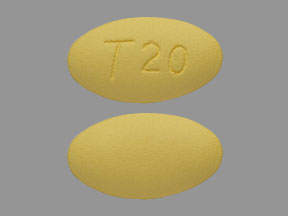
Tadalafil and Alcohol/Food Interactions
There is 1 alcohol/food/lifestyle interaction with tadalafil.
Tadalafil Food
Moderate Food Interaction
Tadalafil can lower blood pressure, and combining it with alcohol may further increase this effect. You may be more likely to experience symptoms such as dizziness, lightheadedness, fainting, flushing, headache, and heart palpitations. You should avoid or limit the use of alcohol to not more than 4 alcohol-containing drinks during a small period of time while being treated with tadalafil, and use caution when getting up from a sitting or lying position. You may also want to avoid drinking large amounts of grapefruit juice, since it may increase the blood levels and effects of tadalafil. It is important to tell your doctor about all other medications you use, including vitamins and herbs. Do not stop using any medications without first talking to your doctor.
Tadalafil drug interactions
There are 307 drug interactions with tadalafil.
Tadalafil disease interactions
There are 9 disease interactions with tadalafil which include:
- cardiovascular disease
- renal dysfunction
- pulmonary disease
- priapism
- alcoholism
- hearing loss
- liver disease
- retinitis pigmentosa
- seizure disorders
Report options

More about tadalafil
- tadalafil consumer information
- Check interactions
- Compare alternatives
- Pricing & coupons
- Reviews (757)
- Drug images
- Side effects
- Dosage information
- Patient tips
- During pregnancy
- Support group
- Drug class: agents for pulmonary hypertension
- Breastfeeding
Related treatment guides
Drug Interaction Classification
| Highly clinically significant. Avoid combinations; the risk of the interaction outweighs the benefit. | |
| Moderately clinically significant. Usually avoid combinations; use it only under special circumstances. | |
| Minimally clinically significant. Minimize risk; assess risk and consider an alternative drug, take steps to circumvent the interaction risk and/or institute a monitoring plan. | |
| No interaction information available. |
Further information
Always consult your healthcare provider to ensure the information displayed on this page applies to your personal circumstances.