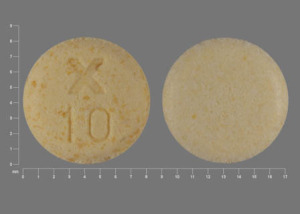
Uroxatral and Alcohol/Food Interactions
There are 2 alcohol/food/lifestyle interactions with Uroxatral (alfuzosin).
Alcohol (Ethanol) Alfuzosin
Moderate Drug Interaction
Ask your doctor before using ethanol together with alfuzosin. Using ethanol with alfuzosin can lower your blood pressure. This can cause dizziness or feeling like you might pass out, especially when getting up from a sitting or lying position. This may be more likely to occur when you first start taking either of these medications. You may need a dose adjustment or need your blood pressure checked more often if you take both medications. You may develop flushing, warmth or redness under your skin or tingly feeling after alcohol intake (especially in you are of Asian descent) and should be advised to avoid alcohol or limit your intake. It is important to tell your doctor about all other medications you use, including vitamins and herbs. Do not stop using any medications without first talking to your doctor.
Alfuzosin Food
Moderate Food Interaction
Food can enhance the levels of alfuzosin in your body. Alfuzosin should be taken just after eating food. This will make it easier for your body to absorb the medication. Take alfuzosin after the same meal each day. Do not take it on an empty stomach.
Uroxatral drug interactions
There are 480 drug interactions with Uroxatral (alfuzosin).
Uroxatral disease interactions
There are 5 disease interactions with Uroxatral (alfuzosin) which include:
Report options

More about Uroxatral (alfuzosin)
- Uroxatral consumer information
- Check interactions
- Compare alternatives
- Pricing & coupons
- Reviews (21)
- Drug images
- Side effects
- Dosage information
- During pregnancy
- Generic availability
- Drug class: alpha blockers
- En español
Related treatment guides
Drug Interaction Classification
| Highly clinically significant. Avoid combinations; the risk of the interaction outweighs the benefit. | |
| Moderately clinically significant. Usually avoid combinations; use it only under special circumstances. | |
| Minimally clinically significant. Minimize risk; assess risk and consider an alternative drug, take steps to circumvent the interaction risk and/or institute a monitoring plan. | |
| No interaction information available. |
Further information
Always consult your healthcare provider to ensure the information displayed on this page applies to your personal circumstances.