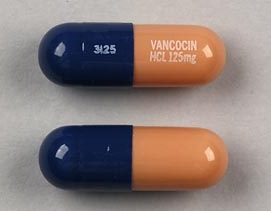
Vancomycin Dosage
Medically reviewed by Drugs.com. Last updated on Aug 4, 2023.
Applies to the following strengths: 500 mg; 500 mg/6 mL; 125 mg; 250 mg; 250 mg/5 mL; 1 g; 10 g; 5%-500 mg/100 mL; 5 g; 1.25 g; 1.5 g; 750 mg; 1.25 g/250 mL-D5%; 1.5 g/300 mL-D5%; 5%-1 g/200 mL; 750 mg/150 mL-NaCl 0.9%; 750 mg/150 mL-D5%; 500 mg/100 mL-NaCl 0.9%; 1 g/200 mL-NaCl 0.9%; 1.25 g/250 mL-NaCl 0.9%; 1.5 g/250 mL-NaCl 0.9%; 2 g/500 mL- NaCl 0.9%; 2 g/250 mL-NaCl 0.9%; 1.25 g/150 mL-NaCl 0.9%; 1.5 g/500 mL-D5%; 1 g/250 mL-D5%; 1 g/150 mL-NaCl 0.9%; 500 mg/5 mL; 1 g/250 mL-NaCl 0.9%; 1.25 g/300 mL-NaCl 0.9%; 1.5 g/300 mL-NaCl 0.9%; 25 mg/mL; 50 mg/mL; 1.5 g/150 mL-NaCl 0.9%; 1.75 g/250 mL-NaCl 0.9%; 1.5 g/250 mL-D5%; 1.5 g/500 mL-NaCl 0.9%; 500 mg/100 mL; 1 g/200 mL; 1.5 g/300 mL; 2 g/400 mL; 750 mg/150 mL; 1.25 g/250 mL; 1.75 g/350 mL; 1.75 g/500 mL-NaCl 0.9%; 750 mg/250 mL-NaCl 0.9%; 100 mg/mL; 1.75 g; 2 g
Usual Adult Dose for:
- Bacterial Infection
- Endocarditis
- Pseudomembranous Colitis
- Enterocolitis
- Pneumonia
- Nosocomial Pneumonia
- Osteomyelitis
- Sepsis
- Skin or Soft Tissue Infection
- Bacteremia
- Meningitis
- CNS Infection
- Febrile Neutropenia
- Intraabdominal Infection
- Peritonitis
- Prevention of Perinatal Group B Streptococcal Disease
- Shunt Infection
- Surgical Prophylaxis
- Head Injury
Usual Pediatric Dose for:
- Bacteremia
- Osteomyelitis
- Bacterial Infection
- Sepsis
- Endocarditis
- Pseudomembranous Colitis
- Enterocolitis
- Skin or Soft Tissue Infection
- Pneumonia
- Intraabdominal Infection
- Peritonitis
- Surgical Prophylaxis
- Meningitis
- CNS Infection
- Shunt Infection
- Head Injury
Additional dosage information:
Usual Adult Dose for Bacterial Infection
500 mg IV every 6 hours OR 1 g IV every 12 hours
Comments:
- This drug should be administered at a rate up to 10 mg/min or over 1 hour, whichever is longer.
- Doses should be determined by patient-specific factors (e.g., obesity, age).
Use: Empirical treatment of serious/severe staphylococcal infections caused by susceptible strains of methicillin-resistant staphylococci in patients who are allergic to penicillin, failed to respond/cannot receive other drugs (e.g., penicillins, cephalosporins), and/or to treat organisms that are resistant to other drugs
Infectious Diseases Society of America (IDSA) Recommendations:
15 mg/kg IV every 12 hours
Comments:
- Treatment plus an aminoglycoside should be used for ampicillin-resistant, vancomycin-sensitive Enterococcus faecalis/Enterococcus faecium.
Uses:
- Preferred treatment for IV catheter-related bloodstream infections caused by methicillin-resistant Staphylococcus aureus (MRSA)/coagulase-negative staphylococci, ampicillin-resistant, vancomycin-sensitive E faecalis/E faecium, Corynebacterium jeikeium (Group JK)
- Alternative treatment for IV catheter-related bloodstream infections caused by methicillin-susceptible Staphylococcus aureus (MSSA)/coagulase-negative staphylococci, ampicillin-susceptible E faecalis/E faecium
American Society of Health-System Pharmacists (ASHP), IDSA, Surgical Infection Society (SIS), and Society for Infectious Diseases Pharmacists (SIDP) Recommendations:
Serious MRSA Infections:
Intermittent infusion: 15 to 20 mg/kg IV per day, given in divided doses every 6 to 8 hours
Critically Ill Patients:
Intermittent infusion:
- Initial dose: 20 to 35 mg/kg IV ONCE
- Maximum dose: 3000 mg/dose
Continuous infusion:
- Loading dose: 15 to 20 mg/kg IV ONCE
- Maintenance dose: 30 to 40 mg/kg via IV infusion
- Maximum dose: 60 mg/kg/day
Comments:
- Doses should be determined by patient-specific factors (e.g., obesity, age, serum creatinine).
- The target steady-state continuous infusion concentration is 20 to 25 mg/L in patients who are critically ill.
Use: Treatment of patients with known/suspected serious MRSA infections
Usual Adult Dose for Endocarditis
500 mg IV every 6 hours OR 1 g IV every 12 hours
Comments:
- This drug should be administered at a rate up to 10 mg/min or over 1 hour, whichever is longer.
- Doses should be determined by patient-specific factors (e.g., obesity, age).
- Successful treatment of diphtheroid endocarditis has been reported.
Uses:
- Empirical treatment of staphylococcal endocarditis caused by susceptible strains of methicillin-resistant staphylococci in patients who are allergic to penicillin, failed to respond/cannot receive other drugs (e.g., penicillins, cephalosporins), and/or to treat organisms that are resistant to other drugs
- Empirical treatment (with an aminoglycoside) of endocarditis caused by enterococci, Streptococcus bovis, or Streptococcus viridans
- Empirical treatment (with an aminoglycoside and/or rifampin) of early-onset prosthetic valve endocarditis caused by Staphylococcus epidermidis or diphtheroids
American Heart Association (AHA) and IDSA Recommendations:
15 to 20 mg/kg per day IV every 8 to 12 hours
- Maximum dose: 2 g/dose
Duration of treatment:
- Native Valve Endocarditis: At least 4 weeks
- Prosthetic Valve Endocarditis: At least 6 weeks
Comments:
- Patients may not require the addition of gentamicin or rifampin.
- Patients with native valve endocarditis caused by oxacillin-resistant staphylococci may require at least 6 weeks of treatment.
Uses:
- Treatment of endocarditis caused by highly penicillin-susceptible and relatively resistant to penicillin viridians group streptococci (VGS) and Streptococcus gallolyticus (bovis) in patients who cannot tolerate penicillin or ceftriaxone
- Treatment of endocarditis involving a prosthetic value/other prosthetic material caused by VGS and S gallolyticus (bovis)
- Alternative treatment of endocarditis caused by oxacillin-resistant staphylococci in patients with immediate-type hypersensitivity to beta-lactam antibiotics
- Treatment of penicillin-resistant endocarditis caused by enterococci in patients unable to tolerate beta-lactam antibiotics
Usual Adult Dose for Pseudomembranous Colitis
Clostridioides (Clostridium) difficile-associated diarrhea: 125 mg orally 4 times a day
- Duration of therapy: 10 days
Enterocolitis: 500 mg to 2 g orally per day, given in divided doses 3 to 4 times a day
- Maximum dose: 2 g/day
- Duration of therapy: 7 to 10 days
Comment: Formulations administered parenterally will not treat colitis.
Uses:
- Treatment of C difficile-associated diarrhea
- Treatment of enterocolitis caused by S aureus (including MRSA)
Society of Healthcare Epidemiology of America (SHEA) and IDSA Recommendations:
Initial treatment of severe C difficile infection (CDI): 125 mg orally 4 times a day
- Duration of therapy: 10 to 14 days
Severe, complicated CDI: 500 mg orally 4 times a day AND 500 mg (in 100 mL normal saline) rectally every 6 hours with/without IV metronidazole
Comments:
- Rectal formulations should be administered as a retention enema.
- The first recurrence of CDI may be treated with the initial treatment regimen; a second recurrence of CDI may be treated with a tapered/pulsed regimen of this drug.
Uses:
- Initial treatment of patients with severe CDI
- Initial treatment of patients with complicated, severe CDI
Usual Adult Dose for Enterocolitis
Clostridioides (Clostridium) difficile-associated diarrhea: 125 mg orally 4 times a day
- Duration of therapy: 10 days
Enterocolitis: 500 mg to 2 g orally per day, given in divided doses 3 to 4 times a day
- Maximum dose: 2 g/day
- Duration of therapy: 7 to 10 days
Comment: Formulations administered parenterally will not treat colitis.
Uses:
- Treatment of C difficile-associated diarrhea
- Treatment of enterocolitis caused by S aureus (including MRSA)
Society of Healthcare Epidemiology of America (SHEA) and IDSA Recommendations:
Initial treatment of severe C difficile infection (CDI): 125 mg orally 4 times a day
- Duration of therapy: 10 to 14 days
Severe, complicated CDI: 500 mg orally 4 times a day AND 500 mg (in 100 mL normal saline) rectally every 6 hours with/without IV metronidazole
Comments:
- Rectal formulations should be administered as a retention enema.
- The first recurrence of CDI may be treated with the initial treatment regimen; a second recurrence of CDI may be treated with a tapered/pulsed regimen of this drug.
Uses:
- Initial treatment of patients with severe CDI
- Initial treatment of patients with complicated, severe CDI
Usual Adult Dose for Pneumonia
500 mg IV every 6 hours OR 1 g IV every 12 hours
Comments:
- This drug should be administered at a rate up to 10 mg/min or over 1 hour, whichever is longer.
- Doses should be determined by patient-specific factors (e.g., obesity, age).
Use: Empirical treatment of lower respiratory tract infections caused by susceptible strains of methicillin-resistant staphylococci in patients who are allergic to penicillin, failed to respond/cannot receive other drugs (e.g., penicillins, cephalosporins), and/or to treat organisms that are resistant to other drugs
IDSA Recommendations:
15 mg/kg IV every 8 to 12 hours
- Some experts recommend a loading dose of 25 to 30 mg/kg IV ONCE (severe illness)
Uses:
- Empiric treatment of clinically suspected ventilator-associated pneumonia where MRSA coverage is appropriate
- Add-on empiric treatment of hospital-acquired pneumonia in patients not at high risk of mortality but with MRSA risk factors
- Add-on empiric treatment of hospital-acquired pneumonia in patients at high risk of mortality or with receipt of IV antibiotics within the previous 90 days
Usual Adult Dose for Nosocomial Pneumonia
500 mg IV every 6 hours OR 1 g IV every 12 hours
Comments:
- This drug should be administered at a rate up to 10 mg/min or over 1 hour, whichever is longer.
- Doses should be determined by patient-specific factors (e.g., obesity, age).
Use: Empirical treatment of lower respiratory tract infections caused by susceptible strains of methicillin-resistant staphylococci in patients who are allergic to penicillin, failed to respond/cannot receive other drugs (e.g., penicillins, cephalosporins), and/or to treat organisms that are resistant to other drugs
IDSA Recommendations:
15 mg/kg IV every 8 to 12 hours
- Some experts recommend a loading dose of 25 to 30 mg/kg IV ONCE (severe illness)
Uses:
- Empiric treatment of clinically suspected ventilator-associated pneumonia where MRSA coverage is appropriate
- Add-on empiric treatment of hospital-acquired pneumonia in patients not at high risk of mortality but with MRSA risk factors
- Add-on empiric treatment of hospital-acquired pneumonia in patients at high risk of mortality or with receipt of IV antibiotics within the previous 90 days
Usual Adult Dose for Osteomyelitis
500 mg IV every 6 hours OR 1 g IV every 12 hours
Comments:
- This drug should be administered at a rate up to 10 mg/min or over 1 hour, whichever is longer.
- Doses should be determined by patient-specific factors (e.g., obesity, age).
Use: Empirical treatment of bone infections caused by susceptible strains of methicillin-resistant staphylococci in patients who are allergic to penicillin, failed to respond/cannot receive other drugs (e.g., penicillins, cephalosporins), and/or to treat organisms that are resistant to other drugs
IDSA Recommendations:
15 to 20 mg/kg IV every 12 hours
- Duration of therapy: 4 to 6 weeks
Uses:
- First choice treatment for native vertebral osteomyelitis caused by oxacillin-resistant staphylococci, penicillin-resistant Enterococcus species
- Alternative treatment for native vertebral osteomyelitis caused by oxacillin-susceptible staphylococci
- Alternative treatment for native vertebral osteomyelitis caused by penicillin-susceptible Enterococcus species, Enterobacteriaceae, beta-hemolytic streptococci, or Propionibacterium acnes in patients allergic to penicillin
Usual Adult Dose for Sepsis
500 mg IV every 6 hours OR 1 g IV every 12 hours
Comments:
- This drug should be administered at a rate up to 10 mg/min or over 1 hour, whichever is longer.
- Doses should be determined by patient-specific factors (e.g., obesity, age).
Use: Empirical treatment of septicemia caused by susceptible strains of methicillin-resistant staphylococci in patients who are allergic to penicillin, failed to respond/cannot receive other drugs (e.g., penicillins, cephalosporins), and/or to treat organisms that are resistant to other drugs
Usual Adult Dose for Skin or Soft Tissue Infection
500 mg IV every 6 hours OR 1 g IV every 12 hours
Comments:
- This drug should be administered at a rate up to 10 mg/min or over 1 hour, whichever is longer.
- Doses should be determined by patient-specific factors (e.g., obesity, age).
Use: Empirical treatment of skin and skin structure infections caused by susceptible strains of methicillin-resistant staphylococci in patients who are allergic to penicillin, failed to respond/cannot receive other drugs (e.g., penicillins, cephalosporins), and/or to treat organisms that are resistant to other drugs
IDSA Recommendations:
15 mg/kg IV every 6 to 12 hours
Comment: Multidrug resistant organisms may require daily doses up to 60 mg/kg.
Uses:
- First-line treatment of treatment of skin and soft tissue infections (SSTIs) caused by MRSA in patients who require parenteral treatment
- Alternative treatment of SSTIs in patients with penicillin allergies
- Treatment of incisional surgical site infections of the lower trunk or extremity away from the axilla/perineum
- First-line treatment of necrotizing infections of the skin, fascia, and muscle caused by mixed infections
Usual Adult Dose for Bacteremia
IDSA Recommendations:
15 to 20 mg/kg IV every 8 to 12 hours
- Duration of treatment: Up to 6 weeks, depending on the severity of infection
Use: Treatment of bacteremia
Usual Adult Dose for Meningitis
IDSA, American Academy of Neurology (AAN), American Association of Neurological Surgeons (AANS), and Neurocritical Care Society (NCS) Recommendations:
30 to 60 mg/kg IV per day, given in divided doses every 8 to 12 hours
- Some experts recommend: 15 mg/kg IV once, followed by 60 mg/kg per day continuous infusion
- Maximum dose: 2 g/dose
- Duration of treatment: At least 2 weeks
Comment: Surgical evaluation is recommended for patients with septic thromboses, empyema, and/or abscesses.
Uses:
- Treatment of patients with healthcare-associated ventriculitis and meningitis caused by methicillin-resistant staphylococci
- In combination with a third-generation cephalosporin, treatment of patients with healthcare-associated ventriculitis and meningitis caused by Streptococcus pneumoniae
- Alternative treatment of patients with healthcare-associated ventriculitis and meningitis caused by methicillin-sensitive staphylococci or P acnes
- Treatment of patients with brain abscess, subdural empyema, and/or spinal epidural abscess
- Treatment of patients with septic thrombosis of cavernous/dural venous sinus
Usual Adult Dose for CNS Infection
IDSA, American Academy of Neurology (AAN), American Association of Neurological Surgeons (AANS), and Neurocritical Care Society (NCS) Recommendations:
30 to 60 mg/kg IV per day, given in divided doses every 8 to 12 hours
- Some experts recommend: 15 mg/kg IV once, followed by 60 mg/kg per day continuous infusion
- Maximum dose: 2 g/dose
- Duration of treatment: At least 2 weeks
Comment: Surgical evaluation is recommended for patients with septic thromboses, empyema, and/or abscesses.
Uses:
- Treatment of patients with healthcare-associated ventriculitis and meningitis caused by methicillin-resistant staphylococci
- In combination with a third-generation cephalosporin, treatment of patients with healthcare-associated ventriculitis and meningitis caused by Streptococcus pneumoniae
- Alternative treatment of patients with healthcare-associated ventriculitis and meningitis caused by methicillin-sensitive staphylococci or P acnes
- Treatment of patients with brain abscess, subdural empyema, and/or spinal epidural abscess
- Treatment of patients with septic thrombosis of cavernous/dural venous sinus
Usual Adult Dose for Febrile Neutropenia
National Comprehensive Cancer Network (NCCN) Recommendations:
15 mg/kg IV every 12 hours
Comments:
- This drug should not be used as routine therapy for febrile neutropenia.
- Empiric therapy should be reassessed within 2 to 3 days of initiation. If gram-positive organisms are not found, discontinuation of treatment should be considered.
- Patients with resolved fever and neutrophil counts of at least 500 cells/mcL may discontinue therapy.
Use: Empiric prophylaxis in patients at high-risk for febrile neutropenia caused by serious gram-positive infections
Usual Adult Dose for Intraabdominal Infection
SIS and IDSA Recommendations:
15 to 20 mg/kg IV every 8 to 12 hours
Comment: Initial doses should be determined by total body weight.
Uses:
- Empiric treatment of complicated intra-abdominal infections
- Treatment of peritonitis caused by enterococci species or MRSA
International Society for Peritoneal Dialysis (ISPD) Recommendations:
Intermittent: 15 to 30 mg/kg intraperitoneally every 5 to 7 days
Duration of therapy:
- Enterococcal peritonitis: 3 weeks
- Culture-negative peritonitis: 2 weeks
Use: Treatment of bacterial peritonitis
Usual Adult Dose for Peritonitis
SIS and IDSA Recommendations:
15 to 20 mg/kg IV every 8 to 12 hours
Comment: Initial doses should be determined by total body weight.
Uses:
- Empiric treatment of complicated intra-abdominal infections
- Treatment of peritonitis caused by enterococci species or MRSA
International Society for Peritoneal Dialysis (ISPD) Recommendations:
Intermittent: 15 to 30 mg/kg intraperitoneally every 5 to 7 days
Duration of therapy:
- Enterococcal peritonitis: 3 weeks
- Culture-negative peritonitis: 2 weeks
Use: Treatment of bacterial peritonitis
Usual Adult Dose for Prevention of Perinatal Group B Streptococcal Disease
US Centers for Disease Control and Prevention (US CDC) Recommendations:
1 g IV every 12 hours until delivery
Use: Prevention of early-onset Group B streptococcal disease in patients with penicillin hypersensitivity and susceptibility is unknown/not possible or the isolates are resistant to erythromycin or clindamycin
Usual Adult Dose for Shunt Infection
IDSA, AAN, AANS, and NCS Recommendations:
Patients with slit ventricles: 5 mg via intraventricular route (plus gentamicin)
Patients with normal-sized ventricles: 10 mg via intraventricular route (plus gentamicin)
Patients with enlarged ventricles: 15 to 20 mg via intraventricular route (plus gentamicin)
Frequency of dosing:
- External drain output less than 50 mL/day: Every 3 days
- External drain output 50 to 100 mL/day: Every 2 days
- External drain output 100 to 150 mL/day: Once a day
- External drain output 150 to 200 mL/day: Increase the dose by 5 mg (plus gentamicin) and give once a day
- External drain output 200 to 250 mL/day: Increase the dose by 10 mg (plus gentamicin) and give once a day
Use: Treatment of healthcare-associated ventriculitis and meningitis in patients who respond poorly to systemic antibiotics
Usual Adult Dose for Surgical Prophylaxis
ASHP, IDSA, SHEA, and SIS Recommendations:
15 mg/kg IV once, within 120 minutes before surgery
Uses:
Alternative agent for surgical prophylaxis in patients who have a beta-lactam allergy and are undergoing:
- Cardiac procedures (e.g., coronary artery bypass, cardiac device insertion, ventricular assist devices)
- Neurosurgery (e.g., elective craniotomy and cerebrospinal fluid-shunting procedures, implantation of intrathecal pumps)
- Thoracic procedures (e.g., lobectomy, pneumonectomy, lung resection, thoracotomy, or video-assisted thorascopic surgery)
- Some orthopedic procedures (e.g., spinal procedures without instrumentation, hip fracture repair)
- Some urologic procedures (e.g., clean surgery without entry into urinary tract)
- Heart, lung, and heart-lung transplantation procedures (e.g., heart transplantation, lung and heart-lung transplantation)
- Clean-contaminated or clean plastic surgery procedures with risk factors
Alternative agent (in combination with an aminoglycoside, aztreonam, or fluoroquinolone) for surgical prophylaxis in patients who have a beta-lactam allergy and are undergoing:
- Gastroduodenal procedures (e.g., procedures involving entry in to the lumen of the gastrointestinal tract or procedures not entering the GI tract in high-risk patients)
- Some urologic procedures (e.g., clean surgery involving implanted prosthesis)
Usual Adult Dose for Head Injury
Armed Forces Infectious Disease Society (AFIDS), SIS, and IDSA Recommendations:
1 g IV every 12 hours plus ciprofloxacin
- Duration of therapy: 5 days OR until cerebrospinal fluid leak is closed, whichever is longer
Use: Antimicrobial prophylaxis for patients with penicillin allergies who have a penetrating brain or spinal cord injury
Usual Pediatric Dose for Bacteremia
Neonates (Up to 1 month):
Initial dose: 15 mg/kg IV ONCE
Maintenance dose:
- First week of life: 10 mg/kg IV every 12 hours
- After first week of life: 10 mg/kg IV every 8 hours
Pediatric patients (1 month and older): 10 mg/kg IV every 6 hours
Comments:
- This drug should be infused over 1 hour.
- Premature infants may require longer dosing intervals.
- Doses should be determined by patient-specific factors (e.g., obesity, age).
Uses:
- Empirical treatment of serious/severe staphylococcal infections caused by susceptible strains of methicillin-resistant staphylococci in patients who are allergic to penicillin, failed to respond/cannot receive other drugs (e.g., penicillins, cephalosporins), and/or to treat organisms that are resistant to other drugs
- Empirical treatment of septicemia caused by susceptible strains of methicillin-resistant staphylococci in patients who are allergic to penicillin, failed to respond/cannot receive other drugs (e.g., penicillins, cephalosporins), and/or to treat organisms that are resistant to other drugs
- Empirical treatment of bone infections caused by susceptible strains of methicillin-resistant staphylococci in patients who are allergic to penicillin, failed to respond/cannot receive other drugs (e.g., penicillins, cephalosporins), and/or to treat organisms that are resistant to other drugs
American Academy of Pediatrics (AAP) Recommendations:
Empiric treatment:
Life-threatening infections: 15 mg/kg IV every 6 hours PLUS nafcillin OR oxacillin
Non-life-threatening infections without signs of sepsis: 15 mg/kg IV every 6 to 8 hours
Bacterial Infection:
Neonates (Up to 28 postnatal days):
Loading dose: 20 mg/kg IV ONCE
Gestational age 28 weeks or less:
- Serum creatinine less than 0.5 mg/dL: 15 mg/kg IV every 12 hours
- Serum creatinine 0.5 to 0.7 mg/dL: 20 mg/kg IV every 24 hours
- Serum creatinine 0.8 to 1 mg/dL: 15 mg/kg IV every 24 hours
- Serum creatinine 1.1 to 1.4 mg/dL: 10 mg/kg IV every 24 hours
- Serum creatinine greater than 1.4 mg/dL: 15 mg/kg IV every 48 hours
Gestational age greater than 28 weeks:
- Serum creatinine less than 0.7 mg/dL: 15 mg/kg IV every 12 hours
- Serum creatinine 0.7 to 0.9 mg/dL: 20 mg/kg IV every 24 hours
- Serum creatinine 1 to 1.2 mg/dL: 15 mg/kg IV every 24 hours
- Serum creatinine 1.3 to 1.6 mg/dL: 10 mg/kg IV every 24 hours
- Serum creatinine greater than 1.6 mg/dL: 15 mg/kg IV every 48 hours
Pediatric patients 28 days and older: 45 to 60 mg/kg IV per day, given in 3 to 4 divided doses
Invasive MRSA infections:
- Infants and children: 60 to 70 mg/kg/day, given in divided doses via IV 4 times a day
Nonmeningeal pneumococcal infections:
- Infants and Children: 40 to 45 mg/kg IV per day, given in divided doses every 6 to 8 hours
Comment: Serum concentrations should be used to guide ongoing treatment.
Uses:
- Drug of choice for the treatment of life-threatening infections (e.g., septicemia, central nervous system [CNS] infections)
- Drug of choice for the treatment of non-life-threatening infection without signs/symptoms of sepsis (e.g., skin infection, cellulitis, osteomyelitis, pyarthrosis) when rates of MRSA colonization and infection in the community are substantial.
- Alternative treatment of MSSA in patients with serious penicillin and cephalosporin allergy
- Drug of choice (with gentamicin) for the treatment of healthcare-associated, multi-drug resistant MRSA infections and oxacillin minimum inhibitory concentrations (MICs) of 4 mcg/mL or greater
- Drug of choice (with gentamicin) for the treatment of community-associated, not multi-drug resistant MRSA infections and oxacillin MICs of 4 mcg/mL or greater
- Alternative drug for the treatment of community-associated, not multi-drug resistant MRSA infections and oxacillin MICs of 4 mcg/mL or greater
- Alternative drug (with linezolid with/without gentamicin) for the treatment of vancomycin-intermediately susceptible Staphylococcus aureus (VISA) infections with MICs of 4 to 16 mcg/mL
- Alternative drug (with sulfamethoxazole-trimethoprim) for the treatment of VISA infections with MICs of 4 to 16 mcg/mL
- Treatment of invasive pneumococcal infections
IDSA Recommendations:
Bacteremia:
15 mg/kg IV every 6 hours
- Duration of therapy: 2 to 6 weeks, depending on the severity of infection
Bacterial Infection:
7 days or less and less than 1200 g: 15 mg/kg IV every 24 hours
7 days or less than 1200 to 2000 g: 10 to 15 mg/kg IV every 12 to 18 hours
7 days or less than greater than 2000 g: 10 to 15 mg/kg IV every 8 to 12 hours
8 to 30 days and less than 1200 g: 15 mg/kg IV every 24 hours
8 to 30 days and 1200 to 2000 g: 10 to 15 mg/kg IV every 8 to 12 hours
8 to 30 days and greater than 2000 g: 15 to 20 mg/kg IV every 8 hours
1 month to 18 years: 10 to 13.33 mg/kg IV every 6 to 8 hours
- Maximum dose: 40 mg/kg/day
Uses:
- Preferred treatment for IV catheter-related bloodstream infections caused by MRSA/coagulase-negative staphylococci, ampicillin-resistant, vancomycin-sensitive E faecalis/E faecium, C jeikeium (Group JK)
- Alternative treatment for IV catheter-related bloodstream infections caused by MSSA/coagulase-negative staphylococci, ampicillin susceptible E faecalis/E faecium
- Treatment of bacteremia
ASHP, IDSA, SIS, and SIDP Recommendations:
Serious MRSA Infections:
Neonates and children up to 3 months:
- Initial dose: 10 to 20 mg/kg (total body weight) IV every 8 to 48 hours
3 months and older:
- Initial dose: 60 to 80 mg/kg IV per day, given in divided doses every 6 to 8 hours
- Maximum dose: 3600 mg/day
Comments:
- Doses should be determined by patient-specific factors (e.g., obesity, age, serum creatinine).
- Most patients over 3 months of age do not require doses exceeding 3000 mg/day.
Usual Pediatric Dose for Osteomyelitis
Neonates (Up to 1 month):
Initial dose: 15 mg/kg IV ONCE
Maintenance dose:
- First week of life: 10 mg/kg IV every 12 hours
- After first week of life: 10 mg/kg IV every 8 hours
Pediatric patients (1 month and older): 10 mg/kg IV every 6 hours
Comments:
- This drug should be infused over 1 hour.
- Premature infants may require longer dosing intervals.
- Doses should be determined by patient-specific factors (e.g., obesity, age).
Uses:
- Empirical treatment of serious/severe staphylococcal infections caused by susceptible strains of methicillin-resistant staphylococci in patients who are allergic to penicillin, failed to respond/cannot receive other drugs (e.g., penicillins, cephalosporins), and/or to treat organisms that are resistant to other drugs
- Empirical treatment of septicemia caused by susceptible strains of methicillin-resistant staphylococci in patients who are allergic to penicillin, failed to respond/cannot receive other drugs (e.g., penicillins, cephalosporins), and/or to treat organisms that are resistant to other drugs
- Empirical treatment of bone infections caused by susceptible strains of methicillin-resistant staphylococci in patients who are allergic to penicillin, failed to respond/cannot receive other drugs (e.g., penicillins, cephalosporins), and/or to treat organisms that are resistant to other drugs
American Academy of Pediatrics (AAP) Recommendations:
Empiric treatment:
Life-threatening infections: 15 mg/kg IV every 6 hours PLUS nafcillin OR oxacillin
Non-life-threatening infections without signs of sepsis: 15 mg/kg IV every 6 to 8 hours
Bacterial Infection:
Neonates (Up to 28 postnatal days):
Loading dose: 20 mg/kg IV ONCE
Gestational age 28 weeks or less:
- Serum creatinine less than 0.5 mg/dL: 15 mg/kg IV every 12 hours
- Serum creatinine 0.5 to 0.7 mg/dL: 20 mg/kg IV every 24 hours
- Serum creatinine 0.8 to 1 mg/dL: 15 mg/kg IV every 24 hours
- Serum creatinine 1.1 to 1.4 mg/dL: 10 mg/kg IV every 24 hours
- Serum creatinine greater than 1.4 mg/dL: 15 mg/kg IV every 48 hours
Gestational age greater than 28 weeks:
- Serum creatinine less than 0.7 mg/dL: 15 mg/kg IV every 12 hours
- Serum creatinine 0.7 to 0.9 mg/dL: 20 mg/kg IV every 24 hours
- Serum creatinine 1 to 1.2 mg/dL: 15 mg/kg IV every 24 hours
- Serum creatinine 1.3 to 1.6 mg/dL: 10 mg/kg IV every 24 hours
- Serum creatinine greater than 1.6 mg/dL: 15 mg/kg IV every 48 hours
Pediatric patients 28 days and older: 45 to 60 mg/kg IV per day, given in 3 to 4 divided doses
Invasive MRSA infections:
- Infants and children: 60 to 70 mg/kg/day, given in divided doses via IV 4 times a day
Nonmeningeal pneumococcal infections:
- Infants and Children: 40 to 45 mg/kg IV per day, given in divided doses every 6 to 8 hours
Comment: Serum concentrations should be used to guide ongoing treatment.
Uses:
- Drug of choice for the treatment of life-threatening infections (e.g., septicemia, central nervous system [CNS] infections)
- Drug of choice for the treatment of non-life-threatening infection without signs/symptoms of sepsis (e.g., skin infection, cellulitis, osteomyelitis, pyarthrosis) when rates of MRSA colonization and infection in the community are substantial.
- Alternative treatment of MSSA in patients with serious penicillin and cephalosporin allergy
- Drug of choice (with gentamicin) for the treatment of healthcare-associated, multi-drug resistant MRSA infections and oxacillin minimum inhibitory concentrations (MICs) of 4 mcg/mL or greater
- Drug of choice (with gentamicin) for the treatment of community-associated, not multi-drug resistant MRSA infections and oxacillin MICs of 4 mcg/mL or greater
- Alternative drug for the treatment of community-associated, not multi-drug resistant MRSA infections and oxacillin MICs of 4 mcg/mL or greater
- Alternative drug (with linezolid with/without gentamicin) for the treatment of vancomycin-intermediately susceptible Staphylococcus aureus (VISA) infections with MICs of 4 to 16 mcg/mL
- Alternative drug (with sulfamethoxazole-trimethoprim) for the treatment of VISA infections with MICs of 4 to 16 mcg/mL
- Treatment of invasive pneumococcal infections
IDSA Recommendations:
Bacteremia:
15 mg/kg IV every 6 hours
- Duration of therapy: 2 to 6 weeks, depending on the severity of infection
Bacterial Infection:
7 days or less and less than 1200 g: 15 mg/kg IV every 24 hours
7 days or less than 1200 to 2000 g: 10 to 15 mg/kg IV every 12 to 18 hours
7 days or less than greater than 2000 g: 10 to 15 mg/kg IV every 8 to 12 hours
8 to 30 days and less than 1200 g: 15 mg/kg IV every 24 hours
8 to 30 days and 1200 to 2000 g: 10 to 15 mg/kg IV every 8 to 12 hours
8 to 30 days and greater than 2000 g: 15 to 20 mg/kg IV every 8 hours
1 month to 18 years: 10 to 13.33 mg/kg IV every 6 to 8 hours
- Maximum dose: 40 mg/kg/day
Uses:
- Preferred treatment for IV catheter-related bloodstream infections caused by MRSA/coagulase-negative staphylococci, ampicillin-resistant, vancomycin-sensitive E faecalis/E faecium, C jeikeium (Group JK)
- Alternative treatment for IV catheter-related bloodstream infections caused by MSSA/coagulase-negative staphylococci, ampicillin susceptible E faecalis/E faecium
- Treatment of bacteremia
ASHP, IDSA, SIS, and SIDP Recommendations:
Serious MRSA Infections:
Neonates and children up to 3 months:
- Initial dose: 10 to 20 mg/kg (total body weight) IV every 8 to 48 hours
3 months and older:
- Initial dose: 60 to 80 mg/kg IV per day, given in divided doses every 6 to 8 hours
- Maximum dose: 3600 mg/day
Comments:
- Doses should be determined by patient-specific factors (e.g., obesity, age, serum creatinine).
- Most patients over 3 months of age do not require doses exceeding 3000 mg/day.
Usual Pediatric Dose for Bacterial Infection
Neonates (Up to 1 month):
Initial dose: 15 mg/kg IV ONCE
Maintenance dose:
- First week of life: 10 mg/kg IV every 12 hours
- After first week of life: 10 mg/kg IV every 8 hours
Pediatric patients (1 month and older): 10 mg/kg IV every 6 hours
Comments:
- This drug should be infused over 1 hour.
- Premature infants may require longer dosing intervals.
- Doses should be determined by patient-specific factors (e.g., obesity, age).
Uses:
- Empirical treatment of serious/severe staphylococcal infections caused by susceptible strains of methicillin-resistant staphylococci in patients who are allergic to penicillin, failed to respond/cannot receive other drugs (e.g., penicillins, cephalosporins), and/or to treat organisms that are resistant to other drugs
- Empirical treatment of septicemia caused by susceptible strains of methicillin-resistant staphylococci in patients who are allergic to penicillin, failed to respond/cannot receive other drugs (e.g., penicillins, cephalosporins), and/or to treat organisms that are resistant to other drugs
- Empirical treatment of bone infections caused by susceptible strains of methicillin-resistant staphylococci in patients who are allergic to penicillin, failed to respond/cannot receive other drugs (e.g., penicillins, cephalosporins), and/or to treat organisms that are resistant to other drugs
American Academy of Pediatrics (AAP) Recommendations:
Empiric treatment:
Life-threatening infections: 15 mg/kg IV every 6 hours PLUS nafcillin OR oxacillin
Non-life-threatening infections without signs of sepsis: 15 mg/kg IV every 6 to 8 hours
Bacterial Infection:
Neonates (Up to 28 postnatal days):
Loading dose: 20 mg/kg IV ONCE
Gestational age 28 weeks or less:
- Serum creatinine less than 0.5 mg/dL: 15 mg/kg IV every 12 hours
- Serum creatinine 0.5 to 0.7 mg/dL: 20 mg/kg IV every 24 hours
- Serum creatinine 0.8 to 1 mg/dL: 15 mg/kg IV every 24 hours
- Serum creatinine 1.1 to 1.4 mg/dL: 10 mg/kg IV every 24 hours
- Serum creatinine greater than 1.4 mg/dL: 15 mg/kg IV every 48 hours
Gestational age greater than 28 weeks:
- Serum creatinine less than 0.7 mg/dL: 15 mg/kg IV every 12 hours
- Serum creatinine 0.7 to 0.9 mg/dL: 20 mg/kg IV every 24 hours
- Serum creatinine 1 to 1.2 mg/dL: 15 mg/kg IV every 24 hours
- Serum creatinine 1.3 to 1.6 mg/dL: 10 mg/kg IV every 24 hours
- Serum creatinine greater than 1.6 mg/dL: 15 mg/kg IV every 48 hours
Pediatric patients 28 days and older: 45 to 60 mg/kg IV per day, given in 3 to 4 divided doses
Invasive MRSA infections:
- Infants and children: 60 to 70 mg/kg/day, given in divided doses via IV 4 times a day
Nonmeningeal pneumococcal infections:
- Infants and Children: 40 to 45 mg/kg IV per day, given in divided doses every 6 to 8 hours
Comment: Serum concentrations should be used to guide ongoing treatment.
Uses:
- Drug of choice for the treatment of life-threatening infections (e.g., septicemia, central nervous system [CNS] infections)
- Drug of choice for the treatment of non-life-threatening infection without signs/symptoms of sepsis (e.g., skin infection, cellulitis, osteomyelitis, pyarthrosis) when rates of MRSA colonization and infection in the community are substantial.
- Alternative treatment of MSSA in patients with serious penicillin and cephalosporin allergy
- Drug of choice (with gentamicin) for the treatment of healthcare-associated, multi-drug resistant MRSA infections and oxacillin minimum inhibitory concentrations (MICs) of 4 mcg/mL or greater
- Drug of choice (with gentamicin) for the treatment of community-associated, not multi-drug resistant MRSA infections and oxacillin MICs of 4 mcg/mL or greater
- Alternative drug for the treatment of community-associated, not multi-drug resistant MRSA infections and oxacillin MICs of 4 mcg/mL or greater
- Alternative drug (with linezolid with/without gentamicin) for the treatment of vancomycin-intermediately susceptible Staphylococcus aureus (VISA) infections with MICs of 4 to 16 mcg/mL
- Alternative drug (with sulfamethoxazole-trimethoprim) for the treatment of VISA infections with MICs of 4 to 16 mcg/mL
- Treatment of invasive pneumococcal infections
IDSA Recommendations:
Bacteremia:
15 mg/kg IV every 6 hours
- Duration of therapy: 2 to 6 weeks, depending on the severity of infection
Bacterial Infection:
7 days or less and less than 1200 g: 15 mg/kg IV every 24 hours
7 days or less than 1200 to 2000 g: 10 to 15 mg/kg IV every 12 to 18 hours
7 days or less than greater than 2000 g: 10 to 15 mg/kg IV every 8 to 12 hours
8 to 30 days and less than 1200 g: 15 mg/kg IV every 24 hours
8 to 30 days and 1200 to 2000 g: 10 to 15 mg/kg IV every 8 to 12 hours
8 to 30 days and greater than 2000 g: 15 to 20 mg/kg IV every 8 hours
1 month to 18 years: 10 to 13.33 mg/kg IV every 6 to 8 hours
- Maximum dose: 40 mg/kg/day
Uses:
- Preferred treatment for IV catheter-related bloodstream infections caused by MRSA/coagulase-negative staphylococci, ampicillin-resistant, vancomycin-sensitive E faecalis/E faecium, C jeikeium (Group JK)
- Alternative treatment for IV catheter-related bloodstream infections caused by MSSA/coagulase-negative staphylococci, ampicillin susceptible E faecalis/E faecium
- Treatment of bacteremia
ASHP, IDSA, SIS, and SIDP Recommendations:
Serious MRSA Infections:
Neonates and children up to 3 months:
- Initial dose: 10 to 20 mg/kg (total body weight) IV every 8 to 48 hours
3 months and older:
- Initial dose: 60 to 80 mg/kg IV per day, given in divided doses every 6 to 8 hours
- Maximum dose: 3600 mg/day
Comments:
- Doses should be determined by patient-specific factors (e.g., obesity, age, serum creatinine).
- Most patients over 3 months of age do not require doses exceeding 3000 mg/day.
Usual Pediatric Dose for Sepsis
Neonates (Up to 1 month):
Initial dose: 15 mg/kg IV ONCE
Maintenance dose:
- First week of life: 10 mg/kg IV every 12 hours
- After first week of life: 10 mg/kg IV every 8 hours
Pediatric patients (1 month and older): 10 mg/kg IV every 6 hours
Comments:
- This drug should be infused over 1 hour.
- Premature infants may require longer dosing intervals.
- Doses should be determined by patient-specific factors (e.g., obesity, age).
Uses:
- Empirical treatment of serious/severe staphylococcal infections caused by susceptible strains of methicillin-resistant staphylococci in patients who are allergic to penicillin, failed to respond/cannot receive other drugs (e.g., penicillins, cephalosporins), and/or to treat organisms that are resistant to other drugs
- Empirical treatment of septicemia caused by susceptible strains of methicillin-resistant staphylococci in patients who are allergic to penicillin, failed to respond/cannot receive other drugs (e.g., penicillins, cephalosporins), and/or to treat organisms that are resistant to other drugs
- Empirical treatment of bone infections caused by susceptible strains of methicillin-resistant staphylococci in patients who are allergic to penicillin, failed to respond/cannot receive other drugs (e.g., penicillins, cephalosporins), and/or to treat organisms that are resistant to other drugs
American Academy of Pediatrics (AAP) Recommendations:
Empiric treatment:
Life-threatening infections: 15 mg/kg IV every 6 hours PLUS nafcillin OR oxacillin
Non-life-threatening infections without signs of sepsis: 15 mg/kg IV every 6 to 8 hours
Bacterial Infection:
Neonates (Up to 28 postnatal days):
Loading dose: 20 mg/kg IV ONCE
Gestational age 28 weeks or less:
- Serum creatinine less than 0.5 mg/dL: 15 mg/kg IV every 12 hours
- Serum creatinine 0.5 to 0.7 mg/dL: 20 mg/kg IV every 24 hours
- Serum creatinine 0.8 to 1 mg/dL: 15 mg/kg IV every 24 hours
- Serum creatinine 1.1 to 1.4 mg/dL: 10 mg/kg IV every 24 hours
- Serum creatinine greater than 1.4 mg/dL: 15 mg/kg IV every 48 hours
Gestational age greater than 28 weeks:
- Serum creatinine less than 0.7 mg/dL: 15 mg/kg IV every 12 hours
- Serum creatinine 0.7 to 0.9 mg/dL: 20 mg/kg IV every 24 hours
- Serum creatinine 1 to 1.2 mg/dL: 15 mg/kg IV every 24 hours
- Serum creatinine 1.3 to 1.6 mg/dL: 10 mg/kg IV every 24 hours
- Serum creatinine greater than 1.6 mg/dL: 15 mg/kg IV every 48 hours
Pediatric patients 28 days and older: 45 to 60 mg/kg IV per day, given in 3 to 4 divided doses
Invasive MRSA infections:
- Infants and children: 60 to 70 mg/kg/day, given in divided doses via IV 4 times a day
Nonmeningeal pneumococcal infections:
- Infants and Children: 40 to 45 mg/kg IV per day, given in divided doses every 6 to 8 hours
Comment: Serum concentrations should be used to guide ongoing treatment.
Uses:
- Drug of choice for the treatment of life-threatening infections (e.g., septicemia, central nervous system [CNS] infections)
- Drug of choice for the treatment of non-life-threatening infection without signs/symptoms of sepsis (e.g., skin infection, cellulitis, osteomyelitis, pyarthrosis) when rates of MRSA colonization and infection in the community are substantial.
- Alternative treatment of MSSA in patients with serious penicillin and cephalosporin allergy
- Drug of choice (with gentamicin) for the treatment of healthcare-associated, multi-drug resistant MRSA infections and oxacillin minimum inhibitory concentrations (MICs) of 4 mcg/mL or greater
- Drug of choice (with gentamicin) for the treatment of community-associated, not multi-drug resistant MRSA infections and oxacillin MICs of 4 mcg/mL or greater
- Alternative drug for the treatment of community-associated, not multi-drug resistant MRSA infections and oxacillin MICs of 4 mcg/mL or greater
- Alternative drug (with linezolid with/without gentamicin) for the treatment of vancomycin-intermediately susceptible Staphylococcus aureus (VISA) infections with MICs of 4 to 16 mcg/mL
- Alternative drug (with sulfamethoxazole-trimethoprim) for the treatment of VISA infections with MICs of 4 to 16 mcg/mL
- Treatment of invasive pneumococcal infections
IDSA Recommendations:
Bacteremia:
15 mg/kg IV every 6 hours
- Duration of therapy: 2 to 6 weeks, depending on the severity of infection
Bacterial Infection:
7 days or less and less than 1200 g: 15 mg/kg IV every 24 hours
7 days or less than 1200 to 2000 g: 10 to 15 mg/kg IV every 12 to 18 hours
7 days or less than greater than 2000 g: 10 to 15 mg/kg IV every 8 to 12 hours
8 to 30 days and less than 1200 g: 15 mg/kg IV every 24 hours
8 to 30 days and 1200 to 2000 g: 10 to 15 mg/kg IV every 8 to 12 hours
8 to 30 days and greater than 2000 g: 15 to 20 mg/kg IV every 8 hours
1 month to 18 years: 10 to 13.33 mg/kg IV every 6 to 8 hours
- Maximum dose: 40 mg/kg/day
Uses:
- Preferred treatment for IV catheter-related bloodstream infections caused by MRSA/coagulase-negative staphylococci, ampicillin-resistant, vancomycin-sensitive E faecalis/E faecium, C jeikeium (Group JK)
- Alternative treatment for IV catheter-related bloodstream infections caused by MSSA/coagulase-negative staphylococci, ampicillin susceptible E faecalis/E faecium
- Treatment of bacteremia
ASHP, IDSA, SIS, and SIDP Recommendations:
Serious MRSA Infections:
Neonates and children up to 3 months:
- Initial dose: 10 to 20 mg/kg (total body weight) IV every 8 to 48 hours
3 months and older:
- Initial dose: 60 to 80 mg/kg IV per day, given in divided doses every 6 to 8 hours
- Maximum dose: 3600 mg/day
Comments:
- Doses should be determined by patient-specific factors (e.g., obesity, age, serum creatinine).
- Most patients over 3 months of age do not require doses exceeding 3000 mg/day.
Usual Pediatric Dose for Endocarditis
Neonates (Up to 1 month):
Initial dose: 15 mg/kg IV ONCE
Maintenance dose:
- First week of life: 10 mg/kg IV every 12 hours
- After first week of life: 10 mg/kg IV every 8 hours
Pediatric patients (1 month and older): 10 mg/kg IV every 6 hours
Comments:
- This drug should be infused over 1 hour.
- Premature infants may require longer dosing intervals.
- Doses should be determined by patient-specific factors (e.g., obesity, age).
- Successful treatment of diphtheroid endocarditis has been reported.
Use:
- Empirical treatment of staphylococcal endocarditis caused by susceptible strains of methicillin-resistant staphylococci in patients who are allergic to penicillin, failed to respond/cannot receive other drugs (e.g., penicillins, cephalosporins), and/or to treat organisms that are resistant to other drugs
- Empirical treatment (with an aminoglycoside) of endocarditis caused by enterococci, S bovis, or S viridans
- Empirical treatment (with an aminoglycoside and/or rifampin) of early-onset prosthetic valve endocarditis caused by S epidermidis or diphtheroids
AAP Recommendations:
Empiric treatment: 45 to 60 mg/kg/day, given in divided doses via IV every 6 to 8 hours
Invasive MRSA infections: 60 to 70 mg/kg/day, given in divided doses via IV 4 times a day
Uses:
- Drug of choice for the treatment of life-threatening infections (e.g., endocarditis)
- Drug of choice for the treatment of non-life-threatening infection without signs/symptoms of sepsis when rates of MRSA colonization and infection in the community are substantial.
- Alternative treatment of MSSA in patients with serious penicillin and cephalosporin allergy
- Drug of choice (with gentamicin) for the treatment of healthcare-associated, multi-drug resistant MRSA infections and oxacillin MICs of 4 mcg/mL or greater
- Drug of choice (with gentamicin) for the treatment of community-associated, not multi-drug resistant MRSA infections and oxacillin MICs of 4 mcg/mL or greater
- Alternative drug for the treatment of community-associated, not multi-drug resistant MRSA infections and oxacillin MICs of 4 mcg/mL or greater
- Alternative drug (with linezolid with/without gentamicin) for the treatment of VISA infections with MICs of 4 to 16 mcg/mL
- Alternative drug (with sulfamethoxazole-trimethoprim) for the treatment of VISA infections with MICs of 4 to 16 mcg/mL
AHA Recommendations:
40 to 60 mg/kg IV per day, given in divided doses every 6 to 12 hours
- Maximum dose: 2 g/day
Duration of therapy:
- Empirical treatment: 4 to 6 weeks
- Staphylococci infection: 6 weeks
Comment: Gentamycin should be added to patients with enterococci infections.
Uses:
- Treatment of native valve and prosthetic valve infective endocarditis
- Empirical alternative treatment (with gentamicin) of community-acquired native valve or late prosthetic valve (over 1 year after surgery) endocarditis
- Empirical treatment of nosocomial endocarditis associated with vascular cannulae or early prosthetic valve endocarditis (1 year or less after surgery)
- Alternative treatment for streptococcal infections highly susceptible to penicillin G (e.g., Groups A, B, C, G nonenterococcal, Group D streptococci) and streptococci relatively resistant to penicillin (e.g., enterococci, less-susceptible S viridians)
- Alternative treatment for endocarditis caused by S aureus or coagulase-negative staphylococci susceptible or resistant to penicillin G and/or oxacillin in patients highly allergic to beta-lactam antibiotics
Usual Pediatric Dose for Pseudomembranous Colitis
Oral solution:
Less than 18 years: 40 mg/kg orally in 3 to 4 divided doses
- Maximum dose: 2 g/day
- Duration of therapy: 7 to 10 days
Comments:
- Safety and efficacy of capsule formulations have not been established in patients younger than 18 years of age.
- Parenteral formulations will not treat colitis.
Uses:
- Treatment of C difficile-associated diarrhea
- Treatment of enterocolitis caused by S aureus (including MRSA)
AAP Recommendations:
Children:
FIRST OCCURRENCE:
Mild-moderate infection:
Failure to respond within 5 to 7 days, pregnant/breastfeeding, OR metronidazole-intolerant patients: 10 mg/kg orally every 6 hours
- Maximum dose: 125 mg/dose
- Duration of therapy: 10 days
Patients for whom oral therapy cannot reach colon: 500 mg (in 100 mL normal saline) rectally (as an enema) every 8 hours until symptoms improve PLUS oral metronidazole OR oral vancomycin
Severe infection: 10 mg/kg orally every 6 hours
- Maximum dose: 125 mg/dose
- Duration of therapy: 10 days
Severe and complicated infection:
No abdominal distention: 10 mg/kg orally every 6 hours PLUS metronidazole
- Maximum dose: 125 mg/dose
- Duration of therapy: 10 days
Complicated with ileus or toxic colitis and/or significant abdominal distention: 10 mg/kg orally every 6 hours PLUS 500 mg (in 100 mL normal saline) rectally (as an enema) every 8 hours until symptoms improve PLUS metronidazole
- Maximum oral dose: 500 mg/dose
- Duration of therapy: 10 days
FIRST RECURRENCE:
Mild-moderate infection:
Failure to respond within 5 to 7 days, pregnant/breastfeeding, OR metronidazole-intolerant patients: 10 mg/kg orally every 6 hours
- Maximum dose: 125 mg/dose
- Duration of therapy: 10 days
Patients for whom oral therapy cannot reach colon: 500 mg (in 100 mL normal saline) rectally (as an enema) every 8 hours until symptoms improve PLUS oral metronidazole OR oral vancomycin
Severe infection: 10 mg/kg orally every 6 hours
- Maximum dose: 125 mg/dose
SECOND RECURRENCE:
Tapered regimen:
- Week 1: 10 mg/kg orally 4 times a day for 7 days
- Week 2: 10 mg/kg orally 3 times a day for 7 days
- Week 3: 10 mg/kg orally 2 times a day for 7 days
- Week 4: 10 mg/kg orally once a day for 7 days
- Week 5: 10 mg/kg orally every other day for 7 days
- Week 6: 10 mg/kg orally every 72 hours for 7 days
- Maximum dose: 125 mg/dose
Alternative tapered regimen: 10 mg/kg orally 4 times a day for 14 days, then 10 mg/kg orally 2 times a day for 7 to 14 days, then 10 mg/kg orally every 2 to 3 days for 2 to 8 weeks
- Maximum dose: 125 mg/dose
Pulse regimen: 10 mg/kg orally 4 times a day, then rifaximin OR nitazoxanide
- Maximum dose: 125 mg/dose
- Duration of therapy: 14 days
Comments:
- Severe infection should be considered in the presence of leukocytosis, leukopenia, and/or worsening renal function.
- Severe and complicated infection is defined as intensive care unit admission, hypotension/shock, pseudomembranous colitis by endoscopy, ileus, or toxic megacolon.
Use: Treatment of C difficile infection
Usual Pediatric Dose for Enterocolitis
Oral solution:
Less than 18 years: 40 mg/kg orally in 3 to 4 divided doses
- Maximum dose: 2 g/day
- Duration of therapy: 7 to 10 days
Comments:
- Safety and efficacy of capsule formulations have not been established in patients younger than 18 years of age.
- Parenteral formulations will not treat colitis.
Uses:
- Treatment of C difficile-associated diarrhea
- Treatment of enterocolitis caused by S aureus (including MRSA)
AAP Recommendations:
Children:
FIRST OCCURRENCE:
Mild-moderate infection:
Failure to respond within 5 to 7 days, pregnant/breastfeeding, OR metronidazole-intolerant patients: 10 mg/kg orally every 6 hours
- Maximum dose: 125 mg/dose
- Duration of therapy: 10 days
Patients for whom oral therapy cannot reach colon: 500 mg (in 100 mL normal saline) rectally (as an enema) every 8 hours until symptoms improve PLUS oral metronidazole OR oral vancomycin
Severe infection: 10 mg/kg orally every 6 hours
- Maximum dose: 125 mg/dose
- Duration of therapy: 10 days
Severe and complicated infection:
No abdominal distention: 10 mg/kg orally every 6 hours PLUS metronidazole
- Maximum dose: 125 mg/dose
- Duration of therapy: 10 days
Complicated with ileus or toxic colitis and/or significant abdominal distention: 10 mg/kg orally every 6 hours PLUS 500 mg (in 100 mL normal saline) rectally (as an enema) every 8 hours until symptoms improve PLUS metronidazole
- Maximum oral dose: 500 mg/dose
- Duration of therapy: 10 days
FIRST RECURRENCE:
Mild-moderate infection:
Failure to respond within 5 to 7 days, pregnant/breastfeeding, OR metronidazole-intolerant patients: 10 mg/kg orally every 6 hours
- Maximum dose: 125 mg/dose
- Duration of therapy: 10 days
Patients for whom oral therapy cannot reach colon: 500 mg (in 100 mL normal saline) rectally (as an enema) every 8 hours until symptoms improve PLUS oral metronidazole OR oral vancomycin
Severe infection: 10 mg/kg orally every 6 hours
- Maximum dose: 125 mg/dose
SECOND RECURRENCE:
Tapered regimen:
- Week 1: 10 mg/kg orally 4 times a day for 7 days
- Week 2: 10 mg/kg orally 3 times a day for 7 days
- Week 3: 10 mg/kg orally 2 times a day for 7 days
- Week 4: 10 mg/kg orally once a day for 7 days
- Week 5: 10 mg/kg orally every other day for 7 days
- Week 6: 10 mg/kg orally every 72 hours for 7 days
- Maximum dose: 125 mg/dose
Alternative tapered regimen: 10 mg/kg orally 4 times a day for 14 days, then 10 mg/kg orally 2 times a day for 7 to 14 days, then 10 mg/kg orally every 2 to 3 days for 2 to 8 weeks
- Maximum dose: 125 mg/dose
Pulse regimen: 10 mg/kg orally 4 times a day, then rifaximin OR nitazoxanide
- Maximum dose: 125 mg/dose
- Duration of therapy: 14 days
Comments:
- Severe infection should be considered in the presence of leukocytosis, leukopenia, and/or worsening renal function.
- Severe and complicated infection is defined as intensive care unit admission, hypotension/shock, pseudomembranous colitis by endoscopy, ileus, or toxic megacolon.
Use: Treatment of C difficile infection
Usual Pediatric Dose for Skin or Soft Tissue Infection
Neonates (Up to 1 month):
Initial dose: 15 mg/kg IV ONCE
Maintenance dose:
- First week of life: 10 mg/kg IV every 12 hours
- After first week of life: 10 mg/kg IV every 8 hours
Pediatric patients (1 month and older): 10 mg/kg IV every 6 hours
Comments:
- This drug should be administered over 1 hour.
- Premature infants may require a longer dosing interval.
- Doses should be determined by patient-specific factors (e.g., obesity, age).
Use:
- Empirical treatment of skin and skin structure infections caused by susceptible strains of methicillin-resistant staphylococci in patients who are allergic to penicillin, failed to respond/cannot receive other drugs (e.g., penicillins, cephalosporins), and/or to treat organisms that are resistant to other drugs
AAP Recommendations:
Empiric treatment: 45 to 60 mg/kg/day, given in divided doses via IV every 6 to 8 hours
Invasive MRSA infections: 60 to 70 mg/kg/day, given in divided doses via IV 4 times a day
Uses:
- Drug of choice for the treatment of life-threatening infections (e.g., septicemia)
- Drug of choice for the treatment of non-life-threatening infection without signs/symptoms of sepsis (e.g., skin infection, cellulitis) when rates of MRSA colonization and infection in the community are substantial.
- Alternative treatment of MSSA in patients with serious penicillin and cephalosporin allergy
- Drug of choice (with gentamicin) for the treatment of healthcare-associated, multi-drug resistant MRSA infections and oxacillin MICs of 4 mcg/mL or greater
- Drug of choice (with gentamicin) for the treatment of community-associated, not multi-drug resistant MRSA infections and oxacillin MICs of 4 mcg/mL or greater
- Alternative drug for the treatment of community-associated, not multi-drug resistant MRSA infections and oxacillin MICs of 4 mcg/mL or greater
- Alternative drug (with linezolid with/without gentamicin) for the treatment of VISA infections with MICs of 4 to 16 mcg/mL
- Alternative drug (with sulfamethoxazole-trimethoprim) for the treatment of VISA infections with MICs of 4 to 16 mcg/mL
IDSA Recommendations:
10 to 15 mg/kg IV 3 to 4 times a day
Comments:
- Patients with necrotizing infections may require up to a 13 mg/kg dose given IV every 8 hours plus piperacillin.
- Patients with necrotizing infections caused by resistant S aureus may require 15 mg/kg given IV every 6 hours.
Use:
- First-line treatment of treatment of SSTIs caused by MRSA in patients who require parenteral treatment
- Alternative treatment of SSTIs in patients with penicillin allergies
- First-line treatment of necrotizing infections of the skin, fascia, and muscle caused by mixed infections
Usual Pediatric Dose for Pneumonia
Neonates (Up to 1 month):
Initial dose: 15 mg/kg IV ONCE
Maintenance dose:
- First week of life: 10 mg/kg IV every 12 hours
- After first week of life: 10 mg/kg IV every 8 hours
Pediatric patients (1 month and older): 10 mg/kg IV every 6 hours
Comments:
- This drug should be administered over 1 hour.
- Premature infants may require a longer dosing interval.
- Doses should be determined by patient-specific factors (e.g., obesity, age).
Use: Empirical treatment of lower respiratory tract infections caused by susceptible strains of methicillin-resistant staphylococci in patients who are allergic to penicillin, failed to respond/cannot receive other drugs (e.g., penicillins, cephalosporins), and/or to treat organisms that are resistant to other drugs
Pediatric Infectious Diseases Society (PIDS) and IDSA Recommendations:
10 to 20 mg/kg every 6 to 8 hours
Uses:
- Alternative treatment of community acquired pneumonia caused by S pneumoniae with penicillin MICs of less than or equal to 2 mcg/mL, S pneumoniae resistant to penicillin (MICs at least 4 mcg/mL), Group A Streptococcus, or MSSA
- Preferred treatment of community acquired pneumonia caused by MRSA (with/without susceptibility to clindamycin)
Usual Pediatric Dose for Intraabdominal Infection
AAP Recommendations:
Empiric treatment: 45 to 60 mg/kg/day, given in divided doses via IV every 6 to 8 hours
Invasive MRSA infections: 60 to 70 mg/kg/day, given in divided doses via IV 4 times a day
Uses:
- Drug of choice for the treatment of life-threatening infections (e.g., septicemia)
- Drug of choice for the treatment of non-life-threatening infection without signs/symptoms of sepsis (e.g., pyarthrosis) when rates of MRSA colonization and infection in the community are substantial.
- Alternative treatment of MSSA in patients with serious penicillin and cephalosporin allergy
- Drug of choice (with gentamicin) for the treatment of healthcare-associated, multi-drug resistant MRSA infections and oxacillin MICs of 4 mcg/mL or greater
- Drug of choice (with gentamicin) for the treatment of community-associated, not multi-drug resistant MRSA infections and oxacillin MICs of 4 mcg/mL or greater
- Alternative drug for the treatment of community-associated, not multi-drug resistant MRSA infections and oxacillin MICs of 4 mcg/mL or greater
- Alternative drug (with linezolid with/without gentamicin) for the treatment of VISA infections with MICs of 4 to 16 mcg/mL
- Alternative drug (with sulfamethoxazole-trimethoprim) for the treatment of VISA infections with MICs of 4 to 16 mcg/mL
SIS and IDSA Recommendations:
40 mg/kg IV per day, divided and given every 6 to 8 hours
Comment: This drug should be given as a 1-hour infusion.
Uses:
- Treatment of complicated intra-abdominal infections
- Treatment of peritonitis caused by Enterococci species or MRSA
ISPD Recommendations:
Prophylaxis: 25 mg/L intraperitoneally once
Treatment: 30 mg/kg intraperitoneally once, then 15 mg/kg intraperitoneally every 3 to 5 days
Uses:
- Prophylaxis against peritonitis in patients with known MRSA colonization at risk of touch contamination during instillation of peritoneal dialysis fluid after system disconnection OR disconnection during peritoneal dialysis
- Treatment of bacterial peritonitis
Usual Pediatric Dose for Peritonitis
AAP Recommendations:
Empiric treatment: 45 to 60 mg/kg/day, given in divided doses via IV every 6 to 8 hours
Invasive MRSA infections: 60 to 70 mg/kg/day, given in divided doses via IV 4 times a day
Uses:
- Drug of choice for the treatment of life-threatening infections (e.g., septicemia)
- Drug of choice for the treatment of non-life-threatening infection without signs/symptoms of sepsis (e.g., pyarthrosis) when rates of MRSA colonization and infection in the community are substantial.
- Alternative treatment of MSSA in patients with serious penicillin and cephalosporin allergy
- Drug of choice (with gentamicin) for the treatment of healthcare-associated, multi-drug resistant MRSA infections and oxacillin MICs of 4 mcg/mL or greater
- Drug of choice (with gentamicin) for the treatment of community-associated, not multi-drug resistant MRSA infections and oxacillin MICs of 4 mcg/mL or greater
- Alternative drug for the treatment of community-associated, not multi-drug resistant MRSA infections and oxacillin MICs of 4 mcg/mL or greater
- Alternative drug (with linezolid with/without gentamicin) for the treatment of VISA infections with MICs of 4 to 16 mcg/mL
- Alternative drug (with sulfamethoxazole-trimethoprim) for the treatment of VISA infections with MICs of 4 to 16 mcg/mL
SIS and IDSA Recommendations:
40 mg/kg IV per day, divided and given every 6 to 8 hours
Comment: This drug should be given as a 1-hour infusion.
Uses:
- Treatment of complicated intra-abdominal infections
- Treatment of peritonitis caused by Enterococci species or MRSA
ISPD Recommendations:
Prophylaxis: 25 mg/L intraperitoneally once
Treatment: 30 mg/kg intraperitoneally once, then 15 mg/kg intraperitoneally every 3 to 5 days
Uses:
- Prophylaxis against peritonitis in patients with known MRSA colonization at risk of touch contamination during instillation of peritoneal dialysis fluid after system disconnection OR disconnection during peritoneal dialysis
- Treatment of bacterial peritonitis
Usual Pediatric Dose for Surgical Prophylaxis
AAP Recommendations:
Neonates (72 hours) or older: 15 mg/kg IV ONCE
Uses:
Alternative agent for surgical prophylaxis in patients undergoing:
- Cardiac surgical procedures (e.g., prosthetic valve/pacemaker, ventricular assist devices) where Staphylococcus epidermidis (including methicillin-resistant Staphylococcus epidermidis [MRSE]), Staphylococcus aureus (including MRSA), Corynebacterium species, and/or enteric gram-negative bacilli are likely
- Neurosurgery (e.g., craniotomy, intrathecal baclofen shunt/ventricular shunt placement) where S epidermidis (including MRSE) or S aureus (including MRSA) are likely
- Orthopedic (e.g., internal fixation of fractures, implantation of materials including prosthetic joint and spinal procedures with/without instrumentation) where S epidermidis (including MRSE) or S aureus (including MRSA) are likely
- Thoracic (noncardiac) where S epidermidis S aureus (including MRSA), streptococci, or gram-negative enteric bacilli are likely
ASHP, IDSA, SHEA, and SIS Recommendations:
15 mg/kg IV once, within 120 minutes before surgery
Uses:
Alternative agent for surgical prophylaxis in patients who have a beta-lactam allergy and are undergoing:
- Cardiac procedures (e.g., coronary artery bypass, cardiac device insertion, ventricular assist devices)
- Neurosurgery (e.g., elective craniotomy and cerebrospinal fluid-shunting procedures, implantation of intrathecal pumps)
- Thoracic procedures (e.g., lobectomy, pneumonectomy, lung resection, thoracotomy, or video-assisted thorascopic surgery)
- Some orthopedic procedures (e.g., spinal procedures without instrumentation, hip fracture repair)
- Some urologic procedures (e.g., clean surgery without entry into urinary tract)
- Heart, lung, and heart-lung transplantation procedures (e.g., heart transplantation, lung and heart-lung transplantation)
- Clean-contaminated or clean plastic surgery procedures with risk factors
Alternative agent (in combination with an aminoglycoside, aztreonam, or fluoroquinolone) for surgical prophylaxis in patients who have a beta-lactam allergy and are undergoing:
- Gastroduodenal procedures (e.g., procedures involving entry in to the lumen of the gastrointestinal tract or procedures not entering the GI tract in high-risk patients)
- Some urologic procedures (e.g., clean surgery involving implanted prosthesis)
Usual Pediatric Dose for Meningitis
AAP Recommendations:
Empiric treatment: 45 to 60 mg/kg/day, given in divided doses via IV every 6 to 8 hours
Infants and Children:
Meningitis: 60 to 70 mg/kg/day, given in divided doses via IV 4 times a day
Uses:
- Drug of choice for the treatment of life-threatening infections (e.g., septicemia, CNS infections)
- Drug of choice for the treatment of non-life-threatening infection without signs/symptoms of sepsis when rates of MRSA colonization and infection in the community are substantial.
- Alternative treatment of MSSA in patients with serious penicillin and cephalosporin allergy
- Drug of choice (with gentamicin) for the treatment of healthcare-associated, multi-drug resistant MRSA infections and oxacillin MICs of 4 mcg/mL or greater
- Drug of choice (with gentamicin) for the treatment of community-associated, not multi-drug resistant MRSA infections and oxacillin MICs of 4 mcg/mL or greater
- Alternative drug for the treatment of community-associated, not multi-drug resistant MRSA infections and oxacillin MICs of 4 mcg/mL or greater
- Alternative drug (with linezolid with/without gentamicin) for the treatment of VISA infections with MICs of 4 to 16 mcg/mL
- Alternative drug (with sulfamethoxazole-trimethoprim) for the treatment of VISA infections with MICs of 4 to 16 mcg/mL
- Treatment of invasive pneumococcal meningitis
IDSA, AAN, AANS, and NCS Recommendations:
60 mg/kg IV per day, given in divided doses every 6 hours
- Duration of therapy: 2 weeks
Use: Treatment of patients with healthcare-associated ventriculitis and meningitis
Usual Pediatric Dose for CNS Infection
AAP Recommendations:
Empiric treatment: 45 to 60 mg/kg/day, given in divided doses via IV every 6 to 8 hours
Infants and Children:
Meningitis: 60 to 70 mg/kg/day, given in divided doses via IV 4 times a day
Uses:
- Drug of choice for the treatment of life-threatening infections (e.g., septicemia, CNS infections)
- Drug of choice for the treatment of non-life-threatening infection without signs/symptoms of sepsis when rates of MRSA colonization and infection in the community are substantial.
- Alternative treatment of MSSA in patients with serious penicillin and cephalosporin allergy
- Drug of choice (with gentamicin) for the treatment of healthcare-associated, multi-drug resistant MRSA infections and oxacillin MICs of 4 mcg/mL or greater
- Drug of choice (with gentamicin) for the treatment of community-associated, not multi-drug resistant MRSA infections and oxacillin MICs of 4 mcg/mL or greater
- Alternative drug for the treatment of community-associated, not multi-drug resistant MRSA infections and oxacillin MICs of 4 mcg/mL or greater
- Alternative drug (with linezolid with/without gentamicin) for the treatment of VISA infections with MICs of 4 to 16 mcg/mL
- Alternative drug (with sulfamethoxazole-trimethoprim) for the treatment of VISA infections with MICs of 4 to 16 mcg/mL
- Treatment of invasive pneumococcal meningitis
IDSA, AAN, AANS, and NCS Recommendations:
60 mg/kg IV per day, given in divided doses every 6 hours
- Duration of therapy: 2 weeks
Use: Treatment of patients with healthcare-associated ventriculitis and meningitis
Usual Pediatric Dose for Shunt Infection
IDSA, AAN, AANS, and NCS Recommendations:
Patients with slit ventricles: 5 mg via intraventricular route (plus gentamicin)
Patients with normal-sized ventricles: 10 mg via intraventricular route (plus gentamicin)
Patients with enlarged ventricles: 15 to 20 mg via intraventricular route (plus gentamicin)
Frequency of dosing:
- External drain output less than 50 mL/day: Every 3 days
- External drain output 50 to 100 mL/day: Every 2 days
- External drain output 100 to 150 mL/day: Once a day
- External drain output 150 to 200 mL/day: Increase the dose by 5 mg (plus gentamicin) and give once a day
- External drain output 200 to 250 mL/day: Increase the dose by 10 mg (plus gentamicin) and give once a day
Comment: Some experts recommend decreasing the dose by 60% when treating infants to account for lower cerebrospinal fluid volume (compared to adults).
Use: Treatment of healthcare-associated ventriculitis and meningitis in patients who respond poorly to systemic antibiotics
Usual Pediatric Dose for Head Injury
AFIDS, SIS, and IDSA Recommendations:
60 mg/kg, divided and given every 6 to 8 hours
- Duration of therapy: 5 days OR until cerebrospinal fluid leak is closed, whichever is longer
Use: Antimicrobial prophylaxis for patients with penicillin allergies who have a penetrating brain or spinal cord injury
Renal Dose Adjustments
Mild to moderate renal dysfunction:
- Initial dose: 15 mg/kg IV ONCE
- Maintenance dose: The manufacturer product information should be consulted regarding dose adjustments in patients with this level of renal dysfunction.
Severe renal dysfunction and functionally anephric patients:
- Initial dose: 15 mg/kg IV ONCE
- Maintenance dose: 1.9 mg/kg IV every 24 hours OR 250 to 1000 mg IV once every several days
Patients with anuria:
- Initial dose: 15 mg/kg IV ONCE
- Maintenance dose: 1000 mg IV once every 7 to 10 days
Liver Dose Adjustments
Data not available
Dose Adjustments
Elderly patients: Dosing may be determined based on renal function.
Therapeutic drug monitoring/range: 10 to 20 mcg/mL (trough)
AAP, ASHP, IDSA, PIDS, and SIDP Recommendations:
Patients with suspected/definitive serious MRSA infections: 24-hour AUC level of 400 to 600 mg*hr/L (assuming a drug MIC of 1 mg/L)
Trough levels (1 to 2 hours after dosing):
- Pediatric patients: Less than 15 mcg/mL
- Neonates with a MIC 1 mg/L: 10 to 12 mg/L
Obesity:
Children:
- Loading dose: 20 mg/kg (total body weight) IV ONCE
Adults:
- Loading dose: 20 to 25 mg/kg (actual body weight) IV ONCE
- Maintenance dose: Up to 4500 mg IV/day
- Maximum dose: 3000 mg/dose (loading dose)
Comment: Children may require higher doses; patients may require more frequent therapeutic monitoring.
Precautions
US BOXED WARNINGS:
POTENTIAL RISK OF EXPOSURE TO EXCIPIENTS DURING EARLY PREGNANCY:
- Some injection formulations contain the excipients polyethylene glycol (PEG 400) and N-acetyl D-alanine (NADA), which resulted in fetal malformations in animal reproduction studies at dose exposures approximately 8 and 32 times (respectively) higher than the exposures at the human equivalent dose.
- If use of this drug is needed during the first or second trimester of pregnancy, formulations not containing PEG 400 and NADA should be used.
CONTRAINDICATIONS:
- Hypersensitivity to the active component or any of the ingredients
- Use of formulations containing dextrose in patients with a known allergy to corn/corn products
Safety and efficacy of oral capsule formulations have not been established in patients younger than 18 years.
Consult WARNINGS section for additional precautions.
Dialysis
IDSA Recommendations:
Hemodialysis:
- Empirical dosing for bacterial infections: 20 mg/kg loading dose IV (infused during the last hour of the dialysis session), then 500 mg IV during the last 30 minutes of each subsequent dialysis session
ISPD Recommendations:
Peritoneal Dialysis:
Pediatric patients:
- High-risk gastrointestinal procedures: 10 mg/kg IV ONCE (Maximum dose: 1 g)
AAP, ASHP, IDSA, PIDS, and SIDP Recommendations:
Adults:
Continuous Renal Replacement Therapy (CRRT):
- Loading dose: 20 to 25 mg/kg (actual body weight) IV, given at a CRRT rate of 20 to 25 mL/kg/hr
- Maintenance dose: 7.5 to 10 mg/kg IV every 12 hours
Hybrid Dialysis:
- Loading dose: 20 to 25 mg/kg (actual body weight) IV ONCE
- Maintenance dose: 15 mg/kg IV after hemodialysis ends OR during the final 60 to 90 minutes of dialysis
Intermittent Hemodialysis: Patients should have predialysis serum concentration monitoring performed at least once a week
Other Comments
Administration advice:
- This drug should be infused over at least 1 hour.
- Lyophilized powder for injection may be mixed and given orally or via nasogastric tube.
Storage requirements:
- Injection solutions: The manufacturer produce information should be consulted.
- Lyophilized powder for injection: Vials may be stored in a refrigerator for up to 48 hours once reconstituted.
- Oral solution: Store in refrigerated conditions (2 to 8C); protect from light and do not freeze.
- Reconstituted solutions should be discarded after 14 days, if the solution appears hazy, or contains particles.
Reconstitution/preparation techniques:
- Lyophilized powder for injection: Flavoring syrups may be added to the formulation to improve taste.
IV compatibility: The manufacturer product information should be consulted.
General:
- Oral formulations are not systemically absorbed, and should be reserved for the treatment of staphylococcal enterocolitis and C difficile-associated diarrhea.
- Parenteral formulations should not be used intravenously to treat staphylococcal enterocolitis and C difficile-associated diarrhea.
- Limitations of use: Safety and efficacy of intrathecal (intralumbar/intraventricular) and peritoneal administration have not been established.
- Some experts state that infusion solutions should not be given via IM injection, as necrosis may occur.
Monitoring:
- GENERAL: Trough blood levels
- GENITOURINARY: Periodic urinalysis
- HEMATOLOGIC: Periodic leukocyte counts, especially in patients receiving concomitant neutropenia-inducing drugs and/or those undergoing prolonged treatment
- HEPATIC: Periodic liver function tests
- LOCAL: Localized infusion reactions
- OTHER: Hearing tests, especially in patients given high doses and/or those over 60 to 65 years of age
- RENAL: Renal function, especially in patients with renal dysfunction, those given high doses and/or in patients with high troughs
Patient advice:
- Patients should be advised to avoid missing doses and to complete the entire course of therapy.
- Patients should be instructed to report signs/symptoms of C difficile (e.g., watery/bloody stools, stomach cramps, fever), for up to 2 months after stopping treatment.
Frequently asked questions
- Can you drink alcohol while taking vancomycin?
- What is the difference between Firvanq and the CutisPharma FIRST-Vancomycin Compounding Kit?
More about vancomycin
- Check interactions
- Compare alternatives
- Pricing & coupons
- Reviews (56)
- Drug images
- Latest FDA alerts (8)
- Side effects
- Patient tips
- During pregnancy
- Support group
- Drug class: glycopeptide antibiotics
- Breastfeeding
Patient resources
Other brands
Vancocin, Firvanq, Vancocin HCl, Vancocin HCl Pulvules
Professional resources
- Vancomycin monograph
- Vancomycin Capsules (FDA)
- Vancomycin Hydrochloride (FDA)
- Vancomycin Oral Solution (FDA)
Other brands
Related treatment guides
Further information
Always consult your healthcare provider to ensure the information displayed on this page applies to your personal circumstances.