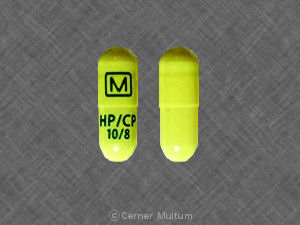
Chlorpheniramine/hydrocodone Disease Interactions
There are 20 disease interactions with chlorpheniramine / hydrocodone.
- Impaired GI motility
- Infectious diarrhea
- Prematurity
- Acute alcohol intoxication
- Drug dependence
- Hypotension
- Intracranial pressure
- Respiratory depression
- Gastrointestinal obstruction
- Anticholinergic effects
- Asthma/COPD
- Cardiovascular
- Renal/liver disease
- Adrenal insufficiency
- Liver disease
- Renal dysfunction
- Seizure disorders
- Urinary retention
- Arrhythmias
- Biliary tract disease
Narcotic analgesics (applies to chlorpheniramine/hydrocodone) impaired GI motility
Major Potential Hazard, Moderate plausibility. Applicable conditions: Inflammatory Bowel Disease, Constipation, Gastrointestinal Obstruction, Intestinal Anastomoses
Narcotic (opioid) analgesic agents increase smooth muscle tone in the gastrointestinal tract and decrease peristalsis, which can lead to elevated intraluminal pressure, spasm, and constipation following prolonged use. In patients with severe or acute inflammatory bowel disease, the decrease in colonic motility may induce toxic megacolon. Therapy with opioids should be administered cautiously in patients with gastrointestinal obstruction, constipation, inflammatory bowel disease, or recent gastrointestinal tract surgery. Gastrointestinal effects appear to be the most pronounced with morphine.
Narcotic analgesics (applies to chlorpheniramine/hydrocodone) infectious diarrhea
Major Potential Hazard, Moderate plausibility. Applicable conditions: Infectious Diarrhea/Enterocolitis/Gastroenteritis
Narcotic (opioid) analgesic agents may prolong and/or worsen diarrhea associated with organisms that invade the intestinal mucosa, such as toxigenic Escherichia coli, Salmonella, Shigella, and pseudomembranous colitis due to broad-spectrum antibiotics. These agents decrease gastrointestinal motility, which may delay the excretion of infective gastroenteric organisms and/or their toxins. Other symptoms and complications such as fever, shedding of organisms, and extraintestinal illness may also be increased or prolonged. Therapy with opioids should be avoided or administered cautiously in patients with infectious diarrhea, particularly that due to pseudomembranous enterocolitis or enterotoxin-producing bacteria or if accompanied by high fever, pus, or blood in the stool.
Narcotic analgesics (applies to chlorpheniramine/hydrocodone) prematurity
Major Potential Hazard, Moderate plausibility. Applicable conditions: Prematurity/Underweight in Infancy
The use of narcotic (opioid) analgesic agents is contraindicated in premature infants. These agents may cross the immature blood-brain barrier to a greater extent than in adults, resulting in disproportionate respiratory depression.
Opiate agonists (applies to chlorpheniramine/hydrocodone) acute alcohol intoxication
Major Potential Hazard, High plausibility.
The use of opiate agonists is contraindicated in patients with acute alcohol intoxication exhibiting depressed vital signs. The central nervous system depressant effects of opiate agonists may be additive with those of alcohol. Severe respiratory depression and death may occur. Therapy with opiate agonists should be administered cautiously in patients who might be prone to acute alcohol intake.
Opiate agonists (applies to chlorpheniramine/hydrocodone) drug dependence
Major Potential Hazard, High plausibility. Applicable conditions: Drug Abuse/Dependence, Alcoholism
Opiate agonists have the potential to cause dependence and abuse. Tolerance as well as physical and psychological dependence can develop after prolonged use. Abrupt cessation, reduction in dosage, or administration of an opiate antagonist such as naloxone may precipitate withdrawal symptoms. In patients who have developed tolerance to an opiate agonist, overdosage can still produce respiratory depression and death, and cross-tolerance usually will occur with other agents in the class. Addiction-prone individuals, such as those with a history of alcohol or substance abuse, should be under careful surveillance or medical supervision when treated with opiate agonists. It may be prudent to refrain from dispensing large quantities of medication to these patients. After prolonged use or if dependency is suspected, withdrawal of opiate therapy should be undertaken gradually using a dosage-tapering schedule.
Opiate agonists (applies to chlorpheniramine/hydrocodone) hypotension
Major Potential Hazard, Moderate plausibility. Applicable conditions: Dehydration, Shock
Opiate agonists can induce vasodilation and significant hypotension, particularly when given in high dosages and/or by rapid intravenous administration. Opiate analgesics cause vasodilatation that may exacerbate hypotension and hypoperfusion and, therefore, are contraindicated in circulatory shock. At therapeutic analgesic dosages, ambulatory patients are more likely to experience dizziness and hypotension than patients who are confined to bed. However, orthostatic hypotension may occur in supine patients upon rising. Therapy with opiate agonists should be administered cautiously and initiated at reduced dosages in patients with hypovolemia, or a predisposition to hypotension. When given by intramuscular or subcutaneous administration, clinicians should also be aware that impaired perfusion in these patients may prevent complete absorption of the drug. With repeated injections, an excessive amount may be absorbed suddenly if normal circulation is reestablished.
Opiate agonists (applies to chlorpheniramine/hydrocodone) intracranial pressure
Major Potential Hazard, Moderate plausibility. Applicable conditions: Brain/Intracranial Tumor, Head Injury, Cerebral Vascular Disorder
The hypoventilation associated with administration of opiate agonists, particularly by the intravenous route, can induce cerebral hypoxia and vasodilatation with resultant increase in intracranial pressure. Opiate agonists should not be used in patients with suspected or known head injury or increased intracranial pressure. Also, clinicians treating such patients should be aware that opiate agonists may interfere with the evaluation of CNS function, especially with respect to consciousness levels, respiratory status, and pupillary changes.
Opiate agonists (applies to chlorpheniramine/hydrocodone) respiratory depression
Major Potential Hazard, High plausibility. Applicable conditions: Altered Consciousness, Asphyxia, Brain/Intracranial Tumor, Cerebral Vascular Disorder, Head Injury, Pulmonary Impairment, Respiratory Arrest
Opiate agonists may produce significant central nervous system and respiratory depression of varying duration, particularly when given in high dosages and/or by rapid intravenous administration. Apnea may result from decreased respiratory drive as well as increased airway resistance, and rigidity of respiratory muscles may occur during rapid IV administration or when these agents are used in the induction of anesthesia. At therapeutic analgesic dosages, the respiratory effects are usually not clinically important except in patients with preexisting pulmonary impairment. Therapy with opiate agonists should be avoided or administered with extreme caution and initiated at reduced dosages in patients with severe CNS depression; sleep apnea; hypoxia, anoxia, or hypercapnia; upper airway obstruction; chronic pulmonary insufficiency; a limited ventilatory reserve; or other respiratory disorders. In the presence of excessive respiratory secretions, the use of opiate agonists may also be problematic because they decrease ciliary activity and reduce the cough reflex. Caution is also advised in patients who may be at increased risk for respiratory depression, such as comatose patients or those with head injury, intracranial lesions, or intracranial hypertension. Clinical monitoring of pulmonary function is recommended, and equipment for resuscitation should be immediately available if parenteral or neuraxial routes are used. Naloxone may be administered to reverse clinically significant respiratory depression, which may be prolonged depending on the opioid agent, cumulative dose, and route of administration.
Opioid agonists (applies to chlorpheniramine/hydrocodone) gastrointestinal obstruction
Major Potential Hazard, Moderate plausibility.
Opioid analgesics are contraindicated in patients with known or suspected gastrointestinal obstruction, including paralytic ileus.
Antihistamines (applies to chlorpheniramine/hydrocodone) anticholinergic effects
Moderate Potential Hazard, Moderate plausibility. Applicable conditions: Gastrointestinal Obstruction, Urinary Retention, Glaucoma/Intraocular Hypertension
Antihistamines often have anticholinergic activity, to which elderly patients are particularly sensitive. Therapy with antihistamines should be administered cautiously, if at all, in patients with preexisting conditions that are likely to be exacerbated by anticholinergic activity, such as urinary retention or obstruction; angle-closure glaucoma, untreated intraocular hypertension, or uncontrolled primary open-angle glaucoma; and gastrointestinal obstructive disorders. Conventional, first-generation antihistamines such as the ethanolamines (bromodiphenhydramine, carbinoxamine, clemastine, dimenhydrinate, diphenhydramine, doxylamine, phenyltoloxamine) tend to exhibit substantial anticholinergic effects. In contrast, the newer, relatively nonsedating antihistamines (e.g., cetirizine, fexofenadine, loratadine) reportedly have low to minimal anticholinergic activity at normally recommended dosages and may be appropriate alternatives.
Antihistamines (applies to chlorpheniramine/hydrocodone) asthma/COPD
Moderate Potential Hazard, Moderate plausibility. Applicable conditions: Chronic Obstructive Pulmonary Disease
It has been suggested that the anticholinergic effect of antihistamines may reduce the volume and cause thickening of bronchial secretions, resulting in obstruction of respiratory tract. Some manufacturers and clinicians recommend that therapy with antihistamines be administered cautiously in patients with asthma or chronic obstructive pulmonary disease.
Antihistamines (applies to chlorpheniramine/hydrocodone) cardiovascular
Moderate Potential Hazard, Moderate plausibility. Applicable conditions: Cardiovascular Disease, Hyperthyroidism, Hypotension
Antihistamines may infrequently cause cardiovascular adverse effects related to their anticholinergic and local anesthetic (quinidine-like) activities. Tachycardia, palpitation, ECG changes, arrhythmias, hypotension, and hypertension have been reported. Although these effects are uncommon and usually limited to overdosage situations, the manufacturers and some clinicians recommend that therapy with antihistamines be administered cautiously in patients with cardiovascular disease, hypertension, and/or hyperthyroidism.
Antihistamines (applies to chlorpheniramine/hydrocodone) renal/liver disease
Moderate Potential Hazard, High plausibility. Applicable conditions: Renal Dysfunction
Limited pharmacokinetic data are available for the older, first-generation antihistamines. Many appear to be primarily metabolized by the liver, and both parent drugs and metabolites are excreted in the urine. Patients with renal and/or liver disease may be at greater risk for adverse effects from antihistamines due to drug and metabolite accumulation. Therapy with antihistamines should be administered cautiously in such patients. Lower initial dosages may be appropriate.
Narcotic analgesics (applies to chlorpheniramine/hydrocodone) adrenal insufficiency
Moderate Potential Hazard, Moderate plausibility.
Patients with Addison's disease may have increased risk of respiratory depression and prolonged CNS depression associated with the use of narcotic (opioid) analgesic agents. Conversely, these agents may cause or potentiate adrenal insufficiency. Therapy with opioids should be administered cautiously and initiated at reduced dosages in patients with adrenocortical insufficiency. Subsequent doses should be titrated based on individual response rather than a fixed dosing schedule.
Narcotic analgesics (applies to chlorpheniramine/hydrocodone) liver disease
Moderate Potential Hazard, Moderate plausibility.
Narcotic (opioid) analgesic agents are extensively metabolized by the liver, and several of them (e.g., codeine, hydrocodone, meperidine, methadone, morphine, propoxyphene) have active metabolites that are further converted to inactive substances. The serum concentrations of these agents and their metabolites may be increased and the half-lives prolonged in patients with impaired hepatic function. Therapy with opioids should be administered cautiously and initiated at reduced dosages in patients with liver disease. Subsequent doses should be titrated based on individual response rather than a fixed dosing schedule.
Narcotic analgesics (applies to chlorpheniramine/hydrocodone) renal dysfunction
Moderate Potential Hazard, Moderate plausibility.
Although narcotic (opioid) analgesic agents are generally metabolized by the liver, renal impairment can alter the elimination of these agents and their metabolites (some of which are pharmacologically active), resulting in drug accumulation and increased risk of toxicity. Therapy with opioids should be administered cautiously and initiated at reduced dosages in patients with significantly impaired renal function. Subsequent doses should be titrated based on individual response rather than a fixed dosing schedule.
Narcotic analgesics (applies to chlorpheniramine/hydrocodone) seizure disorders
Moderate Potential Hazard, Moderate plausibility. Applicable conditions: Seizures
Narcotic (opioid) analgesic agents may increase the frequency of seizures in patients with seizure disorders, may increase the risk of seizures occurring in other clinical settings associated with seizures, and, at higher dosages, have been reported to induce seizures in patients without history of seizures. Patients with history of seizure disorders should be regularly evaluated for worsened seizure control during therapy. Prolonged meperidine use may increase the risk of toxicity (e.g., seizures) from the accumulation of the active metabolite (normeperidine).
Narcotic analgesics (applies to chlorpheniramine/hydrocodone) urinary retention
Moderate Potential Hazard, Moderate plausibility.
Narcotic (opioid) analgesic agents may inhibit the urinary voiding reflex and increase the tone of the vesical sphincter in the bladder. Acute urinary retention requiring catheterization may occur, particularly in patients with prostatic hypertrophy or urethral stricture and in older adult patients. These agents may also decrease urine production via direct effects on the kidney and central stimulation of the release of vasopressin. Therapy with opioids should be administered cautiously in patients with or predisposed to urinary retention and/or oliguria. The effects on smooth muscle tone appear to be the most pronounced with morphine.
Opiate agonists (applies to chlorpheniramine/hydrocodone) arrhythmias
Moderate Potential Hazard, Low plausibility.
Opiate agonists have cholinergic activity. Large doses and/or rapid intravenous administration may produce bradycardia and arrhythmias via stimulation of medullary vagal nuclei. Therapy with opiate agonists should be administered cautiously in patients with a history of arrhythmias. Clinical monitoring of cardiovascular status is recommended during therapy.
Opioid agonists (applies to chlorpheniramine/hydrocodone) biliary tract disease
Moderate Potential Hazard, Moderate plausibility. Applicable conditions: Biliary Obstruction, Gallbladder Disease, Pancreatitis
Opioid agonists may cause spasm of the sphincter of Oddi, which may increase biliary tract pressure. Other opioid-induced effects may include a reduction in biliary and pancreatic secretions and transient elevations in serum amylase. Patients with biliary tract disease (including acute pancreatitis) should be regularly evaluated for worsening symptoms. Therapy with opioids should be administered cautiously in patients with biliary tract disease, gallbladder disease, or acute pancreatitis.
Chlorpheniramine/hydrocodone drug interactions
There are 642 drug interactions with chlorpheniramine / hydrocodone.
Chlorpheniramine/hydrocodone alcohol/food interactions
There are 2 alcohol/food interactions with chlorpheniramine / hydrocodone.
Report options

More about chlorpheniramine / hydrocodone
- chlorpheniramine/hydrocodone consumer information
- Check interactions
- Compare alternatives
- Pricing & coupons
- Reviews (131)
- Side effects
- Dosage information
- During pregnancy
- Drug class: upper respiratory combinations
- En español
Related treatment guides
Drug Interaction Classification
| Highly clinically significant. Avoid combinations; the risk of the interaction outweighs the benefit. | |
| Moderately clinically significant. Usually avoid combinations; use it only under special circumstances. | |
| Minimally clinically significant. Minimize risk; assess risk and consider an alternative drug, take steps to circumvent the interaction risk and/or institute a monitoring plan. | |
| No interaction information available. |
Further information
Always consult your healthcare provider to ensure the information displayed on this page applies to your personal circumstances.