
Depression in Children
Medically reviewed by Drugs.com. Last updated on Jun 30, 2025.
What is depression?
Depression is a mood disorder that causes your child to feel sad or hopeless. These feelings do not go away. Depression may cause your child to lose interest in things he or she used to enjoy. These feelings may interfere with your child's daily life. Your child may also be angry, do poorly in school, become isolated, or have pain.
What are the signs and symptoms of depression?
- Appetite changes, or weight gain or loss
- Trouble falling or staying asleep, or sleeping too much
- Lack of energy
- Feeling restless, irritable, or withdrawn
- Feeling worthless, hopeless, discouraged, or guilty
- Trouble concentrating, remembering things, doing daily tasks, or making decisions
- Changes in personal hygiene or appearance in adolescents or teens
- Self-harm or talking about suicide
What causes or increases my child's risk for depression?
Depression may be caused by changes in the brain chemicals that affect your child's mood. Your child's risk for depression may be higher if he or she has any of the following:
- Stressful events such as the death of a loved one, abuse, parental divorce, or loss of a friendship
- A family history of depression
- An anxiety disorder, ADHD, or a learning disability
- Low self-esteem or poor relationships with others
- A chronic medical condition, such as cancer, asthma, or migraine headaches
How is depression diagnosed?
Your child's healthcare provider will start screening your child for depression at 12 years of age. The provider will ask about signs that you or others, such as teachers, have noticed. Tell the provider how long you have noticed the signs. The provider will also ask if any family members have depression. Tell the provider about any stressful events in your child's life. Also tell the provider about your child's health and any medicines he or she takes. The provider may ask how depression is affecting your child at home, school, or work.
How is depression treated?
Your child's healthcare provider will help you and your child develop a treatment plan. The provider will ask your child to make plans for coping at home, school, and around friends. The plan may include an emergency contact in case your child feels like hurting himself or herself, or others. It may also include regular exercise, good nutrition, and any of the following:
- Antidepressant medicine may be given, depending on your child's age. Your child may need to take this medicine for several weeks before it starts working. Tell your child's healthcare provider about any problems he or she has with the medicine. The kind or amount of medicine may have to be changed. Some medicines used to treat depression may increase the risk for suicide.
- Therapy can help your child work through situations that may be causing the depression or making it worse. This may be done alone or in a group. It may also be done with family members. Therapy and antidepressant medicines are often used together to treat depression or prevent it from coming back later. Healthcare providers can help your child find the kinds of medicine and therapy that work best for him or her.
Treatment options
The following list of medications are related to or used in the treatment of this condition.
Related medications
Amitriptyline
Amitriptyline is a tricyclic antidepressant used to treat depression and, off-label, conditions ...
Olanzapine
Olanzapine (brand name Zyprexa) is an atypical antipsychotic that may be used to treat adults and ...
What can I do to help and support my child?
- Listen to your child when he or she wants to talk. Your child's depression may be related to something stressful in his or her life. Your child may be bullied at school or have trouble making friends. Do not dismiss your child's problem or feelings. You may not think the situation is serious, but it is to your child.
- Watch your child carefully for any behavior changes. Talk to your child's healthcare provider if you have concerns or questions about his or her behavior. Children with depression have an increased risk for suicide.
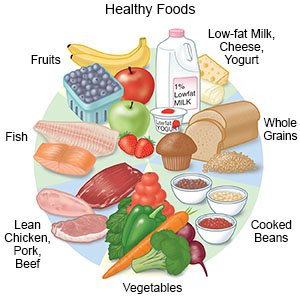
- Encourage healthy eating habits. Offer your child a variety of healthy foods. Healthy foods include fruits, vegetables, whole-grain breads, lean meats, fish, low-fat dairy products, and cooked beans. Limit the amount of sugar and caffeine your child has.
- Help your child create a sleep schedule. Have your child go to sleep and wake up at the same times every day. Stick to a sleep schedule so he or she gets enough sleep. Your child may sleep better if his or her room is quiet and dark.
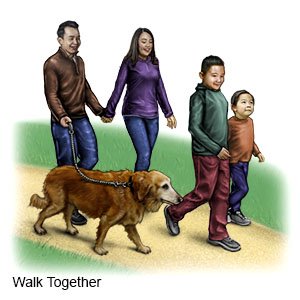
- Help your child get 1 hour of physical activity every day. Encourage your child to play sports or be active every day. Physical activity can reduce symptoms of depression. Try offering to take your child somewhere he or she enjoys. This may help your child be more willing to be active.
The following resources are available at any time, if needed:
- Contact a suicide prevention organization:
- For the 988 Suicide and Crisis Lifeline:
- Call or text 988
- Send a chat on https://988lifeline.org/chat
- Call 1-800-273-8255 (1-800-273-TALK)
- For the Suicide Hotline, call 1-800-784-2433 (1-800-SUICIDE)
- For the 988 Suicide and Crisis Lifeline:
- For a list of international numbers: https://save.org/find-help/international-resources/
Where can I find more information or support?
- National Alliance on Mental Illness
3803 N. Fairfax Dr., Suite 100
Arlington , VA 22203
Phone: 1- 703 - 524-7600
Phone: 1- 800 - 950-6264
Web Address: http://www.nami.org
- 988 Suicide and Crisis Lifeline
PO Box 2345
Rockville , MD 20847-2345
Phone: 1- 800 - 988
Web Address: http://www.suicidepreventionlifeline.org OR https://988lifeline.org/chat/
Call your local emergency number (911 in the US) if:
- Your child has done something on purpose to hurt himself or herself.
- Your child tries to attempt suicide.
- Your child says he or she wants to attempt suicide.
When should I call my child's therapist or doctor?
- Your child's depression gets worse.
- You do not think your child's depression medicine is helping.
- You have questions or concerns about your child's condition or care.
Care Agreement
You have the right to help plan your child's care. Learn about your child's health condition and how it may be treated. Discuss treatment options with your child's healthcare providers to decide what care you want for your child. The above information is an educational aid only. It is not intended as medical advice for individual conditions or treatments. Talk to your doctor, nurse or pharmacist before following any medical regimen to see if it is safe and effective for you.© Copyright Merative 2025 Information is for End User's use only and may not be sold, redistributed or otherwise used for commercial purposes.
Learn more about Depression
Treatment options
Care guides
Symptoms and treatments
Medicine.com guides (external)
Further information
Always consult your healthcare provider to ensure the information displayed on this page applies to your personal circumstances.