
Chronic Myeloid Leukemia
Medically reviewed by Drugs.com. Last updated on Jun 30, 2025.
What is chronic myeloid leukemia?
Chronic myeloid leukemia (CML) is also called chronic myelogenous leukemia. It is cancer of the bone marrow and blood cells. Blood cells that should become white blood cells (WBCs) do not fully grow. These cells do not fight infection like a normal WBC should. They crowd the bone marrow and prevent normal blood cells from growing and fighting infection. You may have no signs or symptoms. Many people learn that they have CML after blood is drawn for tests during a regular medical exam.
What causes CML?
The cause is sometimes unknown. It may be caused by exposure to high amounts of radiations or changes in DNA. CML is more common among adults, but it may occur in children.
What are the signs and symptoms of CML?
- Pain or a full feeling in your stomach
- Tiredness and weakness that does not go away
- Fever or infections, such as cold or flu, do not get better or keep coming back
- Weight loss without trying
- Shortness of breath, or you become easily tired during exercise
- Night sweats or sweating more than usual
- Bone pain, or easy bruising and bleeding
What are the phases of CML?
- Chronic phase means you may have few signs and symptoms. The CML cells are in the blood and bone marrow but have not spread to other parts of the body. This is usually the easiest phase to treat.
- Accelerated phase means you have more signs and symptoms. You have more CML cells in your blood and bone marrow. Usually, the CML cells have not spread to other parts of the body.
- Blast phase means you have many more CML cells in your blood and bone marrow. The CML cells have usually spread to other parts of the body such as the spleen and liver. CML may be growing faster.
Related medications
Jakafi
Jakafi is used to treat certain types of myelofibrosis or polycythemia vera in adults, and certain ...
Gleevec
Gleevec is targeted cancer therapy for specific types of leukemia (blood cancer), bone marrow ...
Ozempic
Learn about Ozempic (semaglutide) for type 2 diabetes treatment, weight management, cardiovascular ...
Imkeldi
Imkeldi is used to treat specific types of leukemia (blood cancer), bone marrow disorders ...
Imatinib
Imatinib is used to treat certain types of leukemia, bone marrow disorders, and skin cancer ...
Ruxolitinib
Ruxolitinib (oral) is used to treat certain types of myelofibrosis (MF), polycythemia vera (PV) ...
How is CML diagnosed?
- Blood tests are used to count the number of each type of blood cell (RBCs, WBCs, platelets).
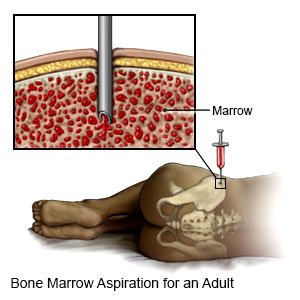
- A bone marrow biopsy is a procedure used to take a small amount of bone marrow from the bone in your hip. This test helps healthcare providers to learn which phase of CML you have.
How is CML treated?
- Medicines may be given to decrease the growth of CML cells and increase the growth of normal blood cells.
- Chemotherapy is used to kill cancer cells before a stem cell transplant.
- A transplant is rarely used to put bone marrow or stem cells in your blood through an IV. The bone marrow or stem cells go to your bone marrow and begin to make healthy, new blood cells.
Treatment options
The following list of medications are related to or used in the treatment of this condition.
What can I do to manage my CML?
- Prevent infection. Wash your hands often, avoid people who are sick, and clean humidifiers daily. Ask your healthcare provider for more information on preventing infection.

- Prevent bleeding and bruising. Be careful with sharp or pointed objects, such as knives and toothpicks. Do not play contact sports, such as football. Use a soft toothbrush. Do not floss your teeth while your platelet count is low. Blow your nose gently. Your nose may bleed if you pick it. Do not take NSAIDs or aspirin. NSAIDs and aspirin thin your blood and increase your risk for bleeding.
- Do not smoke cigarettes or drink alcohol. Alcohol can thin your blood and make it easier to bleed. Smoking increases your risk for new or returning cancer. Smoking can also delay healing after treatment. Do not use e-cigarettes or smokeless tobacco in place of cigarettes or to help you quit. They still contain nicotine. Ask your healthcare provider for information if you currently smoke or drink and need help quitting.
- Drink liquids as directed. You may need to drink extra liquids to prevent dehydration, especially if you are vomiting or have diarrhea from cancer treatments. Ask how much liquid you need each day and which liquids are best for you.
- Exercise as directed. CML or its treatment may make you feel tired. Exercise can help you have more energy.
- Eat healthy foods. Healthy foods may help you feel better and have more energy. If you have trouble swallowing, you may be given foods that are soft or in liquid form. Ask about any extra nutrition you may need, such as nutrition shakes or vitamins. Tell your healthcare provider if you have problems eating, or if you are nauseated.
Seek care immediately if:
- You have chest pain.
- You have a fever higher than 100.4°F (38°C).
- You have abdominal pain.
When should I contact my healthcare provider?
- You have blood in your spit or vomit.
- You are coughing or have shortness of breath.
- You feel dizzy or your heart begins to beat very fast.
- You have sores or white patches in your mouth or throat.
- You have rectal pain or hemorrhoids.
- You have diarrhea or bloody bowel movements.
- You have pain in your eyes, ears, skin, joints, or stomach.
- You have pain when you urinate or bad-smelling urine.
- Your gums and nose are bleeding.
- You have blurred vision or blood spots in the whites of your eyes.
- You have questions or concerns about your condition or care.
Care Agreement
You have the right to help plan your care. Learn about your health condition and how it may be treated. Discuss treatment options with your healthcare providers to decide what care you want to receive. You always have the right to refuse treatment. The above information is an educational aid only. It is not intended as medical advice for individual conditions or treatments. Talk to your doctor, nurse or pharmacist before following any medical regimen to see if it is safe and effective for you.© Copyright Merative 2025 Information is for End User's use only and may not be sold, redistributed or otherwise used for commercial purposes.
Learn more about Chronic Myeloid Leukemia
Treatment options
Symptoms and treatments
Further information
Always consult your healthcare provider to ensure the information displayed on this page applies to your personal circumstances.