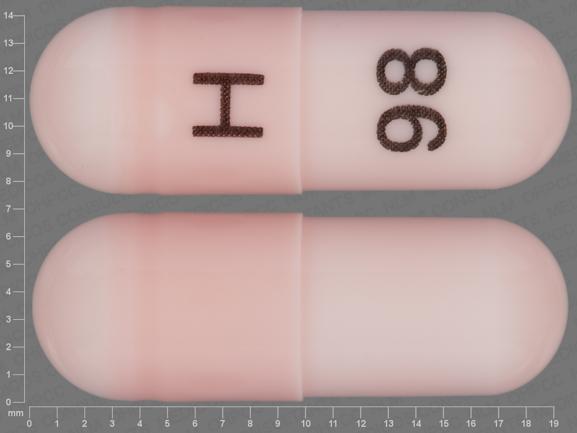
Lithium
Generic name: lithium [ LITH-ee-um ]
Brand names: Lithobid, Eskalith, Lithonate, Lithotabs, Eskalith-CR
Drug class: Antimanic agents
What is lithium?
Lithium affects the flow of sodium through nerve and muscle cells in the body. Sodium affects excitation or mania.
Lithium a mood stabilizer that is a used to treat or control the manic episodes of bipolar disorder (manic depression). Manic symptoms include hyperactivity, rushed speech, poor judgment, reduced need for sleep, aggression, and anger.
Lithium also helps to prevent or lessen the intensity of manic episodes.
Lithium is for use in adults and children at least 7 years old.
Warnings
Do not use lithium without telling your doctor if you are pregnant. It could cause harm to the unborn baby. Use an effective form of birth control, and tell your doctor if you become pregnant during treatment.
Lithium toxicity can cause death. Lithium is a medicine with a narrow range of safety and toxicity can occur if you take only slightly more than a recommended dose.
Stop using lithium and call your doctor right away if you have symptoms of lithium toxicity: muscle weakness, twitching, drowsiness, feeling light-headed, mood changes, blurred vision, ringing in your ears, irregular heartbeats, confusion, slurred speech, clumsiness. trouble breathing, or seizures.
Do not crush, chew, or break an extended-release tablet. Swallow the pill whole. Drink extra fluids to keep from getting dehydrated while you are taking this medication.
Tell your doctor if you have been sweating excessively, or if you are sick with fever, vomiting, or diarrhea.
Avoid becoming overheated or dehydrated during exercise and in hot weather. Follow your doctor's instructions about the type and amount of liquids you should drink. In some cases, drinking too much liquid can be as unsafe as not drinking enough.
Lithium can cause side effects that may impair your thinking or reactions. Be careful if you drive or do anything that requires you to be awake and alert.
Before taking this medicine
You should not use lithium if you are allergic to it.
To make sure this medicine is safe for you, tell your doctor if you have ever had:
-
breathing problems;
-
heart disease;
-
kidney disease;
-
a thyroid disorder;
-
an abnormal electrocardiograph or ECG (sometimes called an EKG);
-
fainting spells; or
-
a family member who died before age 45.
Some medicines can interact with lithium and cause a serious condition called serotonin syndrome. Be sure your doctor knows if you also take stimulant medicine, opioid medicine, herbal products, or medicine for depression, mental illness, Parkinson's disease, migraine headaches, serious infections, or prevention of nausea and vomiting. Ask your doctor before making any changes in how or when you take your medications.
It is not known whether lithium will harm an unborn baby. Tell your doctor if you are pregnant or plan to become pregnant.
You should not breast-feed while using this medicine.
Lithium is not approved for use by anyone younger than 7 years old.
How should I take lithium?
Take lithium exactly as it was prescribed for you. Follow all directions on your prescription label and read all medication guides or instruction sheets. Your doctor may occasionally change your dose. Never use lithium in larger amounts, or for longer than prescribed. Overdose can occur if you take only slightly more than a recommended dose.
Swallow the tablet whole and do not crush, chew, or break it.
Measure liquid medicine carefully. Use the dosing syringe provided, or use a medicine dose-measuring device (not a kitchen spoon).
Call your doctor if you are sick with a fever and vomiting or diarrhea, or if you are sweating more than usual. You can easily become dehydrated while taking lithium, which may affect your dose needs. Do not change your dose or medication schedule without your doctor's advice.
Drink extra fluids each day to prevent dehydration.
It may take up to 3 weeks before your symptoms improve. Keep using the medication as directed and tell your doctor if your symptoms do not begin to improve after 1 week of treatment.
You may need frequent blood tests.
If you need surgery, tell the surgeon ahead of time that you are using this medicine.
Store at room temperature away from moisture and heat. Keep the bottle tightly closed when not in use.
Dosing information
Usual Adult Dose for Mania:
Acute Control:
-Usual dose: 1800 mg/day
-Extended release formulations: 900 mg orally in the morning and at nighttime
-Regular release formulations: 600 mg orally 3 times a day, in the morning, afternoon, and nighttime
Long-term Control:
-Maintenance dose: 900 to 1200 mg/day
-Extended release formulations: 600 mg orally in the morning and at nighttime
-Regular release formulations: 300 mg orally 3 to 4 times a day
Uses:
-Treatment of manic episodes of bipolar disorder
-Maintenance treatment for individuals with bipolar disorder
Usual Adult Dose for Bipolar Disorder:
Acute Control:
-Usual dose: 1800 mg/day
-Extended release formulations: 900 mg orally in the morning and at nighttime
-Regular release formulations: 600 mg orally 3 times a day, in the morning, afternoon, and nighttime
Long-term Control:
-Maintenance dose: 900 to 1200 mg/day
-Extended release formulations: 600 mg orally in the morning and at nighttime
-Regular release formulations: 300 mg orally 3 to 4 times a day
Uses:
-Treatment of manic episodes of bipolar disorder
-Maintenance treatment for individuals with bipolar disorder
Usual Pediatric Dose for Mania:
12 years and older:
Acute Control:
-Usual dose: 1800 mg/day
-Extended release formulations: 900 mg orally in the morning and at nighttime
-Regular release formulations: 600 mg orally 3 times a day, in the morning, afternoon, and nighttime
Long-term Control:
-Maintenance dose: 900 to 1200 mg/day
-Extended release formulations: 600 mg orally in the morning and at nighttime
-Regular release formulations: 300 mg orally 3 to 4 times a day
Uses:
-Treatment of manic episodes of bipolar disorder
-Maintenance treatment for individuals with bipolar disorder
Usual Pediatric Dose for Bipolar Disorder:
12 years and older:
Acute Control:
-Usual dose: 1800 mg/day
-Extended release formulations: 900 mg orally in the morning and at nighttime
-Regular release formulations: 600 mg orally 3 times a day, in the morning, afternoon, and nighttime
Long-term Control:
-Maintenance dose: 900 to 1200 mg/day
-Extended release formulations: 600 mg orally in the morning and at nighttime
-Regular release formulations: 300 mg orally 3 to 4 times a day
Uses:
-Treatment of manic episodes of bipolar disorder
-Maintenance treatment for individuals with bipolar disorder
What happens if I miss a dose?
Take the medicine as soon as you can, but skip the missed dose if it is almost time for your next dose. Do not take two doses at one time.
What happens if I overdose?
Stop taking lithium and seek emergency medical attention or call the Poison Help line at 1-800-222-1222.
Early signs of toxicity include: vomiting, diarrhea, drowsiness, muscle weakness, or loss of coordination.
What to avoid
Avoid driving or hazardous activity until you know how lithium will affect you. Your reactions could be impaired.
Avoid becoming overheated or dehydrated during exercise, in hot weather, or by not drinking enough fluids. Follow your doctor's instructions about the type and amount of liquids you should drink. In some cases, drinking too much liquid can be as unsafe as not drinking enough.
Do not change the amount of salt you consume in your diet. Changing your salt intake could change the amount of lithium in your blood.
Lithium side effects
Get emergency medical help if you have signs of an allergic reaction to lithium: hives; difficulty breathing; swelling of your face, lips, tongue, or throat.
Too much lithium in your body can cause death. Lithium toxicity can occur if you take only slightly more than a recommended dose.
Stop using this medicine and call your doctor right away if you have symptoms of lithium toxicity: muscle weakness, twitching, drowsiness, feeling light-headed, mood changes, blurred vision, ringing in your ears, irregular heartbeats, confusion, slurred speech, clumsiness, trouble breathing, or seizures.
Call your doctor at once if you have:
-
a light-headed feeling, like you might pass out;
-
shortness of breath;
-
fever, increased thirst or urination;
-
weakness, dizziness or spinning sensation;
-
memory problems, hallucinations;
-
problems with balance or muscle movement;
-
loss of bowel or bladder control;
-
a seizure (blackout or convulsions);
-
low sodium level - headache, confusion, slurred speech, severe weakness, vomiting, loss of coordination, feeling unsteady;
-
thyroid problems - weight gain or loss, muscle pain, tremors, feeling hot or cold, changes in your skin or hair, sweating, feeling weak or tired, fast or pounding heartbeats, increased bowel movements, feeling anxious or agitated;
-
dehydration symptoms - feeling very thirsty or hot, being unable to urinate, heavy sweating, or hot and dry skin; or
-
increased pressure inside the skull -severe headaches, ringing in your ears, dizziness, nausea, vision problems, pain behind your eyes.
Seek medical attention right away if you have symptoms of serotonin syndrome, such as: agitation, hallucinations, fever, sweating, shivering, fast heart rate, muscle stiffness, twitching, loss of coordination, nausea, vomiting, or diarrhea.
Common lithium side effects may include:
-
dizziness, drowsiness;
-
tremors in your hands;
-
trouble walking;
-
dry mouth, increased thirst or urination;
-
nausea, vomiting, loss of appetite;
-
rash; or
-
blurred vision.
This is not a complete list of side effects and others may occur. Call your doctor for medical advice about side effects. You may report side effects to FDA at 1-800-FDA-1088.
What other drugs will affect lithium?
Tell your doctor about all your current medicines. Many drugs can affect lithium, especially:
-
a "triptan" migraine headache medicine;
-
an antidepressant or antipsychotic medication; or
-
a MAO inhibitor - isocarboxazid, linezolid, methylene blue injection, phenelzine, rasagiline, selegiline, tranylcypromine, and others.
This list is not complete and many other drugs may interact with lithium. This includes prescription and over-the-counter medicines, vitamins, and herbal products. Not all possible drug interactions are listed here.
Frequently asked questions
More about lithium
- Check interactions
- Compare alternatives
- Pricing & coupons
- Reviews (483)
- Drug images
- Side effects
- Dosage information
- Patient tips
- During pregnancy
- Support group
- Drug class: antimanic agents
- Breastfeeding
- En español
Patient resources
- Lithium Capsules and Tablets patient information
- Lithium Controlled-Release and Extended-Release Tablets
- Lithium Syrup and Oral Solution
Other brands
Professional resources
- Lithium monograph
- Lithium (FDA)
- Lithium Capsules (FDA)
- Lithium Carbonate (FDA)
- Lithium Carbonate ER Tablets (FDA)
Other brands
Related treatment guides
Further information
Remember, keep this and all other medicines out of the reach of children, never share your medicines with others, and use lithium only for the indication prescribed.
Always consult your healthcare provider to ensure the information displayed on this page applies to your personal circumstances.
Copyright 1996-2024 Cerner Multum, Inc. Version: 8.01.