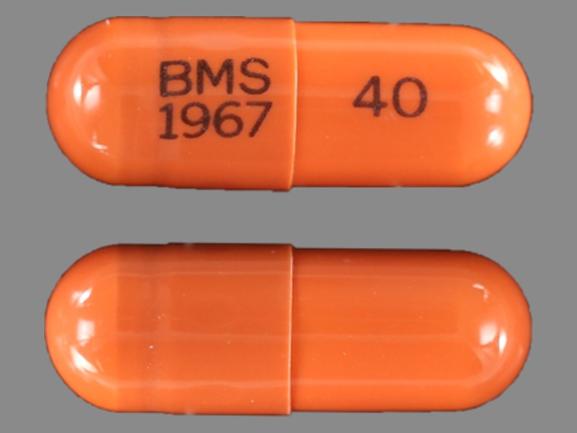
Zerit
Generic name: stavudine [ STA-vue-deen ]
Drug class: Nucleoside reverse transcriptase inhibitors (NRTIs)
What is Zerit?
Zerit is an antiviral medicine that prevents human immunodeficiency virus (HIV) from multiplying in your body.
Zerit is used to treat HIV, the virus that can cause acquired immunodeficiency syndrome (AIDS).
Zerit is not a cure for HIV or AIDS.
Warnings
Do not take Zerit with didanosine or zidovudine, or with any other medicine that contains stavudine.
You may develop lactic acidosis, a dangerous build-up of lactic acid in your blood. Call your doctor or get emergency medical help if you have unusual muscle pain, trouble breathing, stomach pain, dizziness, feeling cold, or feeling very weak or tired.
Zerit can also cause serious or life-threatening effects on your liver or pancreas. Call your doctor at once if you have: stomach pain or swelling, fever, nausea, vomiting, easy bruising or bleeding, loss of appetite, dark urine, or jaundice (yellowing of the skin or eyes).
Before taking this medicine
You should not take Zerit if you are allergic to stavudine. Do not take this medicine with didanosine or zidovudine, or with any other medicine that contains stavudine.
Zerit can cause severe or life-threatening effects on your liver or pancreas. Tell your doctor if you have liver disease or a history of pancreatitis.
Tell your doctor if you have ever had:
-
kidney disease (or if you are on dialysis);
-
liver disease, including hepatitis C;
-
diabetes (Zerit liquid may contain sucrose);
-
numbness, tingling, or pain in your hands or feet;
-
problems with your pancreas; or
-
if you drink large amounts of alcohol.
You may develop lactic acidosis, a dangerous build-up of lactic acid in your blood. This may be more likely if you have other medical conditions, if you've taken HIV medication for a long time, or if you are a woman. Ask your doctor about your risk.
Tell your doctor if you are pregnant, and use your medications properly to control your infection. HIV can be passed to your baby if the virus is not controlled during pregnancy. Your name may be listed on a registry to track any effects of antiviral medicine on the baby.
Women with HIV or AIDS should not breast feed a baby. Even if your baby is born without HIV, the virus may be passed to the baby in your breast milk.
How should I take Zerit?
Take Zerit exactly as it was prescribed for you. Follow all directions on your prescription label and read all medication guides or instruction sheets. Your doctor may occasionally change your dose. Use the medicine exactly as directed.
Take your doses at regular intervals to keep a steady amount of the drug in your body at all times. You may take Zerit with or without food.
Shake the liquid medicine before you measure a dose. Use the dosing syringe provided, or use a medicine dose-measuring device (not a kitchen spoon).
Stavudine doses are based on weight (especially in children and teenagers). Your dose needs may change if you gain or lose weight.
You will need frequent medical tests.
Use all HIV medications as directed and read all medication guides you receive. Do not change your dose or dosing schedule without your doctor's advice. Every person with HIV should remain under the care of a doctor.
Store Zerit capsules at room temperature away from moisture and heat. Keep the bottle tightly closed.
Store Zerit liquid in the refrigerator, do not freeze. Throw away any unused liquid after 30 days.
Dosing information
Usual Adult Dose for HIV Infection:
Less than 60 kg: 30 mg orally every 12 hours
60 kg or more: 40 mg orally every 12 hours
Usual Adult Dose for Nonoccupational Exposure:
Less than 60 kg: 30 mg orally every 12 hours
60 kg or more: 40 mg orally every 12 hours
Duration: Prophylaxis should be initiated as soon as possible, within 72 hours of exposure, and continued for 28 days.
In general, the alternative regimens recommended for nonoccupational postexposure HIV prophylaxis include Zerit as part of protease inhibitor (PI)-based regimens.
Usual Pediatric Dose for HIV Infection:
Birth to 13 days: 0.5 mg/kg orally every 12 hours
14 days or older:
Less than 30 kg: 1 mg/kg orally every 12 hours
30 kg or more: Adult dosage recommended.
What happens if I miss a dose?
Take the medicine as soon as you can, but skip the missed dose if it is almost time for your next dose. Do not take two doses at one time.
Get your prescription refilled before you run out of medicine completely.
What happens if I overdose?
Seek emergency medical attention or call the Poison Help line at 1-800-222-1222.
What to avoid
Avoid drinking alcohol. It may increase your risk of pancreas or liver damage.
Zerit side effects
Get emergency medical help if you have signs of an allergic reaction to Zerit: hives; difficult breathing; swelling of your face, lips, tongue, or throat.
Mild symptoms of lactic acidosis may worsen over time, and this condition can be fatal. Get emergency medical help if you have: unusual muscle pain, trouble breathing, stomach pain, vomiting, irregular heart rate, dizziness, feeling cold, or feeling very weak or tired.
Call your doctor at once if you have:
-
numbness, tingling, or pain in your hands or feet;
-
weakness in your legs, feet, arms, or hands;
-
liver problems - swelling around your midsection, right-sided upper stomach pain, loss of appetite, dark urine, clay-colored stools, jaundice (yellowing of the skin or eyes); or
-
pancreatitis - fever, severe pain in your upper stomach spreading to your back, nausea and vomiting.
Stavudine affects your immune system, which may cause certain side effects (even weeks or months after you've taken this medicine). Tell your doctor if you have:
-
signs of a new infection - fever, night sweats, swollen glands, cold sores, cough, wheezing, diarrhea, weight loss;
-
trouble speaking or swallowing, problems with balance or eye movement, weakness or prickly feeling; or
-
swelling in your neck or throat (enlarged thyroid), menstrual changes, impotence.
Common Zerit side effects may include:
-
weakness, numbness, tingling, or burning pain in your hands or feet;
-
nausea, vomiting, diarrhea;
-
rash; or
This is not a complete list of side effects and others may occur. Call your doctor for medical advice about side effects. You may report side effects to FDA at 1-800-FDA-1088.
Related/similar drugs
What other drugs will affect Zerit?
Tell your doctor about all your other medicines, especially:
This list is not complete. Other drugs may interact with stavudine, including prescription and over-the-counter medicines, vitamins, and herbal products. Not all possible drug interactions are listed here.
More about Zerit (stavudine)
- Check interactions
- Compare alternatives
- Drug images
- Side effects
- Dosage information
- During pregnancy
- Drug class: nucleoside reverse transcriptase inhibitors (NRTIs)
- Breastfeeding
Professional resources
Related treatment guides
Further information
Remember, keep this and all other medicines out of the reach of children, never share your medicines with others, and use Zerit only for the indication prescribed.
Always consult your healthcare provider to ensure the information displayed on this page applies to your personal circumstances.
Copyright 1996-2025 Cerner Multum, Inc. Version: 15.01.