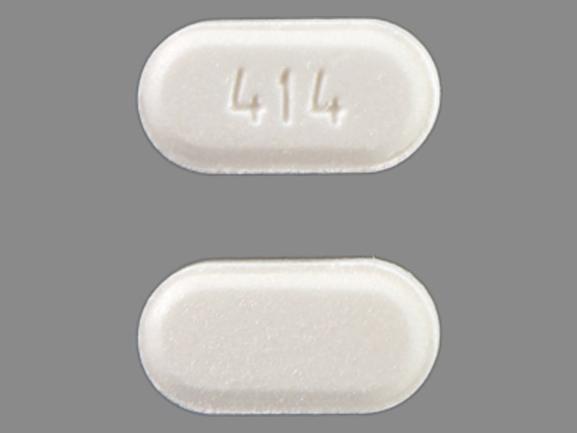
Zetia Side Effects

Generic Name: ezetimibe

Please note - some side effects for Zetia may not be reported. Always consult your doctor or healthcare specialist for medical advice. You may also report side effects to the FDA.

Side Effects of Zetia - for the Consumer

Zetia

All medicines may cause side effects, but many people have no, or minor, side effects. Check with your doctor if any of these most COMMON side effects persist or become bothersome when using Zetia:

Diarrhea; dizziness; headache; joint pain; sinus inflammation; tiredness.

Seek medical attention right away if any of these SEVERE side effects occur when using Zetia:

Severe allergic reactions (rash; hives; itching; difficulty breathing or swallowing; tightness in the chest; swelling of the mouth, face, lips, or tongue; unusual hoarseness); chest pain; dark urine; depression; fever, chills, or persistent sore throat; numbness or tingling of the skin; severe or persistent joint pain; severe stomach or back pain with nausea and vomiting; unexplained muscle pain, tenderness, or weakness; yellowing of the eyes or skin.

This is not a complete list of all side effects that may occur. If you have questions about side effects, contact your health care provider. Call your doctor for medical advice about side effects. To report side effects to the appropriate agency, please read the Guide to Reporting Problems to FDA.

Top

Zetia Side Effects - for the Professional

Zetia

The following serious adverse reactions are discussed in greater detail in other sections of the label:

Monotherapy Studies: In the Zetia controlled clinical trials database (placebo-controlled) of 2396 patients with a median treatment duration of 12 weeks (range 0 to 39 weeks), 3.3% of patients on Zetia and 2.9% of patients on placebo discontinued due to adverse reactions. The most common adverse reactions in the group of patients treated with Zetia that led to treatment discontinuation and occurred at a rate greater than placebo were:

  • Arthralgia (0.3%)
  • Dizziness (0.2%)
  • Gamma-glutamyltransferase increased (0.2%)

The most commonly reported adverse reactions (incidence ≥2% and greater than placebo) in the Zetia monotherapy controlled clinical trial database of 2396 patients were: upper respiratory tract infection (4.3%), diarrhea (4.1%), arthralgia (3.0%), sinusitis (2.8%), and pain in extremity (2.7%).

Statin Co-Administration Studies: In the Zetia + statin controlled clinical trials database of 11,308 patients with a median treatment duration of 8 weeks (range 0 to 112 weeks), 4.0% of patients on Zetia + statin and 3.3% of patients on statin alone discontinued due to adverse reactions. The most common adverse reactions in the group of patients treated with Zetia + statin that led to treatment discontinuation and occurred at a rate greater than statin alone were:

  • Alanine aminotransferase increased (0.6%)
  • Myalgia (0.5%)
  • Fatigue, aspartate aminotransferase increased, headache, and pain in extremity (each at 0.2%)

The most commonly reported adverse reactions (incidence ≥2% and greater than statin alone) in the Zetia + statin controlled clinical trial database of 11,308 patients were: nasopharyngitis (3.7%), myalgia (3.2%), upper respiratory tract infection (2.9%), arthralgia (2.6%) and diarrhea (2.5%).

Clinical Trials Experience

Because clinical studies are conducted under widely varying conditions, adverse reaction rates observed in the clinical studies of a drug cannot be directly compared to rates in the clinical studies of another drug and may not reflect the rates observed in clinical practice.

Monotherapy

In 10 double-blind, placebo-controlled clinical trials, 2396 patients with primary hyperlipidemia (age range 9–86 years, 50% women, 90% Caucasians, 5% Blacks, 3% Hispanics, 2% Asians) and elevated LDL-C were treated with Zetia 10 mg/day for a median treatment duration of 12 weeks (range 0 to 39 weeks).

Adverse reactions reported in ≥2% of patients treated with Zetia and at an incidence greater than placebo in placebo-controlled studies of Zetia, regardless of causality assessment, are shown in Table 1.

TABLE 1: Clinical Adverse Reactions Occurring in ≥2% of Patients Treated with Zetia and at an Incidence Greater than Placebo, Regardless of Causality
Body System/Organ Class
Adverse Reaction
Zetia 10 mg
(%)
n = 2396
Placebo
(%)
n = 1159
Gastrointestinal disorders
Diarrhea 4.1 3.7
General disorders and administration site conditions
Fatigue 2.4 1.5
Infections and infestations
Influenza 2.0 1.5
Sinusitis 2.8 2.2
Upper respiratory tract infection 4.3 2.5
Musculoskeletal and connective tissue disorders
Arthralgia 3.0 2.2
Pain in extremity 2.7 2.5

The frequency of less common adverse reactions was comparable between Zetia and placebo.

Combination with a Statin

In 28 double-blind, controlled (placebo or active-controlled) clinical trials, 11,308 patients with primary hyperlipidemia (age range 10–93 years, 48% women, 85% Caucasians, 7% Blacks, 4% Hispanics, 3% Asians) and elevated LDL-C were treated with Zetia 10 mg/day concurrently with or added to on-going statin therapy for a median treatment duration of 8 weeks (range 0 to 112 weeks).

The incidence of consecutive increased transaminases (≥3 × ULN) was higher in patients receiving Zetia administered with statins (1.3%) than in patients treated with statins alone (0.4%). [See Warnings and Precautions (5.2).]

Clinical adverse reactions reported in ≥2% of patients treated with Zetia + statin and at an incidence greater than statin, regardless of causality assessment, are shown in Table 2.

TABLE 2: Clinical Adverse Reactions Occurring in ≥2% of Patients Treated with Zetia Co-Administered with a Statin and at an Incidence Greater than Statin, Regardless of Causality
*
All Statins = all doses of all statins
Body System/Organ Class
Adverse Reaction
All Statins*
(%)
n = 9361
Zetia + All Statins*
(%)
n = 11,308
Gastrointestinal disorders
Diarrhea 2.2 2.5
General disorders and administration site conditions
Fatigue 1.6 2.0
Infections and infestations
Influenza 2.1 2.2
Nasopharyngitis 3.3 3.7
Upper respiratory tract infection 2.8 2.9
Musculoskeletal and connective tissue disorders
Arthralgia 2.4 2.6
Back pain 2.3 2.4
Myalgia 2.7 3.2
Pain in extremity 1.9 2.1

Combination with Fenofibrate

This clinical study involving 625 patients with mixed dyslipidemia (age range 20–76 years, 44% women, 79% Caucasians, 0.1% Blacks, 11% Hispanics, 5% Asians) treated for up to 12 weeks and 576 patients treated for up to an additional 48 weeks evaluated co-administration of Zetia and fenofibrate. This study was not designed to compare treatment groups for infrequent events. Incidence rates (95% CI) for clinically important elevations (≥3 × ULN, consecutive) in hepatic transaminase levels were 4.5% (1.9, 8.8) and 2.7% (1.2, 5.4) for fenofibrate monotherapy (n=188) and Zetia co-administered with fenofibrate (n=183), respectively, adjusted for treatment exposure. Corresponding incidence rates for cholecystectomy were 0.6% (95% CI: 0.0%, 3.1%) and 1.7% (95% CI: 0.6%, 4.0%) for fenofibrate monotherapy and Zetia co-administered with fenofibrate, respectively [see Drug Interactions (7.3)]. The numbers of patients exposed to co-administration therapy as well as fenofibrate and ezetimibe monotherapy were inadequate to assess gallbladder disease risk. There were no CPK elevations >10 × ULN in any of the treatment groups.

Post-Marketing Experience

Because the reactions below are reported voluntarily from a population of uncertain size, it is generally not possible to reliably estimate their frequency or establish a causal relationship to drug exposure.

The following additional adverse reactions have been identified during post-approval use of Zetia:

Hypersensitivity reactions, including anaphylaxis, angioedema, rash, and urticaria; erythema multiforme; arthralgia; myalgia; elevated creatine phosphokinase; myopathy/rhabdomyolysis [see Warnings and Precautions (5.3)]; elevations in liver transaminases; hepatitis; abdominal pain; thrombocytopenia; pancreatitis; nausea; dizziness; paresthesia; depression; headache; cholelithiasis; cholecystitis.

Top

Side Effects by Body System - for Healthcare Professionals

General

General side effects including fatigue (2.2%) have been reported.

Gastrointestinal

Gastrointestinal side effects including diarrhea (3.7%) and abdominal pain (3.0%) have been reported. Pancreatitis and nausea have also been reported in postmarketing experience.

A case of ezetimibe-induced acute pancreatitis occurred two weeks after initiating therapy. Following discontinuation of ezetimibe the patient's symptoms resolved and pancreatic enzyme levels normalized.

Immunologic

Immunologic side effects including sinusitis (3.6%), pharyngitis (2.3%), and viral infection (2.2%) have been reported.

Musculoskeletal

Musculoskeletal side effects including back pain (4.1%) and arthralgia (3.8%) have been reported. Other effects including myalgia, arthralgia, elevated creatine phosphokinase, and rare reports of myopathy/rhabdomyolysis have been reported in postmarketing experience.

Respiratory

Respiratory side effects including coughing (2.3%) have been reported.

Hypersensitivity

Hypersensitivity reactions including angioedema, anaphylaxis, rash, urticaria, and erythema multiforme have been reported in postmarketing experience.

Hepatic

Hepatic side effects including elevations in liver transaminases, hepatitis, cholelithiasis, and cholecystitis have been reported in postmarketing experience.

Hematologic

Hematologic side effects including thrombocytopenia have been reported in postmarketing experience.

Nervous system

Nervous system side effects including dizziness, paresthesia, and headache have been associated with ezetimibe in postmarketing experience.

Psychiatric

Psychiatric side effects including depression have been reported during the postmarketing experience.

Top

Disclaimer: Every effort has been made to ensure that the information provided is accurate, up-to-date, and complete, but no guarantee is made to that effect. In addition, the drug information contained herein may be time sensitive and should not be utilized as a reference resource beyond the date hereof. This information does not endorse drugs, diagnose patients, or recommend therapy. This drug information is a reference resource designed as supplement to, and not a substitute for, the expertise, skill , knowledge, and judgement of healthcare practitioners in patient care. The absence of a warning for a given drug or drug combination in no way should be construed to indicate that the drug of drug combination is safe, effective, or appropriate for any given patient. Drugs.com does not assume any responsibility for any aspect of healthcare administered with the aid of information provided. The information contained herein is not intended to cover all possible uses, directions, precautions, warnings, drug interactions, allergic reactions, or adverse effects. If you have questions about the drugs you are taking, check with your doctor, nurse, or pharmacist.

Did you find this page helpful? Yes No

(web3)