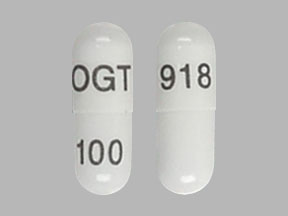
Zavesca Side Effects
Generic name: miglustat
Medically reviewed by Drugs.com. Last updated on Feb 14, 2025.
Note: This document provides detailed information about Zavesca Side Effects associated with miglustat. Some dosage forms listed on this page may not apply specifically to the brand name Zavesca.
Applies to miglustat: oral capsule.
Precautions
It is very important that your doctor check your progress at regular visits to make sure that this medicine is working properly. Blood and nerve tests (neurological exam) before and during treatment may be needed to check for unwanted effects.
Using this medicine while you are pregnant can harm your unborn baby. If you are a woman who can get pregnant, your doctor may do tests to make sure you are not pregnant before receiving this medicine. Use an effective form of birth control during treatment and for at least 60 days after the last dose. If you think you have become pregnant while using this medicine, tell your doctor right away.
Check with your doctor right away if you are having burning, numbness, tingling, or painful sensations in the arms, hands, legs, or feet. These could be symptoms of a condition called peripheral neuropathy.
Taking this medicine may decrease in the number of platelets in the blood. Your doctor may monitor this periodically during therapy.
This medicine may cause or worsen hand tremors (trembling or shaking of the hands). Tell your doctor right away if you develop new hand tremors or worsening of existing hand tremors while using this medicine.
Diarrhea is the most common side effect for people taking miglustat (the active ingredient contained in Zavesca). Your doctor may give you another medicine (anti-diarrheal) to help treat diarrhea if it is a problem for you. Your doctor may also recommend changes to your diet. You may also lose weight when you start treatment with miglustat.
Some men and women who use this medicine have become infertile (unable to have children). Talk with your doctor before using this medicine if you plan to have children.
Serious side effects of Zavesca
Along with its needed effects, miglustat may cause some unwanted effects. Although not all of these side effects may occur, if they do occur they may need medical attention.
Check with your doctor immediately if any of the following side effects occur while taking miglustat:
More common side effects
- black, tarry stools
- bleeding gums
- blood in the urine or stools
- burning, crawling, itching, numbness, prickling, "pins and needles", or tingling feelings
- diarrhea
- pinpoint red spots on the skin
- trembling or shaking in the hands
- unsteadiness or awkwardness
- unusual bleeding or bruising
- weakness in the arms, hands, legs, or feet
- weight loss
Less common side effects
- chest tightness
- fast, pounding, or irregular heartbeat or pulse
- increase blood pressure
- lower back or side pain
Other side effects of Zavesca
Some side effects of miglustat may occur that usually do not need medical attention. These side effects may go away during treatment as your body adjusts to the medicine. Also, your health care professional may be able to tell you about ways to prevent or reduce some of these side effects.
Check with your health care professional if any of the following side effects continue or are bothersome or if you have any questions about them:
More common side effects
- back pain
- bloated or full feeling
- blurred or loss of vision
- difficulty having a bowel movement (stool)
- disturbed color perception
- dizziness
- double vision
- dry mouth
- excess air or gas in the stomach or intestines
- halos around lights
- headache
- heartburn
- heaviness in the limbs
- indigestion
- leg cramps
- loss of appetite
- memory loss
- menstrual changes
- nausea
- pain or discomfort in the chest, upper stomach, or throat
- passing gas
- stomach discomfort, upset or pain
- swelling of the abdominal or stomach area
- tunnel vision
- unsteady walk
- vomiting
Less common side effects
- change in taste
- constipation
- joint or muscle pain
- lack or loss of strength
- loss of taste
- pressure in the stomach
- stomach discomfort, upset, or pain
- swelling of the stomach area
See also:
Cerdelga
Cerdelga (eliglustat) is used to treat mild to moderate Type 1 Gaucher Disease. Includes Cerdelga ...
VPRIV
VPRIV (velaglucerase alfa) is used as an enzyme replacement in people with Type I Gaucher disease ...
Botox
Botox is used cosmetically to reduce facial lines and wrinkles and for medical purposes for ...
For healthcare professionals
Applies to miglustat: oral capsule.
General adverse events
The most commonly reported adverse reactions included diarrhea, flatulence, abdominal pain, weight loss, and tremor; the most common serious adverse reaction was peripheral neuropathy; diarrhea and tremor were the side effects that most commonly required intervention.[Ref]
Gastrointestinal
- Very common (10% or more): Diarrhea (including osmotic diarrhea; up to 100%), abdominal pain (up to 67%), flatulence (up to 50%), nausea (up to 22%), vomiting (up to 11%)
- Common (1% to 10%): Constipation, dry mouth, dyspepsia, epigastric pain not food-related, bloating, stomach pain, gas, abdominal distension/discomfort
- Frequency not reported: Dysphagia, indigestion, dry mouth[Ref]
Osmotic diarrhea appears to be due to inhibitory activity of miglustat on intestinal disaccharidases leading to reduced absorption of dietary disaccharides in the small intestine. Diarrhea decreased over time with continued therapy.[Ref]
Metabolic
Weight loss has been observed in approximately 55% to 65% of patients. Peak weight loss occurs between 6 and 12 months, with a mean weight loss of 6% to 7% of body weight. It is unclear if weight loss results from the diarrhea and associated gastrointestinal complaints, a decrease in food intake, or a combination of these or other factors. There is a trend to return to baseline weight after the first year.[Ref]
Nervous system
- Very common (10% or more): Tremor/exacerbation of existing tremor (about 30%), headache (up to 22%), tremor (up to 17%), dizziness (up to 11%)
- Common (1% to 10%): Unsteady gait, paresthesia, migraine, peripheral neuropathy, ataxia, hypoesthesia
- Frequency not reported: Gait abnormal, gait spastic, hyperreflexia[Ref]
The most common serious adverse reaction in clinical trials was peripheral neuropathy. Tremor, and worsening tremor were very commonly reported. Compared to the general population, patients with type 1 Gaucher disease are more likely to have peripheral neuropathy. A patient should be evaluated for tremor and neuropathy prior to starting therapy.[Ref]
Other
- Very common (10% or more): Generalized weakness (up to 17%)
- Common (1% to 10%):Fatigue, asthenia, chills, malaise, pain
- Frequency not reported: Fatigue, lacerations[Ref]
Ocular
- Very common (10% or more): Visual disturbances (up to 17%)[Ref]
Musculoskeletal
- Very common (10% or more): Cramps (up to 11%)
- Common (1% to 10%): Muscle spasms
- Frequency not reported: Leg cramps, muscle cramps, back pain, heaviness in arms and legs[Ref]
Psychiatric
- Common (1% to 10%): Memory loss
- Frequency not reported: Insomnia, decreased appetite, depression, decreased libido[Ref]
Hematologic
- Common (1% to 10%): Thrombocytopenia
- Frequency not reported: Mild reduction in platelet count[Ref]
Genitourinary
- Common (1% to 10%): Menstrual disorder[Ref]
Respiratory
References
1. (2003) "Product Information. Zavesca (miglustat)." Actelion Pharmaceuticals US Inc
2. Cerner Multum, Inc. "UK Summary of Product Characteristics."
3. Cerner Multum, Inc. "Australian Product Information."
Frequently asked questions
More about Zavesca (miglustat)
- Check interactions
- Compare alternatives
- Pricing & coupons
- Drug images
- Dosage information
- During pregnancy
- Generic availability
- Drug class: miscellaneous metabolic agents
- Breastfeeding
- En español
Patient resources
Other brands
Professional resources
Other brands
Related treatment guides
Further information
Zavesca side effects can vary depending on the individual. Always consult your healthcare provider to ensure the information displayed on this page applies to your personal circumstances.
Note: Medication side effects may be underreported. If you are experiencing side effects that are not listed, submit a report to the FDA by following this guide.