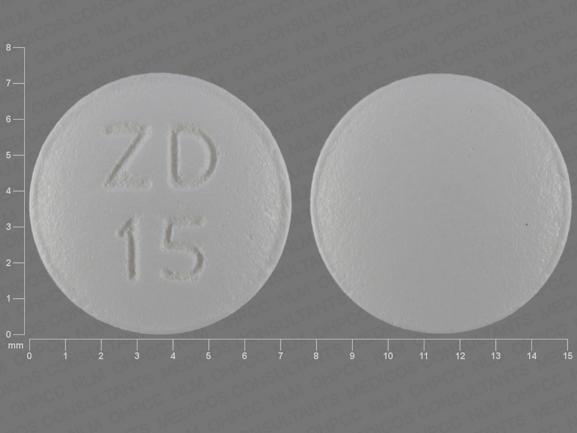
Drug Information
Side Effects > Topiramate

Topiramate Side Effects

Brand Names: Topamax

Please note - some side effects for Topiramate may not be reported. Always consult your doctor or healthcare specialist for medical advice. You may also report side effects to the FDA at http://www.fda.gov/medwatch/ or 1-800-FDA-1088 (1-800-332-1088).

Side Effects of Topiramate - for the Consumer

Topiramate

All medicines may cause side effects, but many people have no, or minor, side effects. Check with your doctor if any of these most COMMON side effects persist or become bothersome when using Topiramate:

Constipation; decreased sweating; diarrhea; dizziness; drowsiness; dry mouth; flu-like symptoms; headache; loss of appetite; nausea; nervousness or anxiety; numbness or tingling of the skin; runny nose; sore throat; stomach pain or upset; taste changes; tiredness; trouble sleeping; weight loss.

Seek medical attention right away if any of these SEVERE side effects occur when using Topiramate:

Severe allergic reactions (rash; hives; itching; difficulty breathing; tightness in the chest; swelling of the mouth, face, lips, or tongue); blood in the urine; blurred vision; bone pain; chest pain; confusion; decreased coordination; depression; double vision or other vision changes; eye pain; irregular heartbeat; loss of consciousness; memory problems; menstrual changes; mental or mood changes; muscle or joint pain, cramps, or weakness; rapid, shallow breathing; red, swollen, blistered, or peeling skin; ringing in the ears; severe or persistent loss of appetite; severe stomach, side, or back pain; significant weight loss; speech problems; stupor; suicidal thoughts or actions; tremor; trouble thinking, concentrating, or remembering things; trouble walking; unexplained fever; unusual bruising or bleeding; unusual eye movements; unusual tiredness.

Topiramate Sprinkle Capsules

All medicines may cause side effects, but many people have no, or minor, side effects. Check with your doctor if any of these most COMMON side effects persist or become bothersome when using Topiramate Sprinkle Capsules:

Constipation; decreased sweating; diarrhea; dizziness; drowsiness; dry mouth; flu-like symptoms; headache; loss of appetite; nausea; nervousness or anxiety; numbness or tingling of the skin; runny nose; sore throat; stomach pain or upset; taste changes; tiredness; trouble sleeping; weight loss.

Seek medical attention right away if any of these SEVERE side effects occur when using Topiramate Sprinkle Capsules:

Severe allergic reactions (rash; hives; itching; difficulty breathing; tightness in the chest; swelling of the mouth, face, lips, or tongue); blood in the urine; blurred vision; bone pain; chest pain; confusion; decreased coordination; depression; double vision or other vision changes; eye pain; irregular heartbeat; loss of consciousness; memory problems; menstrual changes; mental or mood changes; muscle or joint pain, cramps, or weakness; rapid, shallow breathing; red, swollen, blistered, or peeling skin; ringing in the ears; severe or persistent loss of appetite; severe stomach, side, or back pain; significant weight loss; speech problems; stupor; suicidal thoughts or actions; tremor; trouble thinking, concentrating, or remembering things; trouble walking; unexplained fever; unusual bruising or bleeding; unusual eye movements; unusual tiredness.

Top

Topiramate Side Effects - for the Professional

Topiramate

The data described in the following section were obtained using Topiramate tablets.

Monotherapy Epilepsy

The adverse events in the controlled trial that occurred most commonly in adults in the 400 mg/day group and at a rate higher than the 50 mg/day group were: paresthesia, weight decrease, somnolence, anorexia, dizziness, and difficulty with memory NOS [see Table 5].

The adverse events in the controlled trial that occurred most commonly in children (10 years up to 16 years of age) in the 400 mg/day group and at a rate higher than the 50 mg/day group were: weight decrease, upper respiratory tract infection, paresthesia, anorexia, diarrhea, and mood problems [see Table 6].

Approximately 21% of the 159 adult patients in the 400 mg/day group who received Topiramate as monotherapy in the controlled clinical trial discontinued therapy due to adverse events. Adverse events associated with discontinuing therapy (≥2%) included depression, insomnia, difficulty with memory (NOS), somnolence, paresthesia, psychomotor slowing, dizziness, and nausea.

Approximately 12% of the 57 pediatric patients in the 400 mg/day group who received Topiramate as monotherapy in the controlled clinical trial discontinued therapy due to adverse events. Adverse events associated with discontinuing therapy (≥5%) included difficulty with concentration/attention.

The prescriber should be aware that these data cannot be used to predict the frequency of adverse events in the course of usual medical practice where patient characteristics and other factors may differ from those prevailing during the clinical study. Similarly, the cited frequencies cannot be directly compared with data obtained from other clinical investigations involving different treatments, uses, or investigators. Inspection of these frequencies, however, does provide the prescribing physician with a basis to estimate the relative contribution of drug and non-drug factors to the adverse event incidences in the population studied.

Table 5: Incidence of Treatment-Emergent Adverse Events in the Monotherapy Epilepsy Trial in Adults* Where Rate Was at Least 2% in the 400 mg/day Topiramate Group and Greater Than the Rate in the 50 mg/day Topiramate Group
*
Values represent the percentage of patients reporting a given adverse event. Patients may have reported more than one adverse event during the study and can be included in more than one adverse event category.
Body System/Adverse Event Topiramate tablets Dosage (mg/day)
  50 (N=160) 400 (N=159)
Body as a Whole - General Disorders
Asthenia 4 6
Leg Pain 2 3
Chest Pain 1 2
Central & Peripheral Nervous System Disorders
Paresthesia 21 40
Dizziness 13 14
Hypoaesthesia 4 5
Ataxia 3 4
Hypertonia 0 3
Gastro-Intestinal System Disorders
Diarrhea 5 6
Constipation 1 4
Gastritis 0 3
Dry Mouth 1 3
Gastroesophageal Reflux 1 2
Liver and Biliary System Disorders
Gamma- GT Increased 1 3
Metabolic and Nutritional Disorders
Weight Decrease 6 16
Psychiatric Disorders
Somnolence 9 15
Anorexia 4 14
Difficulty with memory NOS 5 10
Insomnia 8 9
Depression 7 9
Difficulty with Concentration/Attention 7 8
Anxiety 4 6
Psychomotor Slowing 3 5
Mood Problems 2 5
Confusion 3 4
Cognitive Problem NOS 1 4
Libido Decreased 0 3
Reproductive Disorder, Female
Vaginal Haemorrhage 0 3
Red Blood Cells Disorders
Anemia 1 2
Resistance Mechanism Disorders
Infection Viral 6 8
Infection 2 3
Respiratory System Disorders
Bronchitis 3 4
Rhinitis 2 4
Dyspnea 1 2
Skin and Appendages Disorders
Rash 1 4
Pruritus 1 4
Acne 2 3
Special Senses Other, Disorders
Taste Prevention 3 5
Urinary System Disorders
Cystitis 1 3
Renal Calculus 0 3
Urinary Tract Infection 1 2
Dysuria 0 2
Micturition Frequency 0 2
Table 6: Incidence of Treatment-Emergent Adverse Events in the Monotherapy Epilepsy Trial in Children Ages 10 up to 16 Years* Where Rate Was at Least 5% in the 400 mg/day Topiramate Group and Greater Than the Rate in the 50 mg/day Topiramate Group
*
Values represent the percentage of patients reporting a given adverse event. Patients may have reported more than one adverse event during the study and can be included in more than one adverse event category.
Body System/Adverse Event Topiramate tablets Dosage (mg/day)
  50 (N=57) 400 (N=57)
Body as a Whole-General Disorders
Fever 0 9
Central and Peripheral Nervous System Disorders
Paresthesia 2 16
Gastro-Intestinal System Disorders
Diarrhea 5 11
Metabolic and Nutritional Disorders
Weight Decrease 7 21
Psychiatric Disorders
Anorexia 11 14
Mood Problems 2 11
Difficulty with Concentration/Attention 4 9
Cognitive Problems NOS 0 7
Nervousness 4 5
Resistance Mechanism Disorders
Infection Viral 4 9
Infection 2 7
Respiratory System Disorders
Upper Respiratory Tract Infection 16 18
Rhinitis 2 7
Bronchitis 2 7
Sinusitis 2 5
Skin and Appendages Disorders
Alopecia 2 5

Adjunctive Therapy Epilepsy

The most commonly observed adverse events associated with the use of Topiramate at dosages of 200 to 400 mg/day in controlled trials in adults with partial onset seizures, primary generalized tonic-clonic seizures, or Lennox-Gastaut syndrome, that were seen at greater frequency in Topiramate-treated patients and did not appear to be dose-related were: somnolence, dizziness, ataxia, speech disorders and related speech problems, psychomotor slowing, abnormal vision, difficulty with memory, paresthesia and diplopia [see Table 7]. The most common dose-related adverse events at dosages of 200 to 1,000 mg/day were: fatigue, nervousness, difficulty with concentration or attention, confusion, depression, anorexia, language problems, anxiety, mood problems, and weight decrease [see Table 9].

Adverse events associated with the use of Topiramate at dosages of 5 to 9 mg/kg/day in controlled trials in pediatric patients with partial onset seizures, primary generalized tonic-clonic seizures, or Lennox-Gastaut syndrome, that were seen at greater frequency in Topiramate-treated patients were: fatigue, somnolence, anorexia, nervousness, difficulty with concentration/attention, difficulty with memory, aggressive reaction, and weight decrease [see Table 10].

In controlled clinical trials in adults, 11% of patients receiving Topiramate 200 to 400 mg/day as adjunctive therapy discontinued due to adverse events. This rate appeared to increase at dosages above 400 mg/day. Adverse events associated with discontinuing therapy included somnolence, dizziness, anxiety, difficulty with concentration or attention, fatigue, and paresthesia and increased at dosages above 400 mg/day. None of the pediatric patients who received Topiramate adjunctive therapy at 5 to 9 mg/kg/day in controlled clinical trials discontinued due to adverse events.

Approximately 28% of the 1,757 adults with epilepsy who received Topiramate at dosages of 200 to 1,600 mg/day in clinical studies discontinued treatment because of adverse events; an individual patient could have reported more than one adverse event. These adverse events were: psychomotor slowing (4.0%), difficulty with memory (3.2%), fatigue (3.2%), confusion (3.1%), somnolence (3.2%), difficulty with concentration/attention (2.9%), anorexia (2.7%), depression (2.6%), dizziness (2.5%), weight decrease (2.5%), nervousness (2.3%), ataxia (2.1%), and paresthesia (2.0%). Approximately 11% of the 310 pediatric patients who received Topiramate at dosages up to 30 mg/kg/day discontinued due to adverse events. Adverse events associated with discontinuing therapy included aggravated convulsions (2.3%), difficulty with concentration/attention (1.6%), language problems (1.3%), personality disorder (1.3%), and somnolence (1.3%).

Incidence in Epilepsy Controlled Clinical Trials Adjunctive Therapy-Partial Onset Seizures, Primary Generalized Tonic-Clonic Seizures, and Lennox-Gastaut Syndrome

Table 7 lists treatment-emergent adverse events that occurred in at least 1% of adults treated with 200 to 400 mg/day Topiramate in controlled trials that were numerically more common at this dose than in the patients treated with placebo. In general, most patients who experienced adverse events during the first eight weeks of these trials no longer experienced them by their last visit. Table 10 lists treatment-emergent adverse events that occurred in at least 1% of pediatric patients treated with 5 to 9 mg/kg Topiramate in controlled trials that were numerically more common than in patients treated with placebo.

The prescriber should be aware that these data were obtained when Topiramate tablets was added to concurrent antiepileptic drug therapy and cannot be used to predict the frequency of adverse events in the course of usual medical practice where patient characteristics and other factors may differ from those prevailing during clinical studies. Similarly, the cited frequencies cannot be directly compared with data obtained from other clinical investigations involving different treatments, uses, or investigators. Inspection of these frequencies, however, does provide the prescribing physician with a basis to estimate the relative contribution of drug and non-drug factors to the adverse event incidences in the population studied.

Other Adverse Events Observed During Double-Blind Adjunctive Therapy Epilepsy Trials

Other events that occurred in more than 1% of adults treated with 200 to 400 mg of Topiramate in placebo-controlled epilepsy trials but with equal or greater frequency in the placebo group were: headache, injury, anxiety, rash, pain, convulsions aggravated, coughing, fever, diarrhea, vomiting, muscle weakness, insomnia, personality disorder, dysmenorrhea, upper respiratory tract infection, and eye pain.

Table 7: Incidence of Treatment-Emergent Adverse Events in Placebo-Controlled, Add-On Epilepsy Trials in Adults*, Where Rate Was > 1% in Any Topiramate Group and Greater Than the Rate in Placebo-Treated Patients
*
Patients in these add-on trials were receiving 1 to 2 concomitant antiepileptic drugs in addition to Topiramate tablets or placebo.
Values represent the percentage of patients reporting a given adverse event. Patients may have reported more than one adverse event during the study and can be included in more than one adverse event category.
Adverse events reported by at least 1% of patients in the Topiramate tablets 200-400 mg/day group and more common than in the placebo group are listed in this table.
Body System/Adverse Event Topiramate tablets Dosage (mg/day)
  Placebo (N=291) 200-400 (N=183) 600-1,000 (N=414)
Body as a Whole - General Disorders
Fatigue 13 15 30
Asthenia 1 6 3
Back Pain 4 5 3
Chest Pain 3 4 2
Influenza-Like Symptoms 2 3 4
Leg Pain 2 2 4
Hot Flushes 1 2 1
Allergy 1 2 3
Edema 1 2 1
Body Odor 0 1 0
Rigors 0 1 <1
Central & Peripheral Nervous System Disorders
Dizziness 15 25 32
Ataxia 7 16 14
Speech Disorders/Related Speech Problems 2 13 11
Paresthesia 4 11 19
Nystagmus 7 10 11
Tremor 6 9 9
Language Problems 1 6 10
Coordination Abnormal 2 4 4
Hypoaesthesia 1 2 1
Gait Abnormal 1 3 2
Muscle Contractions Involuntary 1 2 2
Stupor 0 2 1
Vertigo 1 1 2
Gastro-Intestinal System Disorders
Nausea 8 10 12
Dyspepsia 6 7 6
Abdominal Pain 4 6 7
Constipation 2 4 3
Gastroenteritis 1 2 1
Dry Mouth 1 2 4
Gingivitis <1 1 1
GI Disorder <1 1 0
Hearing and Vestibular Disorders
Hearing Decreased 1 2 1
Metabolic and Nutritional Disorders
Weight Decrease 3 9 13
Muscle-Skeletal System Disorders
Myalgia 1 2 2
Skeletal Pain 0 1 0
Platelet, Bleeding, & Clotting Disorders
Epistaxis 1 2 1
Psychiatric Disorders
Somnolence 12 29 28
Nervousness 6 16 19
Psychomotor Slowing 2 13 21
Difficulty with Memory 3 12 14
Anorexia 4 10 12
Confusion 5 11 14
Depression 5 5 13
Difficulty with Concentration/Attention 2 6 14
Mood Problems 2 4 9
Agitation 2 3 3
Aggressive Reaction 2 3 3
Emotional Lability 1 3 3
Cognitive Problems 1 3 3
Libido Decreased 1 2 <1
Apathy 1 1 3
Depersonalization 1 1 2
Reproductive Disorders, Female
Breast Pain 2 4 0
Amenorrhea 1 2 2
Menorrhagia 0 2 1
Menstrual Disorder 1 2 1
Reproductive Disorders, Male
Prostatic Disorder <1 2 0
Resistance Mechanism Disorders
Infection 1 2 1
Infection Viral 1 2 <1
Moniliasis <1 1 0
Respiratory System Disorders
Pharyngitis 2 6 3
Rhinitis 6 7 6
Sinusitis 4 5 6
Dyspnea 1 1 2
Skin and Appendages Disorders
Skin Disorder <1 2 1
Sweating Increased <1 1 <1
Rash Erythematous <1 1 <1
Special Sense Other, Disorders
Taste Perversion 0 2 4
Urinary System Disorders
Hematuria 1 2 <1
Urinary Tract Infection 1 2 3
Micturition Frequency 1 1 2
Urinary Incontinence <1 2 1
Urine Abnormal 0 1 <1
Vision Disorders
Vision Abnormal 2 13 10
Diplopia 5 10 10
White Cell and RES Disorders
Leukopenia 1 2 1

Incidence in Study 119 – Add-On Therapy– Adults with Partial Onset Seizures

Study 119 was a randomized, double-blind, placebo- controlled, parallel group study with 3 treatment arms: 1) placebo; 2) Topiramate 200 mg/day with a 25 mg/day starting dose, increased by 25 mg/day each week for 8 weeks until the 200 mg/day maintenance dose was reached; and 3) Topiramate 200 mg/day with a 50 mg/day starting dose, increased by 50 mg/day each week for 4 weeks until the 200 mg/day maintenance dose was reached. All patients were maintained on concomitant carbamazepine with or without another concomitant antiepileptic drug.

The incidence of adverse events (Table 8) did not differ significantly between the 2 Topiramate regimens. Because the frequencies of adverse events reported in this study were markedly lower than those reported in the previous epilepsy studies, they cannot be directly compared with data obtained in other studies.

Table 8: Incidence of Treatment-Emergent Adverse Events in Study 119*, Where Rate Was ≥2% in the Topiramate Group and Greater Than the Rate in Placebo-Treated Patients
*
Patients in these add-on trials were receiving 1 to 2 concomitant antiepileptic drugs in addition to Topiramate tablets or placebo.
Values represent the percentage of patients reporting a given adverse event. Patients may have reported more than one adverse event during the study and can be included in more than one adverse event category.
Adverse events reported by at least 2% of patients in the Topiramate tablets 200 mg/day group and more common than in the placebo group are listed in this table.
Body System/Adverse Event Topiramate tablets Dosage (mg/day)
  Placebo (N=92) 200 (N=171)
Body as a Whole-General Disorders
Fatigue 4 9
Chest Pain 1 2
Cardiovascular Disorders, General
Hypertension 0 2
Central & Peripheral Nervous System Disorders
Paresthesia 2 9
Dizziness 4 7
Tremor 2 3
Hypoasthesia 0 2
Leg Cramps 0 2
Language Problems 0 2
Gastro-Intestinal System Disorders
Abdominal Pain 3 5
Constipation 0 4
Diarrhea 1 2
Dyspepsia 0 2
Dry Mouth 0 2
Hearing and Vestibular Disorders
Tinnitus 0 2
Metabolic and Nutritional Disorders
Weight Decrease 4 8
Psychiatric Disorders    
Somnolence 9 15
Anorexia 7 9
Nervousness 2 9
Difficulty with Concentration/Attention 0 5
Insomnia 3 4
Difficulty with Memory 1 2
Aggressive Reaction 0 2
Respiratory System Disorders
Rhinitis 0 4
Urinary System Disorders
Cystitis 0 2
Vision Disorders
Diplopia 0 2
Vision Abnormal 0 2
Table 9: Incidence (%) of Dose-Related Adverse Events From Placebo-Controoled, Add-On Trials in Adults with Partial Onset Seizures*
*
Dose-respone studies were not conducted for other adult indications or for pediatric indications.
  Topiramate tablets Dosage (mg/day)
Adverse Event Placebo (N=216) 200 (N=45) 400 (N=68) 600-1,000 (N=414)
Fatigue 13 11 12 30
Nervousness 7 13 18 19
Difficulty with Concentration/Attention 1 7 9 14
Confusion 4 9 10 14
Depression 6 9 7 13
Anorexia 4 4 6 12
Language problems <1 2 9 10
Anxiety 6 2 3 10
Mood problems 2 0 6 9
Weight decrease 3 4 9 13
Table 10: Incidence (%) of Treatment-Emergent Adverse Events in Placebo-Controlled, Add-On Epilepsy Trials in Pediatric Patients Ages 2-16 Years*, (Events that Occurred in at Least 1% of Topiramate-Treated Patients and Occurred More Frequently in Topiramate-Treated Than Placebo-Treated Patients)
*
Patients in these add-on trials were receiving 1 to 2 concomitant antiepileptic drugs in addition to Topiramate tablets or placebo.
Values represent the percentage of patients reporting a given adverse event. Patients may have reported more than one adverse event during the study and can be included in more than one adverse event category.
Body System/Adverse Event Placebo (N=101) Topiramate (N=98)
Body as a Whole - General Disorders
Fatigue 5 16
Injury 13 14
Allergic Reaction 1 2
Back Pain 0 1
Pallor 0 1
Cardiovascular Disorders, General
Hypertension 0 1
Central & Peripheral Nervous System Disorders
Gait Abnormal 5 8
Ataxia 2 6
Hyperkinesia 4 5
Dizziness 2 4
Speech Disorders/Related Speech Problems 2 4
Hyporeflexia 0 2
Convulsions Grand Mal 0 1
Fecal Incontinence 0 1
Paresthesia 0 1
Gastro-Intestinal System Disorders
Nausea 5 6
Saliva Increased 4 6
Constipation 4 5
Gastroenteritis 2 3
Dysphagia 0 1
Flatulence 0 1
Gastroesophageal Reflux 0 1
Glossitis 0 1
Gum Hyperplasia 0 1
Heart Rate and Rhythm Disorders
Bradycardia 0 1
Metabolic and Nutritional Disorders
Weight Decrease 1 9
Thirst 1 2
Hypoglycemia 0 1
Weight Increase 0 1
Platelet, Bleeding, & Clotting Disorders
Purpura 4 8
Epistaxis 1 4
Hematoma 0 1
Prothrombin Increased 0 1
Thrombocytopenia 0 1
Psychiatric Disorders
Somnolence 16 26
Anorexia 15 24
Nervousness 7 14
Personality Disorder (Behavior Problems) 9 11
Difficulty with Concentration/Attention 2 10
Aggressive Reaction 4 9
Insomnia 7 8
Difficulty with Memory NOS 0 5
Confusion 3 4
Psychomotor Slowing 2 3
Appetitie Increased 0 1
Neurosis 0 1
Reproductive Disorders, Female
Leukorrhoea 0 2
Resistance Mechanism Disorders
Infection Viral 3 7
Respiratory System Disorders
Pneumonia 1 5
Respiratory Disorder 0 1
Skin and Appendages Disorders
Skin Disorder 2 3
Alopecia 1 2
Dermatitis 0 2
Hypertrichosis 1 2
Rash Erythematous 0 2
Eczema 0 1
Seborrhoea 0 1
Skin Discoloration 0 1
Urinary System Disorders
Urinary Incontinence 2 4
Nocturia 0 1
Vision Disorders
Eye Abnormality 1 2
Vision Abnormal 1 2
Diplopia 0 1
Lacrimation Abnormal 0 1
Myopia 0 1
White Cell and RES Disorders
Leukopenia 0 2

Other Adverse Events Observed During All Epilepsy Clinical Trials

Topiramate has been administered to 2,246 adults and 427 pediatric patients with epilepsy during all clinical studies, only some of which were placebo controlled. During these studies, all adverse events were recorded by the clinical investigators using terminology of their own choosing. To provide a meaningful estimate of the proportion of individuals having adverse events, similar types of events were grouped into a smaller number of standardized categories using modified WHOART dictionary terminology. The frequencies presented represent the proportion of patients who experienced an event of the type cited on at least one occasion while receiving Topiramate. Reported events are included except those already listed in the previous tables or text, those too general to be informative, and those not reasonably associated with the use of the drug.

Events are classified within body system categories and enumerated in order of decreasing frequency using the following definitions: frequent occurring in at least 1/100 patients; infrequent occurring in 1/100 to 1/1000 patients; rare occurring in fewer than 1/1000 patients.

Autonomic Nervous System Disorders: Infrequent: vasodilation.

Body as a Whole: Frequent: syncope. Infrequent: abdomen enlarged. Rare: alcohol intolerance.

Cardiovascular Disorders, General: Infrequent: hypotension, postural hypotension, angina pectoris.

Central & Peripheral Nervous System Disorders: Infrequent: neuropathy, apraxia, hyperaesthesia, dyskinesia, dysphonia, scotoma, ptosis, dystonia, visual field defect, encephalopathy, EEG abnormal. Rare: upper motor neuron lesion, cerebellar syndrome, tongue paralysis.

Gastrointestinal System Disorders: Infrequent: hemorrhoids, stomatitis, melena, gastritis, esophagitis. Rare : tongue edema.

Heart Rate and Rhythm Disorders: Infrequent: AV block.

Liver and Biliary System Disorders: Infrequent: SGPT increased, SGOT increased.

Metabolic and Nutritional Disorders: Infrequent: dehydration, hypokalemia, alkaline phosphatase increased, hypocalcemia, hyperlipemia, hyperglycemia, xerophthalmia, diabetes mellitus. Rare: hyperchloremia, hypernatremia, hyponatremia, hypocholesterolemia, hypophosphatemia, creatinine increased.

Musculoskeletal System Disorders: Frequent: Arthralgia. Infrequent: arthrosis.

Neoplasms: Infrequent: thrombocythemia. Rare: polycythemia.

Platelet, Bleeding, and Clotting Disorders: Infrequent: gingival bleeding, pulmonary embolism.

Psychiatric Disorders: Frequent: impotence, hallucination, psychosis, suicide attempt. Infrequent: euphoria, paranoid reaction, delusion, paranoia, delirium, abnormal dreaming. Rare: libido increased, manic reaction.

Red Blood Cell Disorders: Frequent: anemia. Rare: marrow depression, pancytopenia.

Reproductive Disorders, Male: Infrequent: ejaculation disorder, breast discharge.

Skin and Appendages Disorders: Infrequent: urticaria, photosensitivity reaction, abnormal hair texture. Rare: chloasma.

Special Senses Other, Disorders: Infrequent: taste loss, parosmia.

Urinary System Disorders: Infrequent: urinary retention, face edema, renal pain, albuminuria, polyuria, oliguria.

Vascular (Extracardiac) Disorders: Infrequent: flushing, deep vein thrombosis, phlebitis. Rare: vasospasm.

Vision Disorders: Frequent: conjunctivitis. Infrequent: abnormal accommodation, photophobia, strabismus. Rare: mydriasis, iritis.

White Cell and Reticuloendothelial System Disorders: Infrequent: lymphadenopathy, eosinophilia, lymphopenia, granulocytopenia. Rare: lymphocytosis.

Postmarketing and Other Experience

In addition to the adverse experiences reported during clinical testing of Topiramate tablets, the following adverse experiences have been reported worldwide in patients receiving Topiramate post-approval. These adverse experiences have not been listed above and data are insufficient to support an estimate of their incidence or to establish causation. The listing is alphabetized: bullous skin reactions (including erythema multiforme, Stevens-Johnson syndrome, toxic epidermal necrolysis), hepatic failure (including fatalities), hepatitis, pancreatitis, pemphigus, and renal tubular acidosis.

Top

Side Effects by Body System

General

General side effects including fatigue, fever, and malaise have been reported to occur frequently. Oligohidrosis, pain, chest pain, and hyperthermia have also been reported.

Nervous system

The majority of cognitive-related adverse events were mild to moderate in severity and frequently occurred in isolation. Rapid titration rate and higher initial doses were associated with higher incidences of cognitive-related adverse events.

Nervous system side effects have been common and have included somnolence, dizziness (greater than 25%), ataxia, speech disorders, psychomotor slowing, hypokinesia, vertigo, grand mal seizures, diplopia, nystagmus, tinnitus, and paresthesias. These nervous system adverse reactions do not appear to be dose-related. Dose-related adverse effects have included fatigue (frequently), nervousness, difficulty with concentration or attention, confusion, psychomotor slowing, difficulty with concentration/attention, difficulty with memory, speech, or language problems (particularly word finding difficulties), and tremor. Headache, vertigo, sensory disturbance, and aggravated migraine have also been reported. A case has been reported of cerebrospinal fluid acidosis associated with hyperventilation that was probably caused by topiramate.

Hepatic

Hepatic side effects including hepatic failure (sometimes fatal) and hepatitis have been reported.

Ocular

The primary treatment of cases of secondary angle closure glaucoma cause by topiramate is discontinuation of the drug.

Ocular side effects including cases of secondary angle closure glaucoma characterized by ocular pain, acute myopia, abnormal accommodation, and increased intraocular pressure have been reported. Maculopathy has also been reported.

Gastrointestinal

Gastrointestinal side effects include diarrhea, vomiting, pancreatitis, gastroenteritis, constipation, gastroesophageal reflux, tooth disorder, and flatulence have been reported. Tongue edema has been reported rarely.

Cardiovascular

Cardiovascular side effects including palpitations have been reported frequently. Hypertension and hypotension have been reported infrequently.

Hematologic

Hematologic side effects including anemia and epistaxis have been a reported frequently.

Metabolic

Metabolic side effects have included metabolic acidosis, dehydration, diabetes mellitus, and weight increase.

Musculoskeletal

Musculoskeletal side effects including arthralgia, myalgia, and muscle weakness have been reported. A case of hemiparesis has also been reported.

Psychiatric

Psychiatric side effects including insomnia, personality disorder, impotence, hallucination, euphoria, psychosis, decreased libido, anxiety, depression, mood problems, and suicide attempts have been reported. Two cases of panic attacks have also been reported.

Depression and mood problems were dose related.

Genitourinary

Genitourinary side effects in the female frequently have included intermenstrual bleeding, leukorrhea, menorrhagia, vaginitis, and amenorrhea. Urinary tract infections, micturition frequency, urinary incontinence, dysuria, and renal calculus have also been reported frequently. Cases of reversible anorgasmia have also been reported. Kidney stones (1.5%) have occurred more frequently in men.

Respiratory

Respiratory side effects including pulmonary embolism, coughing, pneumonia, asthma, and bronchitis have been reported.

Dermatologic

Dermatologic side effects including bullous skin reactions (including erythema multiforme, Stevens-Johnson syndrome, toxic epidermal necrolysis), pemphigus, acne, rash, and alopecia have been reported. Pruritus has been reported rarely.

Other

Other side effects including taste perversion have been reported frequently. Headaches have also been reported to occur.

Renal

Renal side effects including kidney stones (1.3% to 1.5%) and renal tubular acidosis have been reported.

Hypersensitivity

Hypersensitivity side effects including allergic reaction have been reported.

Immunologic

Immunologic side effects have been reported including infection and genital moniliasis.

Top

Disclaimer: Every effort has been made to ensure that the information provided is accurate, up-to-date, and complete, but no guarantee is made to that effect. In addition, the drug information contained herein may be time sensitive and should not be utilized as a reference resource beyond the date hereof. This information does not endorse drugs, diagnose patients, or recommend therapy. This drug information is a reference resource designed as supplement to, and not a substitute for, the expertise, skill , knowledge, and judgement of healthcare practitioners in patient care. The absence of a warning for a given drug or drug combination in no way should be construed to indicate that the drug of drug combination is safe, effective, or appropriate for any given patient. Drugs.com does not assume any responsibility for any aspect of healthcare administered with the aid of information provided. The information contained herein is not intended to cover all possible uses, directions, precautions, warnings, drug interactions, allergic reactions, or adverse effects. If you have questions about the drugs you are taking, check with your doctor, nurse, or pharmacist.

(web4)