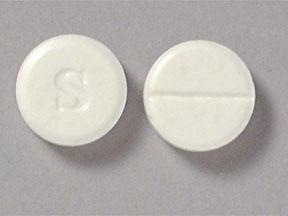
Serophene Side Effects
Generic name: clomiphene
Medically reviewed by Drugs.com. Last updated on Oct 22, 2024.
Note: This document provides detailed information about Serophene Side Effects associated with clomiphene. Some dosage forms listed on this page may not apply specifically to the brand name Serophene.
Applies to clomiphene: oral tablet.
Precautions
It is very important that your doctor check your progress at regular visits to make sure this medicine is working and to check for unwanted effects.
At certain times in your menstrual cycle, your doctor may want you to use an ovulation prediction test kit. Follow your doctor's instructions carefully. Ovulation is controlled by luteinizing hormone (LH). LH is present in the blood and urine in very small amounts during most of the menstrual cycle but rises suddenly for a short time in the middle of the menstrual cycle. This sharp rise, the LH surge, usually causes ovulation within about 30 hours. A woman is most likely to become pregnant if she has intercourse within the 24 hours after detecting the LH surge. Ovulation prediction test kits are used to test for this large amount of LH in the urine. This method is better for predicting ovulation than measuring daily basal body temperature. It is important that intercourse take place at the correct time to give you the best chance of becoming pregnant.
There is a chance that clomiphene (the active ingredient contained in Serophene) may cause birth defects if it is taken after you become pregnant. Stop taking clomiphene and tell your doctor immediately if you think you have become pregnant while still taking clomiphene.
This medicine may cause blurred vision, difficulty in reading, or other changes in vision. It may also cause some people to become dizzy or lightheaded. Make sure you know how you react to this medicine before you drive, use machines, or do anything else that could be dangerous if you are not clear-headed or able to see well. If these reactions are especially bothersome, check with your doctor.
Serious side effects of Serophene
Along with its needed effects, clomiphene may cause some unwanted effects. Although not all of these side effects may occur, if they do occur they may need medical attention.
Check with your doctor immediately if any of the following side effects occur while taking clomiphene:
More common side effects
- bloating
- stomach or pelvic pain
Check with your doctor as soon as possible if any of the following side effects occur while taking clomiphene:
Less common or rare side effects
- blurred vision
- decreased or double vision or other vision problems
- seeing flashes of light
- sensitivity of eyes to light
- yellow eyes or skin
Other side effects of Serophene
Some side effects of clomiphene may occur that usually do not need medical attention. These side effects may go away during treatment as your body adjusts to the medicine. Also, your health care professional may be able to tell you about ways to prevent or reduce some of these side effects.
Check with your health care professional if any of the following side effects continue or are bothersome or if you have any questions about them:
More common side effects
Less common or rare side effects
- breast discomfort
- dizziness or lightheadedness
- headache
- heavy menstrual periods or bleeding between periods
- mental depression
- nausea or vomiting
- nervousness
- restlessness
- tiredness
- trouble in sleeping
See also:
Clomid
Clomid (clomiphene) is used to stimulate ovulation when the ovaries can produce a follicle but ...
Menopur
Menopur is used for female infertility, follicle stimulation, ovulation induction
Dupixent
Dupixent is used to treat eczema, eosinophilic or oral-corticosteroid-dependent asthma, chronic ...
Gonal-f
Gonal-f is used for follicle stimulation, hypogonadism, male, ovulation induction
Follistim AQ
Follistim AQ (follicle stimulating hormone) is used to stimulate a follicle (egg) to develop and ...
Gonal-f RFF
Gonal-f RFF is used for follicle stimulation, hypogonadism, male, ovulation induction
Pergonal
Pergonal is used for female infertility, follicle stimulation, ovulation induction
Urofollitropin
Urofollitropin is used for female infertility, follicle stimulation
Menotropins
Menotropins is used for female infertility, follicle stimulation, ovulation induction
For healthcare professionals
Applies to clomiphene: compounding powder, oral tablet.
General adverse events
At recommended doses, this drug is well tolerated. Most side effects have been mild and transient and disappear promptly after treatment has stopped.[Ref]
Genitourinary
- Very common (10% or more): Ovarian enlargement (up to 13.6%), vasomotor flushes (10.4%)
- Common (1% to 10%): Abdominal/pelvic discomfort/distention/bloating, breast discomfort, uterine bleeding abnormal, intermenstrual spotting, menorrhagia
- Frequency not reported: Urinary frequency increased, urinary volume increased, vaginal dryness
- Postmarketing reports: Endometriosis, ovarian hemorrhage, tubal pregnancy, uterine hemorrhage, reduced endometrial thickness, ovarian hemorrhage, tubal pregnancy, uterine hemorrhage, endometrial thickness reduced
Fetal/Neonatal Patients:
- Postmarketing reports: Hypospadias, cloacal exstrophy[Ref]
Ocular
- Common (1% to 10%): Blurred vision, lights, floaters, waves, unspecified visual complaints, photophobia, diplopia, scotomata, phosphenes
- Postmarketing reports: Abnormal accommodation, cataract, eye pain, macular edema, optic neuritis, photopsia, posterior vitreous detachment, retinal hemorrhage, retinal thrombosis, retinal vascular spasm, temporary or prolonged loss of vision
Fetal/Neonatal Patients:
- Postmarketing reports: Eye malformed, lens malformed/cataract[Ref]
Cardiovascular
- Postmarketing reports: Arrhythmia, chest pain, hypertension, palpitation, phlebitis, tachycardia, thrombophlebitis
Fetal/Neonatal Patients:
- Postmarketing reports: Septal heart defect, muscular ventricular septal defect, patent ductus arteriosus, tetralogy of Fallot, coarctation of aorta[Ref]
Endocrine
- Postmarketing reports: Thyroid disorder
Fetal/Neonatal Patients:
- Postmarketing reports: Dwarfism[Ref]
Oncologic
- Frequency not reported: Ovarian cancer, ovarian tumor
- Postmarketing reports: Ovarian cyst, hepatic hemangiosarcoma, liver cell adenoma, hepatocellular carcinoma, fibrocystic disease, breast carcinoma, endometrial carcinoma, astrocytoma, pituitary tumor, prolactinoma, neurofibromatosis, glioblastoma multiforme, brain abscess, ovary (luteoma of pregnancy, dermoid cyst of the ovary, ovarian carcinoma, hydatiform mole, choriocarcinoma, melanoma, myeloma, perianal cysts, renal cell carcinoma, Hodgkin's lymphoma, tongue carcinoma, bladder carcinoma
Fetal/Neonatal Patients:
- Postmarketing reports: Neuroectodermal tumor, thyroid tumor, hepatoblastoma, lymphocytic leukemia[Ref]
Nervous system
- Common (1% to 10%): Headache
- Frequency not reported: Dizziness, lightheadedness
- Postmarketing reports: Migraine headache, paresthesia, seizure, stroke, syncope
Fetal/Neonatal Patients:
- Postmarketing reports: Neural tube defect, anencephaly, meningomyelocele), microcephaly, hydrocephalus[Ref]
Dermatologic
- Frequency not reported: Dermatitis, rash, hair loss/dry hair
- Postmarketing reports: Acne, allergic reaction, erythema, erythema multiforme, erythema nodosum, hypertrichosis, pruritus, urticaria[Ref]
Gastrointestinal
- Common (1% to 10%): Nausea, vomiting
- Frequency not reported: Acute abdomen, constipation, diarrhea
- Postmarketing reports: Pancreatitis
Fetal/Neonatal Patients:
- Postmarketing reports: Cleft lip/palate, imperforate anus, tracheoesophageal fistula, diaphragmatic hernia, omphalocele[Ref]
Hematologic
- Postmarketing reports: Leukocytosis[Ref]
Hepatic
- Postmarketing reports: Increased transaminases, hepatitis[Ref]
Metabolic
- Frequency not reported: Appetite increased, serum desmosterol levels increase
- Postmarketing reports: Hypertriglyceridemia[Ref]
Musculoskeletal
- Postmarketing reports: Arthralgia, back pain, myalgia
Fetal/Neonatal Patients:
- Postmarketing reports: Abnormal bone development, skeletal malformations of skull/face/nasal passages/jaw/hand limb/foot/spine/joints[Ref]
Other
- Frequency not reported: Fatigue, vertigo, weight gain, weight loss
- Postmarketing reports: Fever, tinnitus, weakness, edema
Fetal/Neonatal Patients:
- Postmarketing reports: Down's syndrome, ear abnormal, deafness[Ref]
Psychiatric
- Frequency not reported: Depression, insomnia, nervous tension
- Postmarketing reports: Anxiety, irritability, mood changed, psychosis
Fetal/Neonatal Patients:
- Postmarketing reports: Intellectual disability[Ref]
Respiratory
- Postmarketing reports: Pulmonary embolism, shortness of breath
Fetal/Neonatal Patients:
- Postmarketing reports: Lung tissue malformation[Ref]
Renal
Fetal/Neonatal Patients:
- Postmarketing reports: Renal agenesis, renal dysgenesis[Ref]
References
1. (2022) "Product Information. ClomiPHENE Citrate (clomiPHENE)." Teva Pharmaceuticals USA
Frequently asked questions
More about Serophene (clomiphene)
- Check interactions
- Compare alternatives
- Reviews (1)
- Drug images
- Dosage information
- During pregnancy
- Drug class: synthetic ovulation stimulants
- Breastfeeding
Patient resources
Other brands
Professional resources
Other brands
Related treatment guides
Further information
Serophene side effects can vary depending on the individual. Always consult your healthcare provider to ensure the information displayed on this page applies to your personal circumstances.
Note: Medication side effects may be underreported. If you are experiencing side effects that are not listed, submit a report to the FDA by following this guide.