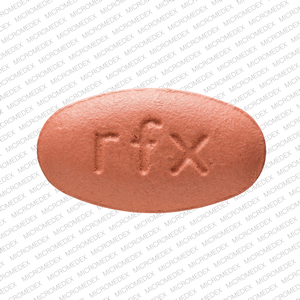
Rifaximin Side Effects
Medically reviewed by Drugs.com. Last updated on Sep 27, 2023.
Applies to rifaximin: oral tablet.
Serious side effects of rifaximin
Along with its needed effects, rifaximin may cause some unwanted effects. Although not all of these side effects may occur, if they do occur they may need medical attention.
Check with your doctor immediately if any of the following side effects occur while taking rifaximin:
More common
- anxiety
- black, tarry stools
- bladder pain
- bloody or cloudy urine
- difficult, burning, or painful urination
- dizziness or lightheadedness
- frequent urge to urinate
- lower back or side pain
- muscle spasm
- rapid breathing
- trouble sleeping
Less common
- blood in the urine
- bloody nose
- chest pain
- continuing ringing or buzzing or other unexplained noise in the ears
- fainting
- feeling of constant movement of self or surroundings
- increased heart rate
- sensation of spinning
- sunken eyes
- ulcers, sores, or white spots in the mouth
- unusual bleeding or bruising
- unusual tiredness or weakness
Incidence not known
- cracks in the skin
- hives or welts, itching skin, or rash
- large, hive-like swelling on the face, eyelids, lips, tongue, throat, hands, legs, feet, or sex organs
- loss of heat from the body
- red, swollen skin
- redness of the skin
- scaly skin
Other side effects of rifaximin
Some side effects of rifaximin may occur that usually do not need medical attention. These side effects may go away during treatment as your body adjusts to the medicine. Also, your health care professional may be able to tell you about ways to prevent or reduce some of these side effects.
Check with your health care professional if any of the following side effects continue or are bothersome or if you have any questions about them:
More common
- bloated
- constipation
- difficulty with moving
- excess air or gas in the stomach or intestines
- fever
- frequent urge to defecate
- full feeling
- headache
- muscle pain or stiffness
- pain in the joints
- passing gas
- stomach pain or bloating
- straining while passing stool
- swelling of the hands, ankles, feet, or lower legs
Less common
- abnormal dreams
- blurred vision
- chills
- confusion
- cough
- decreased urination
- difficulty having a bowel movement (stool)
- dizziness, faintness, or lightheadedness when getting up suddenly from a lying or sitting position
- dry lips
- dry mouth
- ear pain
- feeling of warmth
- hearing loss
- loss of appetite
- loss of taste
- nausea
- painful or difficult urination
- pale skin
- redness of the face, neck, arms, and occasionally, upper chest
- sore throat
- sweating
- swollen glands
- thirst
- vomiting
- wrinkled skin
For healthcare professionals
Applies to rifaximin: oral tablet.
General
When used for the treatment of travelers' diarrhea, the most common side effect was headache. This drug was discontinued due to side effects in 0.4% of patients; such side effects were taste loss, dysentery, decreased weight, anorexia, nausea, and nasal passage irritation.
When used for reduction in risk of overt hepatic encephalopathy recurrence, the most common side effects were peripheral edema, nausea, dizziness, fatigue, and ascites.
When used for the treatment of irritable bowel syndrome with diarrhea, the most common side effects were nausea and increased ALT.[Ref]
Gastrointestinal
- Very common (10% or more): Nausea (up to 14.3%), ascites (11.4%), flatulence (up to 11%)
- Common (1% to 10%): Abdominal pain, abdominal distension, rectal tenesmus, upper abdominal pain, defecation urgency, constipation, stomach discomfort, vomiting, lower abdominal pain, abdominal tenderness, dry mouth, esophageal variceal bleed, diarrhea, bloating and distension, nausea and vomiting symptoms
- Uncommon (0.1% to 1%): Dry lips, dyspepsia, gastrointestinal motility disorder, hard feces, hematochezia, mucous stools, taste disorders
- Frequency not reported: Blood in stool, dysentery, fecal abnormality, gingival disorder, inguinal hernia, straining, bad taste in mouth, Clostridium colitis
- Postmarketing reports: Clostridioides difficile-associated colitis[Ref]
Other
- Very common (10% or more): Peripheral edema (15%), fatigue (up to 12.1%)
- Common (1% to 10%): Pyrexia, chest pain, pain, generalized edema, influenza-like illness, contusion, fall, procedural pain
- Uncommon (0.1% to 1%): Ear pain, candidiasis, hot flush, edema, herpes simplex, asthenic conditions, pain and discomfort, chills
- Rare (less than 0.1%): Asthenia
- Frequency not reported: Motion sickness, malaise, hot flashes
- Postmarketing reports: Clostridial infections (C difficile)[Ref]
Nervous system
- Very common (10% or more): Dizziness (up to 13%), headache (10%)
- Common (1% to 10%): Vertigo, amnesia, disturbance in attention, hypoesthesia, memory impairment, tremor
- Uncommon (0.1% to 1%): Balance disorders, convulsion, attention disorders, migraine, paresthesia, sinus headache, somnolence
- Frequency not reported: Syncope, tinnitus, loss of taste
- Postmarketing reports: Presyncope, syncope[Ref]
Hypersensitivity
- Frequency not reported: Anaphylactic reactions
- Postmarketing reports: Hypersensitivity reactions (including exfoliative dermatitis, rash, angioneurotic edema [swelling of face and tongue and difficulty swallowing], urticaria, pruritus, flushing, anaphylaxis), anaphylactic responses, angioedemas, hypersensitivity[Ref]
Hypersensitivity reactions have occurred as early as within 15 minutes of drug administration.[Ref]
Dermatologic
- Common (1% to 10%): Pruritus, rash, cellulitis
- Uncommon (0.1% to 1%): Eruptions and exanthemas, sunburn, hyperhidrosis/increased sweating, cold sweat
- Frequency not reported: Clamminess
- Postmarketing reports: Angioedema, dermatitis, exfoliative dermatitis, eczema, erythemas, pruritus, purpura, urticarias[Ref]
Musculoskeletal
- Common (1% to 10%): Muscle spasms, arthralgia, back pain, myalgia, pain in extremity
- Uncommon (0.1% to 1%): Neck pain, muscular weakness
- Frequency not reported: Increased blood creatine phosphokinase
- Postmarketing reports: Rhabdomyolysis[Ref]
Rhabdomyolysis has been reported in patients with cirrhosis (with and without concurrent statin use).[Ref]
Hematologic
- Common (1% to 10%): Anemia
- Uncommon (0.1% to 1%): Lymphocytosis, monocytosis, neutropenia
- Postmarketing reports: Thrombocytopenia, INR abnormalities[Ref]
Respiratory
- Common (1% to 10%): Cough, nasopharyngitis, dyspnea, upper respiratory tract infection, rhinitis, pneumonia, epistaxis
- Uncommon (0.1% to 1%): Pleural effusion, pharyngitis, oropharyngeal pain, rhinorrhea, dry throat, nasal congestion
- Rare (less than 0.1%): Chronic obstructive pulmonary disease
- Frequency not reported: Respiratory tract infection, nasal passage irritation, pharyngolaryngeal pain[Ref]
Psychiatric
- Common (1% to 10%): Depression, insomnia, confusional state
- Uncommon (0.1% to 1%): Anxiety, hypersomnia, abnormal dreams, depressed mood, nervousness[Ref]
Metabolic
- Common (1% to 10%): Increased weight, anorexia, dehydration, hyperglycemia, hyperkalemia, hypoglycemia, hyponatremia
- Uncommon (0.1% to 1%): Decreased appetite
- Frequency not reported: Decreased weight[Ref]
Cardiovascular
- Common (1% to 10%): Hypotension
- Uncommon (0.1% to 1%): Palpitations, increased blood pressure
- Rare (less than 0.1%): Hypertension[Ref]
Genitourinary
- Uncommon (0.1% to 1%): Urinary tract infection, dysuria, polyuria, proteinuria, pollakiuria, blood in urine present, glycosuria, polymenorrhea
- Frequency not reported: Choluria, hematuria, urinary frequency[Ref]
Hepatic
- Common (1% to 10%): Increased ALT
- Uncommon (0.1% to 1%): Increased AST
- Postmarketing reports: Liver function test abnormalities[Ref]
Ocular
- Uncommon (0.1% to 1%): Diplopia[Ref]
References
1. (2004) "Product Information. Xifaxan (rifaximin)." Salix Pharmaceuticals
2. Cerner Multum, Inc. "Australian Product Information."
3. Cerner Multum, Inc. "UK Summary of Product Characteristics."
4. Pimentel M, Park S, Mirocha J, Kane SV, Kong Y (2006) "The effect of a nonabsorbed oral antibiotic (rifaximin) on the symptoms of the irritable bowel syndrome: a randomized trial." Ann Intern Med, 145, p. 557-63
5. Trapnell CB, Connolly M, Pentikis H, Forbes B, Bettenhausen DK (2007) "Absence of effect of oral rifaximin on the pharmacokinetics of ethinyl estradiol/norgestimate in healthy females." Ann Pharmacother, 41, p. 222-8
6. Juillerat P, Pittet V, Felley C, et al. (2007) "Drug safety in Crohn's disease therapy." Digestion, 76, p. 161-8
7. Garey KW, Salazar M, Shah D, Rodrigue R, Dupont HL (2008) "Rifamycin antibiotics for treatment of Clostridium difficile-associated diarrhea." Ann Pharmacother, 42, p. 827-35
8. (2010) "Rifaximin (Xifaxan 550) for hepatic encephalopathy." Med Lett Drugs Ther, 52, p. 87
9. Hynicka LM, Silva KN (2012) "Probable rifaximin-induced neutropenia." Am J Health Syst Pharm, 69, p. 583-6
More about rifaximin
- Check interactions
- Compare alternatives
- Reviews (151)
- Dosage information
- During pregnancy
- Drug class: miscellaneous antibiotics
- Breastfeeding
- En español
Patient resources
Other brands
Professional resources
Other brands
Related treatment guides
Further information
Rifaximin side effects can vary depending on the individual. Always consult your healthcare provider to ensure the information displayed on this page applies to your personal circumstances.
Some side effects may not be reported. You may report them to the FDA.