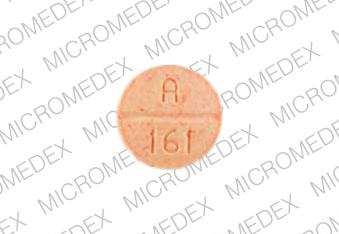
Pemoline Side Effects
Medically reviewed by Drugs.com. Last updated on Nov 9, 2023.
Applies to pemoline: oral tablet, oral tablet chewable.
Warning
Pemoline was withdrawn from the U.S. market in 2005.
In rare cases, pemoline has caused severe liver damage resulting in death or liver transplant. Notify your doctor immediately if you develop nausea, vomiting, abdominal pain, unusual fatigue, loss of appetite, yellow skin or eyes, itching, clay-colored stools, or dark urine. These symptoms may be early signs of liver damage. Before taking pemoline, you will be required to discuss with your doctor the risks and benefits of this medicine and to sign an informed consent stating that you understand these risks and benefits. Also, your doctor will need to monitor your liver function with blood tests before starting therapy with pemoline, and every two weeks thereafter.
Use caution when driving, operating machinery, or performing other hazardous activities. Pemoline may cause dizziness or impair your ability to concentrate. If you experience dizziness or impaired concentration, avoid these activities.
If you experience any of the following serious side effects, stop taking pemoline and seek emergency medical attention or notify your doctor immediately:
-
an allergic reaction (difficulty breathing; closing of your throat; swelling of your lips, tongue, or face; or hives);
-
liver damage (nausea, vomiting, abdominal pain, unusual fatigue, loss of appetite, yellow skin or eyes, itching, clay-colored stools, or dark urine)
-
seizures;
-
unusual behavior, confusion, or hallucinations; or
-
unusual movements of the tongue, lips, face, or arms and legs.
Other, less serious side effects may be more likely to occur. Continue to take pemoline and talk to your doctor if you experience
-
nervousness, headache, or drowsiness;
-
mild depression; or
-
nausea, decreased appetite, or weight loss.
Pemoline is habit forming and may cause drug dependence. Do not stop taking it suddenly.
Side effects other than those listed here may also occur. Talk to your doctor about any side effect that seems unusual or that is especially bothersome.
For Healthcare Professionals
Applies to pemoline: oral tablet, oral tablet chewable.
Hepatic
Hepatic side effects have included asymptomatic reversible increases in liver enzymes, hepatitis, jaundice, and life threatening hepatic failure.[Ref]
As of October 2005, hepatic failure resulting in liver transplant or death, usually within 4 weeks of onset of signs and symptoms of hepatic failure, has been reported in at least 13 patients receiving pemoline. The reporting rate for hepatic failure with pemoline is 10 to 25 times greater than the background rate of hepatic failure in the general population.[Ref]
General
General side effects have included insomnia which has been reported to be the most frequent side effect with the use of pemoline. Growth suppression has been associated with the long term use of stimulants in children.[Ref]
Insomnia tends to occur early in therapy. Most cases are transient and respond to a reduction in dosage.[Ref]
Hematologic
Hematologic side effects including aplastic anemia have been reported.[Ref]
Nervous system
Nervous system side effects including seizures, hallucinations, dyskinetic movements of the tongue, lips, face, and extremities, mild depression, dizziness, increased irritability, headache, and drowsiness have been reported.[Ref]
Ocular
Ocular side effects have included nystagmus and oculogyric crisis.[Ref]
Gastrointestinal
Gastrointestinal side effects including anorexia, weight loss, nausea, and stomach ache have been reported.[Ref]
Anorexia and weight loss tend to occur during the first weeks of therapy. Most cases are transient. Weight gain usually resumes within 3 to 6 months.[Ref]
Dermatologic
Dermatologic side effects have included skin rash.[Ref]
Cardiovascular
Cardiovascular side effects including a case of severe hypotension have been reported.[Ref]
The case of severe hypotension was reported in a patient receiving pemoline during general anesthesia.[Ref]
Other
Other side effects including ototoxicity have been reported.[Ref]
Genitourinary
Genitourinary side effects have included an isolated case of elevated serum acid phosphatase in one man with prostatic enlargement. (The serum acid phosphatase normalized upon discontinuation of pemoline and elevated again on rechallenge.)[Ref]
More about pemoline
- Check interactions
- Compare alternatives
- Reviews (19)
- Drug images
- Dosage information
- During pregnancy
- Drug class: CNS stimulants
Patient resources
Other brands
Related treatment guides
References
1. Berkovitch M, Pope E, Phillips J, Koren G. Pemoline-associated fulminant liver failure: testing the evidence for causation. Clin Pharmacol Ther. 1995;57:696-8.
2. Sterling MJ, Kane M, Grace ND. Pemoline-induced autoimmune hepatitis. Am J Gastroenterol. 1996;91:2233-4.
3. Product Information. Cylert (pemoline). Abbott Pharmaceutical. 2001;PROD.
4. Shuster J. Adverse drug reaction. Pemoline and dyskinesia. Nursing. 1999;29:24.
5. Bohringer CH, Jahr JS, Rowell S, Mayer K. Severe hypotension in a patient receiving pemoline during general anesthesia. Anesth Analg. 2000;91:1131-3.
6. Multum Information Services, Inc. Expert Review Panel
Further information
Always consult your healthcare provider to ensure the information displayed on this page applies to your personal circumstances.
Some side effects may not be reported. You may report them to the FDA.