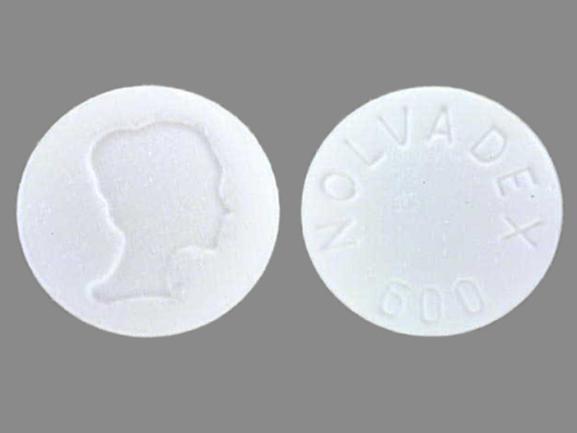
Drug Information
Side Effects > Nolvadex

Nolvadex Side Effects

Generic name: tamoxifen

Generic Name: Tamoxifen

Please note - some side effects for Nolvadex may not be reported. Always consult your doctor or healthcare specialist for medical advice. You may also report side effects to the FDA at http://www.fda.gov/medwatch/ or 1-800-FDA-1088 (1-800-332-1088).


For the consumer

For the professional

By body system

Side Effects of Nolvadex - for the consumer


Nolvadex

All medicines may cause side effects, but many people have no, or minor side effects. Check with your doctor if any of these most COMMON side effects persist or become bothersome when using Nolvadex:

Bone pain; constipation; coughing; hot flashes; muscle pain; nausea; tiredness; vaginal discharge; weight loss.

Seek medical attention right away if any of these SEVERE side effects occur when using Nolvadex:

Severe allergic reactions (rash; hives; itching; difficulty breathing; tightness in the chest; swelling of the mouth, face, lips, or tongue; unexplained hoarseness); abnormal menstrual periods; abnormal vaginal bleeding or bloody discharge; chest pain; coughing up blood; dark urine; decreased sexual desire or ability; depression; fever, chills, or persistent sore throat; groin or pelvic pain or pressure; loss of appetite; loss of balance or coordination; missed menstrual period; new or increased breast tumor or pain; new or unusual lumps; one-sided weakness; pain or swelling in one or both legs; red, swollen, blistered, or peeling skin; severe or persistent tiredness or weakness; shortness of breath; skin changes; stomach pain; sudden severe headache; swelling of the arms or the legs; unusual bleeding or bruising; vision or speech problems; yellowing of the eyes or skin.

Top

For the professional


Nolvadex

Adverse reactions to Nolvadex are relatively mild and rarely severe enough to require discontinuation of treatment in breast cancer patients.

Continued clinical studies have resulted in further information which better indicates the incidence of adverse reactions with Nolvadex as compared to placebo.

Metastatic Breast Cancer:

Increased bone and tumor pain and, also, local disease flare have occurred, which are sometimes associated with a good tumor response. Patients with increased bone pain may require additional analgesics. Patients with soft tissue disease may have sudden increases in the size of preexisting lesions, sometimes associated with marked erythema within and surrounding the lesions and/or the development of new lesions. When they occur, the bone pain or disease flare are seen shortly after starting Nolvadex and generally subside rapidly.

In patients treated with Nolvadex for metastatic breast cancer, the most frequent adverse reaction to Nolvadex is hot flashes.

Other adverse reactions which are seen infrequently are hypercalcemia, peripheral edema, distaste for food, pruritus vulvae, depression, dizziness, light-headedness, headache, hair thinning and/or partial hair loss, and vaginal dryness.

Premenopausal Women:

The following table summarizes the incidence of adverse reactions reported at a frequency of 2% or greater from clinical trials (Ingle, Pritchard, Buchanan) which compared Nolvadex therapy to ovarian ablation in premenopausal patients with metastatic breast cancer.

Adverse Reactions*

Nolvadex

All Effects

% of Women

n=104

Ovarian Ablation

All Effects

% of Women

n=100

*
Some women had more than one adverse reaction

Flush

33

46

Amenorrhea

16

69

Altered Menses

13

5

Oligomenorrhea

9

1

Bone Pain

6

6

Menstrual Disorder

6

4

Nausea

5

4

Cough/Coughing

4

1

Edema

4

1

Fatigue

4

1

Muscoloskeletal Pain

3

0

Pain

3

4

Ovarian Cyst(s)

3

2

Depression

2

2

Abdominal Cramps

1

2

Anorexia

1

2

Male Breast Cancer:

Nolvadex is well tolerated in males with breast cancer. Reports from the literature and case reports suggest that the safety profile of Nolvadex in males is similar to that seen in women. Loss of libido and impotence have resulted in discontinuation of tamoxifen therapy in male patients. Also, in oligospermic males treated with tamoxifen, LH, FSH, testosterone and estrogen levels were elevated. No significant clinical changes were reported.

Adjuvant Breast Cancer:

In the NSABP B-14 study, women with axillary node-negative breast cancer were randomized to 5 years of Nolvadex 20 mg/day or placebo following primary surgery. The reported adverse effects are tabulated below (mean follow-up of approximately 6.8 years) showing adverse events more common on Nolvadex than on placebo. The incidence of hot flashes (64% vs. 48%), vaginal discharge (30% vs. 15%), and irregular menses (25% vs. 19%) were higher with Nolvadex compared with placebo. All other adverse effects occurred with similar frequency in the 2 treatment groups, with the exception of thrombotic events; a higher incidence was seen in Nolvadex-treated patients (through 5 years, 1.7% vs. 0.4%). Two of the patients treated with Nolvadex who had thrombotic events died.

NSABP B-14 Study

% of Women

Adverse Effect

Nolvadex

(n-1422)

Placebo

(n=1437)

*
Defined as a platelet count of <100,000/mm3

Hot Flashes

64

48

Fluid Retention

32

30

Vaginal Discharge

30

15

Nausea

26

24

Irregular Menses

25

19

Weight Loss (>5%)

23

18

Skin Changes

19

15

Increased SGOT

5

3

Increased Bilirubin

2

1

Increased Creatinine

2

1

Thrombocytopenia*

2

1

Thrombotic Events

Deep Vein Thrombosis

0.8

0.2

Pulmonary Embolism

0.5

0.2

Superficial Phlebitis

0.4

0.0

In the Eastern Cooperative Oncology Group (ECOG) adjuvant breast cancer trial, Nolvadex or placebo was administered for 2 years to women following mastectomy. When compared to placebo, Nolvadex showed a significantly higher incidence of hot flashes (19% vs. 8% for placebo). The incidence of all other adverse reactions was similar in the 2 treatment groups with the exception of thrombocytopenia where the incidence for Nolvadex was 10% vs. 3% for placebo, an observation of borderline statistical significance.

In other adjuvant studies, Toronto and Nolvadex Adjuvant Trial Organization (NATO), women received either Nolvadex or no therapy. In the Toronto study, hot flashes were observed in 29% of patients for Nolvadex vs. 1% in the untreated group. In the NATO trial, hot flashes and vaginal bleeding were reported in 2.8% and 2.0% of women, respectively, for Nolvadex vs. 0.2% for each in the untreated group.

Anastrozole Adjuvant Trial — Study of Anastrozole compared to Nolvadex for Adjuvant Treatment of Early Breast Cancer

See CLINICAL PHARMACOLOGY - Clinical Studies. At a median follow-up of 33 months, the combination of anastrozole and Nolvadex did not demonstrate any efficacy benefit when compared to Nolvadex therapy given alone, in all patients as well as in the hormone receptor positive subpopulation. This treatment arm was discontinued from the trial. The median duration of adjuvant treatment for safety evaluation was 59.8 months and 59.6 months for patients receiving anastrozole 1 mg and Nolvadex 20 mg, respectively.

Adverse events occurring with an incidence of at least 5% in either treatment group during treatment or within 14 days of the end of treatment are presented in the following table.

Adverse events occurring with an incidence of at least 5% in either treatment group during treatment, or within 14 days of the end of treatment*
*
The combination arm was discontinued due to lack of efficacy benefit at 33 months of follow-up.
A patient may have had more than 1 adverse event, including more than 1 adverse event in the same body system.
N = Number of patients receiving the treatment
§
Vaginal Hemorrhage without further diagnosis.

Body system and adverse event by

COSTART-preferred term

Anastrozole

1 mg

(N = 3092)

Nolvadex

20 mg

(N = 3094)

Body as a whole

Asthenia

575 (19)

544 (18)

Pain

533 (17)

485 (16)

Back pain

321 (10)

309 (10)

Headache

314 (10)

249 (8)

Abdominal pain

271 (9)

276 (9)

Infection

285 (9)

276 (9)

Accidental injury

311 (10)

303 (10)

Flu syndrome

175 (6)

195 (6)

Chest pain

200 (7)

150 (5)

Neoplasm

162 (5)

144 (5)

Cyst

138 (5)

162 (5)

Cardiovascular

Vasodilatation

1104 (36)

1264 (41)

Hypertension

402 (13)

349 (11)

Digestive

Nausea

343 (11)

335 (11)

Constipation

249 (8)

252 (8)

Diarrhea

265 (9)

216 (7)

Dyspepsia

206 (7)

169 (6)

Gastrointestinal disorder

210 (7)

158 (5)

Hemic and lymphatic

Lymphoedema

304 (10)

341 (11)

Anemia

113 (4)

159 (5)

Metabolic and nutritional

Peripheral edema

311 (10)

343 (11)

Weight gain

285 (9)

274 (9)

Hypercholesterolemia

278 (9)

108 (3.5)

Musculoskeletal

Arthritis

512 (17)

445 (14)

Arthralgia

467 (15)

344 (11)

Osteoporosis

325 (11)

226 (7)

Fracture

315 (10)

209 (7)

Bone pain

201 (7)

185 (6)

Arthrosis

207 (7)

156 (5)

Joint Disorder

184 (6)

160 (5)

Myalgia

179 (6)

160 (5)

Nervous system

Depression

413 (13)

382 (12)

Insomnia

309 (10)

281 (9)

Dizziness

236 (8)

234 (8)

Anxiety

195 (6)

180 (6)

Paraesthesia

215 (7)

145 (5)

Respiratory

Pharyngitis

443 (14)

422 (14)

Cough increased

261 (8)

287 (9)

Dyspnea

234 (8)

237 (8)

Sinusitis

184 (6)

159 (5)

Bronchitis

167 (5)

153 (5)

Skin and appendages

Rash

333 (11)

387 (13)

Sweating

145 (5)

177 (6)

Special Senses

Cataract Specified

182 (6)

213 (7)

Urogenital

Leukorrhea

86 (3)

286 (9)

Urinary tract infection

244 (8)

313 (10)

Breast pain

251 (8)

169 (6)

Breast Neoplasm

164 (5)

139 (5)

Vulvovaginitis

194 (6)

150 (5)

Vaginal Hemorrhage§

122 (4)

180 (6)

Vaginitis

125 (4)

158 (5)

COSTART Coding Symbols for Thesaurus of Adverse Reaction Terms.

Certain adverse events and combinations of adverse events were prospectively specified for analysis, based on the known pharmacologic properties and side effect profiles of the two drugs.

Number (%) of patients with Pre-Specified Adverse Event in Anastrozole Adjuvant Trial*

Anastrozole N=3092

(%)

Nolvadex

N=3094

(%)

Odds-ratio

95% CI

*
Patients with multiple events in the same category are counted only once in that category.
The odds ratio <1.00 favor anastrozole and those >1.00 favor Nolvadex
Refers to joint symptoms, including joint disorder, arthritis, arthrosis and arthralgia.
§
Percentages calculated based upon the numbers of patients with an intact uterus at baseline.

Hot Flashes

1104 (36)

1264 (41)

0.80

0.73 − 0.89

Musculoskeletal Events

1100 (36)

911 (29)

1.32

1.19 − 1.47

Fatigue/Asthenia

575 (19)

544 (18)

1.07

0.94 − 1.22

Mood Disturbances

597 (19)

554 (18)

1.10

0.97 − 1.25

Nausea and Vomiting

393 (13)

384 (12)

1.03

0.88 − 1.19

All Fractures

315 (10)

209 (7)

1.57

1.30 − 1.88

Fractures of Spine, Hip, or Wrist

133 (4)

91 (3)

1.48

1.13 − 1.95

Wrist/Colles’ fractures

67 (2)

50 (2)

Spine fractures

43 (1)

22 (1)

Hip fractures

28 (1)

26 (1)

Cataracts

182 (6)

213 (7)

0.85

0.69 − 1.04

Vaginal Bleeding

167 (5)

317 (10)

0.50

0.41 − 0.61

Ischemic Cardiovascular Disease

127 (4)

104 (3)

1.23

0.95 − 1.60

Vaginal Discharge

109 (4)

408 (13)

0.24

0.19 − 0.30

Venous Thromboembolic events

87 (3)

140 (5)

0.61

0.47 − 0.80

Deep Venous Thromboembolic Events

48 (2)

74 (2)

0.64

0.45 − 0.93

Ischemic Cerebrovascular Event

62 (2)

88 (3)

0.70

0.50 − 0.97

Endometrial Cancer§

4 (0.2)

13 (0.6)

0.31

0.10 − 0.94

Patients receiving anastrozole had an increase in joint disorders (including arthritis, arthrosis and arthralgia) compared with patients receiving Nolvadex. Patients receiving anastrozole had an increase in the incidence of all fractures (specifically fractures of spine, hip and wrist) [315 (10%)] compared with patients receiving Nolvadex [209 (7%)]. Patients receiving anastrozole had a decrease in hot flashes, vaginal bleeding, vaginal discharge, endometrial cancer, venous thromboembolic events and ischemic cerebrovascular events compared with patients receiving Nolvadex.

Patients receiving Nolvadex had a decrease in hypercholesterolemia (108 [3.5%]) compared to patients receiving anastrozole (278 [9%]). Angina pectoris was reported in 71 [2.3%] patients in the anastrozole arm and 51 [1.6%] patients in the Nolvadex arm; myocardial infarction was reported in 37 [1.2%] patients in the anastrozole arm and in 34 [1.1%] patients in the Nolvadex arm.

Results from the adjuvant trial bone substudy, at 12 and 24 months demonstrated that patients receiving anastrozole had a mean decrease in both lumbar spine and total hip bone mineral density (BMD) compared to baseline. Patients receiving Nolvadex had a mean increase in both lumbar spine and total hip BMD compared to baseline.

Ductal Carcinoma in Situ (DCIS):

The type and frequency of adverse events in the NSABP B-24 trial were consistent with those observed in the other adjuvant trials conducted with Nolvadex.

Reduction in Breast Cancer Incidence in High Risk Women:

In the NSABP P-1 Trial, there was an increase in five serious adverse effects in the Nolvadex group: endometrial cancer (33 cases in the Nolvadex group vs. 14 in the placebo group); pulmonary embolism (18 cases in the Nolvadex group vs. 6 in the placebo group); deep vein thrombosis (30 cases in the Nolvadex group vs. 19 in the placebo group); stroke (34 cases in the Nolvadex group vs. 24 in the placebo group); cataract formation (540 cases in the Nolvadex group vs. 483 in the placebo group) and cataract surgery (101 cases in the Nolvadex group vs. 63 in the placebo group).

The following table presents the adverse events observed in NSABP P-1 by treatment arm. Only adverse events more common on Nolvadex than placebo are shown.

NSABP P-1 Trial All Adverse Events % of Women

Nolvadex

N=6681

PLACEBO

N=6707

*
Number with Quality of Life Questionnaires
Number with Treatment Follow-up Forms
Number with Adverse Drug Reaction Forms

Self Reported Symptoms

N=6441*

N=6469*

Hot Flashes

80

68

Vaginal Discharges

55

35

Vaginal Bleeding

23

22

Laboratory Abnormalities

N=6520

N=6535

Platelets decreased

0.7

0.3

Adverse Effects

N=6492

N=6484

Other Toxicities

Mood

11.6

10.8

Infection/Sepsis

6.0

5.1

Constipation

4.4

3.2

Alopecia

5.2

4.4

Skin

5.6

4.7

Allergy

2.5

2.1

In the NSABP P-1 trial, 15.0% and 9.7% of participants receiving Nolvadex and placebo therapy, respectively withdrew from the trial for medical reasons. The following are the medical reasons for withdrawing from Nolvadex and placebo therapy, respectively: Hot flashes (3.1% vs. 1.5%) and Vaginal Discharge (0.5% vs. 0.1%).

In the NSABP P-1 trial, 8.7% and 9.6% of participants receiving Nolvadex and placebo therapy, respectively withdrew for non-medical reasons.

On the NSABP P-1 trial, hot flashes of any severity occurred in 68% of women on placebo and in 80% of women on Nolvadex. Severe hot flashes occurred in 28% of women on placebo and 45% of women on Nolvadex. Vaginal discharge occurred in 35% and 55% of women on placebo and Nolvadex respectively; and was severe in 4.5% and 12.3% respectively. There was no difference in the incidence of vaginal bleeding between treatment arms.

Pediatric Patients - McCune-Albright Syndrome:

Mean uterine volume increased after 6 months of treatment and doubled at the end of the one-year study. A causal relationship has not been established; however, as an increase in the incidence of endometrial adenocarcinoma and uterine sarcoma has been noted in adults treated with Nolvadex, continued monitoring of McCune-Albright patients treated with Nolvadex for long-term effects is recommended. The safety and efficacy of Nolvadex for girls aged two to 10 years with McCune-Albright Syndrome and precocious puberty have not been studied beyond one year of treatment. The long-term effects of Nolvadex therapy in girls have not been established.

Postmarketing experience:

Less frequently reported adverse reactions are vaginal bleeding, vaginal discharge, menstrual irregularities, skin rash and headaches. Usually these have not been of sufficient severity to require dosage reduction or discontinuation of treatment. Very rare reports of erythema multiforme, Stevens-Johnson syndrome, bullous pemphigoid, interstitial pneumonitis, and rare reports of hypersensitivity reactions including angioedema have been reported with Nolvadex therapy. In some of these cases, the time to onset was more than one year. Rarely, elevation of serum triglyceride levels, in some cases with pancreatitis, may be associated with the use of Nolvadex.

Top

By body system


General side effects

In general, hot flashes, nausea, and vomiting have been the most commonly reported adverse effects, occurring in up to 25% of patients.


Oncologic side effects

Oncologic side effects including numerous endometrial abnormalities have been reported with tamoxifen use. These have included both endometrial adenocarcinoma (incidence rate per 1,000 women-years of 2.20 for tamoxifen versus 0.71 for placebo) and uterine sarcoma (incidence rate per 1,000 women-years of 0.17 for tamoxifen versus 0.04 for placebo). In most women treated with tamoxifen, the endometrium remains atrophic. However, hyperplasia, metaplasia, atypical hyperplasia, and endometrial polyps have also been reported.

The National Surgical Adjuvant Breast and Bowel Cancer (NSABP) B-14 trial evaluated the incidence of endometrial cancer in women with node-negative, estrogen receptor-positive, invasive breast cancer randomized to receive either placebo or tamoxifen 20 mg per day for five years after undergoing primary therapy. Compared with the placebo group, the relative risk of endometrial cancer among tamoxifen-treated women was 7.5.

In general, patients should be examined for preexisting endometrial lesions prior to starting tamoxifen therapy. The benefits and timing of routine endometrial screening, after initial scrounge, have yet to be defined. However, any postmenopausal bleeding or abnormal bleeding in premenopausal women should prompt a gynecological evaluation.


Genitourinary side effects

Genitourinary side effects including endometriosis, vaginal bleeding, vaginal discharge, amenorrhea, altered menses, and oligomenorrhea have been reported in up to 24% of patients. However, these effects have rarely necessitated dosage reduction or drug withdrawal. Recurrent vulvovaginal candidiasis in postmenopausal women has been associated with long term treatment. Priapism and suppression of spermatogenesis have been reported in male patients treated with tamoxifen.


Musculoskeletal side effects

Musculoskeletal side effects including pain and bone pain or bone "flare" have been reported in some patients following onset of tamoxifen therapy and generally subside rapidly. Severe hypercalcemia or pancytopenia may occur in conjunction with these symptoms. In addition, patients with soft tissue disease may experience an initial increase in lesion size as well as local erythema during initiation of therapy. Other rheumatologic side effects have included a report of an acute, symmetrical inflammatory polyarthropathy.


Metabolic side effects

Life-threatening hypercalcemia may occur during initial therapy with tamoxifen in patients with bone metastases. Monitoring of serum calcium levels during early therapy is recommended for patients in whom bone metastases are present or are suspected. In cases of severe hypercalcemia, discontinuation of tamoxifen may be warranted, with reinstitution at a lower dose once calcium levels have normalized.

Bone mineral density studies have failed to find evidence of increased risk of osteoporosis in women treated with tamoxifen. One study noted a significant reduction in serum osteocalcin and alkaline phosphatase, indicating that tamoxifen may actually decrease the rate of trabecular bone resorption.

Metabolic side effects have included severe hypercalcemia. Severe hypertriglyceridemia has been reported in one patient. The drug has been shown to inhibit bone turnover in women over 70 years old.


Hepatic side effects

Hepatic side effects have included elevation in liver function tests, jaundice, peliosis hepatitis, steatohepatitis, cholestasis, and massive hepatic necrosis. While severe hepatic effects are rare, fatalities have been reported.


Hematologic side effects

Hematologic side effects have been uncommon and have included thrombocytopenia (1%), leukopenia, and agranulocytosis. Two cases of cerebral sinus thrombosis have also been reported. Small, but clinically insignificant, decreases in antithrombin III and fibrinogen have been reported.


Ocular side effects

A prospective study involving 63 patients evaluated the risk of ocular toxicity due to tamoxifen 20 mg daily for a mean duration of 25 months (range: 6 to 51 months). Ocular toxicity, characterized by decreased visual acuity and retinopathy, occurred in 4 (6.3%) patients. Irreversible subepithelial corneal opacities were noted in one patient. Earlier reports suggested ocular toxicity was only associated with high-dose (>180 mg per day) therapy. However, this study and other recent case reports support a risk with currently accepted dosage regimens.

Ocular side effects including bilateral optic neuritis, retinopathy, and subepithelial opacities have been reported. Several cases of keratopathy have also been reported.


Cardiovascular side effects

Cardiovascular side effects including stroke (incidence rate per 1,000 women years was 1.43 for tamoxifen versus 1.00 for placebo) have been reported. Hot flushes (which may be severe in up to 22.7% of patients), edema (25%), phlebitis (1%), and thromboembolism have also been reported.

Several studies evaluating the effect of tamoxifen on antithrombin III, fibrinogen, and platelets have been unable to provide clarification of thromboembolic risk in tamoxifen treated patients. In addition, despite its antiestrogenic activity, evidence is lacking to support a tamoxifen-associated increase in cardiovascular risk. One study concluded that tamoxifen and prior surgery, fracture, or immobilization were associated with a significantly increased risk of developing a venous thromboembolism. Another study found a decreased risk of myocardial infarction.

In one study of 8 premenopausal and 46 postmenopausal women with advanced breast cancer, tamoxifen 10 mg three times daily produced no effect on total cholesterol, triglycerides, or free fatty acids. A significant increase in HDL and subsequent increase in HDL/total cholesterol ratio were noted in addition to a significant reduction in LDL cholesterol. Overall, tamoxifen appeared to exert a favorable effect on the lipid profile.

One five year study has reported total serum cholesterol, LDL cholesterol, and lipoprotein to be significantly lower and apolipoprotein A1 levels significantly higher in 30 tamoxifen recipients compared with the 32 patients who did not receive tamoxifen. Apolipoprotein B levels were reported to have increased to a greater extent in the group which did not receive tamoxifen. After five years, fibrinogen level decreases and triglyceride level increases in the tamoxifen group were of borderline statistical significance. In general, the favorable changes in the lipid, lipoprotein, and fibrinogen levels seen early in tamoxifen therapy in postmenopausal women were reported to have continued to be seen five years into the treatment regimen.


Respiratory side effects

Respiratory side effects including pulmonary embolism (incidence rate per 1,000 women-years was 0.75 for tamoxifen versus 0.25 for placebo) have been reported. Cough as well as a case of exacerbation of asthma have also been reported.


Endocrine side effects

Endocrine side effects have included elevations in T4 in the absence of clinical hyperthyroidism. This may be due to tamoxifen-induced elevations in circulating thyroid binding globulin. In addition, tamoxifen suppresses prolactin release in response to breast stimulation in puerperal women. Up to 30% of male breast cancer patients may experience a decrease in libido when treated with tamoxifen.


Psychiatric side effects

Psychiatric side effects including depression and delusional syndromes have been reported rarely.


Immunologic side effects

Rechallenge with tamoxifen resulted in reappearance of lesions.

Immunologic side effects have included a case report of purpuric vasculitis.


Other side effects

Other side effects have included radiation recall and anorexia.

Tamoxifen-induced anorexia has been associated with fatty acid synthase inhibition in the ventromedial nucleus of the hypothalamus and accumulation of malonyl-CoA.


Dermatologic side effects

Dermatologic side effects including four cases of hair loss have been reported. One of those cases involved tamoxifen-induced total alopecia. A case of repigmentation following graying of the hair in a 68-year-old patient has also been reported.

Top

More resources:

Cerner Multum Soltamox

PDR Nolvadex

MedFacts Nolvadex

MedFacts Soltamox Solution

Micromedex Nolvadex - Includes detailed dosage instructions.

FDA Tamoxifen

FDA Nolvadex

FDA Soltamox

Disclaimer: Every effort has been made to ensure that the information provided is accurate, up-to-date, and complete, but no guarantee is made to that effect. In addition, the drug information contained herein may be time sensitive and should not be utilized as a reference resource beyond the date hereof. This information does not endorse drugs, diagnose patients, or recommend therapy. This drug information is a reference resource designed as supplement to, and not a substitute for, the expertise, skill , knowledge, and judgement of healthcare practitioners in patient care. The absence of a warning for a given drug or drug combination in no way should be construed to indicate that the drug of drug combination is safe, effective, or appropriate for any given patient. Drugs.com does not assume any responsibility for any aspect of healthcare administered with the aid of information provided. The information contained herein is not intended to cover all possible uses, directions, precautions, warnings, drug interactions, allergic reactions, or adverse effects. If you have questions about the drugs you are taking, check with your doctor, nurse, or pharmacist.


MedNotes
Advertisement

(web3)