Home Drugs A to Z N Ni Nisoldipine Side Effects

Nisoldipine Side Effects

Brand Names: Sular

Please note - some side effects for Nisoldipine may not be reported. Always consult your doctor or healthcare specialist for medical advice. You may also report side effects to the FDA.

Side Effects of Nisoldipine - for the Consumer

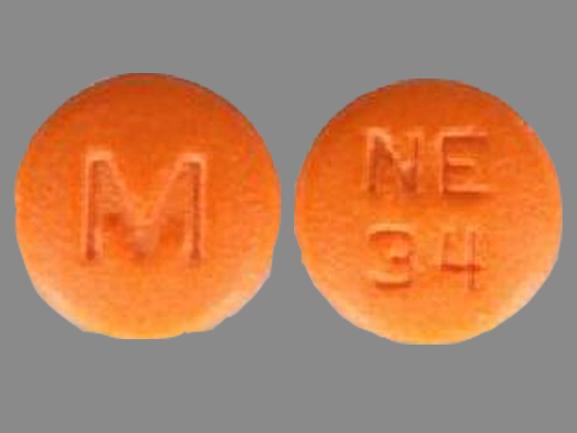
Nisoldipine Extended-Release Tablets

All medicines may cause side effects, but many people have no, or minor, side effects. Check with your doctor if any of these most COMMON side effects persist or become bothersome when using Nisoldipine Extended-Release Tablets:

Dizziness; flushing; headache; lightheadedness; mild swelling of the arms, legs, feet, or hands.

Seek medical attention right away if any of these SEVERE side effects occur when using Nisoldipine Extended-Release Tablets:

Severe allergic reactions (rash; hives; itching; difficulty breathing; tightness in the chest; swelling of the mouth, face, lips, or tongue); chest pain; fainting; fast or irregular heartbeat; fever, chills, or persistent sore throat; loss of vision or other vision changes; mood or mental changes; severe or persistent dizziness or headache; severe or persistent swelling of the arms, legs, feet, or hands; shortness of breath; sudden unusual weight gain; tender, bleeding, or swollen gums; unusual tiredness or weakness.

This is not a complete list of all side effects that may occur. If you have questions about side effects, contact your health care provider. Call your doctor for medical advice about side effects. To report side effects to the appropriate agency, please read the Guide to Reporting Problems to FDA.

Top

Nisoldipine Side Effects - for the Professional

Nisoldipine

More than 6,000 patients world-wide have received Nisoldipine in clinical trials for the treatment of hypertension, either as the immediate-release or the Nisoldipine extended-release formulation. Of about 1,500 patients who received Nisoldipine extended-release in hypertension studies, about 55% were exposed for at least 2 months and about one-third were exposed for over 6 months, the great majority at doses equivalent to 17 mg and above.

Nisoldipine extended-release is generally well tolerated. In the U.S. clinical trials of Nisoldipine extended-release in hypertension, 10.9% of the 921 Nisoldipine extended-release patients discontinued treatment due to adverse events compared with 2.9% of 280 placebo patients. The frequency of discontinuations due to adverse experiences was related to dose, with a 5.4% and 10.9% discontinuation rate at the lowest and highest daily dose, respectively.

The most frequently occurring adverse experiences with Nisoldipine extended-release are those related to its vasodilator properties; these are generally mild and only occasionally lead to patient withdrawal from treatment. The table below, from U.S. placebo-controlled parallel dose response trials of Nisoldipine extended-release using doses across the clinical dosage range in patients with hypertension, lists all of the adverse events, regardless of the causal relationship to Nisoldipine extended release, for which the overall incidence on Nisoldipine extended-release was both > 1% and greater with Nisoldipine extended-release than with placebo.

Adverse Event Nisoldipine (%)
(n = 663)
Placebo (%)
(n = 280)
Peripheral Edema 22 10
Headache 22 15
Dizziness 5 4
Pharyngitis 5 4
Vasodilation 4 2
Sinusitis 3 2
Palpitation 3 1
Chest Pain 2 1
Nausea 2 1
Rash 2 1
Only peripheral edema and possibly dizziness
appear to be dose related.
Adverse Event Nisoldipine Extended-release, dose bioequivalent to:
Placebo 8.5 mg 17 mg 25.5 mg 34 mg
(Rates in %) n = 280 n = 30 n = 170 n = 105 n = 139
Peripheral Edema 10 7 15 20 27
Dizziness 4 7 3 3 4

The common adverse events occurred at about the same rate in men as in women, and at a similar rate in patients over age 65 as in those under that age, except that headache was much less common in older patients. Except for peripheral edema and vasodilation, which were more common in whites, adverse event rates were similar in blacks and whites.

The following adverse events occurred in ≤ 1% of all patients treated for hypertension in U.S. and foreign clinical trials, or with unspecified incidence in other studies. Although a causal relationship of Nisoldipine extended-release to these events cannot be established, they are listed to alert the physician to a possible relationship with Nisoldipine extended-release treatment.

Body as a Whole: cellulitis, chills, facial edema, fever, flu syndrome, malaise

Cardiovascular: atrial fibrillation, cerebrovascular accident, congestive heart failure, first degree AV block, hypertension, hypotension, jugular venous distension, migraine, myocardial infarction, postural hypotension, ventricular extrasystoles, supraventricular tachycardia, syncope, systolic ejection murmur, T wave abnormalities on ECG (flattening, inversion, nonspecific changes), venous insufficiency

Digestive: abnormal liver function tests, anorexia, colitis, diarrhea, dry mouth, dyspepsia, dysphagia, flatulence, gastritis, gastrointestinal hemorrhage, gingival hyperplasia, glossitis, hepatomegaly, increased appetite, melena, mouth ulceration

Endocrine: diabetes mellitus, thyroiditis

Hemic and Lymphatic: anemia, ecchymoses, leukopenia, petechiae

Metabolic and Nutritional: gout, hypokalemia, increased serum creatine kinase, increased nonprotein nitrogen, weight gain, weight loss

Musculoskeletal: arthralgia, arthritis, leg cramps, myalgia, myasthenia, myositis, tenosynovitis

Nervous: abnormal dreams, abnormal thinking and confusion, amnesia, anxiety, ataxia, cerebral ischemia, decreased libido, depression, hypesthesia, hypertonia, insomnia, nervousness, paresthesia, somnolence, tremor, vertigo

Respiratory: asthma, dyspnea, end inspiratory wheeze and fine rales, epistaxis, increased cough, laryngitis, pharyngitis, pleural effusion, rhinitis, sinusitis

Skin and Appendages: acne, alopecia, dry skin, exfoliative dermatitis, fungal dermatitis, herpes simplex, herpes zoster, maculopapular rash, pruritus, pustular rash, skin discoloration, skin ulcer, sweating, urticaria

Special Senses: abnormal vision, amblyopia, blepharitis, conjunctivitis, ear pain, glaucoma, itchy eyes, keratoconjunctivitis, otitis media, retinal detachment, tinnitus, watery eyes, taste disturbance, temporary unilateral loss of vision, vitreous floater

Urogenital: dysuria, hematuria, nocturia, urinary frequency, increased BUN and serum creatinine, vaginal hemorrhage, vaginitis.

The following post-marketing event has been reported very rarely in patients receiving Nisoldipine extended-release: systemic hypersensitivity reaction, which may include one or more of the following; angioedema, shortness of breath, tachycardia, chest tightness, hypotension, and rash. A definite causal relationship with Nisoldipine extended-release has not been established. An unusual event observed with immediate-release Nisoldipine but not observed with Nisoldipine extended-release was one case of photosensitivity. Gynecomastia has been associated with the use of calcium channel blockers.

Top

Side Effects by Body System - for Healthcare Professionals

General

Nisoldipine is generally well tolerated. In controlled trials of patients with hypertension, 11% of treated patients discontinued therapy due to adverse drug events, compared with 2.9% of placebo patients. The most common side effects are related to the vasodilating properties of nisoldipine and are dose-related.

Cardiovascular

Some patients, particularly those with severe obstructive coronary artery disease, have developed increased frequency, duration, and/or severity of angina, or acute myocardial infarction, after starting calcium channel blocker therapy or at the time of dosage increase. In controlled studies of nisoldipine in patients with angina this was seen in approximately 1.5% of treated patients, compared with 0.9% of patients given placebo.

Cardiovascular side effects have included peripheral edema (up to 22%), vasodilation (4%), palpitation (3%), and chest pain (2%). Atrial fibrillation, cerebrovascular accident, congestive heart failure, first degree AV block, hypertension, hypotension, jugular venous distension, migraine, myocardial infarction, postural hypotension, ventricular extrasystoles, supraventricular tachycardia, syncope, systolic ejection murmur, T wave abnormalities on ECG (flattening, inversion, nonspecific changes), and venous insufficiency have been reported in less than or equal to 1% of patients. Initial therapy with nisoldipine can induce unstable angina pectoris.

Nervous system

Nervous system side effects have included headache (up to 22%) and dizziness (5%). Abnormal dreams, abnormal thinking and confusion, amnesia, anxiety, ataxia, cerebral ischemia, decreased libido, depression, hypesthesia, hypertonia, insomnia, nervousness, paresthesia, somnolence, tremor, and vertigo have been reported in less than or equal to 1% of patients.

Respiratory

Respiratory side effects have included sinusitis (up to 3%) and pharyngitis (up to 5%). Asthma, dyspnea, end inspiratory wheeze and fine rales, epistaxis, increased cough, laryngitis, pleural effusion, and rhinitis have been reported in less than or equal to 1% of patients.

Gastrointestinal

Gastrointestinal side effects have included nausea (2%) and anorexia, colitis, diarrhea, dry mouth, dyspepsia, dysphagia, flatulence, gastritis, gastrointestinal hemorrhage, gingival hyperplasia, glossitis, increased appetite, melena, mouth ulcerations, and taste disturbance in less than or equal to 1% of patients.

Dermatologic

Dermatologic side effects have included rash (2%) and acne, alopecia, dry skin, exfoliative dermatitis, fungal dermatitis, herpes simplex, herpes zoster, maculopapular rash, pruritus, pustular rash, skin discoloration, skin ulcer, sweating, and urticaria in less than or equal to 1% of patients. Photosensitivity has been reported with immediate release nisoldipine during postmarketing experience.

Genitourinary

Genitourinary side effects have included dysuria, hematuria, impotence, increased BUN and serum creatinine, nocturia, urinary frequency, vaginal hemorrhage, and vaginitis in less than or equal to 1% of patients. Gynecomastia has been reported with the use of calcium channel blockers during postmarketing experience.

Metabolic

Metabolic side effects have included gout, hypokalemia, increased serum creatine kinase, increased nonprotein nitrogen, weight gain, and weight loss in less than or equal to 1% of patients.

Hematologic

Hematologic side effects have included anemia, ecchymoses, leukopenia, and petechiae in less than or equal to 1% of patients.

Endocrine

Endocrine side effects have included diabetes mellitus and thyroiditis in less than or equal to 1% of patients.

Hepatic

Hepatic side effects have included abnormal liver function tests and hepatomegaly in less than or equal to 1% of patients.

Hypersensitivity

Hypersensitivity side effects have included systemic hypersensitivity reaction (including angioedema, shortness of breath, tachycardia, chest tightness, hypotension, and/or rash) during postmarketing experience.

Musculoskeletal

Musculoskeletal side effects have included arthralgia, arthritis, leg cramps, myalgia, myasthenia, myositis, and tenosynovitis in less than or equal to 1% of patients.

Ocular

Ocular side effects have included abnormal vision, amblyopia, blepharitis, glaucoma, itchy eyes, keratoconjunctivitis, retinal detachment, watery eyes, temporary unilateral vision loss, and vitreous floater in less than or equal to 1% of patients.

Other

Other side effects have included cellulitis, chills, ear pain, facial edema, fever, flu syndrome, malaise, otitis media, and tinnitus in less than or equal to 1% of patients.

Top

Disclaimer: Every effort has been made to ensure that the information provided is accurate, up-to-date, and complete, but no guarantee is made to that effect. In addition, the drug information contained herein may be time sensitive and should not be utilized as a reference resource beyond the date hereof. This information does not endorse drugs, diagnose patients, or recommend therapy. This drug information is a reference resource designed as supplement to, and not a substitute for, the expertise, skill , knowledge, and judgement of healthcare practitioners in patient care. The absence of a warning for a given drug or drug combination in no way should be construed to indicate that the drug of drug combination is safe, effective, or appropriate for any given patient. Drugs.com does not assume any responsibility for any aspect of healthcare administered with the aid of information provided. The information contained herein is not intended to cover all possible uses, directions, precautions, warnings, drug interactions, allergic reactions, or adverse effects. If you have questions about the drugs you are taking, check with your doctor, nurse, or pharmacist.

Did you find this page helpful? Yes No

(web5)