Home Drugs by Condition F Fibromyalgia Lyrica Side Effects

Lyrica Side Effects

Generic Name: pregabalin

Please note - some side effects for Lyrica may not be reported. Always consult your doctor or healthcare specialist for medical advice. You may also report side effects to the FDA.

Side Effects of Lyrica - for the Consumer

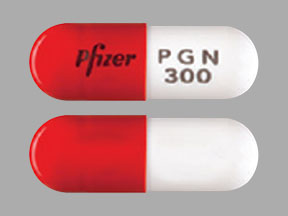
Lyrica

All medicines may cause side effects, but many people have no, or minor, side effects. Check with your doctor if any of these most COMMON side effects persist or become bothersome when using Lyrica:

Blurred vision; changes in sexual function; constipation; dizziness; drowsiness; dry mouth; gas; headache; increased appetite; lightheadedness; stomach pain; trouble concentrating; weight gain.

Seek medical attention right away if any of these SEVERE side effects occur when using Lyrica:

Severe allergic reactions (rash; hives; itching; difficulty breathing; tightness in the chest; swelling of the mouth, face, lips, or tongue, unusual hoarseness); burning, numbness, or tingling of the hands, feet, or skin; chest pain; confusion; fast or irregular heartbeat; fever, chills, or persistent sore throat; inability to control urination; loss of coordination; memory loss; muscle aches, pain, tenderness, or weakness (especially if this occurs with a fever or general feeling or discomfort); new or unusual skin sores; new or worsening mental or mood changes (eg, anxiety, depression, restlessness, irritability, panic attacks, feeling "high," behavior changes, suicidal thoughts or attempts); new or worsening seizures; reddened, blistered, swollen, or peeling skin; shortness of breath or wheezing; speaking problems; sudden, unexplained weight gain; swelling of the hands, feet, or ankles; tremor; trouble sleeping; trouble walking; unusual bruising or bleeding; unusual tiredness or weakness; vision changes.

This is not a complete list of all side effects that may occur. If you have questions about side effects, contact your health care provider. Call your doctor for medical advice about side effects. To report side effects to the appropriate agency, please read the Guide to Reporting Problems to FDA.

Top

Lyrica Side Effects - for the Professional

Lyrica

Clinical Trials Experience

Because clinical trials are conducted under widely varying conditions, adverse reaction rates observed in the clinical trials of a drug cannot be directly compared to rates in the clinical trials of another drug and may not reflect the rates observed in practice.

In all controlled and uncontrolled trials across various patient populations during the premarketing development of Lyrica, more than 10,000 patients have received Lyrica. Approximately 5000 patients were treated for 6 months or more, over 3100 patients were treated for 1 year or longer, and over 1400 patients were treated for at least 2 years.

Adverse Reactions Most Commonly Leading to Discontinuation in All Premarketing Controlled Clinical Studies

In premarketing controlled trials of all populations combined, 14% of patients treated with Lyrica and 7% of patients treated with placebo discontinued prematurely due to adverse reactions. In the Lyrica treatment group, the adverse reactions most frequently leading to discontinuation were dizziness (4%) and somnolence (3%). In the placebo group, 1% of patients withdrew due to dizziness and <1% withdrew due to somnolence. Other adverse reactions that led to discontinuation from controlled trials more frequently in the Lyrica group compared to the placebo group were ataxia, confusion, asthenia, thinking abnormal, blurred vision, incoordination, and peripheral edema (1% each).

Most Common Adverse Reactions in All Premarketing Controlled Clinical Studies

In premarketing controlled trials of all patient populations combined, dizziness, somnolence, dry mouth, edema, blurred vision, weight gain, and "thinking abnormal" (primarily difficulty with concentration/attention) were more commonly reported by subjects treated with Lyrica than by subjects treated with placebo (≥5% and twice the rate of that seen in placebo).

Controlled Studies with Neuropathic Pain Associated with Diabetic Peripheral Neuropathy

Adverse Reactions Leading to Discontinuation

In clinical trials in patients with neuropathic pain associated with diabetic peripheral neuropathy, 9% of patients treated with Lyrica and 4% of patients treated with placebo discontinued prematurely due to adverse reactions. In the Lyrica treatment group, the most common reasons for discontinuation due to adverse reactions were dizziness (3%) and somnolence (2%). In comparison, <1% of placebo patients withdrew due to dizziness and somnolence. Other reasons for discontinuation from the trials, occurring with greater frequency in the Lyrica group than in the placebo group, were asthenia, confusion, and peripheral edema. Each of these events led to withdrawal in approximately 1% of patients.

Most Common Adverse Reactions

Table 3 lists all adverse reactions, regardless of causality, occurring in ≥1% of patients with neuropathic pain associated with diabetic neuropathy in the combined Lyrica group for which the incidence was greater in this combined Lyrica group than in the placebo group. A majority of pregabalin-treated patients in clinical studies had adverse reactions with a maximum intensity of "mild" or "moderate".

Table 3 Treatment-emergent adverse reaction incidence in controlled trials in Neuropathic Pain Associated with Diabetic Peripheral Neuropathy (Events in at least 1% of all Lyrica-treated patients and at least numerically more in all Lyrica than in the placebo group)
Body system
- Preferred term
75
mg/day
[N=77]
%
150
mg/day
[N=212]
%
300
mg/day
[N=321]
%
600
mg/day
[N=369]
%
All PGB*
[N=979]
%
Placebo
[N=459]
%
*
PGB: pregabalin
Thinking abnormal primarily consists of events related to difficulty with concentration/attention but also includes events related to cognition and language problems and slowed thinking.
Investigator term; summary level term is amblyopia
Body as a whole
Asthenia 4 2 4 7 5 2
Accidental injury 5 2 2 6 4 3
Back pain 0 2 1 2 2 0
Chest pain 4 1 1 2 2 1
Face edema 0 1 1 2 1 0
Digestive system
Dry mouth 3 2 5 7 5 1
Constipation 0 2 4 6 4 2
Flatulence 3 0 2 3 2 1
Metabolic and nutritional disorders
Peripheral edema 4 6 9 12 9 2
Weight gain 0 4 4 6 4 0
Edema 0 2 4 2 2 0
Hypoglycemia 1 3 2 1 2 1
Nervous system
Dizziness 8 9 23 29 21 5
Somnolence 4 6 13 16 12 3
Neuropathy 9 2 2 5 4 3
Ataxia 6 1 2 4 3 1
Vertigo 1 2 2 4 3 1
Confusion 0 1 2 3 2 1
Euphoria 0 0 3 2 2 0
Incoordination 1 0 2 2 2 0
Thinking abnormal 1 0 1 3 2 0
Tremor 1 1 1 2 1 0
Abnormal gait 1 0 1 3 1 0
Amnesia 3 1 0 2 1 0
Nervousness 0 1 1 1 1 0
Respiratory system
Dyspnea 3 0 2 2 2 1
Special senses
Blurry vision 3 1 3 6 4 2
Abnormal vision 1 0 1 1 1 0

Controlled Studies in Postherpetic Neuralgia

Adverse Reactions Leading to Discontinuation

In clinical trials in patients with postherpetic neuralgia, 14% of patients treated with Lyrica and 7% of patients treated with placebo discontinued prematurely due to adverse reactions. In the Lyrica treatment group, the most common reasons for discontinuation due to adverse reactions were dizziness (4%) and somnolence (3%). In comparison, less than 1% of placebo patients withdrew due to dizziness and somnolence. Other reasons for discontinuation from the trials, occurring in greater frequency in the Lyrica group than in the placebo group, were confusion (2%), as well as peripheral edema, asthenia, ataxia, and abnormal gait (1% each).

Most Common Adverse Reactions

Table 4 lists all adverse reactions, regardless of causality, occurring in ≥ 1% of patients with neuropathic pain associated with postherpetic neuralgia in the combined Lyrica group for which the incidence was greater in this combined Lyrica group than in the placebo group. In addition, an event is included, even if the incidence in the all Lyrica group is not greater than in the placebo group, if the incidence of the event in the 600 mg/day group is more than twice that in the placebo group. A majority of pregabalin-treated patients in clinical studies had adverse reactions with a maximum intensity of "mild" or "moderate". Overall, 12.4% of all pregabalin-treated patients and 9.0% of all placebo-treated patients had at least one severe event while 8% of pregabalin-treated patients and 4.3% of placebo-treated patients had at least one severe treatment-related adverse event.

Table 4 Treatment-emergent adverse reaction incidence in controlled trials in Neuropathic Pain Associated with Postherpetic Neuralgia (Events in at least 1% of all Lyrica-treated patients and at least numerically more in all Lyrica than in the placebo group)
Body system
- Preferred term
75 mg/d
[N=84]
%
150 mg/d
[N=302]
%
300 mg/d
[N=312]
%
600 mg/d
[N=154]
%
All PGB*
[N=852]
%
Placebo
[N=398]
%
*
PGB: pregabalin
Thinking abnormal primarily consists of events related to difficulty with concentration/attention but also includes events related to cognition and language problems and slowed thinking.
Investigator term; summary level term is amblyopia
Body as a whole
Infection 14 8 6 3 7 4
Headache 5 9 5 8 7 5
Pain 5 4 5 5 5 4
Accidental injury 4 3 3 5 3 2
Flu syndrome 1 2 2 1 2 1
Face edema 0 2 1 3 2 1
Digestive system
Dry mouth 7 7 6 15 8 3
Constipation 4 5 5 5 5 2
Flatulence 2 1 2 3 2 1
Vomiting 1 1 3 3 2 1
Metabolic and nutritional disorders
Peripheral edema 0 8 16 16 12 4
Weight gain 1 2 5 7 4 0
Edema 0 1 2 6 2 1
Musculoskeletal system
Myasthenia 1 1 1 1 1 0
Nervous system
Dizziness 11 18 31 37 26 9
Somnolence 8 12 18 25 16 5
Ataxia 1 2 5 9 5 1
Abnormal gait 0 2 4 8 4 1
Confusion 1 2 3 7 3 0
Thinking abnormal 0 2 1 6 2 2
Incoordination 2 2 1 3 2 0
Amnesia 0 1 1 4 2 0
Speech disorder 0 0 1 3 1 0
Respiratory system
Bronchitis 0 1 1 3 1 1
Special senses
Blurry vision 1 5 5 9 5 3
Diplopia 0 2 2 4 2 0
Abnormal vision 0 1 2 5 2 0
Eye Disorder 0 1 1 2 1 0
Urogenital System
Urinary Incontinence 0 1 1 2 1 0

Controlled Add-On Studies in Adjunctive Therapy for Adult Patients with Partial Onset Seizures

Adverse Reactions Leading to Discontinuation

Approximately 15% of patients receiving Lyrica and 6% of patients receiving placebo in add-on epilepsy trials discontinued prematurely due to adverse reactions. In the Lyrica treatment group, the adverse reactions most frequently leading to discontinuation were dizziness (6%), ataxia (4%), and somnolence (3%). In comparison, <1% of patients in the placebo group withdrew due to each of these events. Other adverse reactions that led to discontinuation of at least 1% of patients in the Lyrica group and at least twice as frequently compared to the placebo group were asthenia, diplopia, blurred vision, thinking abnormal, nausea, tremor, vertigo, headache, and confusion (which each led to withdrawal in 2% or less of patients).

Most Common Adverse Reactions

Table 5 lists all dose-related adverse reactions occurring in at least 2% of all Lyrica-treated patients. Dose-relatedness was defined as the incidence of the adverse event in the 600 mg/day group was at least 2% greater than the rate in both the placebo and 150 mg/day groups. In these studies, 758 patients received Lyrica and 294 patients received placebo for up to 12 weeks. Because patients were also treated with 1 to 3 other AEDs, it is not possible to determine whether the following adverse reactions can be ascribed to Lyrica alone, or the combination of Lyrica and other AEDs. A majority of pregabalin-treated patients in clinical studies had adverse reactions with a maximum intensity of "mild" or "moderate".

Table 5. Dose-related treatment-emergent adverse reaction incidence in controlled trials in adjunctive therapy for adult patients with partial onset seizures (Events in at least 2% of all Lyrica-treated patients and the adverse reaction in the 600 mg/day group was ≥2% the rate in both the placebo and 150 mg/day groups
Body System 150 mg/d 300 mg/d 600 mg/d All PGB* Placebo
- Preferred Term [N = 185] [N = 90] [N = 395] [N = 670] [N = 294]
% % % % %
*
PGB: pregabalin
Excludes patients who received the 50 mg dose in Study E1.
Thinking abnormal primarily consists of events related to difficulty with concentration/attention but also includes events related to cognition and language problems and slowed thinking.
§
Investigator term; summary level term is amblyopia.
Body as a Whole
Accidental Injury 7 11 10 9 5
Pain 3 2 5 4 3
Digestive System
Increased Appetite 2 3 6 5 1
Dry Mouth 1 2 6 4 1
Constipation 1 1 7 4 2
Metabolic and Nutritional Disorders
Weight Gain 5 7 16 12 1
Peripheral Edema 3 3 6 5 2
Nervous System
Dizziness 18 31 38 32 11
Somnolence 11 18 28 22 11
Ataxia 6 10 20 15 4
Tremor 3 7 11 8 4
Thinking Abnormal 4 8 9 8 2
Amnesia 3 2 6 5 2
Speech Disorder 1 2 7 5 1
Incoordination 1 3 6 4 1
Abnormal Gait 1 3 5 4 0
Twitching 0 4 5 4 1
Confusion 1 2 5 4 2
Myoclonus 1 0 4 2 0
Special Senses
Blurred Vision§ 5 8 12 10 4
Diplopia 5 7 12 9 4
Abnormal Vision 3 1 5 4 1

Controlled Studies with Fibromyalgia

Adverse Reactions Leading to Discontinuation

In clinical trials of patients with fibromyalgia, 19% of patients treated with pregabalin (150–600 mg/day) and 10% of patients treated with placebo discontinued prematurely due to adverse reactions. In the pregabalin treatment group, the most common reasons for discontinuation due to adverse reactions were dizziness (6%) and somnolence (3%). In comparison, <1% of placebo-treated patients withdrew due to dizziness and somnolence. Other reasons for discontinuation from the trials, occurring with greater frequency in the pregabalin treatment group than in the placebo treatment group, were fatigue, headache, balance disorder, and weight increased. Each of these adverse reactions led to withdrawal in approximately 1% of patients.

Most Common Adverse Reactions

Table 6 lists all adverse reactions, regardless of causality, occurring in ≥2% of patients with fibromyalgia in the 'all pregabalin' treatment group for which the incidence was greater than in the placebo treatment group. A majority of pregabalin-treated patients in clinical studies experienced adverse reactions with a maximum intensity of "mild" or "moderate".

Table 6 Treatment-emergent adverse reaction incidence in controlled trials in Fibromyalgia (Events in at least 2% of all Lyrica-treated patients and occurring more frequently in the all pregabalin-group than in the placebo treatment group)
System Organ Class
- Preferred term
150 mg/d
[N=132]
%
300 mg/d
[N=502]
%
450 mg/d
[N=505]
%
600 mg/d
[N=378]
%
All PGB*
[N=1517]
%
Placebo
[N=505]
%
*
PGB: pregabalin
Ear and Labyrinth Disorders
Vertigo 2 2 2 1 2 0
Eye Disorders
Vision blurred 8 7 7 12 8 1
Gastrointestinal Disorders
Dry mouth 7 6 9 9 8 2
Constipation 4 4 7 10 7 2
Vomiting 2 3 3 2 3 2
Flatulence 1 1 2 2 2 1
Abdominal distension 2 2 2 2 2 1
General Disorders and Administrative Site Conditions
Fatigue 5 7 6 8 7 4
Edema peripheral 5 5 6 9 6 2
Chest pain 2 1 1 2 2 1
Feeling abnormal 1 3 2 2 2 0
Edema 1 2 1 2 2 1
Feeling drunk 1 2 1 2 2 0
Infections and Infestations
Sinusitis 4 5 7 5 5 4
Investigations
Weight increased 8 10 10 14 11 2
Metabolism and Nutrition Disorders
Increased appetite 4 3 5 7 5 1
Fluid retention 2 3 3 2 2 1
Musculoskeletal and Connective Tissue Disorders
Arthralgia 4 3 3 6 4 2
Muscle spasms 2 4 4 4 4 2
Back pain 2 3 4 3 3 3
Nervous System Disorders
Dizziness 23 31 43 45 38 9
Somnolence 13 18 22 22 20 4
Headache 11 12 14 10 12 12
Disturbance in attention 4 4 6 6 5 1
Balance disorder 2 3 6 9 5 0
Memory impairment 1 3 4 4 3 0
Coordination abnormal 2 1 2 2 2 1
Hypoaesthesia 2 2 3 2 2 1
Lethargy 2 2 1 2 2 0
Tremor 0 1 3 2 2 0
Psychiatric Disorders
Euphoric Mood 2 5 6 7 6 1
Confusional state 0 2 3 4 3 0
Anxiety 2 2 2 2 2 1
Disorientation 1 0 2 1 2 0
Depression 2 2 2 2 2 2
Respiratory, Thoracic and Mediastinal Disorders
Pharyngolaryngeal pain 2 1 3 3 2 2

Other Adverse Reactions Observed During the Clinical Studies of Lyrica

Following is a list of treatment-emergent adverse reactions reported by patients treated with Lyrica during all clinical trials. The listing does not include those events already listed in the previous tables or elsewhere in labeling, those events for which a drug cause was remote, those events which were so general as to be uninformative, and those events reported only once which did not have a substantial probability of being acutely life-threatening.

Events are categorized by body system and listed in order of decreasing frequency according to the following definitions: frequent adverse reactions are those occurring on one or more occasions in at least 1/100 patients; infrequent adverse reactions are those occurring in 1/100 to 1/1000 patients; rare reactions are those occurring in fewer than 1/1000 patients. Events of major clinical importance are described in the Warnings and Precautions section (5).

Body as a Whole – Frequent: Abdominal pain, Allergic reaction, Fever, Infrequent: Abscess, Cellulitis, Chills, Malaise, Neck rigidity, Overdose, Pelvic pain, Photosensitivity reaction, Rare: Anaphylactoid reaction, Ascites, Granuloma, Hangover effect, Intentional Injury, Retroperitoneal Fibrosis, Shock

Cardiovascular System – Infrequent: Deep thrombophlebitis, Heart failure, Hypotension, Postural hypotension, Retinal vascular disorder, Syncope; Rare: ST Depressed, Ventricular Fibrillation

Digestive System – Frequent: Gastroenteritis, Increased appetite; Infrequent: Cholecystitis, Cholelithiasis, Colitis, Dysphagia, Esophagitis, Gastritis, Gastrointestinal hemorrhage, Melena, Mouth ulceration, Pancreatitis, Rectal hemorrhage, Tongue edema; Rare: Aphthous stomatitis, Esophageal Ulcer, Periodontal abscess

Hemic and Lymphatic System – Frequent: Ecchymosis; Infrequent: Anemia, Eosinophilia, Hypochromic anemia, Leukocytosis, Leukopenia, Lymphadenopathy, Thrombocytopenia; Rare: Myelofibrosis, Polycythemia, Prothrombin decreased, Purpura, Thrombocythemia

Metabolic and Nutritional Disorders – Rare: Glucose Tolerance Decreased, Urate Crystalluria

Musculoskeletal System – Frequent: Arthralgia, Leg cramps, Myalgia, Myasthenia; Infrequent: Arthrosis; Rare: Chondrodystrophy, Generalized Spasm

Nervous System – Frequent: Anxiety, Depersonalization, Hypertonia, Hypesthesia, Libido decreased, Nystagmus, Paresthesia, Stupor, Twitching; Infrequent: Abnormal dreams, Agitation, Apathy, Aphasia, Circumoral paresthesia, Dysarthria, Hallucinations, Hostility, Hyperalgesia, Hyperesthesia, Hyperkinesia, Hypokinesia, Hypotonia, Libido increased, Myoclonus, Neuralgia, Rare: Addiction, Cerebellar syndrome, Cogwheel rigidity, Coma, Delirium, Delusions, Dysautonomia, Dyskinesia, Dystonia, Encephalopathy, Extrapyramidal syndrome, Guillain-Barré syndrome, Hypalgesia, Intracranial hypertension, Manic reaction, Paranoid reaction, Peripheral neuritis, Personality disorder, Psychotic depression, Schizophrenic reaction, Sleep disorder, Torticollis, Trismus

Respiratory System – Rare: Apnea, Atelectasis, Bronchiolitis, Hiccup, Laryngismus, Lung edema, Lung fibrosis, Yawn

Skin and Appendages – Frequent: Pruritus, Infrequent: Alopecia, Dry skin, Eczema, Hirsutism, Skin ulcer, Urticaria, Vesiculobullous rash; Rare: Angioedema, Exfoliative dermatitis, Lichenoid dermatitis, Melanosis, Nail Disorder, Petechial rash, Purpuric rash, Pustular rash, Skin atrophy, Skin necrosis, Skin nodule, Stevens-Johnson syndrome, Subcutaneous nodule

Special senses – Frequent: Conjunctivitis, Diplopia, Otitis media, Tinnitus; Infrequent: Abnormality of accommodation, Blepharitis, Dry eyes, Eye hemorrhage, Hyperacusis, Photophobia, Retinal edema, Taste loss, Taste perversion; Rare: Anisocoria, Blindness, Corneal ulcer, Exophthalmos, Extraocular palsy, Iritis, Keratitis, Keratoconjunctivitis, Miosis, Mydriasis, Night blindness, Ophthalmoplegia, Optic atrophy, Papilledema, Parosmia, Ptosis, Uveitis

Urogenital System – Frequent: Anorgasmia, Impotence, Urinary frequency, Urinary incontinence; Infrequent: Abnormal ejaculation, Albuminuria, Amenorrhea, Dysmenorrhea, Dysuria, Hematuria, Kidney calculus, Leukorrhea, Menorrhagia, Metrorrhagia, Nephritis, Oliguria, Urinary retention, Urine abnormality; Rare: Acute kidney failure, Balanitis, Bladder Neoplasm, Cervicitis, Dyspareunia, Epididymitis, Female lactation, Glomerulitis, Ovarian disorder, Pyelonephritis

Comparison of Gender and Race

The overall adverse event profile of pregabalin was similar between women and men. There are insufficient data to support a statement regarding the distribution of adverse experience reports by race.

Post-marketing Experience

The following adverse reactions have been identified during postapproval use of Lyrica. Because these reactions are reported voluntarily from a population of uncertain size, it is not always possible to reliably estimate their frequency or establish a causal relationship to drug exposure.

Nervous System Disorders – Headache

Gastrointestinal Disorders – Nausea, Diarrhea

Reproductive System and Breast Disorders – Gynecomastia, Breast Enlargement

Top

Side Effects by Body System - for Healthcare Professionals

Nervous system

Nervous system side effects including dizziness (up to 38%), somnolence (up to 28%), ataxia (up to 20%), tremor (up to 11%), neuropathy (up to 9%), abnormal thinking (up to 9%), abnormal gait (up to 5%), confusion (up to 7%), speech disorder (up to 7%), amnesia (up to 6%), incoordination (up to 6%), twitching (up to 5%), vertigo (up to 4%), myoclonus (up to 4%), euphoria (up to 3%), and nervousness (up to 1%) have been reported. Anxiety, depersonalization, hypertonia, hypesthesia, decreased libido, nystagmus, paresthesia, stupor, and twitching have been reported frequently. Abnormal dreams, agitation, apathy, aphasia, circumoral paresthesia, dysarthria, hallucinations, hostility, hyperalgesia, hyperesthesia, hyperkinesia, hypokinesia, hypotonia, increased libido, myoclonus, and neuralgia have been reported infrequently. Addiction, cerebellar syndrome, cogwheel rigidity, coma, delirium, delusions, dysautonomia, dyskinesia, dystonia, encephalopathy, extrapyramidal syndrome, Guillain-Barre syndrome, hypoalgesia, intracranial hypertension, manic reaction, paranoid reaction, peripheral neuritis, psychotic depression, schizophrenic reaction, torticollis, and trismus have been reported rarely.

Metabolic

Metabolic side effects including peripheral edema (up to 16%), weight gain (up to 16%), edema (up to 6%), and hypoglycemia (up to 3%) have been reported. Decreased glucose tolerance and urate crystalluria have been reported rarely.

Gastrointestinal

Gastrointestinal side effects including dry mouth (up to 15%), constipation (up to 7%), increased appetite (up to 6%), vomiting (up to 3%), flatulence (up to 3%), nausea and diarrhea have been reported. Gastroenteritis has been reported frequently. Cholecystitis, cholelithiasis, colitis, dysphagia, esophagitis, gastritis, gastrointestinal hemorrhage, melena, mouth ulceration, pancreatitis, rectal hemorrhage, and tongue edema have been reported infrequently. Aphthous stomatitis and esophageal ulcer have been reported rarely.

General

General side effects including infection (up to 14%), accidental injury (up to 11%), headache (up to 9%), asthenia (up to 7%), pain (up to 5%), chest pain (up to 4%), facial edema (up to 3%), flu syndrome (up to 2%), and back pain (up to 2%) have been reported. Abdominal pain and fever have been reported frequently. Abscess, cellulitis, chills, malaise, neck rigidity, overdose, pelvic pain, photosensitivity reaction, and suicide attempt have been reported infrequently. Ascites, granuloma, hangover effect, intentional injury, retroperitoneal fibrosis, shock, and suicide have been reported rarely.

Ocular

Ocular side effects including visual field changes (13%), reduced visual acuity (7%), and blurred vision (6%) have been reported. Conjunctivitis and diplopia have been reported frequently. Abnormality of accommodation, blepharitis, dry eyes, eye hemorrhage, hyperacusis, photophobia, retinal vascular disorder, and retinal edema have been reported infrequently. Anisocoria, blindness, corneal ulcer, exophthalmos, extraocular palsy, iritis, keratitis, keratoconjunctivitis, miosis, mydriasis, night blindness, ophthalmoplegia, optic atrophy, papilledema, parosmia, ptosis, and uveitis have been reported rarely.

Blurred vision resolved in the majority of cases with continued dosing. Less than 1% of patients discontinued pregabalin treatment due to vision related events (primarily blurred vision).

Patients should be informed that they should notify their physician if changes in vision occur. If visual disturbance persists, further assessment should be considered. Furthermore, more frequent assessment should be considered for patients who are already routinely monitored for ocular conditions.

Other

In a cohort study of 333 diabetic patients who received pregabalin for at least 2 years, the average weight gain was 5.2 kg. Pregabalin associated weight gain was related to dose and duration or exposure.

Other side effects including weight gain have been reported. In controlled clinical trials of up to 13 weeks, weight gain of 7% or more over baseline has been reported in 8% of pregabalin-treated patients. Otitis media and tinnitus have been reported frequently. Taste loss, and taste perversion have been reported infrequently.

Cardiovascular

Cardiovascular side effects including edema, primarily peripheral edema (6%) have been reported. Deep thrombophlebitis, heart failure, hypotension, syncope, and postural hypotension have been reported infrequently. Depressed ST and ventricular fibrillation have been reported rarely. There have been postmarketing reports of angioedema.

Specific symptoms of angioedema have included swelling of the face, mouth (tongue, lips, and gums), and neck (throat and larynx). There have also been reports of life-threatening angioedema with respiratory compromise requiring emergency treatment. Pregabalin should be discontinued immediately in patients with these symptoms. Caution is recommended if prescribing pregabalin to patients who have had a previous episode of angioedema. In addition, patients who are taking other drugs associated with angioedema (e.g., angiotensin converting enzyme inhibitors [ACE inhibitors]) may be at increased risk of developing angioedema.

Respiratory

Respiratory side effects including dyspnea (up to 3%) and bronchitis (up to 3%) have been reported. Apnea, atelectasis, bronchiolitis, hiccup, laryngismus, lung edema, lung fibrosis, and yawn have been reported rarely.

Genitourinary

Genitourinary side effects including urinary incontinence (up to 2%) have been reported. Anorgasmia, impotence, and urinary frequency have been reported frequently. Abnormal ejaculation, albuminuria, amenorrhea, dysmenorrhea, dysuria, hematuria, kidney calculus, leukorrhea, menorrhagia, metrorrhagia, nephritis, oliguria, and urinary retention have been reported infrequently. Acute kidney failure, balanitis, bladder neoplasm, cervicitis, dyspareunia, epididymitis, female lactation, and glomerulitis have been reported rarely. Unilateral painful gynecomastia has been reported postmarketing.

Musculoskeletal

Musculoskeletal side effects including myasthenia (1%) have been reported. Arthralgia, leg cramps, myalgia, and myasthenia have been reported frequently. Arthrosis has been reported infrequently. Generalized spasm has been reported rarely.

Oncologic

Oncologic side effects including an unexpectedly high incidence of hemangiosarcoma have been reported in animal studies after pregabalin was given their diet for two years. In clinical studies comprised of 6,396 patient-years of exposure, new or worsening-preexisting tumors were reported in 57 patients. It is not known if the incidence seen in these clinical studies is or is not affected by treatment.

Hypersensitivity

Hypersensitivity side effects including allergic reactions have been reported frequently. Allergic reactions have included skin redness, blisters, hives, rash, dyspnea, and wheezing. Pregabalin should be discontinued immediately in patients with these symptoms. Anaphylactoid reactions have been reported rarely.

Hematologic

Hematologic side effects including ecchymosis have been reported frequently. Anemia, eosinophilia, hyperchromic anemia, leukocytosis, leukopenia, lymphadenopathy, and thrombocytopenia have been reported infrequently. Myelofibrosis, polycythemia, decreased prothrombin, purpura, and thrombocytopenia have been reported rarely.

Dermatologic

Dermatologic side effects including pruritus have been reported frequently. Alopecia, dry skin, eczema, hirsutism, skin ulcer, urticaria, and vesiculobullous rash have been reported infrequently. Angioedema, exfoliative dermatitis, lichenoid dermatitis, melanosis, petechial rash, purpuric rash, pustular rash, skin atrophy, skin necrosis, skin nodule, Stevens-Johnson syndrome, and subcutaneous nodule have been reported rarely.

Top

Disclaimer: Every effort has been made to ensure that the information provided is accurate, up-to-date, and complete, but no guarantee is made to that effect. In addition, the drug information contained herein may be time sensitive and should not be utilized as a reference resource beyond the date hereof. This information does not endorse drugs, diagnose patients, or recommend therapy. This drug information is a reference resource designed as supplement to, and not a substitute for, the expertise, skill , knowledge, and judgement of healthcare practitioners in patient care. The absence of a warning for a given drug or drug combination in no way should be construed to indicate that the drug of drug combination is safe, effective, or appropriate for any given patient. Drugs.com does not assume any responsibility for any aspect of healthcare administered with the aid of information provided. The information contained herein is not intended to cover all possible uses, directions, precautions, warnings, drug interactions, allergic reactions, or adverse effects. If you have questions about the drugs you are taking, check with your doctor, nurse, or pharmacist.

Did you find this page helpful? Yes No

(web3)