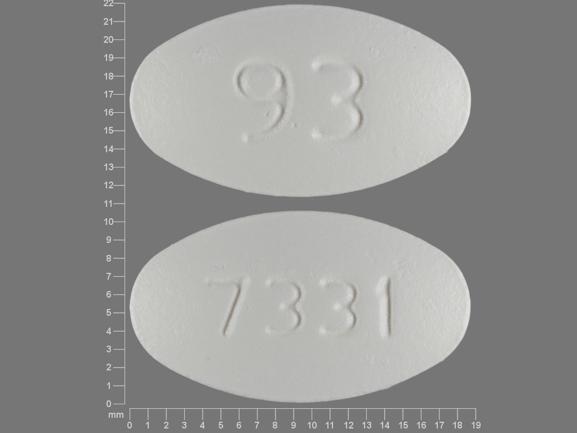
Lofibra Side Effects
Generic name: fenofibrate
Medically reviewed by Drugs.com. Last updated on Jul 17, 2023.
Note: This document contains side effect information about fenofibrate. Some dosage forms listed on this page may not apply to the brand name Lofibra.
Applies to fenofibrate: oral capsule, oral tablet.
Serious side effects of Lofibra
Along with its needed effects, fenofibrate (the active ingredient contained in Lofibra) may cause some unwanted effects. Although not all of these side effects may occur, if they do occur they may need medical attention.
Check with your doctor immediately if any of the following side effects occur while taking fenofibrate:
Less common
- Chills
- fever
- hives, itching, skin rash
- muscle aches and pains
- nausea
- stomach pain
- vomiting
Rare
- Dark urine
- muscle cramps, spasms, stiffness, swelling, or weakness
- trouble breathing
- unusual bleeding or bruising
- unusual tiredness or weakness
- yellow eyes or skin
Incidence not known
- Agitation
- bloating
- bloody urine
- constipation
- cough
- decreased frequency or amount of urine
- difficulty in moving
- fast heartbeat
- increased blood pressure
- increased thirst
- indigestion
- joint pain or swelling
- light-colored stools
- loss of appetite
- lower back or side pain
- pains in the stomach, side, or abdomen, possibly radiating to the back
- pale skin
- swelling of the face, fingers, or lower legs
- upper right stomach pain
- weight gain
Other side effects of Lofibra
Some side effects of fenofibrate may occur that usually do not need medical attention. These side effects may go away during treatment as your body adjusts to the medicine. Also, your health care professional may be able to tell you about ways to prevent or reduce some of these side effects.
Check with your health care professional if any of the following side effects continue or are bothersome or if you have any questions about them:
More common
- Runny or stuffy nose
- sneezing
Less common
- Back pain
- diarrhea
- eye irritation
- gas
- increased sensitivity of the skin to sunlight
Incidence not known
- Lack or loss of strength
For Healthcare Professionals
Applies to fenofibrate: oral capsule, oral tablet.
General
The most frequently reported side effects have included abnormal liver tests, increased transaminases (ALT and AST), increased creatine phosphokinase (CPK), and rhinitis.[Ref]
Hepatic
Common (1% to 10%): Liver function tests abnormal, AST increased, ALT increased
Uncommon (0.1% to 1%): Cholelithiasis
Rare (less than 0.1%): Hepatitis
Postmarketing reports: Cirrhosis, liver fatty deposit, cholecystitis, jaundice, cholangitis, biliary colic, elevated total bilirubin, serious drug-induced liver injury including liver transplantation and death[Ref]
During clinical trials, transaminase increases to greater than 3 times the upper limit of normal (3 x ULN) occurred in 5.3% of patients taking fenofibrate compared with 1.1% of those on placebo; the incidence of increased transaminases appeared to be dose-related.[Ref]
Respiratory
Very common (10% or more): Rhinitis (up to 23.2%), bronchitis (16.4%)
Common (1% to 10%): Respiratory disorder, pharyngitis, sinusitis
Uncommon (0.1% to 1%): Pulmonary embolism
Very rare (less than 0.01%): Interstitial pneumopathy
Frequency not reported: Cough increased, dyspnea, asthma, pneumonia, laryngitis
Postmarketing reports: Interstitial lung disease[Ref]
Musculoskeletal
Very common (10% or more): Arthralgia (up to 25.1%), back pain (up to 15%)
Common (1% to 10%): Back pain, myalgia
Uncommon (0.1% to 1%): Diffuse myalgia, myositis, muscle cramp, muscle weakness
Very rare (less than 0.01%): Rhabdomyolysis
Frequency not reported: Arthritis, tenosynovitis, joint disorder, arthrosis, leg cramp, bursitis, myasthenia
Postmarketing reports: Muscle spasm[Ref]
Gastrointestinal
Very common (10% or more): Abdominal pain (up to 15.9%)
Common (1% to 10%): Nausea, constipation, diarrhea, vomiting, flatulence
Uncommon (0.1% to 1%): Pancreatitis
Frequency not reported: Dyspepsia, gastroenteritis, rectal disorder, esophagitis, gastritis, colitis, tooth disorder, gastrointestinal disorder, duodenal ulcer, peptic ulcer, rectal hemorrhage, eructation, gamma glutamyl transpeptidase, dry mouth[Ref]
Nervous system
Common (1% to 10%): Headache, dizziness
Rare (less than 0.1%): Peripheral neuropathy
Frequency not reported: Migraine, paresthesia, hypertonia, neuralgia, somnolence[Ref]
Dermatologic
Photosensitivity reactions have been reported days to months after initiation; in some cases, a prior photosensitivity reaction to ketoprofen had been reported.[Ref]
Common (1% to 10%): Rash, pruritus, urticaria
Uncommon (0.1% to 1%): Photosensitivity reaction
Rare (0.01% to 0.1%): Alopecia
Very rare (less than 0.01%): Cutaneous photosensitivity with erythema, vesiculation, nodulation
Frequency not reported: Erythema multiforme, Stevens-Johnson syndrome, toxic epidermal necrolysis, eczema, acne, sweating, fungal dermatitis, skin disorder, contact dermatitis, maculopapular rash, nail disorder, skin ulcer
Postmarketing reports: Severe cutaneous adverse drug reactions (SCAR), including Stevens-Johnson Syndrome, Toxic Epidermal Necrolysis, and Drug Reaction with Eosinophilia and Systemic Symptoms (DRESS), ecchymosis[Ref]
Cardiovascular
Uncommon (0.1% to 1%): Deep vein thrombosis
Frequency not reported: Angina pectoris, hypertension, vasodilatation, coronary artery disorder, electrocardiogram abnormal, extrasystole, myocardial infarct, peripheral vascular disorder, varicose vein, cardiovascular disorder, hypotension, palpitation, arrhythmia, phlebitis, tachycardia, atrial fibrillation[Ref]
Ocular
Common (1% to 10%): Conjunctivitis
Frequency not reported: Eye disorder, amblyopia, abnormal vision, cataract specified, refraction disorder[Ref]
Other
Very common (10% or more): Accidental injury (up to 18.4%), flu syndrome (up to 17.9%), chest pain (up to 10.1%)
Common (1% to 10%): Creatine phosphokinase increased, malaise, vertigo, fatigue
Uncommon (0.1% to 1%): Serum creatinine increased, urea increased
Rare (less than 0.1%): Sexual asthenia
Frequency not reported: Pain, infection, cyst, hernia, fever, peripheral edema, ear pain, otitis media, herpes zoster, herpes simplex, weight gain, weight loss, edema
Postmarketing reports: Asthenia[Ref]
Genitourinary
Uncommon (0.1% to 1%): Sexual dysfunction
Frequency not reported: Urinary frequency, prostatic disorder, dysuria, gynecomastia, vaginal moniliasis, cystitis[Ref]
Hematologic
Rare (less than 0.1%): Hemoglobin decreased, leukopenia
Frequency not reported: Eosinophilia, lymphadenopathy, thrombocytopenia, anemia
Postmarketing reports: Hematocrit decreased[Ref]
Metabolic
Frequency not reported: Appetite increased, anorexia, diabetes mellitus, hypoglycemia, gout, hyperuricemia
Postmarketing reports: High-density lipoprotein cholesterol levels severely depressed[Ref]
Renal
Frequency not reported: Kidney function abnormal, urolithiasis
Postmarketing reports: Renal failure, acute renal failure[Ref]
Psychiatric
Common (1% to 10%): Insomnia
Frequency not reported: Depression, libido decreased, anxiety, nervousness[Ref]
Endocrine
Frequency not reported: Diabetes mellitus[Ref]
Hypersensitivity
Rare (less than 0.1%): Hypersensitivity reaction
Frequency not reported: Allergic reaction[Ref]
More about Lofibra (fenofibrate)
- Check interactions
- Compare alternatives
- Drug images
- Dosage information
- During pregnancy
- Drug class: fibric acid derivatives
- Breastfeeding
Patient resources
Other brands
TriCor, Triglide, Antara, Fenoglide, Lipofen
Professional resources
Other brands
TriCor, Triglide, Antara, Fenoglide, Lipofen
Related treatment guides
References
1. Product Information. Tricor (fenofibrate). Abbott Pharmaceutical. 2001;PROD.
2. Cerner Multum, Inc. UK Summary of Product Characteristics.
3. Cerner Multum, Inc. Australian Product Information.
4. Product Information. Antara (fenofibrate). Lupin Pharmaceuticals Inc. 2016.
5. Product Information. Fenoglide (fenofibrate). Santarus Inc. 2016.
6. Product Information. Lipofen (fenofibrate). Kowa Pharmaceuticals America (formerly ProEthic). 2016.
7. Product Information. Triglide (fenofibrate). Sciele Pharma Inc. 2016.
8. Product Information. Fenofibrate (fenofibrate). Mylan Pharmaceuticals Inc. 2016.
Further information
Always consult your healthcare provider to ensure the information displayed on this page applies to your personal circumstances.
Some side effects may not be reported. You may report them to the FDA.