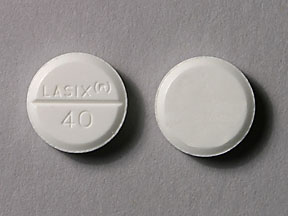
Lasix Side Effects
Generic name: furosemide
Medically reviewed by Drugs.com. Last updated on Oct 4, 2023.
Note: This document provides detailed information about Lasix Side Effects associated with furosemide. Some dosage forms listed on this page may not apply specifically to the brand name Lasix.
Applies to furosemide: oral solution, oral tablet.
Other dosage forms:
Important warnings
This medicine can cause some serious health issues
Oral route (tablet)
Furosemide is a potent diuretic which, if given in excessive amounts, can lead to a profound diuresis with water and electrolyte depletion.
Therefore, careful medical supervision is required and dose and dosage interval must be adjusted to the individual patient's needs.
Serious side effects of Lasix
Along with its needed effects, furosemide (the active ingredient contained in Lasix) may cause some unwanted effects. Although not all of these side effects may occur, if they do occur they may need medical attention.
Check with your doctor immediately if any of the following side effects occur while taking furosemide:
Rare side effects
- chest pain
- chills
- cough or hoarseness
- fever
- general feeling of tiredness or weakness
- headache
- lower back or side pain
- painful or difficult urination
- shortness of breath
- sore throat
- sores, ulcers, or white spots on the lips or in the mouth
- swollen or painful glands
- tightness in the chest
- unusual bleeding or bruising
- unusual tiredness or weakness
- wheezing
Incidence not known
- back or leg pains
- black, tarry stools
- bleeding gums
- blistering, peeling, or loosening of the skin
- bloating
- blood in the urine or stools
- blurred vision
- burning, crawling, itching, numbness, prickling, "pins and needles", or tingling feelings
- changes in skin color, pain, tenderness, or swelling of the foot or leg
- clay-colored stools
- cloudy urine
- cold sweats
- confusion
- constipation
- continuing ringing or buzzing or other unexplained noise in the ears
- coughing up blood
- cracks in the skin
- darkened urine
- diarrhea
- difficulty breathing
- dizziness, faintness, or lightheadedness when getting up from a lying or sitting position
- dry mouth
- fast heartbeat
- flushed, dry skin
- fruit-like breath odor
- greatly decreased frequency of urination or amount of urine
- hearing loss
- increased hunger
- increased thirst
- indigestion
- itching
- loss of appetite
- nausea or vomiting
- nosebleeds
- pain in the joints or muscles
- pains in the stomach, side, or abdomen, possibly radiating to the back
- pale skin
- pinpoint red spots on the skin
- red, irritated eyes
- red, swollen skin
- skin rash
- spots on your skin resembling a blister or pimple
- sweating
- swelling of the feet or lower legs
- trouble breathing with exertion
- unusual weight loss
- vomiting of blood
- yellow eyes or skin
Get emergency help immediately if any of the following symptoms of overdose occur while taking furosemide:
Symptoms of overdose
- decreased urination
- drowsiness
- increase in heart rate
- irregular heartbeat
- irritability
- mood changes
- muscle cramps
- numbness, tingling, pain, or weakness in the hands, feet, or lips
- rapid breathing
- seizures
- sunken eyes
- thirst
- trembling
- weak pulse
- weakness and heaviness of the legs
- wrinkled skin
Other side effects of Lasix
Some side effects of furosemide may occur that usually do not need medical attention. These side effects may go away during treatment as your body adjusts to the medicine. Also, your health care professional may be able to tell you about ways to prevent or reduce some of these side effects.
Check with your health care professional if any of the following side effects continue or are bothersome or if you have any questions about them:
Incidence not known
- feeling of constant movement of self or surroundings
- hives or welts
- increased sensitivity of the skin to sunlight
- muscle spasm
- redness or other discoloration of the skin
- restlessness
- sensation of spinning
- severe sunburn
- weakness
For healthcare professionals
Applies to furosemide: compounding powder, injectable solution, intravenous solution, oral liquid, oral solution, oral tablet, subcutaneous kit.
Metabolic adverse events
- Common (1% to 10%): Hyponatremia, hypochloremia, hypokalemia, blood cholesterol increased, blood uric acid increased, gout
- Uncommon (0.1% to 1%): Thirst, glucose tolerance decreased
- Rare (0.01% to 0.1%): Anorexia, serum triglycerides increased
- Frequency not reported: Hyperglycemia, diabetes mellitus, hyperuricemia, metabolic alkalosis, hypocalcemia, hypomagnesemia, hypovolemia, dehydration, tetany, serum potassium decreased, Pseudo-Bartter syndrome, electrolyte disturbances, serum calcium decreased[Ref]
Hematologic
- Common (1% to 10%): Hemoconcentration
- Uncommon (0.1% to 1%): Thrombocytopenia
- Rare (0.01% to 0.1%): Eosinophilia, leukopenia, bone marrow depression
- Very rare (less than 0.01%): Hemolytic anemia, aplastic anemia, agranulocytosis
- Frequency not reported: Anemia, thrombophilia[Ref]
Genitourinary
- Common (1% to 10%): Urine volume increased
- Frequency not reported: Glycosuria, bladder spasm, urinary retention, urinary incontinence[Ref]
Dermatologic
- Uncommon (0.1% to 1%): Pruritus, bullous exanthema, rash, urticaria, purpura, erythema multiforme, exfoliative dermatitis, photosensitivity
- Rare (less than 0.1%): Lyell's syndrome and Stevens-Johnson syndrome, acute generalized exanthematous pustulosis, drug rash with eosinophilia and systemic symptoms
- Frequency not reported: Toxic epidermal necrolysis, bullous pemphigoid, sweating[Ref]
Gastrointestinal
- Uncommon (0.1% to 1%): Dry mouth, nausea, bowel motility disturbances, vomiting, diarrhea, constipation
- Rare (less than 0.1%): Gastric distress, acute pancreatitis
- Frequency not reported: Pancreatitis, oral and gastric irritation, cramping[Ref]
Renal
- Uncommon (0.1% to 1%): Blood creatinine increased, urea increased
- Rare (less than 0.1%): Interstitial nephritis, acute renal failure
- Frequency not reported: Nephrocalcinosis in premature infants, nephrolithiasis in premature infants, GFR decreased, tubulointerstitial nephritis[Ref]
Other
- Uncommon (0.1% to 1%): Deafness, fatigue
- Rare (less than 0.1%): Sensation of pressure in the head, dysacusis, asthenia, fever, febrile conditions, malaise
- Frequency not reported: Weakness, sudden death, hearing disorders, hearing loss, paradoxical swelling[Ref]
Cardiovascular
- Uncommon (0.1% to 1%): Cardiac arrhythmia
- Rare (less than 0.1%): Vasculitis
- Frequency not reported: Systemic vasculitis, necrotizing angiitis, orthostatic hypotension, thrombophlebitis, acute hypotension, circulatory collapse, persistent patent ductus arteriosus during the first few weeks of life in premature infants with respiratory distress syndrome, blood pressure decreased, shock, hypotension, thrombosis, orthostatic blood pressure decreased[Ref]
Ocular
- Uncommon (0.1% to 1%): Visual disturbance
- Rare (less than 0.1%): Myopia aggravated, blurred vision
- Frequency not reported: Blurred vision, xanthopsia[Ref]
Nervous system
- Rare (0.01% to 0.1%): Paresthesia, vertigo, dizziness, sleepiness, tinnitus, hyperosmolar coma
- Frequency not reported: Hepatic encephalopathy, headache, fainting and loss of consciousness, drowsiness, lethargy, sweet taste[Ref]
Musculoskeletal
- Rare (less than 0.1%): Lupus erythematosus activation or exacerbation, leg muscle cramps, chronic arthritis
- Frequency not reported: Muscle spasm, rhabdomyolysis[Ref]
Immunologic
- Rare (less than 0.1%): Severe anaphylactic or anaphylactoid reactions
- Frequency not reported: Allergic reactions[Ref]
Hepatic
- Very rare (less than 0.01%): Jaundice, hepatic ischemia, liver enzymes increased
- Frequency not reported: Abnormal hepatic function, cholestasis, bile flow increased, biliary tree distended[Ref]
Psychiatric
- Frequency not reported: Restlessness, psychiatric disorder, apathy[Ref]
References
1. (2007) "Product Information. Lasix (furosemide)." sanofi-aventis
2. Cerner Multum, Inc. "UK Summary of Product Characteristics."
3. Cerner Multum, Inc. "Australian Product Information."
Frequently asked questions
- Should you drink a lot of water when taking Lasix?
- Are losartan and losartan potassium the same or different drugs?
- How long after taking Lasix would you expect to urinate?
- Can you take Lasix for weight loss?
- What are the equivalent dosages of bumetanide, furosemide & torsemide?
More about Lasix (furosemide)
- Check interactions
- Compare alternatives
- Reviews (56)
- Drug images
- Dosage information
- Patient tips
- During pregnancy
- Generic availability
- Support group
- Drug class: loop diuretics
- Breastfeeding
- En español
Patient resources
Other brands
Professional resources
Other brands
Related treatment guides
Further information
Lasix side effects can vary depending on the individual. Always consult your healthcare provider to ensure the information displayed on this page applies to your personal circumstances.
Note: Medication side effects may be underreported. If you are experiencing side effects that are not listed, submit a report to the FDA by following this guide.