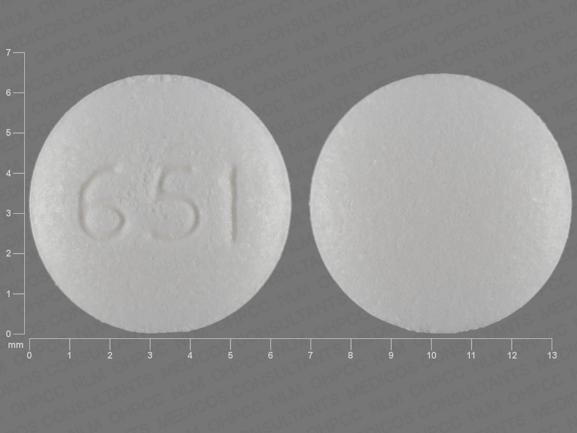
Kapvay Side Effects
Generic name: clonidine
Medically reviewed by Drugs.com. Last updated on Dec 4, 2023.
Note: This document contains side effect information about clonidine. Some dosage forms listed on this page may not apply to the brand name Kapvay.
Applies to clonidine: oral tablet, oral tablet extended release. Other dosage forms:
Serious side effects of Kapvay
Along with its needed effects, clonidine (the active ingredient contained in Kapvay) may cause some unwanted effects. Although not all of these side effects may occur, if they do occur they may need medical attention.
Check with your doctor immediately if any of the following side effects occur while taking clonidine:
Less common
- Mental depression
- swelling of the feet and lower legs
Rare
- Anxiety
- blistering, burning, crusting, dryness, or flaking of the skin
- chest pain or discomfort
- confusion as to time, place, or person
- decreased urine output
- dilated neck veins
- drowsiness
- dry mouth
- fast, pounding, or irregular heartbeat or pulse
- fever
- general feeling of discomfort or illness
- holding false beliefs that cannot be changed by fact
- hyperventilation
- irregular breathing
- irritability
- itching, scaling, severe redness, soreness, or swelling of the skin
- large, hive-like swelling on the face, eyelids, lips, tongue, throat, hands, legs, feet, or sex organs
- lightheadedness, dizziness, or fainting
- mental depression
- paleness or cold feeling in the fingertips and toes
- pounding, slow heartbeat
- problems in urination or increase in the amount of urine
- raised red swellings on the skin, lips, tongue, or in the throat
- restlessness
- seeing or hearing things that are not there
- shaking
- shortness of breath
- skin rash
- swelling of the face, fingers, feet, or lower legs
- tightness in the chest
- tingling or pain in the fingers or toes when exposed to cold
- trouble with sleeping
- troubled breathing
- unusual excitement, nervousness, or restlessness
- unusual tiredness or weakness
- vivid dreams or nightmares
- weight gain
- wheezing
Get emergency help immediately if any of the following symptoms of overdose occur while taking clonidine:
Symptoms of overdose
- Dizziness (extreme) or faintness
- feeling cold
- pinpoint pupils of the eyes
- unusual tiredness or weakness (extreme)
Other side effects of Kapvay
Some side effects of clonidine may occur that usually do not need medical attention. These side effects may go away during treatment as your body adjusts to the medicine. Also, your health care professional may be able to tell you about ways to prevent or reduce some of these side effects.
Check with your health care professional if any of the following side effects continue or are bothersome or if you have any questions about them:
More common
Less common
- Darkening of the skin
- decreased sexual ability
- dry, itching, or burning eyes
- loss of appetite
- nausea or vomiting
Rare
- Blurred vision
- decreased interest in sexual intercourse
- hair loss or thinning of the hair
- inability to have or keep an erection
- leg cramps
- loss in sexual ability, desire, drive, or performance
- muscle or joint pain
- pale skin
- swelling of the breasts or breast soreness in both females and males
- weakness
For Healthcare Professionals
Applies to clonidine: compounding powder, injectable solution, oral suspension extended release, oral tablet, oral tablet extended release, transdermal film extended release.
Cardiovascular
Very common (10% or more): Hypotension (45%), orthostatic hypotension (32%)
Common (1% to 10%): Chest pain, tachycardia
Uncommon (0.1% to 1%): Sinus bradycardia, Raynaud's phenomenon, palpitations
Rare (0.01% to 0.1%): Atrioventricular block, palpitations, bradycardia, syncope, congestive heart failure, electrocardiographic abnormalities (i.e., sinus node arrest, high degree AV block), cerebrovascular accident
Frequency not reported: Bradyarrhythmia, hypertension, rebound hypertension[Ref]
Dermatologic
Very common (10% or more): Contact dermatitis with the patch formulation (19%)
Common (1% to 10%): Sweating
Uncommon (0.1% to 1%): Pruritus, rash (localized or generalized), urticaria, erythema
Rare (0.01% to 0.1%): Alopecia, excoriation, burning
Very rare (less than 0.01%): Papules, throbbing, blanching, generalized macular rash, facial/tongue angioedema
Frequency not reported: Hives, localized hypo or hyper pigmentation[Ref]
Endocrine
Rare (0.01% to 0.1%): Gynecomastia[Ref]
Gastrointestinal
Very common (10% or more): Dry mouth (40%), upper abdominal pain (15%), nausea (13%), vomiting (10%)
Common (1% to 10%): Constipation, parotid gland pain
Uncommon (0.1% to 1%): Colonic pseudo-obstruction
Very rare (less than 0.01%): Parotitis[Ref]
Genitourinary
Common (1% to 10%): Erectile dysfunction
Frequency not reported: Micturition difficulty, loss of libido, decreased sexual activity, nocturia, urinary retention[Ref]
General
Most adverse effects are mild and diminish with continued therapy. The most frequent (which appear to be dose-related) are dry mouth (40%), drowsiness (33%), dizziness (16%), constipation (10%), and sedation (10%).[Ref]
Hematologic
Rare (0.01% to 0.1%): Peripheral blood flow disturbance, thrombocytopenia[Ref]
Hepatic
Frequency not reported: Mild transient abnormalities of liver function tests, hepatitis[Ref]
Metabolic
Rare (0.01% to 0.1%): Blood glucose increased, serum creatine phosphokinase increased
Frequency not reported: Weight gain, anorexia[Ref]
Musculoskeletal
Frequency not reported: Muscle pain, joint pain, leg cramps[Ref]
Nervous system
Very common (10% or more): Drowsiness (33%), dizziness (16%), somnolence (13%), sedation (10%)
Common (1% to 10%): Headache
Uncommon (0.1% to 1%): Paresthesia
Frequency not reported: Headache, localized numbness[Ref]
Ocular
Rare (0.01% to 0.1%): Lacrimation decreased (dry eyes)
Frequency not reported: Accommodation disorder, ocular burning, vision blurred[Ref]
Other
Common (1% to 10%): Fatigue, tinnitus
Uncommon (0.1% to 1%): Malaise
Frequency not reported: Fever, pallor, weakness, positive Coombs' test, increased sensitivity to alcohol[Ref]
Psychiatric
Very common (10% or more): Confusion (13%)
Common (1% to 10%): Depression, tearfulness, sleep disorder, hallucinations (both visual and auditory), nervousness, agitation
Uncommon (0.1% to 1%):
Rare (0.01% to 0.1%): Delusional perception, nightmare
Frequency not reported: Libido decreased, restlessness, anxiety, irritability, behavior changes[Ref]
Respiratory
Common (1% to 10%): Hypoventilation
Rare (0.01% to 0.1%): Nasal dryness[Ref]
More about Kapvay (clonidine)
- Check interactions
- Compare alternatives
- Reviews (18)
- Drug images
- Dosage information
- During pregnancy
- FDA approval history
- Drug class: antiadrenergic agents, centrally acting
- Breastfeeding
- En español
Patient resources
Other brands
Catapres, Catapres-TTS, Duraclon, Nexiclon XR
Professional resources
Other brands
Catapres, Catapres-TTS, Duraclon, Nexiclon XR
Related treatment guides
References
1. Cerner Multum, Inc. UK Summary of Product Characteristics.
2. Cerner Multum, Inc. Australian Product Information.
3. Product Information. CloNIDine Hydrochloride (clonidine). Unichem Pharmaceuticals Inc. 2016.
Further information
Always consult your healthcare provider to ensure the information displayed on this page applies to your personal circumstances.
Some side effects may not be reported. You may report them to the FDA.