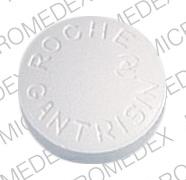
Gantrisin Side Effects
Generic name: sulfisoxazole
Medically reviewed by Drugs.com. Last updated on Jan 21, 2024.
Note: This document provides detailed information about Gantrisin Side Effects associated with sulfisoxazole. Some dosage forms listed on this page may not apply specifically to the brand name Gantrisin.
Applies to sulfisoxazole: compounding powder, oral suspension, oral tablet.
Important warnings
This medicine can cause some serious health issues
Take this medication for the full prescribed length of time. Your symptoms may get better before the infection is completely cleared. Sulfisoxazole will not treat a viral infection such as the common cold or flu.
Do not share this medication with another person, even if they have the same symptoms you have.
Antibiotic medicines can cause diarrhea, which may be a sign of a new infection. If you have diarrhea that is watery or bloody, stop taking sulfisoxazole and call your doctor. Do not use anti-diarrhea medicine unless your doctor tells you to.
Get emergency medical help if you have any of these signs of an allergic reaction while taking sulfisoxazole (the active ingredient contained in Gantrisin) hives; difficulty breathing; swelling of your face, lips, tongue, or throat.
Call your doctor at once if you have a serious side effect such as:
-
diarrhea that is watery or bloody;
-
fever, chills, body aches, flu symptoms;
-
cough, feeling short of breath, pale skin, joint pain, unusual bruising;
-
fast or pounding heartbeat;
-
blue lips or fingernails, feeling light-headed, fainting;
-
swelling around your neck or throat;
-
urinating more or less than usual;
-
severe pain in your side or lower back, blood in your urine;
-
nausea, stomach pain, low fever, loss of appetite, dark urine, clay-colored stools, jaundice (yellowing of the skin or eyes);
-
fever, sore throat, and headache with a severe blistering, peeling, and red skin rash;
-
agitation, confusion, unusual thoughts or behavior; or
-
seizure (black-out or convulsions).
Less serious side effects of sulfisoxazole may include:
-
mild stomach pain, bloating, gas;
-
headache, dizziness;
-
ringing in your ears; or
-
swollen, black, or "hairy" tongue.
This is not a complete list of side effects and others may occur. Call your doctor for medical advice about side effects.
For healthcare professionals
Applies to sulfisoxazole: compounding powder, oral suspension, oral tablet.
General
In general, although not every side effect listed in the side effects section may have been reported with the use of sulfisoxazole (the active ingredient contained in Gantrisin) they have all been reported with the use of one or more sulfonamide compounds.
Sulfisoxazole was generally well tolerated. Less than 0.1% of patients experienced serious side effects from sulfisoxazole.[Ref]
Hypersensitivity
Hypersensitivity side effects have included anaphylaxis, erythema multiforme (Stevens-Johnson syndrome), toxic epidermal necrolysis, angioedema, arteritis and vasculitis, serum sickness, conjunctival and scleral injection, generalized allergic reactions, and allergic myocarditis.[Ref]
The use of sulfonamide antibiotics is associated with large increases in the risk of Stevens-Johnson syndrome or toxic epidermal necrolysis, although these phenomena are rare as a whole.[Ref]
Dermatologic
Dermatologic side effects have included exfoliative dermatitis, rash, pruritus, photosensitivity, periarteritis nodosa, systemic lupus erythematosus, and generalized skin eruptions.[Ref]
Hematologic
Hematologic side effects have included agranulocytosis, leukopenia, thrombocytopenia, aplastic anemia, purpura, hemolytic anemia, eosinophilia, clotting disorders including hypoprothrombinemia, hypofibrinogenemia, sulfhemoglobinemia, and methemoglobinemia.[Ref]
Hepatic
Hepatic side effects have included hepatitis, hepatocellular necrosis, and jaundice. Elevated liver-associated enzymes have been reported in patients with hepatitis. Rare cases of hepatic necrosis have been associated with some sulfonamides.[Ref]
Renal
Renal side effects have included elevated BUN and creatinine, acute renal failure, nephritis, and nephrosis with oliguria and anuria. The frequency of renal complications is lower with the more soluble sulfonamides, such as sulfisoxazole (the active ingredient contained in Gantrisin) [Ref]
Genitourinary
Genitourinary side effects have included crystalluria, hematuria, and urinary retention.
Cardiovascular
Cardiovascular side effects have included tachycardia, palpitations, syncope, cyanosis, angioedema, arteritis, and vasculitis.
Gastrointestinal
Gastrointestinal side effects have included pseudomembranous colitis, nausea, emesis, anorexia, abdominal pain, diarrhea, gastrointestinal hemorrhage, melena, flatulence, glossitis, stomatitis, enlarged salivary gland, and pancreatitis.
Pseudomembranous colitis has occurred during or after sulfisoxazole therapy.
Nervous system
Nervous system side effects have included headache, dizziness, peripheral neuritis, paresthesia, convulsions, drowsiness, hearing loss, insomnia, tinnitus, vertigo, ataxia, and intracranial hypertension.[Ref]
Psychiatric
Psychiatric side effects have included psychosis, hallucination, disorientation, depression, anxiety, and apathy.
Other
Other side effects have included edema (including periorbital), pyrexia, weakness, fatigue, lassitude, rigors, flushing, and chills.
Respiratory
Respiratory side effects have included cough, shortness of breath, pulmonary infiltrates, and pneumonitis.
Musculoskeletal
Musculoskeletal side effects have included arthralgia and myalgia.
Endocrine
Endocrine side effects have been reported rarely in patients receiving sulfonamides and have included goiter development, diuresis, and hypoglycemia.
References
1. "Multum Information Services, Inc. Expert Review Panel"
2. Flach A, Peterson J, Mathias T (1982) "Photosensitivity to topically applied sulfisoxazole ointment." Arch Ophthalmol, 100, p. 1286-7
3. Flach A (1981) "Photosensitivity to sulfisoxazole ointment." Arch Ophthalmol, 99, p. 609-10
4. Roujeau JC, Kelly JP, Naldi L, et al. (1995) "Medication use and the risk of Stevens-Johnson syndrome or toxic epidermal necrolysis." N Engl J Med, 333, p. 1600-7
5. Kounis GN, Kouni SA, Chiladakis JA, Kounis NG (2009) "Comment: Mesalamine-Associated Hypersensitivity Myocarditis in Ulcerative Colitis and the Kounis Syndrome (February)." Ann Pharmacother, 43, p. 393-4
6. (2001) "Product Information. Gantrisin (sulfisoxazole)." Roche Laboratories
7. Boyer W, Lake C (1983) "Interaction of phenelzine and sulfisoxazole." Am J Psychiatry, 140, p. 264-5
More about Gantrisin (sulfisoxazole)
- Check interactions
- Compare alternatives
- Drug images
- Dosage information
- During pregnancy
- Drug class: sulfonamides
- Breastfeeding
Patient resources
Other brands
Gantrisin Pediatric, Truxazole
Professional resources
Related treatment guides
Further information
Gantrisin side effects can vary depending on the individual. Always consult your healthcare provider to ensure the information displayed on this page applies to your personal circumstances.
Some side effects may not be reported. You may report them to the FDA.