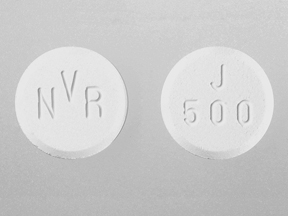
Exjade Side Effects
Generic name: deferasirox
Medically reviewed by Drugs.com. Last updated on Nov 30, 2024.
Note: This document provides detailed information about Exjade Side Effects associated with deferasirox. Some dosage forms listed on this page may not apply specifically to the brand name Exjade.
Applies to deferasirox: oral granule, oral tablet, oral tablet for suspension.
Important warnings
This medicine can cause some serious health issues
Oral route (tablet; tablet for suspension; granule)
Renal Failure:Deferasirox can cause acute renal failure and death, particularly in patients with comorbidities and those who are in the advanced stages of their hematologic disorders.Evaluate baseline renal function prior to starting or increasing deferasirox dosing in all patients.
Deferasirox is contraindicated in adult and pediatric patients with estimated GFR less than 40 mL/min/1.73 m(2).
Measure serum creatinine in duplicate prior to initiation of therapy.
Monitor renal function at least monthly.
For patients with baseline renal impairment or increased risk of acute renal failure, monitor renal function weekly for the first month, then at least monthly.
Reduce the starting dose in patients with pre-existing renal disease.
During therapy, increase the frequency of monitoring and modify the dose for patients with an increased risk of renal impairment, including use of concomitant nephrotoxic drugs, and pediatric patients with volume depletion or overchelation.Hepatic Failure:Deferasirox can cause hepatic injury including hepatic failure and death Measure serum transaminases and bilirubin in all patients prior to initiating treatment, every 2 weeks during the first month, and at least monthly thereafter.Avoid use of deferasirox in patients with severe (Child-Pugh C) hepatic impairment and reduce the dose in patients with moderate (Child Pugh B) hepatic impairment.Gastrointestinal Hemorrhage:Deferasirox can cause gastrointestinal (GI) hemorrhages, which may be fatal, especially in elderly patients who have advanced hematologic malignancies and/or low platelet counts.Monitor patients and discontinue deferasirox for suspected GI ulceration or hemorrhage.
Precautions
It is very important that your doctor check your or your child's progress at regular visits to make sure that this medicine is working properly. Blood and urine tests may be needed to check for unwanted effects.
Check with your doctor right away if you or your child have bloody urine, a decrease in frequency or amount of urine, an increase in blood pressure, increased thirst, loss of appetite, lower back or side pain, nausea, swelling of the face, fingers, or lower legs, troubled breathing, unusual tiredness or weakness, vomiting, or weight gain. These may be symptoms of a serious kidney problem.
Check with your doctor right away if you or your child have pain or tenderness in the upper stomach, pale stools, dark urine, loss of appetite, nausea, vomiting, or yellow eyes or skin. These could be symptoms of a serious liver problem.
Check with your doctor right away if you or your child have abdominal or stomach pain, cramping, or burning, black, tarry stools, constipation, diarrhea, heartburn, indigestion, nausea, or vomiting of blood or material that looks like coffee grounds. These may be symptoms of a serious stomach or bowel problem.
Deferasirox will lower the number of some types of blood cells in your body. Because of this, you may bleed or get infections more easily. To help with these problems, avoid being near people who are sick or have infections. Wash your hands often. Stay away from rough sports or other situations where you could be bruised, cut, or injured. Brush and floss your teeth gently. Be careful when using sharp objects, including razors and fingernail clippers.
This medicine may cause serious allergic reactions, including anaphylaxis and angioedema. These can be life-threatening and require immediate medical attention. Call your doctor right away if you or your child have a rash, itching, hoarseness, trouble breathing, trouble swallowing, or any swelling of your hands, face, or mouth while you are using this medicine.
Serious skin reactions can occur with this medicine. Check with your doctor right away if you or your child have blistering, peeling, or red skin rash, red skin lesions, severe acne or skin rash, sores or ulcers on the skin, or fever or chills while you are using this medicine.
Deferasirox may cause some people to have hearing and vision problems within a few weeks after they start using it. If you notice any problems with your or your child's hearing or vision, such as blurred vision, difficulty with night vision, or difficulty with seeing colors, check with your doctor right away.
If you have diarrhea or vomiting, drink plenty of water or fluids to keep your body hydrated.
This medicine may make you dizzy. Do not drive or do anything else that could be dangerous until you know how this medicine affects you.
Birth control pills may not work while you are using this medicine. To keep from getting pregnant, use another form of birth control such as condoms, diaphragms, or contraceptive foams or jellies.
Do not take other medicines unless they have been discussed with your doctor. This includes prescription or nonprescription (over-the-counter [OTC]) medicines and herbal or vitamin supplements. Do not take this medicine with aluminum-containing antacids (Maalox®, Mylanta®).
See also:
Jadenu
Jadenu (deferasirox) treats iron overload by binding to iron and removing it from the bloodstream ...
Ferriprox
Ferriprox (deferiprone) is used to treat patients with iron overload caused by blood transfusions ...
Botox
Botox is used cosmetically to reduce facial lines and wrinkles and for medical purposes for ...
Desferal
Desferal is used for iron poisoning, acute, iron poisoning, chronic
Serious side effects of Exjade
Along with its needed effects, deferasirox (the active ingredient contained in Exjade) may cause some unwanted effects. Although not all of these side effects may occur, if they do occur they may need medical attention.
Check with your doctor immediately if any of the following side effects occur while taking deferasirox:
More common side effects
- diarrhea
- dizziness
- earache or pain in the ear
- nausea
- stomach pain
- voice changes
- vomiting
Rare side effects
- blindness
- blurred vision
- change in hearing
- change in vision
- pain or discomfort in the eye
Incidence not known
- black, tarry stools
- bleeding gums
- blood in the urine or stools
- dark urine
- decrease in the amount of urine
- general feeling of tiredness or weakness
- hives, welts, skin rash
- large, hive-like swelling on the face, eyelids, lips, tongue, throat, hands, legs, feet, or genitals
- light-colored stools
- lower back or side pain
- pale skin
- puffiness or swelling of the eyelids or around the eyes, face, lips, or tongue
- redness, soreness, itching of the skin
- sores, blisters
- stomach pain, continuing
- unusual bleeding or bruising
- unusual drowsiness, dullness, tiredness, weakness, or feeling of sluggishness
- vomiting of blood or material that looks like coffee grounds
- yellow eyes or skin
For healthcare professionals
Applies to deferasirox: oral granule for reconstitution, oral tablet, oral tablet dispersible.
General adverse events
The most common adverse events were abdominal pain, nausea, vomiting, diarrhea, skin rashes, and increases in serum creatinine. Gastrointestinal symptoms, increases in serum creatinine, and skin rash were dose related.[Ref]
Gastrointestinal
- Very common (10% or more): Diarrhea (up to 47%), abdominal pain (28%), nausea (26%), vomiting (21%)
- Common (1% to 10%): Abdominal pain upper, constipation, abdominal distension, dyspepsia
- Uncommon (0.1% to 1%): Gastritis, gastrointestinal hemorrhage, gastric ulcer (including multiple ulcers), duodenal ulcer, esophagitis
- Frequency not reported: Pancreatitis associated with gallstones (with and without underlying biliary conditions)
- Postmarketing reports: Gastrointestinal perforation[Ref]
Renal
- Very common (10% or more): Creatinine increased (38%)
- Common (1% to 10%): Abnormal serum creatinine, abnormal creatinine clearance values
- Uncommon (0.1% to 1%): Renal tubulopathy (Fanconi's Syndrome)
- Postmarketing reports: Renal tubular necrosis, acute renal failure, tubulointerstitial nephritis, acute kidney injury, decreased eGFR, renal tubular disorder[Ref]
Dermatologic
- Very common (10% or more): Rash (13%)
- Common (1% to 10%): Urticaria, pruritus
- Uncommon (0.1% to 1%): Henoch Schonlein purpura, pigmentation disorder, erythema multiforme, drug reaction with eosinophilia and systemic symptoms (DRESS)
- Postmarketing reports: Stevens-Johnson syndrome, leukocytoclastic vasculitis, alopecia, toxic epidermal necrolysis[Ref]
Genitourinary
- Very common (10% or more): Intermittent proteinuria (18.6%)
- Common (1% to 10%): Proteinuria
- Uncommon (0.1% to 1%): Glycosuria
- Postmarketing reports: Hematuria[Ref]
Respiratory
- Very common (10% or more): Cough (13.9%), nasopharyngitis (13.2%), influenza, (10.8%), pharyngolaryngeal pain (10.5%)
- Common (1% to 10%): Respiratory tract infection, bronchitis, pharyngitis, acute tonsillitis, rhinitis[Ref]
Other
- Very common (10% or more): Pyrexia (18.9%)
- Common (1% to 10%): Death, fatigue, ear infection
- Uncommon (0.1% to 1%): Drug fever, hearing loss[Ref]
Nervous system
- Very common (10% or more): Headache (15.9%)
- Uncommon (0.1% to 1%): Hyperactivity, dizziness[Ref]
Hepatic
- Common (1% to 10%): Elevations in SGPT/ALT, gallstones, drug induced hepatitis, abnormal liver function tests, transaminases increased
- Uncommon (0.1% to 1%): Cholelithiasis, hepatitis
- Postmarketing reports: Hepatic failure[Ref]
Musculoskeletal
- Common (1% to 10%): Arthralgia, back pain[Ref]
Ocular
- Uncommon (0.1% to 1%): Cataract, maculopathy, early cataract, optic neuritis[Ref]
Metabolic
- Uncommon (0.1% to 1%): Edema
- Postmarketing reports: Metabolic acidosis, hypokalemia[Ref]
Psychiatric
- Uncommon (0.1% to 1%): Insomnia, sleep disorder, anxiety[Ref]
Hematologic
- Postmarketing reports: Worsening anemia, cytopenias including neutropenia and thrombocytopenia, pancytopenia[Ref]
Hypersensitivity
- Postmarketing reports: Hypersensitivity reactions (including anaphylaxis and angioedema)[Ref]
Immunologic
- Frequency not reported: Atypical tuberculosis[Ref]
References
1. (2005) "Product Information. Exjade (deferasirox)." Novartis Pharmaceuticals
2. Cerner Multum, Inc. "UK Summary of Product Characteristics."
3. Cerner Multum, Inc. "Australian Product Information."
More about Exjade (deferasirox)
- Check interactions
- Compare alternatives
- Pricing & coupons
- Reviews (1)
- Drug images
- Dosage information
- During pregnancy
- Generic availability
- FDA approval history
- Drug class: chelating agents
- Breastfeeding
- En español
Patient resources
Other brands
Professional resources
Other brands
Related treatment guides
Further information
Exjade side effects can vary depending on the individual. Always consult your healthcare provider to ensure the information displayed on this page applies to your personal circumstances.
Note: Medication side effects may be underreported. If you are experiencing side effects that are not listed, submit a report to the FDA by following this guide.