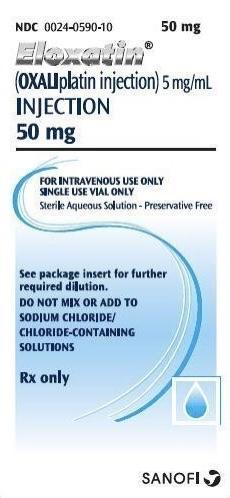
Eloxatin Side Effects
Generic name: oxaliplatin
Note: This document contains side effect information about oxaliplatin. Some dosage forms listed on this page may not apply to the brand name Eloxatin.
Applies to oxaliplatin: intravenous powder for solution, intravenous solution.
Warning
Intravenous route (Solution; Powder for Solution)
Hypersensitivity Reactions, including AnaphylaxisSerious and fatal hypersensitivity adverse reactions, including anaphylaxis, can occur with oxaliplatin within minutes of administration and during any cycle. Oxaliplatin is contraindicated in patients with hypersensitivity reactions to oxaliplatin and other platinum-based drugs. Immediately and permanently discontinue oxaliplatin for hypersensitivity reactions and administer appropriate treatment.
Serious side effects of Eloxatin
Along with its needed effects, oxaliplatin (the active ingredient contained in Eloxatin) may cause some unwanted effects. Although not all of these side effects may occur, if they do occur they may need medical attention.
Check with your doctor or nurse immediately if any of the following side effects occur while taking oxaliplatin:
More common
- Abnormal tongue sensation
- black, tarry stools
- bleeding, blistering, burning, coldness, discoloration of skin, feeling of pressure, hives, infection, inflammation, itching, lumps, numbness, pain, rash, redness, scarring, soreness, stinging, swelling, tenderness, tingling, ulceration, or warmth at the injection site
- bleeding gums
- blistering, peeling, redness, or swelling of the palms of the hands or bottoms of the feet
- blood in the urine or stools
- burning, prickling, itching, or tingling of the skin
- chest pain
- chills
- cough
- decreased urination
- difficulty performing daily activities such as writing, buttoning, swallowing, or walking
- difficulty with articulating words
- difficulty with breathing
- difficulty with moving
- difficulty with swallowing
- dizziness
- dry mouth
- eye pain
- fainting
- fever
- increase in heart rate
- jaw spasm
- lightheadedness
- lower back or side pain
- muscle pain or stiffness
- numbness or painful sensations
- pain in the chest, groin, or legs, especially the calves
- pain in the joints
- painful or difficult urination
- pale skin
- pinpoint red spots on the skin
- rapid breathing
- sensation of pins and needles
- sore throat
- sores, ulcers, or white spots on the lips or in the mouth
- stabbing pain
- sunken eyes
- swelling
- swelling or inflammation of the mouth
- swollen glands
- thirst
- trouble breathing with exertion
- unsteadiness or awkwardness
- unusual bleeding or bruising
- unusual tiredness or weakness
- vision changes
- wrinkled skin
Less common
- Chest tightness
- fast heartbeat
- hives, itching, or skin rash
- increased thirst
- irregular heartbeat
- loss of appetite
- mood changes
- nausea or vomiting
- puffiness or swelling of the eyelids or around the eyes, face, lips, or tongue
Incidence not known
- Back, leg, or stomach pains
- blindness
- bloated stomach
- blue-yellow color blindness
- blurred vision
- changes in patterns and rhythms of speech
- dark urine
- deafness
- decreased vision
- deep breathing
- drowsiness
- electric shock-like sensation that moves down the back and into the legs following a bending movement of the neck
- general body swelling
- increased urination
- irregular heartbeat, recurrent
- large, hive-like swelling on the face, eyelids, lips, tongue, throat, hands, legs, feet, or sex organs
- loss of deep tendon reflexes
- muscle cramps or spasms
- muscle tremors
- pain and fullness in the right upper abdomen or stomach
- restlessness
- severe constipation
- severe diarrhea
- severe nosebleeds
- severe stomach cramps or tenderness
- severe vomiting
- trouble with speaking
- twitches of the muscle visible under the skin
- weakness of the muscles in your face
- weight gain
- yellow eyes or skin
Get emergency help immediately if any of the following symptoms of overdose occur while taking oxaliplatin:
Symptoms of overdose
- Agitation
- coma
- cough or hoarseness
- diarrhea
- disorientation
- involuntary, rapid, or rhythmic movement of the eyes
- lack of coordination
- lack of sensation
- lethargy
- paralysis
- respiratory failure
- seizures
- slow or irregular heartbeat
- tremors
- vomiting, profuse
Other side effects of Eloxatin
Some side effects of oxaliplatin may occur that usually do not need medical attention. These side effects may go away during treatment as your body adjusts to the medicine. Also, your health care professional may be able to tell you about ways to prevent or reduce some of these side effects.
Check with your health care professional if any of the following side effects continue or are bothersome or if you have any questions about them:
More common
- Acid or sour stomach
- belching
- body aches or pain
- ear congestion
- feeling unusually cold, shivering
- headache
- heartburn
- indigestion
- loss of voice
- nasal congestion
- runny nose
- sneezing
- stomach discomfort, upset, or pain
- trouble sleeping
- weight loss
Less common
- Bad, unusual, or unpleasant (after) taste
- bloated or full feeling
- bloody nose
- burning while urinating
- change in taste
- congestion
- cracked lips
- dryness or soreness of the throat
- excess air or gas in stomach or intestines
- feeling of warmth
- hair loss
- passing gas
- rapid weight gain
- redness of the face, neck, arms, and occasionally upper chest
- tender, swollen glands in the neck
- thinning of the hair
- unusual tearing of the eyes
- voice changes
For Healthcare Professionals
Applies to oxaliplatin: intravenous powder for injection, intravenous solution.
Nervous system
Very common (10% or more): Peripheral sensory neuropathy/paresthesia (92%), pharyngo-laryngeal dysesthesia (38.2%), headache (17%), taste perversion (14%), dizziness (13%), neurosensory reactions (12%), dysgeusia, rigors/tremors
Common (1% to 10%): Sensory disturbance, neuralgia, neuro NOS (not otherwise specified), vertigo, syncope, ataxia, somnolence, intracerebral bleeding, abnormal tongue sensation
Rare (less than 0.1%): Dysarthria/aphasia, RPLS/PRES
Frequency not reported: Vocal cord paralysis, aphonia/dysphonia/hoarseness, trigeminal neuralgia/facial pain, myoclonus, abnormal coordination/abnormal gait, ataxia/balance disorders
Postmarketing reports: Loss of deep tendon reflexes, Lhermitte's sign, cranial nerve palsies, fasciculations, convulsion[Ref]
Hematologic
Very common (10% or more): Anemia (85.2%), leukopenia (85%), neutropenia (82.2%), granulocytopenia (78.9%), thrombocytopenia (77.4%), fever without neutropenia (33%), infection - normal ANC (10%)
Common (1% to 10%): Leukopenia, infection - low ANC, lymphopenia, febrile neutropenia, immune-allergic thrombocytopenia prolongation of prothrombin time and INR, neutropenic sepsis
Rare (less than 0.1%): Autoimmune hemolytic anemia
Postmarketing reports: Hemolytic uremic syndrome[Ref]
Gastrointestinal
Very common (10% or more): Nausea (74%), diarrhea (67%), vomiting (54.1%), stomatitis/mucositis (44%), abdominal pain (33%), constipation (32%), anorexia (29%), dyspepsia (14%), diarrhea - colostomy (13%)
Common (1% to 10%): Gastrointestinal NOS (not otherwise specified), flatulence, dry mouth, rectal bleeding, rectal pain, rectal hemorrhage, gastrointestinal reflux, ascites, hemorrhoids, melena, proctitis, intestinal obstruction, gingivitis, tenesmus, enlarged abdomen, vaginal hemorrhage
Frequency not reported: Gastrointestinal bleeding
Postmarketing reports: Colitis, Clostridium difficile diarrhea, ileus, pancreatitis[Ref]
Other
Very common (10% or more): Fatigue (70.3%), infection (31.6%), fever (29%), asthenia (23.4%), edema (15%), pain (15%), peripheral edema (10%)
Common (1% to 10%): Death, catheter infection, chest pain, unknown infection, feeling of chest pressure
Uncommon (0.1% to 1%): Ototoxicity
Postmarketing reports: Deafness, septic shock[Ref]
Dermatologic
Very common (10% or more): Alopecia (67%), skin disorder (35.5%), sweating (12%), hand-foot syndrome (11%), rash (11%)
Common (1% to 10%): Pruritus, dry skin, nail changes, pigmentation changes, urticaria, erythematous rash, purpura[Ref]
Hepatic
Very common (10% or more): Increased transaminases (57%), abnormal alkaline phosphatase (56.5%), abnormal AST (54%), abnormal ALT (36%), bilirubinemia (20%)
Postmarketing reports: Liver veno-occlusive disease/sinusoidal obstruction syndrome, perisinusoidal fibrosis[Ref]
Respiratory
Very common (10% or more): Cough (35%), dyspnea (20%), epistaxis (16%), rhinitis (15%), allergic rhinitis (10%), upper respiratory tract infection (10%)
Common (1% to 10%): Hiccups, pneumonitis, other pulmonary reaction, hypoxia, pharyngitis, hemoptysis, pneumonia, bronchospasm
Rare (less than 0.1%): Acute interstitial lung disease, pulmonary fibrosis
Frequency not reported: Throat tightness/pressure/discomfort/pain
Postmarketing reports: Laryngospasm, other interstitial lung diseases[Ref]
Metabolic
Very common (10% or more): Anorexia (35%), hyperglycemia (14%), hypokalemia (11%), decreased weight (11%), increased weight (10%)
Common (1% to 10%): Dehydration, hypoalbuminemia, hyponatremia, hypocalcemia, elevated creatinine, other metabolic reactions
Postmarketing reports: Metabolic acidosis[Ref]
Musculoskeletal
Very common (10% or more): Back pain (19%), myalgia (14%), arthralgia (10%)
Common (1% to 10%): Bone pain, muscle weakness, involuntary muscle contractions, jaw spasm/muscle spasm/muscle contractions
Frequency not reported: Muscle twitching
Postmarketing reports: Rhabdomyolysis[Ref]
Psychiatric
Very common (10% or more): Insomnia (13%)
Common (1% to 10%): Depression, anxiety, nervousness[Ref]
Hypersensitivity
Very common (10% or more): Hypersensitivity reaction (12%), allergic reaction (10.3%)
Postmarketing reports: Angioedema, anaphylactic shock[Ref]
Local
Very common (10% or more): Injection site reaction (11.1%)
Frequency not reported: Extravasation[Ref]
Cardiovascular
Very common (10% or more): Flushing (10%)
Common (1% to 10%): Thrombosis/phlebitis, thromboembolism, hypotension, hypertension, tachycardia, hot flashes
Postmarketing reports: QT prolongation, ventricular arrhythmias, Torsade de Pointes[Ref]
Genitourinary
Common (1% to 10%): Abnormal micturition frequency, dysuria, hematuria, urinary incontinence[Ref]
Ocular
Common (1% to 10%): Conjunctivitis, abnormal lacrimation, abnormal vision, tearing
Rare (less than 0.1%): Optic neuritis
Frequency not reported: Ptosis, diplopia, eye pain
Postmarketing reports: Decreased visual acuity, visual field disturbance/disorders, transient/reversible vision loss[Ref]
Oncologic
Common (1% to 10%): Secondary malignancies[Ref]
Renal
Common (1% to 10%): Altered renal function
Very rare (less than 0.01%): Renal tubular necrosis
Postmarketing reports: Acute interstitial nephritis, acute renal failure[Ref]
Frequently asked questions
More about Eloxatin (oxaliplatin)
- Check interactions
- Compare alternatives
- Drug images
- Dosage information
- During pregnancy
- Generic availability
- FDA approval history
- Drug class: alkylating agents
- Breastfeeding
Patient resources
Professional resources
Related treatment guides
References
1. Product Information. Eloxatin (oxaliplatin). Sanofi Winthrop Pharmaceuticals. 2002.
2. Cerner Multum, Inc. UK Summary of Product Characteristics.
3. Cerner Multum, Inc. Australian Product Information.
Further information
Always consult your healthcare provider to ensure the information displayed on this page applies to your personal circumstances.
Some side effects may not be reported. You may report them to the FDA.